




Freezewize | Industrial Cooling Systems & Custom Cold Room Solutions

Overhead Door Performance Under Repeated Cycles

Commercial Overhead Door Performance Under Repeated Cycles

See how a commercial overhead door performs under repeated cycles. Reduce wear, protect uptime, and choose a door built for daily opening demand.

Commercial Overhead Door Performance Under Repeated Cycles

A commercial overhead door performs well under repeated cycles when it is specified for the real opening demand, not just the opening size. The right door keeps moving reliably across the day, reduces wear on critical components, and helps prevent cycle-related slowdowns that quietly increase maintenance and disrupt workflow.

Repeated cycles do not usually cause one sudden failure. They create gradual pressure on springs, tracks, hardware, seals, and panels until the opening starts feeling less predictable. That is why cycle performance matters most in facilities where the door is used constantly and downtime is not easy to absorb.

The Problem Starts With Daily Repetition

Many overhead doors look perfectly adequate during installation and early use. The real test begins after weeks and months of repeated opening and closing.

In busy facilities, the opening is rarely used gently. Shipping bays open continuously through the day. Staff and equipment keep returning to the same threshold. Receiving areas reset again and again. In food operations, warehouses, processing sites, and distribution buildings, this repetition becomes part of the facility’s operating rhythm. If the door was not designed for that rhythm, wear starts showing sooner than expected.

The first signs are usually subtle. The opening sounds rougher. Closing becomes less clean. Hardware feels more strained. Movement becomes slightly less confident under load. Teams begin to notice that the door still works, but no longer feels sharp or dependable. That is often the moment when repeated cycles stop being a technical detail and become an operational problem.

Repeated Cycles Expose Weak Specifications Faster

Cycle stress does not affect every door the same way. It exposes the weak points in the specification.

A door selected around dimensions alone may perform acceptably in a light-use building, yet struggle in a high-use opening. Springs may reach fatigue earlier than expected. Track and roller wear may increase faster under constant motion. Bottom seals may start losing consistency. Minor misalignment can grow into repeat service calls because the opening never gets enough rest between uses.

That is why cycle-heavy facilities often discover that a technically working door can still be the wrong choice. The door may open and close, but it does so with rising friction, more maintenance intervention, and less confidence from the people using the space every day.

In practical terms, the wrong choice under repeated cycles can lead to: 

  • More service interruption during active shifts.
  • Earlier wear on springs, rollers, and hardware.
  • Slower recovery after constant daily use.
  • More visible strain at a critical opening.
  • Shorter replacement timelines.
  • Higher long-term ownership cost.

Why Repeated-Cycle Performance Matters Beyond the Door

The performance of an overhead door under repeated cycles affects more than the door assembly itself.

At a busy opening, reliability shapes the pace of the operation. When the door cycles consistently, the workflow stays smoother. When it begins wearing unevenly or losing responsiveness, the opening becomes a source of hesitation. Forklift movement slows. Loading flow becomes less efficient. Maintenance teams spend more time reacting instead of planning. Managers begin treating the opening as a known weak point.

This is especially important where the door supports a busy dock, a controlled work zone, or a temperature-sensitive transition area. In those environments, repeated-cycle weakness can affect not only movement but also perimeter control, cleanliness, and how well the opening supports the rest of the facility.

That is why cycle performance should be treated as part of uptime strategy, not just part of product specification.

The Most Important Comparison Is Cycle Demand

When buyers evaluate a commercial overhead door for repeated cycles, the most important comparison is not brand language or brochure claims. It is the relationship between actual daily cycle demand and the way the door is built.

The key decision points usually include: ****

  • Expected daily open-close frequency.
  • Traffic concentration by shift or time window.
  • Spring cycle rating.
  • Hardware durability.
  • Track stability under repeated motion.
  • Maintenance tolerance.
  • Insulation and sealing needs if the opening affects environmental control.
  • Long-term cost under continuous use.

Comparison Table

Door ApproachBest FitMain AdvantageMain Limitation
Standard commercial overhead doorModerate-use openings with steady but limited demandBalanced cost and dependable baseline performanceCan age faster under heavy daily cycling
Insulated overhead doorOpenings needing better environmental control and stronger panel structureBetter sealing and more stable opening performanceHigher upfront investment
High-cycle overhead doorBusy docks and frequently used commercial openingsBetter durability under repeated daily movementRequires true cycle demand to justify the build
Heavy-duty overhead configurationHard-use environments with constant traffic and wear pressureStronger long-term resilience and lower stress on componentsMay exceed what lighter-use sites actually need

This comparison matters because repeated cycles are not only about speed. They are about how long the door can keep performing without becoming a constant service issue.

The Right Solution Is Built Around Real Use

The best solution for repeated-cycle performance is a door specified around how the opening is actually used.

If the opening is active all day, a high-cycle setup usually makes more sense than a standard configuration pushed beyond its comfort zone. If the door sits in a harsher working environment, stronger hardware and more durable operating components become more important. If the opening also affects conditioned or refrigerated space, insulation and sealing must be considered alongside cycle durability because repeated use increases the pressure on both movement and perimeter performance.

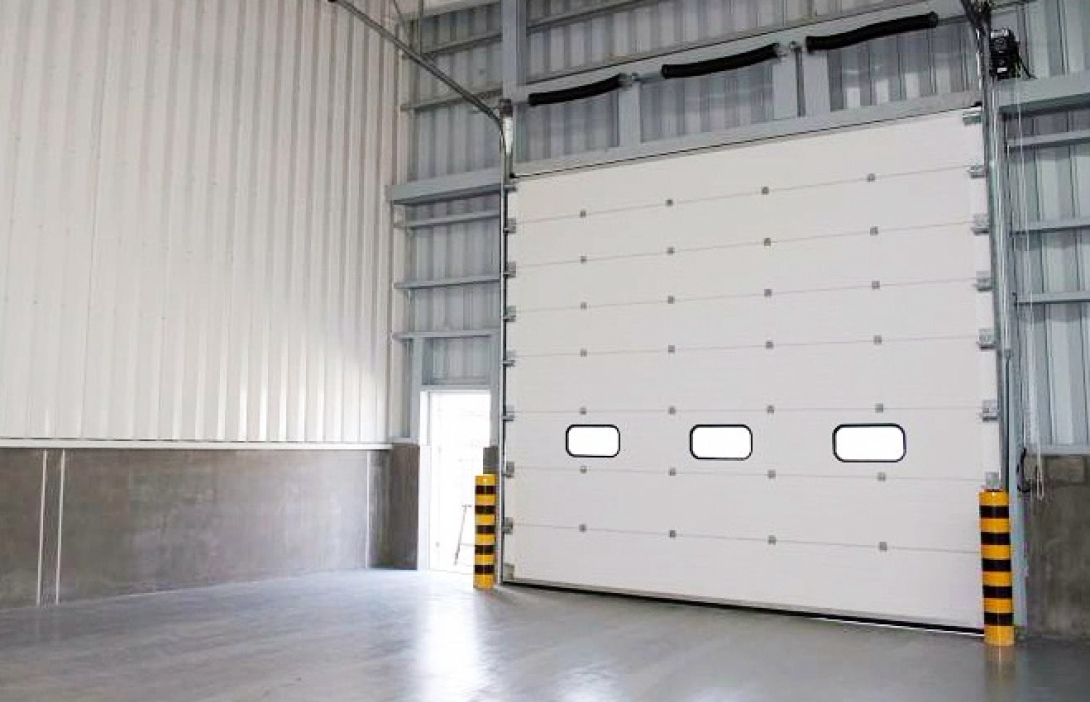
This is where experienced specification makes a clear difference. The Freezewize Cooling System approaches overhead doors as working access systems, not just door leaves and hardware. That matters because repeated-cycle performance depends on how the springs, tracks, panels, seals, visibility sections, surrounding structure, and operating conditions all work together over time.

A better outcome comes from matching the opening to the workload before wear starts controlling the decision.

Quick Decision Guide

Choose a standard commercial overhead door when the opening sees moderate daily use and the goal is steady performance with balanced cost.

Choose an insulated overhead door when repeated cycles happen at an opening that also needs better thermal separation, tighter sealing, or stronger overall panel performance.

Choose a high-cycle overhead door when the opening is used heavily throughout the day and the cost of wear-related interruption is higher than the cost of stronger specification.

Choose a heavy-duty configuration when repeated cycles are combined with harder traffic, higher impact exposure, or a lower tolerance for maintenance disruption.

If the door already shows recurring spring fatigue, uneven closing, hardware stress, or rising service frequency, the next replacement should be based on real cycle demand rather than on basic opening size alone.

Related Solutions

If repeated-cycle performance is a major concern, these related solution areas are often worth evaluating alongside the overhead door:

  • High-cycle loading bay door solutions.
  • Insulated dock door systems.
  • Heavy-duty sectional overhead doors.
  • Dock seals and dock shelters.
  • Threshold and bottom seal detailing.
  • Cold room and controlled-access transition solutions.

FAQ

What does repeated-cycle performance mean for a commercial overhead door?

It refers to how well the door continues opening and closing over high daily use without quickly developing wear, instability, or service-related problems.

Why do repeated cycles matter so much in commercial facilities?

Because frequent use increases stress on springs, rollers, tracks, seals, and hardware. If the door is under-specified, that stress turns into downtime and maintenance faster.

Is a high-cycle overhead door always necessary?

No. It is necessary when the opening is used often enough that a standard specification would wear too quickly or create avoidable operational interruption.

Can repeated-cycle problems appear even if the door still works?

Yes. Many doors continue operating while gradually becoming slower, rougher, less consistent, and more maintenance-heavy. That is usually the early warning stage.

Does insulation matter when the main issue is repeated cycles?

It can. Insulated doors often offer stronger panel construction and better opening stability, especially where the door also has to support perimeter control or environmental separation.

What is the biggest mistake buyers make with repeated-cycle doors?

Assuming that opening size defines the door requirement. In reality, daily cycle count, traffic intensity, and maintenance tolerance often matter more.

Conclusion

Repeated cycles reveal the truth about overhead door performance faster than almost any other condition.

If the door cannot hold up to the rhythm of the opening, it will eventually slow the operation that depends on it.A properly specified commercial overhead door can protect uptime, reduce wear pressure, and keep the opening performing more consistently over the long term. For facilities planning upgrades, the smartest next step is to evaluate the door around real cycle demand, real service tolerance, and real operating pressure.

Fill the Form!

Write your needs and fill the form to contact us.

Freezewize | Industrial Cooling Systems & Custom Cold Room Solutions
Merhaba, Size yardımcı olabilir miyiz ?
Whatsapp Destek