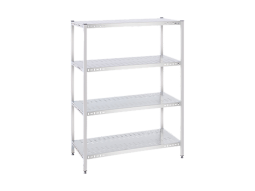





Cold Room Hygienic Profiles
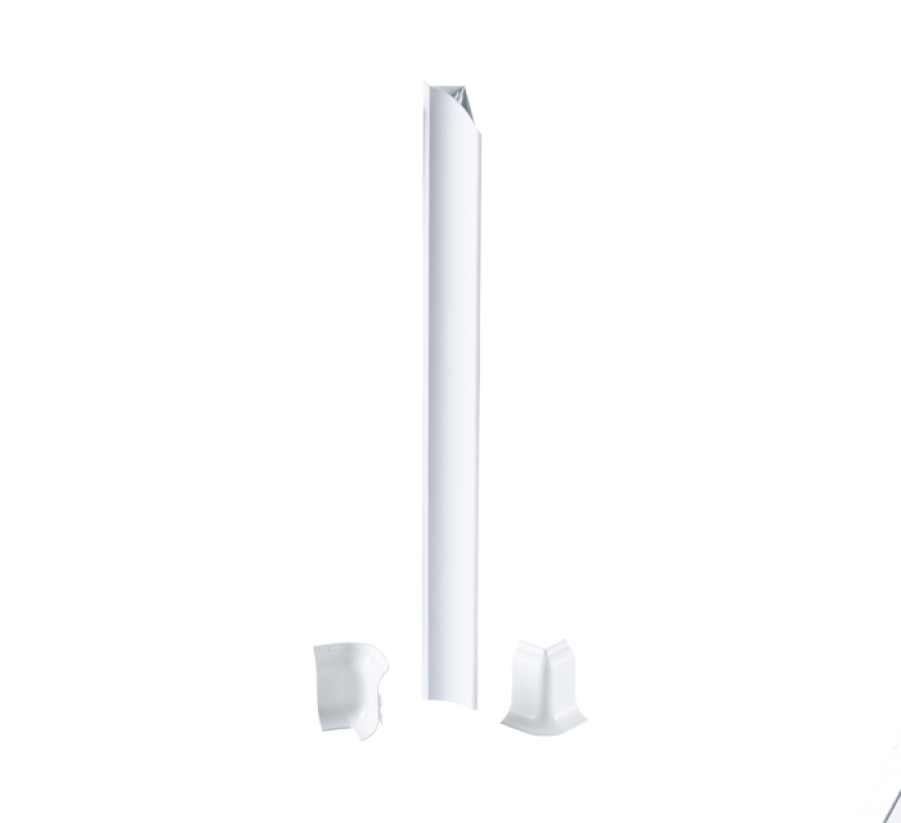
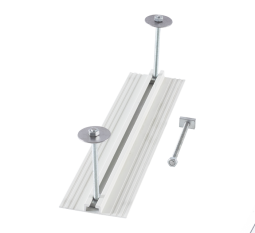
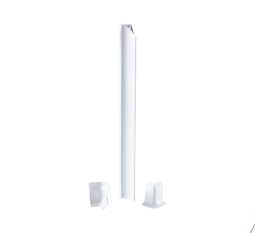
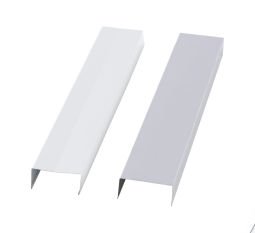
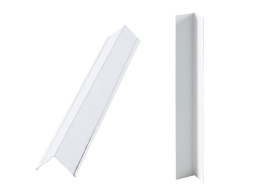
A cold room hygienic profile is a finishing component used to create smooth, protected, easy-to-clean transitions between refrigerated-room walls, floors, ceilings, and corners. Hygienic profiles reduce sharp internal angles, cover exposed panel junctions, protect panel edges, and help create more controlled surfaces in cold rooms requiring frequent cleaning or hygiene-focused construction.
Freezewize Cold Room Hygienic Profiles are designed for walk-in coolers, walk-in freezers, food processing rooms, meat and poultry facilities, seafood processing, pharmaceutical cold rooms, commercial kitchens, supermarkets, and industrial cold storage projects.
Depending on project requirements, hygienic profiles can be supplied in PVC, aluminum, or stainless steelconfigurations.
Different profile geometries can be used around wall-floor, wall-wall, wall-ceiling, internal-corner, external-corner, and panel-transition areas.
Hygienic Profile Basics
Cold room panels provide insulated surfaces.
Hygiene problems often develop where those surfaces meet.
Typical difficult areas include:
- Wall-floor junctions
- Internal corners
- Wall-ceiling connections
- Panel terminations
- Door-side transitions
Sharp corners or irregular sealant lines are harder to clean consistently.
A cold room hygienic profile creates a controlled transition over these areas.
Its primary role is:
- Improve cleanability
- Protect edges
- Cover junctions
- Reduce difficult cleaning geometry
- Create consistent finishing
It is not the primary thermal insulation layer.
Profile Configuration
| Technical Feature | Freezewize Configuration |
|---|---|
| Product Type | Cold Room Hygienic Profiles |
| Primary Function | Hygienic joint finishing |
| Materials | PVC / Aluminum / Stainless Steel |
| Applications | Cooler / Freezer / Food Processing |
| Typical Locations | Wall-Floor / Wall-Wall / Wall-Ceiling / Corners |
| Panel Compatibility | Modular insulated panels |
| Cleaning Environment | Selected according to project |
| Moisture Exposure | Project-specific |
| Dimensions | Project-specific |
| Installation | Integrated with cold room construction |
Exact dimensions, material, connection method, and corner components should be selected according to the application.
Cove Profile Function
One of the strongest applications is the wall-floor junction.
A sharp 90-degree floor corner can collect:
- Water
- Food debris
- Cleaning residue
- Dirt
- Chemical residue
A cove profile creates a smoother transition:
Floor → Rounded Transition → Wall
This makes the junction easier to reach during routine cleaning.
For U.S. projects, related terminology includes:
- Cove molding
- Cove base
- Sanitary cove
- Floor-wall coving
These terms describe one important application within the broader Cold Room Hygienic Profiles family.
Smooth Corner Geometry
Rounded internal geometry supports:
- Easier wiping
- Better washdown access
- Reduced dirt traps
- More consistent inspection
- Cleaner finishing
A profile does not make a room hygienic by itself.
Cleaning routines, drainage, panel condition, seal integrity, and maintenance still matter.
The profile improves geometry so those routines are easier to perform.
Wall-Floor Transitions
Wall-floor junctions receive heavy exposure to:
- Cleaning water
- Carts
- Foot traffic
- Food residue
- Cleaning chemicals
- Moisture
A hygienic profile protects this transition and creates a smoother finished surface.
Material should be selected according to actual use.
A dry packaged-food room and a wet seafood-processing room do not create the same exposure.
Wall-Ceiling Transitions
Profiles can also finish wall-ceiling junctions.
These areas can contain:
- Panel edges
- Sealant
- Small gaps
- Corner connections
A controlled profile creates a more consistent perimeter finish.
Wall-ceiling areas remain visible inspection zones in food-processing environments, so clean finishing is useful even where direct floor-level contamination is absent.
Internal Corners
Two walls meeting at an internal corner can leave sharp or irregular junctions.
A hygienic corner profile creates a more controlled surface.
This product should not be confused with a Cold Room Corner Panel.
Corner Panel
Provides insulated structural geometry.
Hygienic Profile
Finishes the accessible interior transition.
One controls thermal enclosure.
The other improves surface detailing.
Cove Base
For commercial walk-in coolers, cove base is an important term.
A cove base creates a smooth floor-to-wall transition around:
- Restaurant walk-ins
- Grocery coolers
- Meat rooms
- Dairy rooms
- Produce storage
- Foodservice refrigeration
Freezewize should retain Cold Room Hygienic Profiles as product-family name because the range extends beyond floor coving.
PVC Hygienic Profiles
PVC hygienic profiles provide a practical option for many refrigerated environments.
Typical characteristics include:
- Lightweight construction
- Smooth surface
- Moisture resistance
- Easy handling
- Clean profile geometry
PVC can suit:
- Walk-in coolers
- Walk-in freezers
- Commercial kitchens
- General food storage
- Supermarket cold rooms
Compatibility with low temperature, chemicals, and mechanical exposure should be checked according to project conditions.
Aluminum Hygienic Profiles
Aluminum provides increased rigidity for selected finishing details.
Potential applications include:
- Panel transitions
- Internal corners
- Wall finishing
- Industrial cold rooms
- Larger profile sections
Material finish should be selected according to moisture and cleaning exposure.
Stainless Steel Profiles
Stainless steel hygienic profiles are particularly relevant in demanding environments such as:
- Meat processing
- Poultry plants
- Seafood processing
- Dairy facilities
- High-moisture rooms
- Frequent washdown areas
- Pharmaceutical environments
Exact stainless grade should be project-specific rather than assumed universally.
Material Comparison
| Selection Factor | PVC | Aluminum | Stainless Steel |
|---|---|---|---|
| Lightweight | High | High | Moderate |
| Moisture Resistance | Strong | Strong | Very strong |
| Handling | Easy | Easy | More rigid |
| General Cold Storage | Strong | Strong | Strong |
| Heavy Washdown | Application dependent | Application dependent | Strong |
| Industrial Use | Suitable | Strong | Strong |
| Impact Resistance | Moderate | Strong | Higher potential |
The best choice depends on room conditions rather than appearance alone.
Profile vs Sealant
Sealant and hygienic profiles solve different problems.
Sealant
Closes small gaps and supports air or moisture sealing.
Hygienic Profile
Creates a physical surface over the transition.
In many cases, both are used together.
Large, irregular sealant beads should not become the entire finishing strategy when a proper profile can create cleaner geometry.
Open Joint Risks
Poorly finished transitions can create:
- Dirt accumulation
- Moisture penetration
- Exposed panel edges
- Difficult inspection
- Cleaning problems
- Early deterioration
A hygienic profile covers these vulnerable zones.
Underlying panel joints still need correct mechanical assembly and sealing.
Cleanability
The central advantage of a cold room hygienic profile is improved cleanability.
Useful profile characteristics include:
- Smooth surface
- Rounded geometry
- Closed transitions
- Limited projections
- Consistent corners
This becomes especially valuable where rooms are cleaned every day or after each production shift.
Washdown Areas
Wet cleaning creates extra stress around panel junctions.
Water can reach:
- Floor-wall joints
- Door thresholds
- Internal corners
- Drain areas
- Panel connections
A hygienic profile helps protect transition geometry.
Successful washdown construction also needs:
- Correct drainage
- Suitable panel surfaces
- Continuous seals
- Compatible cleaning chemicals
Water should not be trapped behind profiles.
Drainage Integration
Floor hygiene depends on water reaching drains effectively.
A coved wall-floor transition works best when floor slope and drainage are already correct.
The preferred relationship is:
Floor Slope → Drainage → Cove Profile → Wall
A hygienic profile cannot compensate for standing water caused by poor floor design.
Food Processing Applications
Hygienic profiles are especially valuable in:
- Meat processing
- Poultry
- Seafood
- Dairy
- Prepared foods
- Bakery
- Produce
- Frozen food
These facilities combine refrigeration with repeated cleaning.
Cold room construction should support both functions.
Meat and Poultry
Meat and poultry facilities often involve:
- Water
- Carts
- Cleaning chemicals
- Repeated sanitation
- Hygiene inspections
Wall-floor junctions and corners deserve particular attention.
Material choice should reflect both moisture and mechanical exposure.
Seafood Facilities
Seafood rooms can combine:
- High humidity
- Water
- Salt exposure
- Intensive cleaning
Material selection should therefore be more careful than in dry storage.
Pharmaceutical Storage
Pharmaceutical cold rooms can benefit from:
- Smooth transitions
- Protected edges
- Controlled corners
- Easily inspected surfaces
Specific cleanroom or pharmaceutical compliance must be evaluated separately.
A hygienic profile does not independently certify an entire room.
Panel Compatibility
Hygienic profiles integrate with modular insulated cold room panels.
Compatibility depends on:
- Panel surface
- Panel geometry
- Floor finish
- Corner configuration
- Sealant
- Connection method
Profiles should be installed over stable, correctly aligned surfaces.
They should not be used to hide major panel misalignment.
Floor Compatibility
Cold room floors can include:
- Stainless steel floor panels
- Aluminum diamond plate floor panels
- Plywood floor systems
- Structural floors
- Concrete finishes
Each creates a different wall-floor transition.
The hygienic profile should match the finished floor geometry.
Door-Side Finishing
Profiles often terminate near:
- Hinged door frames
- Sliding door frames
- Thresholds
- Heated frames
- Door gaskets
Termination needs to avoid interfering with door operation or sealing.
Corner Components
Profile systems may use:
- Internal corner pieces
- External corner pieces
- Connectors
- End caps
Purpose-designed corner pieces can reduce improvised cutting and create more consistent transitions.
Seal Continuity
Profile edges should remain properly sealed where design requires.
A broken seal can allow:
- Water behind profile
- Cleaning residue
- Moisture accumulation
- Loose profile edges
Seal continuity should be checked during maintenance.
Cleaning Chemicals
Cleaning products can affect:
- PVC
- Aluminum
- Stainless steel
- Sealants
- Adhesives
Chemical compatibility should be checked in facilities using aggressive sanitation products.
Impact Protection
Hygienic profiles are finishing components.
They are not automatically heavy-duty impact guards.
Areas exposed to:
- Forklifts
- Heavy carts
- Pallet jacks
may require separate protection.
Moisture Behind Profiles
Moisture around profile edges can indicate:
- Seal failure
- Cleaning-water intrusion
- Condensation
- Drainage issues
- Panel-joint leakage
The source should be identified before cosmetic repair.
Retrofit Applications
Existing cold rooms can receive upgraded hygienic finishing.
Before installation, inspect:
- Old sealant
- Panel condition
- Moisture
- Floor-wall joints
- Corner geometry
- Door transitions
New profiles should not be installed over unstable, contaminated, or damaged surfaces.
Profile Selection
Correct cold room hygienic profile selection depends on:
Junction Type
Wall-floor, wall-wall, wall-ceiling, or corner.
Room Application
Cooler, freezer, processing room, pharmaceutical room.
Material
PVC, aluminum, or stainless steel.
Moisture
Dry or wet environment.
Cleaning Method
Light cleaning or intensive washdown.
Floor Type
Panel floor, concrete, metal floor, or other finish.
Chemical Exposure
Confirm compatibility where necessary.
Traffic
Assess mechanical impact risk.
Product Role
Within Freezewize Cold Room Accessories:
- Cold Room Ceiling T-Hanger — structural ceiling support
- Cold Room Hygienic Profiles — hygienic interior transitions
- Cold Room U-Channel Profile — panel positioning
- Cold Room Internal Profiles — interior joint finishing
- Cold Room External Profiles — exterior joint finishing
- Stainless Steel Cold Room Shelving — storage organization
Cold Room Hygienic Profiles have one clear purpose:
Create smooth, protected, easier-to-clean transitions across refrigerated-room junctions.
Turnkey Hygienic Integration
Freezewize Cooling System supplies Cold Room Hygienic Profiles individually or integrates them into complete cold room construction.
Turnkey coordination can include:
- Cold room panels
- Floor systems
- Ceiling panels
- Cold room doors
- Hygienic profiles
- Refrigeration systems
- Electrical controls
- Installation
- Testing
- Commissioning
- Final handover
For walk-in coolers, walk-in freezers, food processing facilities, meat and poultry rooms, seafood processing, pharmaceutical storage, or hygiene-sensitive refrigerated spaces, Freezewize Cooling System can specify cold room hygienic profiles according to room geometry, cleaning routine, moisture exposure, floor construction, and operational requirements.