




Freezewize | Industrial Cooling Systems & Custom Cold Room Solutions

Closing Gaps in Dock Security

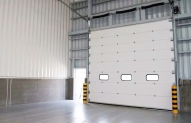
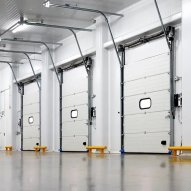
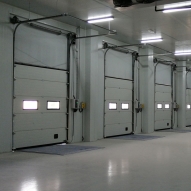
Commercial Overhead Doors That Close Gaps in Dock Security

Close gaps in dock security with the right commercial overhead door. Improve perimeter control, reduce access risk, support sealing, and protect daily dock operations.

Commercial Overhead Doors for Closing Gaps in Dock Security

A commercial overhead door helps close gaps in dock security when it is specified to control the opening, seal properly, and hold up under real daily use. The right door does more than shut the bay. It limits weak points around the perimeter, reduces avoidable exposure, supports cleaner access control, and keeps a busy dock from becoming the easiest place to breach, damage, or neglect.

Most dock security problems do not begin with a dramatic incident. They begin with small failures in the opening itself: worn bottom seals, visible side gaps, unreliable closing, impact damage near the lower panels, weak hardware, or an entrance that stays functionally open longer than the operation can afford.

Points Where Loading Dock Safety Typically Begins to Break Down

Many facilities only consider loading dock safety outside of business hours. In practice, however, the problem usually begins during normal working hours.

The loading dock entrance is one of the most exposed points in a commercial building. It manages truck movements, personnel movements, equipment traffic, and repeated opening cycles. This makes it useful, but also leaves it vulnerable. If the door closes slowly, is difficult to align, sustains damage easily, or does not provide a proper seal along the edges, the loading ramp begins to lose control long before anyone identifies it as a security issue.

In warehouses, food distribution centers, supermarkets, processing facilities, and back-of-house operations, an entrance should do more than just provide access. It should also help protect inventory, create a cleaner boundary between indoor and outdoor areas, and reduce operational laxity that leads to problems. A loading dock opening that appears worn or poorly controlled tends to create multiple risks. It can weaken perimeter security, erode confidence in facility standards, and complicate the management of the area from shift to shift.

Therefore, loading dock security should not be limited to locks alone. The key question is whether the opening behaves as a controlled part of the building or as a vulnerable gap within it.

The Risk of Treating the Door Merely as a Basic Closure Element

A commercial overhead door may function technically, but it can still leave the loading dock exposed.

This situation typically arises when the door is selected based on size and budget rather than the opening’s full role. A lighter system may close off the compartment, but it can leave recurring weak points in the threshold, perimeter, hardware, or panel structure. Minor impacts from pallet jacks, hand trucks, or forklifts can cause the opening to deform. Repeated use can cause misalignment. Exposure to weather conditions can accelerate wear on the seals and bottom edge. Over time, even if the opening still appears usable, it becomes less safe.

This creates several real risks: 

  • More visible perimeter gaps after closing.
  • Weaker resistance to forced contact or repeated misuse.
  • Slower closing during intense loading and unloading cycles.
  • Easier access outside of operating hours.
  • Increased dust, pest, and air ingress through damaged edges.
  • Higher repair frequency at one of the building’s most critical access points.

There is also a hidden management issue within the safety concern. When teams become accustomed to a loading door that doesn’t close properly, doesn’t provide consistent sealing, or always appears slightly misaligned, this weakness becomes normalized. The opening is still used, but no one fully trusts it. This loss of trust is often the clearest indication that something was wrong from the very beginning of the specification.

Security Vulnerabilities Are Not Just About Unauthorized Entry

Loading ramp security is a broader concept than simply preventing theft.

A weak loading ramp entrance can also affect inventory protection, back-of-house control, perimeter separation, and overall operational discipline. In food and temperature-sensitive environments, a faulty opening can make it difficult to manage cleaning, airflow, and inspection readiness. In general industrial or distribution settings, this situation can create a more pronounced sense of disorder around receiving and shipping areas.

If a door closes with visible gaps, struggles to seat properly after impact, or gives the impression that the perimeter is unprotected, this opening begins to harm the facility in multiple ways. It can increase anxiety outside of business hours. It may make the facility appear less secure in the eyes of staff, visitors, or inspectors. Additionally, because the entrance may appear neglected or poorly constructed, it could become an easier target.

Therefore, a loading door should be evaluated not merely as an operational convenience but as part of the facility’s security posture.

What Should Be Compared When Loading Area Security Is a Priority

If loading area security is a genuine concern, the decision should not simply be a choice between an overhead door and another type of door. A better decision should focus on which overhead door configuration provides the appropriate level of control, durability, and closing quality.

The most important comparison points are typically as follows: 

  • Panel strength and structural durability.
  • Consistency of closure during daily, repeated use.
  • Sealing quality at the sides and bottom.
  • Resistance to impact and misalignment.
  • Balance between visibility and privacy needs.
  • Cycle demand during active operating hours.
  • Integration with access control or monitored closure systems.
  • Long-term maintenance tolerance.

On a loading ramp, a standard commercial overhead door may be sufficient due to moderate use and limited exposure of the opening. On another ramp, however, the same approach may be inadequate. A more heavily used or more exposed loading ramp may require stronger panels, heavy-duty hardware, tighter sealing, better cycle support, and a more meticulous approach to windows, locking points, and control accessories.

Comparison Table

Door ApproachBest FitMain Security AdvantageMain Limitation
Standard commercial overhead doorModerate-use bays with basic control needsPractical closure and everyday reliabilityMay age faster at harder-use openings
Insulated overhead doorDocks needing tighter perimeter performanceBetter sealing and stronger opening controlHigher upfront cost
High-cycle overhead doorFrequently used shipping and receiving baysMore dependable repeated closing under daily pressureMust be justified by real cycle demand
Heavy-duty security-focused configurationExposed docks, harder-use sites, higher risk openingsStronger durability, better resistance to wear-related weak pointsMore than some lighter operations require

This comparison is important because safety issues at a loading ramp typically stem not from a single isolated incident, but from repeated wear and tear, poor technical specifications, and inadequate closing discipline.

How Can a Better Safety-Focused Solution Be Achieved?

The right solution is a commercial overhead door that helps keep the loading ramp under control whether the facility is busy or not.

This means selecting a door based on actual operating conditions. If daily equipment movement is observed near the threshold in the loading area, the door must withstand impact-related stress without quickly losing alignment. If environmental control is critical, the sealing system and bottom edge must be selected with greater care. If the loading area affects climate-controlled or refrigerated zones, insulation and sealing quality become part of the safety discussion because uncontrolled openings rarely remain safe in a broader operational sense.

In many facilities, the best solution is not a dramatic upgrade. It is establishing a more disciplined specification. A sturdier panel structure where repeated contact is likely. Better hardware where wear accumulates fastest. More reliable sealing where shift discipline is critical. More suitable visibility options where teams need a clear line of sight without compromising too much privacy or control.

This is where the Freezewize Cooling System naturally adds value. When evaluated in conjunction with the door, surrounding wall conditions, threshold details, sealing strategy, usage patterns, and operational expectations around the loading bay, loading ramp openings perform better. Treating the door as a standalone component often results in inadequate protection of the opening. Approaching the loading ramp entrance as a system that addresses the entire opening ensures a safer outcome.

Quick Decision Guide

If the loading dock has moderate daily traffic and the goal is reliable sealing at a balanced cost, choose the standard commercial overhead door.

If tighter perimeter control, clearer separation, and stronger sealing quality are more important, choose the insulated overhead door.

If the dock is opened repeatedly throughout the day and safety depends on the door reliably returning to the closed position in a controlled manner, select a high-cycle overhead door.

If the opening is exposed to heavier traffic, repeated impact risks, more pronounced wear and tear, or greater concerns regarding environmental safety, select a heavy-duty configuration.

If the dock currently exhibits recurring side gaps, bottom edge damage, inconsistent closing, or panel damage near the bottom section, the next door should be selected not only based on opening dimensions but also by considering safety risks and usage demands.

Related Solutions

If dock safety is part of a broader facility renovation, it is often beneficial to review these related interior solution areas in conjunction with overhead doors:

  • Insulated dock door systems.
  • Dock seals and dock shelters.
  • Loading bay thresholds and bottom seal details.
  • Impact-resistant hardware packages.
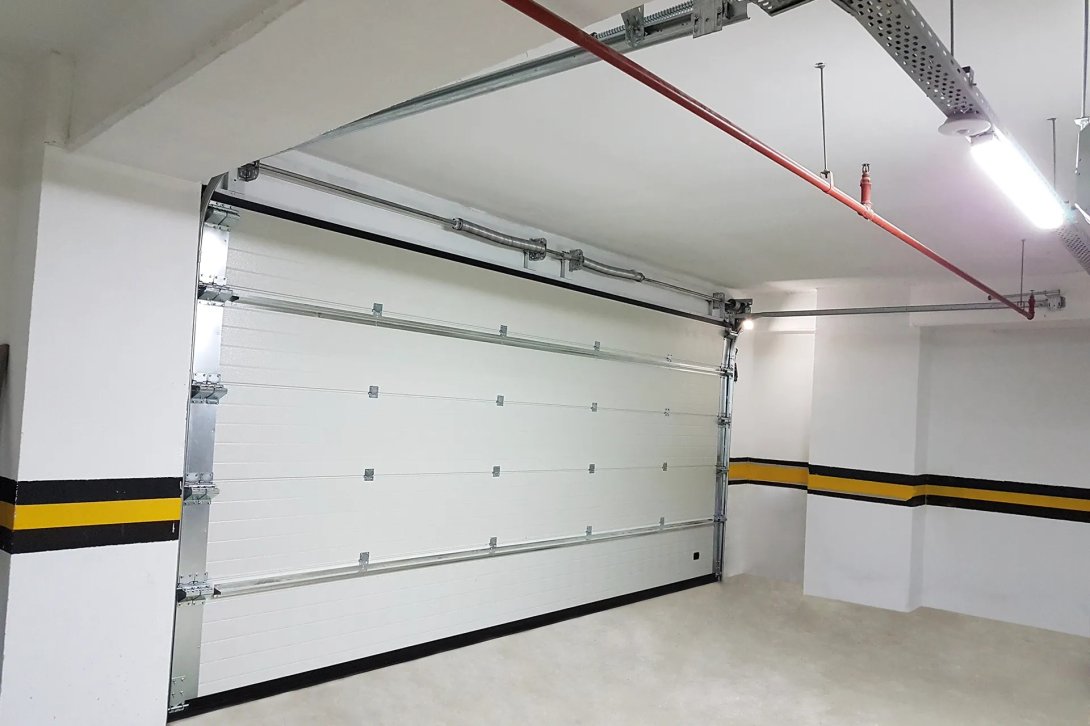
  • Sectional overhead doors for controlled commercial openings.
  • Cold room and docking transition solutions.

FAQ

How does a commercial overhead door enhance dock security?

It enhances dock security by creating a more controlled opening, reducing perimeter gaps, supporting a more reliable seal, and helping the entrance resist wear that could turn into a security vulnerability.

Are visible gaps around a dock door a real security issue?

Yes. Visible side or bottom gaps typically indicate alignment, sealing, or wear issues that weaken perimeter control and make the opening easier to exploit or harder to manage.

Is an insulated overhead door better for dock security?

In most cases, yes. Insulated doors typically provide a sturdier panel structure and tighter sealing performance; this can improve both environmental control and the overall sense of security at the opening.

When should a loading door be replaced rather than repaired?

If the same weak points keep reappearing, the opening no longer closes reliably, or the door only appears to be under control after constant service intervention, replacement is generally a better long-term decision.

Do windows reduce loading door security?

Not always. Visibility can enhance operational awareness, but the window configuration must align with the facility’s privacy, monitoring, and exposure requirements. The decision should be based on actual usage, not just preference.

Should access control and sealing be considered along with the door?

Absolutely. Locks, controls, gaskets, threshold conditions, and surrounding hardware all influence whether the loading ramp entrance functions as a secure boundary or a recurring weak point.

Conclusion

Loading ramp security is rarely lost all at once. It is typically lost due to openings that were not fully constructed to remain under control.

If the door leaves the loading area exposed during daily use, the opening is already failing to fulfill its security function. A properly designed commercial overhead door can reduce security vulnerabilities, improve closure discipline, and help the loading ramp function as a protected part of the facility rather than a recurring weak point. For teams planning renovations or upgrades, the wisest step is to evaluate the opening in terms of actual wear and tear, actual exposure, and actual long-term control needs.

Fill the Form!

Write your needs and fill the form to contact us.

Freezewize | Industrial Cooling Systems & Custom Cold Room Solutions
Merhaba, Size yardımcı olabilir miyiz ?
Whatsapp Destek