




Commercial Overhead Door Logic
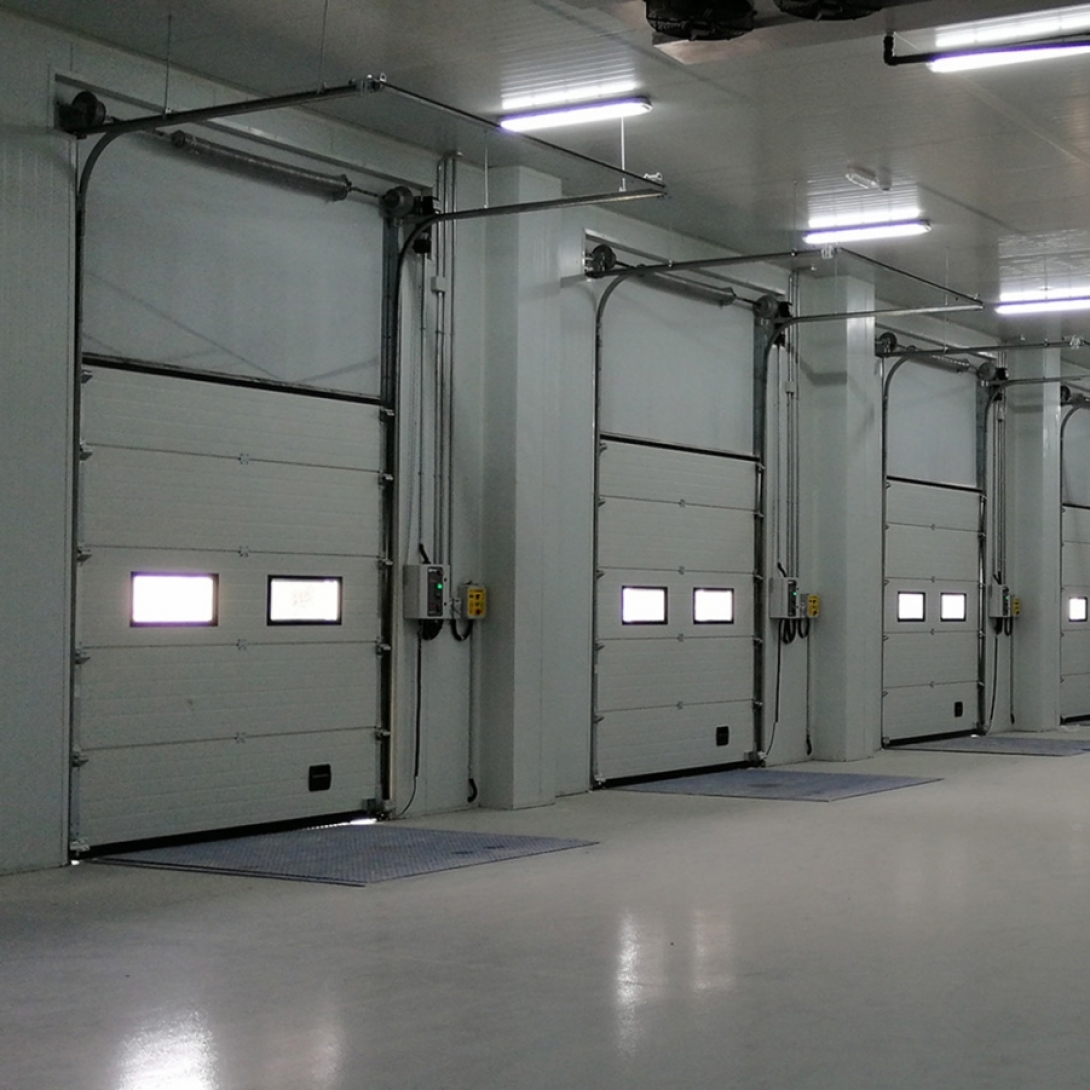
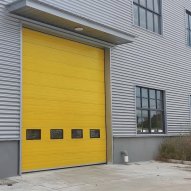
A commercial overhead door improves busy warehouse access when controls, opening height, traffic priority, visibility, safety response work through one clear operating logic. Smart commercial overhead door access does more than move panels. It identifies who approaches, how much clearance is required, when traffic receives permission, when closure begins. In distribution centers, food warehouses, manufacturing sites, refrigerated logistics areas, a correctly planned commercial overhead door reduces hesitation without relying on constant operator judgment.
Access Demand Signals
Busy warehouses create several access signals. Forklifts approach with pallets. Personnel cross near loading routes. Mobile racks wait beside staging areas. Cleaning equipment enters after production.
Record approach direction, vehicle profile, load height, traffic frequency, waiting location. A commercial overhead door needs controls matched to these signals. One wall switch rarely supports every traffic type efficiently.
Smart access starts when commercial overhead door movement responds to real arrival patterns instead of reacting after equipment stops.
Traffic Priority Rules
Mixed traffic needs a clear priority system. Forklifts carrying wide loads require more clearance plus longer passage time. Personnel need shorter access periods. Emergency movement needs immediate release.
Define which user activates commercial overhead door first during route conflict. Keep pedestrian paths outside vehicle trigger zones. Position waiting lines away from panel travel.
A commercial overhead door supports warehouse flow when users understand who moves, who waits, where each route clears.
Opening Modes
Not every passage needs full opening height. Personnel, pallet jacks, low-profile carts often require less travel than loaded forklifts.
Where control design permits, set practical opening modes for common users. Confirm safe clearance through measured equipment height, load profile, mast position.
A commercial overhead door using suitable partial travel reduces wasted movement, limits exposure, prepares sooner for closure. Full-height mode remains available for taller vehicles or special loads.
Detection Logic
Sensors, pull cords, remote controls, wall stations, vehicle loops each create different access behavior. Poor detection settings trigger commercial overhead door too early, too late, or without genuine traffic.
Review activation range, direction, delay, safety response. Prevent nearby staging activity from creating unwanted cycles. Keep sensors clear from pallets, wrap, dust, cleaning spray.
Smart commercial overhead door logic opens for intended traffic while ignoring unrelated movement.
Visibility Control
Operators need to understand opening status before entering route. Panel movement, usable clearance, approaching traffic must remain easy to judge.
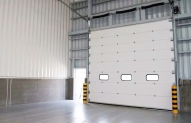
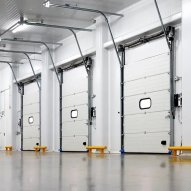
Use visible status lights where traffic density justifies them. Add vision sections where staff or drivers need awareness across opening. Keep sightlines free from stored goods.
A commercial overhead door becomes smarter when users receive clear information without stopping to interpret panel position or listen for movement.
Queue Prevention
Warehouse congestion often forms before commercial overhead door reaches opening. Forklifts queue inside staging lanes. Personnel cross between vehicles. Loads block controls.
Mark approach lanes, waiting points, clearance lines. Separate incoming traffic from outgoing traffic where layout permits. Keep temporary storage outside access zone.
A commercial overhead door cannot improve flow when warehouse layout sends several users into one unregulated approach.
Exception Handling
Smart access planning must include abnormal events. Sensor fault, impact damage, power loss, blocked threshold, control failure require one safe response.
Define manual operation, shutdown authority, fault reporting, temporary route. Staff need visible instructions near commercial overhead door controls. Bypassing safety devices must never become routine.
Exception planning keeps one commercial overhead door problem from creating confusion across complete warehouse route.
Access Performance Review
Measure commercial overhead door access during peak traffic. Record activation time, useful clearance, vehicle passage, closing start, false cycles, queue length, user hesitation.
The Freezewize Cooling System reviews commercial overhead door dimensions, traffic priority, opening modes, detection logic, visibility needs, queue points, exception procedures before production.
Smarter Warehouse Movement
A properly specified commercial overhead door improves busy warehouse access through clear decisions built into movement. Correct traffic receives priority. Opening height matches load. Controls respond at useful distance. Users see status. Queues remain outside active route.
Smarter access comes from making each commercial overhead door cycle easier to predict, easier to verify, easier to recover when normal flow changes.