




Freezewize | Industrial Cooling Systems & Custom Cold Room Solutions

Faster Builds With Cam Lock Panels

Cam Locked Cold Room Panels for Faster Builds and Better Fit

Cam locked cold room panels accelerate installation, reduce alignment errors, and help cooler and freezer projects stay on schedule with less rework.

Faster Builds With Cam Lock Panels

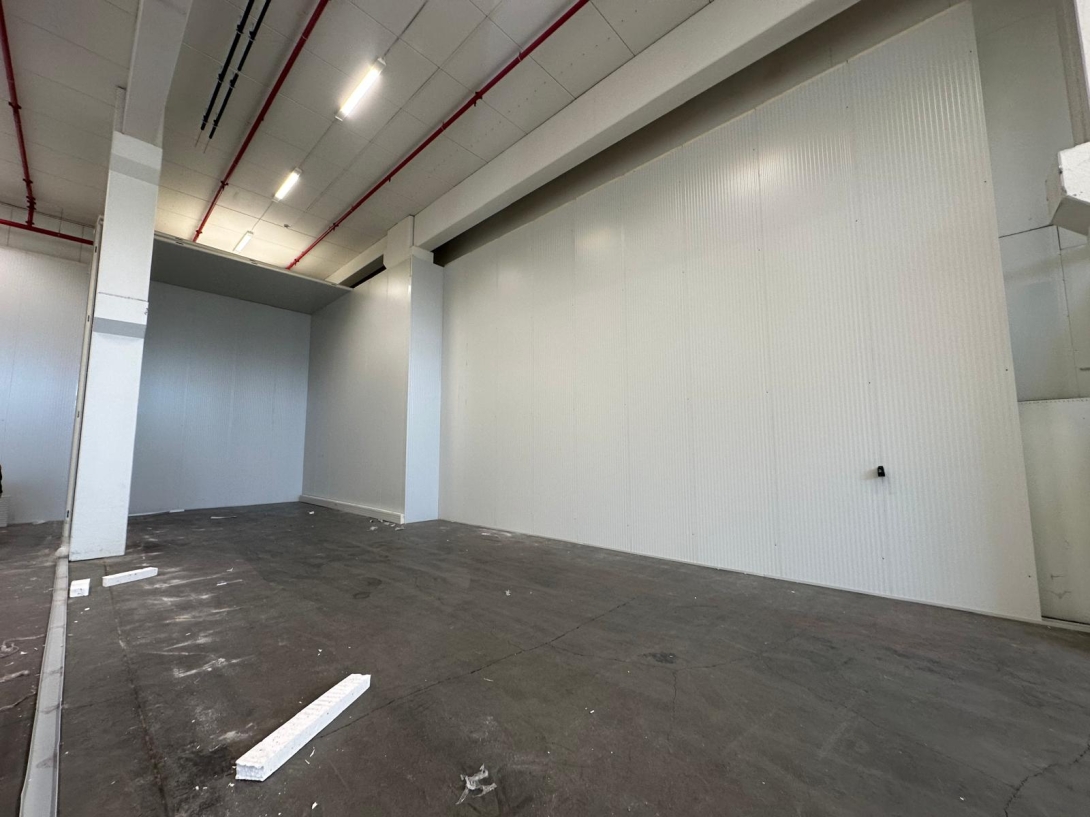
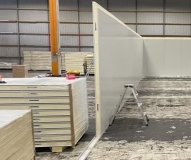
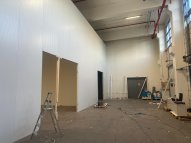
Cam locked cold room panels are one of the most practical ways to speed up cold room construction without giving up fit, thermal continuity, or long-term serviceability. They allow crews to assemble wall and ceiling sections faster, keep panel lines tighter, and reduce the kind of field correction that slows projects down.

That matters because cold room speed is not just about getting panels into place. It is about finishing a build with fewer delays, fewer joint problems, cleaner alignment, and a room that performs well once traffic, cleaning, and temperature pressure begin.

Where Cold Room Builds Lose Time

Most cold room projects don’t fall behind due to a single major mistake. They fall behind due to repeated small delays. The panel transport process takes longer than expected. Wall lines need to be corrected. Openings aren’t as neat as planned. The crew stops to correct alignment, rework a joint, or make adjustments around doors and service openings. Tasks that seem manageable on paper begin to drain manpower on-site.

At this point, the choice of panel system becomes not just technical, but operational. In a high-volume commercial construction project, the panel package affects the reliability of the schedule, the installation workflow, and how much corrective work will arise after the initial installation. For contractors, this changes labor efficiency. For operators, it alters commissioning timelines. For facility teams, it determines how quickly the room transitions from the construction phase to a ready-to-use asset.

Glass-locked panels are ideally suited to this reality because they are designed for faster and more controlled installation. When panels are connected in a repeatable manner, construction progresses with fewer stoppages and corrections.

The Cost of Slow Construction

Slow cold room construction creates more than just schedule setbacks. It increases labor risks, delays adjacent trades, and raises the likelihood that the finished room will carry minor quality issues into daily operations.

A panel system may be technically functional, but if it causes unnecessary friction during installation, it may still be the wrong choice. This is critical in the U.S. market because project timelines impact far more than just the contractor’s schedule. It can delay equipment commissioning, product storage preparation, kitchen opening dates, warehouse turnover rates, and inspection planning.

An incorrect construction approach typically creates the following pressures: 

  • More on-site adjustments at panel joints and corners.
  • Longer working hours during wall and ceiling installation.
  • Higher risk of misalignment around door openings and transitions.
  • More noticeable finish inconsistencies in kitchen back areas.
  • Higher likelihood of future maintenance calls related to seams and installation.

In other words, a room with slow installation typically costs twice as much. The cost is higher during installation and may continue to rise after delivery.

Installation Speed Is Also a Quality Decision

Fast installation is only beneficial if the room feels tight, clean, and properly finished. This is why interlocking cold room panels stand out. They not only help teams work faster but also enable them to build with greater precision.

The locking mechanism pulls adjacent panels together to ensure consistent joints, better line continuity, and a cleaner overall exterior. This is crucial in cold rooms, freezer rooms, food processing areas, supermarket backrooms, and distribution areas—where a rushed or disorganized structure quickly becomes noticeable during use.

In practice, faster construction with cam-locked panels typically stems from three advantages: 

  • Repeatable joints.
  • Less guesswork regarding seams on-site.
  • Cleaner coordination between walls, ceilings, and openings.

This combination is important because uncontrolled speed leads to rework. Cam-lock systems are valuable when they improve both.

Cam-Locked Panels and Slower Installation Methods

Not every insulated panel system follows the same installation logic. Some methods require more on-site fastening, more adjustments, or greater tolerance for on-site variations. This may be acceptable in lighter-duty applications, but in cold rooms where both performance and finish are critical, this approach can become costly.

When the goal is to reduce installation time while maintaining consistency, the cam-locked cold room panel system is often a more suitable option. This system supports faster construction progress, particularly in projects where precise timing, clean alignment, and future service access are critical.

Panel ApproachBest Use CaseBuild-Speed AdvantageMain Limitation
Cam locked cold room panelsCommercial cooler and freezer roomsFaster assembly with more repeatable jointsStill depends on proper layout and installation discipline
Basic field-fastened insulated sectionsLow-pressure, simpler enclosuresLower upfront system complexityMore field adjustment and slower fit-up
Heavily site-built insulated assembliesCustom structural conditionsFlexible around unusual layoutsHigher labor demand and slower installation flow

The true comparison isn’t just between panel and panel. It is a comparison between controlled construction speed and delays on the job site.

Why Cam-Locked Panels Work in Real-World Applications

Cold room construction is rarely independent of operational pressures. Many projects are tied to renovation periods, business openings, expansion phases, or renovation schedules where every day counts. Therefore, panel systems that can be installed faster are valuable. These systems help shorten the installation phase without compromising on quality.

Cam-locked cold room panels support such projects because they are modular, predictable, and easier to sequence. When teams can work at a better pace, related decisions also improve. Door frames can be coordinated more seamlessly. Managing ceiling lines is easier. Corners and joint transitions come together with less improvisation.

This makes a real difference in facilities where the proper installation of vehicles, shelving, personnel movement, cleaning routines, and the commissioning of the cooling system depend on the room being built correctly the first time.

In projects where construction speed must be balanced with long-term reliability, the panel system typically delivers better results when evaluated as an integral part of the overall room construction logic. This includes the integrity of adjacent areas, the layout of openings, floor conditions, ceiling opening planning, and the practical sequence of installation.

What Buyers Should Check Before Approving the System

Fast construction doesn’t happen just because it’s written in the proposal. It happens because the panel system is suitable for the project.

Before selecting lock-in cold room panels, buyers should examine the conditions that truly affect construction speed: 

  • Room size and panel length.
  • Number of corners, transitions, and openings.
  • Door locations and opening conditions.
  • Floor levelness and substrate preparation.
  • The expected installation team’s experience.
  • Time pressure related to start-up or handover.

This step is critical because even a good panel system loses its advantage if the surrounding project is poorly coordinated. A faster panel package delivers the best results when the room is conceived as a complete cladding system, not just a list of parts.

Quick Decision Guide

Select tongue-and-groove cold room panels when the project requires the following: 

  • Faster installation with fewer joint adjustments.
  • Cleaner wall lines and more predictable installation.
  • Modular construction for refrigeration or freezer rooms.
  • Better control over scheduling and labor risks.
  • Future flexibility for service, modification, or expansion.
  • If the project includes the following, take a closer look before proceeding: 
  • Uneven floor conditions that could affect alignment.
  • Numerous holes without a clear closure plan.
  • Hasty coordination of placements around doors and openings.
  • Installation teams with limited cold room experience.
  • A purchasing decision focused solely on initial cost.

If project speed is critical but the room will also be subjected to heavy use, cam-locked panels are generally a more robust choice because they provide both construction efficiency and a more reliable finished finish.

Related Solutions

If this topic applies to your project, the relevant internal pages to link to are:

  • Cold room doors for high-traffic openings.
  • Freezer room panel systems for low-temperature structures.
  • Refrigerated room wall and ceiling panel packages.
  • Insulated service doors for food processing facilities.
  • Threshold and ramp solutions for the movement of vehicles and pallets.
  • Protective hardware and sealing accessories for cold rooms.

These links yield the best results because faster panel installation reveals its full value only if the rest of the room is designed with the same operational logic.

FAQ

Is the installation of snap-lock cold room panels really faster?

Yes. In most commercial projects, they reduce installation time by making panel connections more repeatable and limiting the need for on-site adjustments at joints and alignment points.

Do panels that install faster reduce labor costs?

Generally, yes, especially if the layout plan is well-designed. Faster installation typically means fewer labor hours, less rework, and a smoother workflow with other trades.

Are tongue-and-groove panels suitable for freezer rooms?

Yes, provided the system is designed appropriately for the temperature range and room conditions. Controlling the joints is particularly beneficial in freezer applications where joint performance is critical.

Can faster installation lead to a drop in quality?

It can, if speed comes at the expense of quality. However, that is not the intention here. The advantage of cam-locked panels is that, when installed correctly, they can increase both speed and consistency simultaneously.

What typically slows down cold room panel installation?

Common causes include poor floor conditions, weak site coordination, difficult transitions, door opening conflicts, and panel systems requiring more on-site adjustments.

Are cam-locked panels suitable for future expansion projects?

In most cases, yes. If the original room was planned with this flexibility in mind, their modular design can support future modifications more easily compared to slower and less standardized installation methods.

Conclusion

Cold room speed is valuable only if the room still feels right after installation is complete.

The best quick-installation solution is one that reduces installation friction without causing performance issues in the future. If your project requires a cold room panel system that helps teams work faster while maintaining alignment, joint quality, and long-term usability, tongue-and-groove panels are generally a more reliable option. Careful examination of the layout plan, openings, and room conditions is the right step to take before finalizing the specifications.

Fill the Form!

Write your needs and fill the form to contact us.

Freezewize | Industrial Cooling Systems & Custom Cold Room Solutions
Merhaba, Size yardımcı olabilir miyiz ?
Whatsapp Destek