




Freezewize | Industrial Cooling Systems & Custom Cold Room Solutions

Wall Systems That Simplify Retrofits

Cam Locked Cold Room Panels for Retrofit Projects With Less Disruption

Simplify cold room retrofits with cam locked panels that reduce rework, improve fit, and help upgraded wall systems align with existing operations.

Wall Systems That Simplify Retrofits

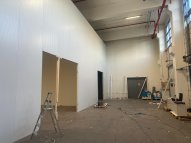
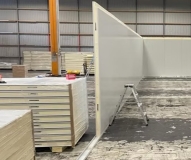
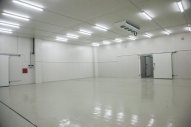
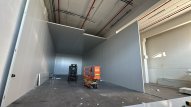
Cam locked cold room panels are often the smarter choice for retrofit projects because they make wall upgrades easier to plan, easier to install, and easier to integrate with the room that already exists. In retrofit work, the goal is not only to add new insulated walls. It is to improve the enclosure without creating unnecessary disruption, poor transitions, or long-term maintenance friction.

That matters because retrofits happen in real operating environments, not empty shells. Existing floors, doors, openings, traffic paths, and sanitation routines are already in place. A wall system that can adapt cleanly to those conditions gives contractors and facility teams a better path to upgrade performance without turning the retrofit into a prolonged operational problem.

Where Cold Room Retrofits Usually Get Complicated

Renovation projects become more challenging when the new wall system is treated like a new construction decision.

In a new installation, the room can be planned from scratch. In a renovation project, however, the design must be shaped around existing elements. This situation may involve outdated wall lines, worn-out openings, uneven surfaces, outdated room dimensions, old thresholds, changing traffic flow, or a facility that cannot be completely shut down during construction. The new wall system is not entering a clean slate. It is entering an existing environment with constraints, compromises, and real operational pressures.

As a result, renovation projects often lead to more disappointment than expected. A wall panel system may appear technically suitable in the proposal, but once installation begins, the project starts to experience delays due to alignment issues, challenging connection points, limited access, or poor compatibility with existing structures. The result isn’t always a complete failure. Often, the room is renovated but never feels fully resolved.

For U.S. operators in food production, storage, supermarkets, distribution, and commercial kitchen settings, these kinds of half-measures are costly. The room may look newer, but daily problems persist.

Why Does an Incorrect Wall System Renovation Create Ongoing Costs?

If the wall system is not suitable for renovation work, a renovation can solve one problem while creating three new ones.

This typically occurs when the selected system relies too heavily on on-site adjustments, is difficult to integrate with existing conditions, or is too loose at the points where the old and new structures meet. The project may be completed, but the room may still exhibit uneven wall lines, weak transitions, hard-to-clean joints, or give the impression that the renovation was forced rather than properly executed.

An incorrect wall renovation approach typically creates the following risks: 

  • More disruptions during installation in active work areas.
  • Weak connections between existing and new wall sections.
  • Alignment issues around doors, corners, and ceiling connections.
  • Higher maintenance burden where renovation joints are left exposed.
  • Early dissatisfaction because the room feels patched up rather than renovated.

This is a part that many buyers overlook. A renovation is not evaluated solely based on what has changed. It is evaluated based on whether the renovated room is more consistent, easier to maintain, and better suited to the facility’s actual operations.

The Key Comparison Is Renovation Compatibility

In renovation projects, the fundamental comparison is not merely between insulated panels and insulated panels. It is between modular compatibility and intensive on-site adaptation.

Cam-locked cold room panels are generally a stronger renovation solution because they support a more controlled renovation of the enclosure. Modular connection designs help the installation team install new wall sections more cleanly, manage connection points more effectively, and reduce some of the scattered on-site improvisations that make renovation work costly.

In contrast, renovation approaches that rely more heavily on on-site adjustments may seem flexible at first, but they often result in rougher outcomes at the points that matter most in an upgrade: wall transitions, door frames, corners, and long-term alignment.

Retrofit Wall ApproachBest FitRetrofit AdvantageMain Limitation
Cam locked cold room panelsCooler and freezer upgrades, food facilities, distribution retrofitsCleaner tie-ins, more controlled fit, easier phased upgrade workStill depends on accurate site assessment and installation discipline
Basic field-fastened insulated sectionsLight-duty or lower-pressure update workSimpler upfront selection logicMore jobsite correction and less controlled final alignment
Site-built insulated wall reconstructionHighly irregular existing conditionsCustom adaptabilitySlower work, rougher transitions, and higher disruption risk

This comparison is important because the success of a renovation depends on how well the new wall system improves the space while preserving the existing room.

Why Are Glass-Locked Panels More Suitable for Renovation Projects?

Glass-locked cold room panels simplify renovation work by supporting a more manageable renovation process. This does not mean every renovation is easy. It means the panel system provides better tools to manage existing conditions without sacrificing project alignment, sequence, and long-term performance control.

This advantage manifests in various ways.

First, the wall system is more modular. This helps teams replace, expand, or reconfigure sections without turning the entire enclosure into a demolition-heavy project.

Second, the connection is more controlled. This is important in renovation work because the new wall must conform as precisely as possible to existing conditions. Loose or inconsistent connections are often the source of future complaints.

Third, renovation work typically occurs in phases. A modular panel system provides better support than a more ad-hoc approach. If part of the room needs to remain operational, the renovation can usually be scheduled to preserve a larger portion of the operation.

In facilities where the need for renovation arises due to capacity, hygiene, aging materials, or room modernization, the Freezewize Cooling System typically performs best when wall renovation is planned not merely as a material replacement job, but as an operational integration project.

The Success of Renovation Is Not Just About the Walls

A wall renovation is never just about the wall.

Once the enclosure is overhauled, the project affects doors, thresholds, ramps, service access, traffic flow, cleaning routines, seal behavior, and sometimes even how staff move through the space. A new wall line that improves insulation but complicates workflow is not a successful renovation. The same applies even if the renovation looks cleaner but creates awkward transitions around a high-traffic opening.

Therefore, renovation planning must go beyond the panel surface. The room should not merely appear updated on the technical specifications sheet after the renovation; it must function as a system.

This is particularly important in cold rooms that include the following: 

  • Frequent personnel movement.
  • Traffic from hand trucks, shelves, or pallet jacks.
  • High door cycle usage.
  • Rigorous cleaning or sanitation routines.
  • Visible back-of-house presentation standards.
  • Limited tolerance for downtime during the project.

In these environments, a simpler renovation approach typically creates better long-term ownership value.

What Should Buyers Review Before Approving a Wall Renovation Package?

Before approving a cold room panel renovation with a lock-in system, buyers should review the existing conditions more thoroughly than they would for a new construction project.

The most helpful questions are: 

  • How flat and sturdy is the existing enclosure today?
  • Where will the old and new wall sections meet?
  • Are the current door locations still suitable for operations?
  • Will thresholds, ramps, or floor transitions need to be modified?
  • How much downtime can the facility tolerate during construction?
  • Are there hygiene or regulatory expectations that affect wall cladding and joint quality?
  • Is this a one-time renovation, or the first phase of a more comprehensive upgrade?

These are practical decision points. They help buyers select a wall system that addresses the actual renovation need, not just the visible wall area.

Quick Decision Guide

If the project requires the following, choose cam-locked cold room panels for the renovation work: 

  • Smoother integration with the existing room.
  • More controlled connections and wall alignment.
  • Phased installation causing less disruption.
  • Easier adaptation around doors, corners, and ceiling lines.
  • Better long-term maintenance after the upgrade.

If the renovation includes the following, take a closer look before proceeding: 

  • Insufficiently documented existing conditions.
  • Significant floor irregularities or structural uncertainties.
  • Outdated openings that were incorrect from the start.
  • Exposure to heavy traffic but no protection strategy.
  • A budget focused solely on replacing surfaces, not on improving room functionality.

If the renovation must improve the room without creating new disruptions to daily operations, a modular cam-locked wall system is generally a safer option.

Related Solutions

If this topic is relevant to your project, the following related internal page opportunities are the most natural next steps: 

  • Cold room doors for renovation and opening improvements.
  • Freezer room panel systems for low-temperature modernization.
  • Refrigerated room wall and ceiling panel packages.
  • Threshold and ramp solutions for updated traffic flow.
  • Protective wall hardware for renovation impact zones.
  • Sealing accessories and replacement hardware for transition areas.

These related solutions are important because the success of the renovation depends on how the updated wall system integrates with the rest of the room.

FAQ

Are snap-lock cold room panels suitable for renovation projects?

Yes. They are generally a strong renovation option because they provide cleaner wall replacement, more controlled connections, and easier phased installation in existing facilities.

Why are renovation projects more challenging than new cold room construction?

Because renovation projects must align with existing floors, openings, traffic patterns, service conditions, and operational constraints. The new wall system must fit the existing room.

Can Kam-locked panels minimize disruptions during renovation?

In most cases, yes. Their modular designs can facilitate phased installation and more targeted wall replacement compared to less controlled renovation methods.

Do renovation wall systems affect doors and traffic flow?

Absolutely. Replacing the wall system can affect opening alignment, threshold conditions, daily access, and internal mobility, especially in high-traffic facilities.

Why do renovation projects often feel incomplete?

The most common reasons include insufficient connection points, irregular wall transitions, excessive on-site improvisation, unresolved door coordination, and upgrades that focus on materials without rethinking room usage.

Are cam-locked panels suitable for both refrigeration and freezer renovation projects?

Yes, when properly specified. In both applications, a controlled connection system helps create a cleaner renovation process and a more reliable finished finish.

Conclusion

A renovation project should not leave the cold room feeling patchy, damaged, or only partially improved.

The right renovation wall system is one that improves the room without creating new operational friction. If you need a wall solution that can integrate more seamlessly with existing conditions in your facility, reduce on-site guesswork, and support a more consistent final result, cam-locked cold room panels are often a more robust option. A smart next step is to review the renovation in terms of connection quality, door coordination, traffic flow, and future maintenance ease before finalizing the wall package.

Fill the Form!

Write your needs and fill the form to contact us.

Freezewize | Industrial Cooling Systems & Custom Cold Room Solutions
Merhaba, Size yardımcı olabilir miyiz ?
Whatsapp Destek