




Freezewize | Industrial Cooling Systems & Custom Cold Room Solutions

Cam Lock Panels in Expansion Projects

Cam Lock Panels for Cold Room Expansion Projects That Stay on Schedule

Cam locked cold room panels support faster, cleaner expansion projects with less disruption, tighter fit, and better long-term continuity across existing and new cold storage space.

Cam Lock Panels in Expansion Projects

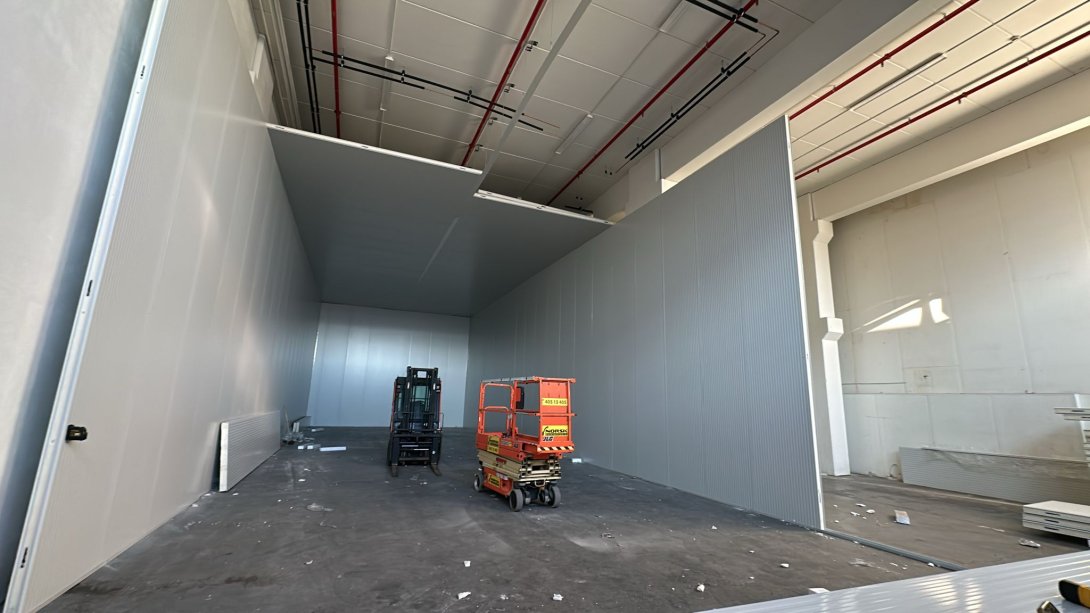
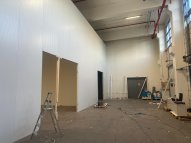
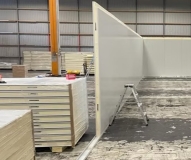
When a cold room needs to grow, the biggest challenge is usually not adding square footage. It is expanding without creating disruption, fit problems, or a weak transition between the old room and the new one. Cam locked cold room panels are well suited to expansion projects because they support modular growth, cleaner tie-ins, and more controlled installation when operations cannot afford a messy addition.

That matters in real facilities where expansion often happens under pressure. Storage demand increases, workflow changes, new SKUs arrive, or production volume outgrows the original layout. A panel system that is easier to extend helps the project move faster while protecting temperature integrity, daily access, and long-term usability.

Where Expansion Projects Usually Go Wrong

Cold room expansion projects rarely fail because the need was unclear. They fail because the addition is treated like a simple construction extension when it is really an operational integration job.

An expansion has to do more than add walls and ceiling. It has to connect to an existing environment that already has traffic patterns, door locations, cleaning routines, service access requirements, and temperature expectations. If the new section does not tie in cleanly, the facility may gain space but inherit a room that feels patched together instead of properly planned.

This is where many projects start creating friction. The transition between old and new panels may not feel fully aligned. Openings may no longer serve the flow as well as they once did. Traffic routes shift. Cleaning becomes less intuitive. A room that was already under load becomes more complicated to maintain.

For U.S. operators in food processing, supermarkets, warehouses, commercial kitchens, and distribution environments, that is not a minor inconvenience. It is a daily operating cost.

Why a Bad Expansion Costs More Than a Bad Build

A poor expansion decision creates a different kind of problem than a poor new build.

In a new room, mistakes stay mostly inside the construction phase. In an expansion, mistakes affect an operation that is already running. That means disruption is more visible, more expensive, and harder to absorb. If the enclosure is difficult to extend cleanly, the project can create downtime pressure, labor inefficiency, and long-term dissatisfaction even if the added space technically works.

The most common risks include: 

  • Disruption to active operations during tie-in and installation.
  • Poor continuity between existing and new panel sections.
  • More seal and alignment pressure at the expansion line.
  • Workflow friction if the new layout does not support traffic properly.
  • Higher future maintenance burden if the addition feels like a compromise.

This is why expansion projects need a different standard of thinking. The question is not only whether the new area can be enclosed. It is whether the larger room will still feel coherent, serviceable, and suitable once the work is complete.

The Key Comparison Is Expansion Logic

For this topic, the most useful comparison is not simply old panel system versus new panel system. It is modular expansion logic versus field-heavy expansion logic.

Cam locked cold room panels are typically the better choice when a facility wants to extend an existing room with more control over fit, joint continuity, and installation sequence. Their modular nature supports a cleaner connection between existing and added sections, which is exactly what expansion work demands.

By contrast, more site-dependent or heavily improvised wall additions may seem workable at first, but they often create more variation at the point where the old room meets the new one. That is usually where long-term friction begins.

Expansion ApproachBest FitMain AdvantageMain Limitation
Cam locked cold room panelsActive commercial coolers, freezers, storage expansionsCleaner tie-ins, modular growth, more predictable fitStill depends on accurate planning and existing room condition
Basic field-fastened insulated additionsSimpler, lower-pressure enclosuresLower system complexity upfrontMore site adjustment and less controlled continuity
Site-built insulated room extensionUnusual structural constraintsCustom flexibilitySlower work, rougher transitions, higher disruption risk

That comparison matters because expansion work is judged less by what gets added and more by how well the new section belongs.

Why Cam Lock Panels Fit Expansion Projects Better

Cam locked cold room panels work well in expansion projects because they support a more manageable connection strategy. The panel system is modular by nature, which makes it easier to extend the enclosure without rebuilding the entire room logic from scratch.

That helps in several practical ways.

First, the expansion line can be handled with better fit control. That matters because the joint between old and new construction is usually the point most likely to create air leakage, misalignment, or visible inconsistency.

Second, installation can be sequenced more cleanly. In facilities that must keep part of the operation live, the ability to plan the expansion in stages is extremely valuable.

Third, future flexibility improves. A facility that is growing once may need to grow again. A modular panel system gives the operation a better chance of making later adjustments without turning every change into a disruptive rebuild.

In many projects, the real benefit is not just that cam lock panels can expand a room. It is that they allow the room to grow while preserving a sense of order.

Expansion Pressure Is Also a Workflow Problem

Most cold room expansion decisions start with capacity, but they should not end there.

Adding space changes how people move, how carts turn, how racks are staged, how doors are used, and how product is handled inside the room. An expansion that solves storage pressure but creates awkward traffic is still the wrong expansion. The same is true if the added footprint complicates sanitation routes, visual order, or service access.

This is especially important in facilities with pallet jacks, rolling carts, high door-cycle frequency, or back-of-house visibility standards. The room has to grow in a way that respects how the operation already works.

That is why the panel system matters. A cleaner expansion build makes it easier to coordinate openings, thresholds, wall protection, and room flow around the new footprint. In projects like these, The Freezewize Cooling System usually sees better outcomes when expansion is treated as a full enclosure redesign at the connection points, not as a simple add-on.

What Buyers Should Review Before Approving an Expansion

Before moving forward with a cold room expansion, buyers should evaluate more than the new square footage.

The most useful review points are: 

  • The condition and age of the existing room.
  • How the new section will tie into existing panel lines.
  • Whether current doors still fit the updated traffic logic.
  • How much disruption the operation can tolerate during the work.
  • Whether the new footprint changes cleaning or inspection routines.
  • How the expansion affects rack, cart, and pallet movement.
  • Whether future growth is likely after this phase.

These questions matter because the best expansion is not the one that adds the most area. It is the one that adds usable space without weakening the rest of the room.

Quick Decision Guide

Choose cam locked cold room panels for an expansion project when the facility needs: 

  • Modular growth with cleaner tie-ins to an existing room.
  • Better alignment and sealing at the connection line.
  • Less disruption during phased construction.
  • Easier coordination around doors, corners, and ceilings..
  • A more future-ready enclosure for later changes.

Look more carefully before proceeding if the project has: 

  • An existing room with poor alignment or unknown condition.
  • Limited access for staged installation.
  • Traffic patterns that are already strained before the expansion.
  • No clear plan for threshold, doorway, or rack reconfiguration.
  • A buying decision driven only by added square footage.

If the room must expand while staying operationally coherent, a modular cam lock panel system is usually the safer long-term path.

Related Solutions

If this topic fits your project, these related internal page opportunities make the most sense:

  • Cold room doors for expanded traffic flow.
  • Freezer room panel systems for low-temperature growth projects.
  • Cooler room wall and ceiling panels.
  • Threshold and ramp solutions for cart and pallet movement.
  • Protective wall hardware for high-impact expansion zones.
  • Sealing accessories and replacement hardware for tie-in areas.

These related solutions matter because expansion projects succeed when the new panels, openings, protection details, and daily workflow all support the same plan.

FAQ

Are cam locked cold room panels good for expansion projects?

Yes. They are especially useful in expansion projects because their modular design supports cleaner tie-ins, easier phased installation, and better continuity between existing and new sections.

Can an existing cold room be expanded without major disruption?

In many cases, yes. The level of disruption depends on the existing room condition, access for installation, and how well the expansion is planned around live operations.

Why are panel tie-ins so important in an expansion?

Because the tie-in area is usually where alignment, seal continuity, and visual consistency are most vulnerable. If that connection is weak, the expansion often feels compromised from the start.

Should doors and traffic flow be reviewed during a room expansion?

Absolutely. Expansion changes how the room is used, not just how large it is. Door placement, cart movement, and staff flow should all be reviewed before finalizing the panel layout.

Can cam lock panels support future growth after this expansion?

Often, yes. That is one of their biggest practical advantages. A modular panel system usually gives the facility more flexibility if another phase is needed later.

Is expansion planning different for cooler rooms and freezer rooms?

Yes. Both need careful integration, but freezer expansions usually demand even tighter control at seams and transitions because low-temperature conditions expose weak connections faster.

Conclusion

A successful cold room expansion does not just add space. It extends the room without weakening how the room works.

The right expansion system is the one that makes the new footprint feel like part of the original plan, not a compromise added under pressure. If your facility needs to grow without creating unnecessary disruption, weak tie-ins, or long-term workflow friction, cam locked cold room panels are usually the stronger specification. A practical next step is to review the expansion not only for capacity, but for continuity, traffic flow, and future change potential.

Fill the Form!

Write your needs and fill the form to contact us.

Freezewize | Industrial Cooling Systems & Custom Cold Room Solutions
Merhaba, Size yardımcı olabilir miyiz ?
Whatsapp Destek