




Cam Lock Seal Continuity
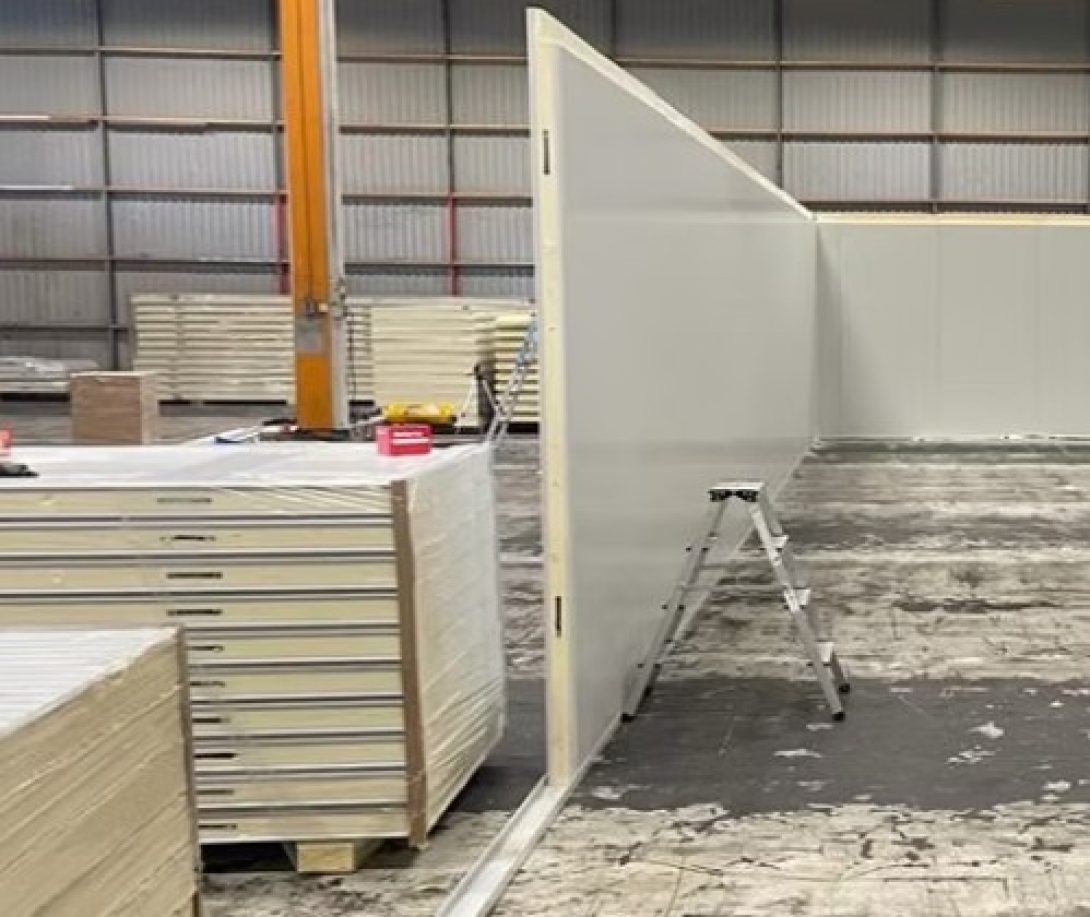
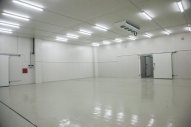
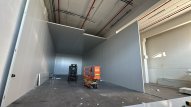
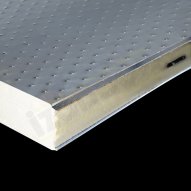
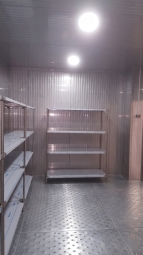
Cam locked cold room panels create an insulated enclosure by compressing adjacent panel joints into one continuous seal line. Reliable cold room sealing depends on full cam engagement, clean gasket contact, square corners, stable ceiling connections, controlled floor interfaces, properly detailed penetrations. In food plants, supermarkets, warehouses, commercial kitchens, correctly installed cam locked cold room panels reduce air leakage, condensation, frost, hygiene pressure.
Seal Path Mapping
Tight sealing starts by mapping every possible leakage path. Wall joints, corners, ceiling returns, floor junctions, door openings, service penetrations form one connected perimeter.
Mark each path on approved drawings before production. A room with strong wall joints could still leak through one unfinished transition.
Cam locked cold room panels perform best when panel joints belong to one continuous sealing strategy rather than isolated details.
Joint Compression
Cam locks pull panel edges together through controlled mechanical pressure. Correct compression supports gasket contact along complete joint height.
Inspect panel faces before locking. Remove dust, packaging fragments, damaged foam, excess sealant. Confirm gasket position plus edge alignment. Engage each cam point through one repeatable sequence.
Excess torque must not correct poor panel position. Release, realign, reconnect. Cam locked cold room panels create tighter joints when compression stays even from base to head.
Gasket Contact
Gaskets form a primary barrier inside panel connection. Folded profiles, damaged corners, interrupted sections create local air paths even when joint faces look aligned.
Inspect gasket continuity before panel placement. Check corners, cut sections, repaired edges, opening surrounds. Avoid stretching profiles during handling.
A stable gasket line helps cam locked cold room panels resist warm-air entry plus moisture movement.
Corner Continuity
Corners combine two wall directions inside one high-risk sealing zone. Inaccurate angles, stepped faces, incomplete compression create vertical leakage paths.
Check floor position, vertical line, inside angle before continuing wall runs. Use approved corner panels or designed corner details.
Cam locked cold room panels maintain seal continuity when each corner closes through full height without packing pieces, deep sealant pockets, exposed foam.
Ceiling Connection
Wall-to-ceiling junctions complete upper seal perimeter. Uneven wall heads, unsupported ceiling spans, uncontrolled service loads disturb joint pressure.
Confirm ceiling level, panel direction, hanger positions before closure. Keep evaporators, cable trays, pipework on independent supports unless engineering detail permits enclosure loading.
Cam locked cold room panels need stable upper geometry so ceiling contact remains consistent after thermal cycling.
Floor Interface
Lower wall edges face floor variation, cleaning water, trolley impact, damaged sealant. Small slab deviations create gaps beneath panel base.
Survey floor route before installation. Use approved base profiles, hygienic coves, sealed transitions. Keep drainage away from wall support.
Cam locked cold room panels cannot compensate for uneven foundations through lock pressure.
Opening Seals
Doors, frames, thresholds interrupt continuous wall lines. Opening support, panel cut dimensions, frame fixing, gasket contact need coordination.
Heavy door loads must not pull surrounding panels out of alignment. Verify frame position before final locking. Inspect head, jamb, threshold transitions after hardware installation.
Cam locked cold room panels support stable openings when door structure carries operating force without changing adjacent joint compression.
Penetration Control
Refrigeration pipes, drains, cables, sensors create direct paths through insulated shell.
Plan each penetration before panel production. Use compatible sleeves, collars, closed trims, insulation, sealant. Keep fixings accessible for inspection.
Unplanned drilling damages panel skins, insulation, hidden seal lines. Cam locked cold room panels retain airtight value when service routes cross through prepared details.
Seal Verification
Inspect sealing before trims hide joints. Check face alignment, cam engagement, gasket position, corners, ceiling returns, floor transitions, openings, penetrations.
The Freezewize Cooling System reviews panel geometry, joint compression, gasket continuity, corner sealing, ceiling contact, floor interfaces, penetration details before production.
One Continuous Barrier
A tightly sealed cold room behaves as one enclosure. Wall joints stay compressed. Corners remain continuous. Ceiling connections stay stable. Floor transitions stay closed. Openings plus penetrations preserve barrier integrity.
Properly specified cam locked cold room panels build tight seals by connecting every joint, transition, opening into one verified seal path rather than relying on panel insulation alone.Cam Lock Seal Continuity
Cam locked cold room panels create an insulated enclosure by compressing adjacent panel joints into one continuous seal line. Reliable cold room sealing depends on full cam engagement, clean gasket contact, square corners, stable ceiling connections, controlled floor interfaces, properly detailed penetrations. In food plants, supermarkets, warehouses, commercial kitchens, correctly installed cam locked cold room panels reduce air leakage, condensation, frost, hygiene pressure.
+ Seal Path Mapping
Tight sealing starts by mapping every possible leakage path. Wall joints, corners, ceiling returns, floor junctions, door openings, service penetrations form one connected perimeter.
Mark each path on approved drawings before production. A room with strong wall joints could still leak through one unfinished transition.
Cam locked cold room panels perform best when panel joints belong to one continuous sealing strategy rather than isolated details.
<< Joint Compression
Cam locks pull panel edges together through controlled mechanical pressure. Correct compression supports gasket contact along complete joint height.
Inspect panel faces before locking. Remove dust, packaging fragments, damaged foam, excess sealant. Confirm gasket position plus edge alignment. Engage each cam point through one repeatable sequence.
Excess torque must not correct poor panel position. Release, realign, reconnect. Cam locked cold room panels create tighter joints when compression stays even from base to head.
+ Gasket Contact
Gaskets form a primary barrier inside panel connection. Folded profiles, damaged corners, interrupted sections create local air paths even when joint faces look aligned.
Inspect gasket continuity before panel placement. Check corners, cut sections, repaired edges, opening surrounds. Avoid stretching profiles during handling.
A stable gasket line helps cam locked cold room panels resist warm-air entry plus moisture movement.
<< Corner Continuity
Corners combine two wall directions inside one high-risk sealing zone. Inaccurate angles, stepped faces, incomplete compression create vertical leakage paths.
Check floor position, vertical line, inside angle before continuing wall runs. Use approved corner panels or designed corner details.
Cam locked cold room panels maintain seal continuity when each corner closes through full height without packing pieces, deep sealant pockets, exposed foam.
Ceiling Connection
Wall-to-ceiling junctions complete upper seal perimeter. Uneven wall heads, unsupported ceiling spans, uncontrolled service loads disturb joint pressure.
Confirm ceiling level, panel direction, hanger positions before closure. Keep evaporators, cable trays, pipework on independent supports unless engineering detail permits enclosure loading.
Cam locked cold room panels need stable upper geometry so ceiling contact remains consistent after thermal cycling.
Floor Interface
Lower wall edges face floor variation, cleaning water, trolley impact, damaged sealant. Small slab deviations create gaps beneath panel base.
Survey floor route before installation. Use approved base profiles, hygienic coves, sealed transitions. Keep drainage away from wall support.
Cam locked cold room panels cannot compensate for uneven foundations through lock pressure.
Opening Seals
Doors, frames, thresholds interrupt continuous wall lines. Opening support, panel cut dimensions, frame fixing, gasket contact need coordination.
Heavy door loads must not pull surrounding panels out of alignment. Verify frame position before final locking. Inspect head, jamb, threshold transitions after hardware installation.
Cam locked cold room panels support stable openings when door structure carries operating force without changing adjacent joint compression.
Penetration Control
Refrigeration pipes, drains, cables, sensors create direct paths through insulated shell.
Plan each penetration before panel production. Use compatible sleeves, collars, closed trims, insulation, sealant. Keep fixings accessible for inspection.
Unplanned drilling damages panel skins, insulation, hidden seal lines. Cam locked cold room panels retain airtight value when service routes cross through prepared details.
Seal Verification
Inspect sealing before trims hide joints. Check face alignment, cam engagement, gasket position, corners, ceiling returns, floor transitions, openings, penetrations.
The Freezewize Cooling System reviews panel geometry, joint compression, gasket continuity, corner sealing, ceiling contact, floor interfaces, penetration details before production.
One Continuous Barrier
A tightly sealed cold room behaves as one enclosure. Wall joints stay compressed. Corners remain continuous. Ceiling connections stay stable. Floor transitions stay closed. Openings plus penetrations preserve barrier integrity.
Properly specified cam locked cold room panels build tight seals by connecting every joint, transition, opening into one verified seal path rather than relying on panel insulation alone.