




Freezewize | Industrial Cooling Systems & Custom Cold Room Solutions

Cleaner Foot Traffic Starts Below

Cleaner Foot Traffic Starts Below | Stainless Steel Floor Panel Performance

Reduce wear, simplify cleaning, and support hygienic traffic flow with stainless steel floor panels built for wet, high-use commercial environments.

Cleaner Foot Traffic Starts Below

In wet work zones, cold rooms, and hygienic back-of-house areas, cleaner foot traffic does not start with signage or cleaning schedules. It starts with the floor. Stainless steel floor panels help control the wear, moisture exposure, and sanitation pressure that standard floor surfaces often struggle to manage under daily use.

That matters because traffic is not just movement. It brings water, debris, cart wheels, rushed staff movement, and repeated cleaning stress into the same space. When the floor is easier to clean, more durable under use, and better suited to the environment, the entire area runs cleaner and feels more controlled.

Traffic Problems Usually Begin at Surface Level

Many facilities focus primarily on equipment, wall panels, doors, or cooling performance. While these are important decisions, daily traffic leaves its mark on the floor much faster than many teams expect.

In real-world operations, the floor absorbs everything at once. Staff walk through wet entryways. Carts carry moisture from one area to another. Pallet jacks and wheeled racks follow the same routes every day. Cleaning crews work around drains, corners, thresholds, and transition points. Over time, the floor either becomes a support system for cleaner movement or a constant source of friction.

This is particularly true in the following types of areas: 

  • Cold rooms and refrigerated rooms.
  • Food preparation and processing support areas.
  • Supermarket backrooms.
  • Commercial kitchens.
  • Warehouse preparation areas where wet cleaning routines are performed.
  • Refrigerated work areas accessed repeatedly every day.

In these environments, cleaner foot traffic is not merely a cleaning goal. It also impacts the appearance of hygiene, workforce efficiency, maintenance burden, and how well the area maintains its standards over time.

When the Wrong Floor Ruins the Room

A floor may be technically functional yet still be the wrong choice.

This situation typically becomes apparent when surface wear appears too early, cleaning requires more effort than necessary, or the area does not look as clean as the rest of the facility. In wet or hygiene-sensitive areas, such inadequacy extends beyond appearance. It affects movement, safety, and maintenance.

Common signs of incompatibility include: 

  • Visible wear in walkways and high-traffic areas.
  • Greater difficulty in cleaning after washing or heavy use.
  • Surface fatigue around entrances and workstations.
  • Requiring more frequent maintenance.
  • Back areas appearing older than they should.
  • Growing concern about long-term replacement timing.

For this reason, buyers who focus solely on initial installation costs often reconsider their decisions later. The issue isn’t whether the flooring works on paper. The issue is whether it continues to support smoother movement under real-world operational pressure.

The Real Risk Behind Poor Floor Selection

The biggest risk isn’t a sudden failure. It’s gradual operational decline.

When the floor fails to meet the room’s traffic and cleaning demands, the result is typically a series of small losses: more labor for cleaning, more noticeable wear, more complaints about the surface, and pressure for repairs or replacement sooner than expected. In regulated or hygiene-conscious businesses, a worn-out floor can also undermine the overall perception of control and compliance.

This is important in the U.S. market because many operators are trying to balance labor constraints, food safety expectations, maintenance budgets, and presentation standards all at once. A floor that makes managing daily operations difficult can quietly increase costs long before an official failure occurs.

The wrong choice can lead to: 

  • It can slow down daily cleaning and reorganization routines.
  • It can increase the maintenance burden in high-traffic areas.
  • Weakening visible hygiene standards.
  • Creating friction in workflow on wet traffic routes.
  • Making the space feel inadequately equipped.
  • Accelerating replacement decisions.

A product may withstand the environment but still be operationally unsuitable. This distinction is important.

A Comparison That Clarifies the Purchase Decision

The most useful comparison is not, theoretically, between stainless steel and everything else. It is a comparison between stainless steel and lighter-duty flooring in an area where both traffic cleaning and durability are important.

Decision FactorStainless Steel Floor PanelsStandard or Lighter-Duty Flooring
Wet foot trafficStronger fit for repeated wet movementMore vulnerable to long-term wear in active wet zones
Cleaning routinesEasier to keep aligned with demanding sanitation routinesCan become harder to maintain consistently over time
Traffic durabilityBetter suited for repeated foot traffic and rolling equipmentOften shows wear sooner in concentrated paths
Hygiene presentationSupports a cleaner, more controlled visual standardMay look tired faster in back-of-house operations
Maintenance pressureLower long-term disruption when specified correctlyMore likely to require touch-ups or earlier replacement
Cold room suitabilityStrong fit where traffic, hygiene, and durability overlapMay suit lighter-use areas better

This does not mean every facility needs stainless steel flooring. It means that some environments create too much stress for lighter-duty surfaces to remain effective in the long term.

Why Do Stainless Steel Floor Panels Improve Traffic Cleanliness?

Cleaner traffic starts from the bottom up because surface performance determines what the room can realistically maintain.

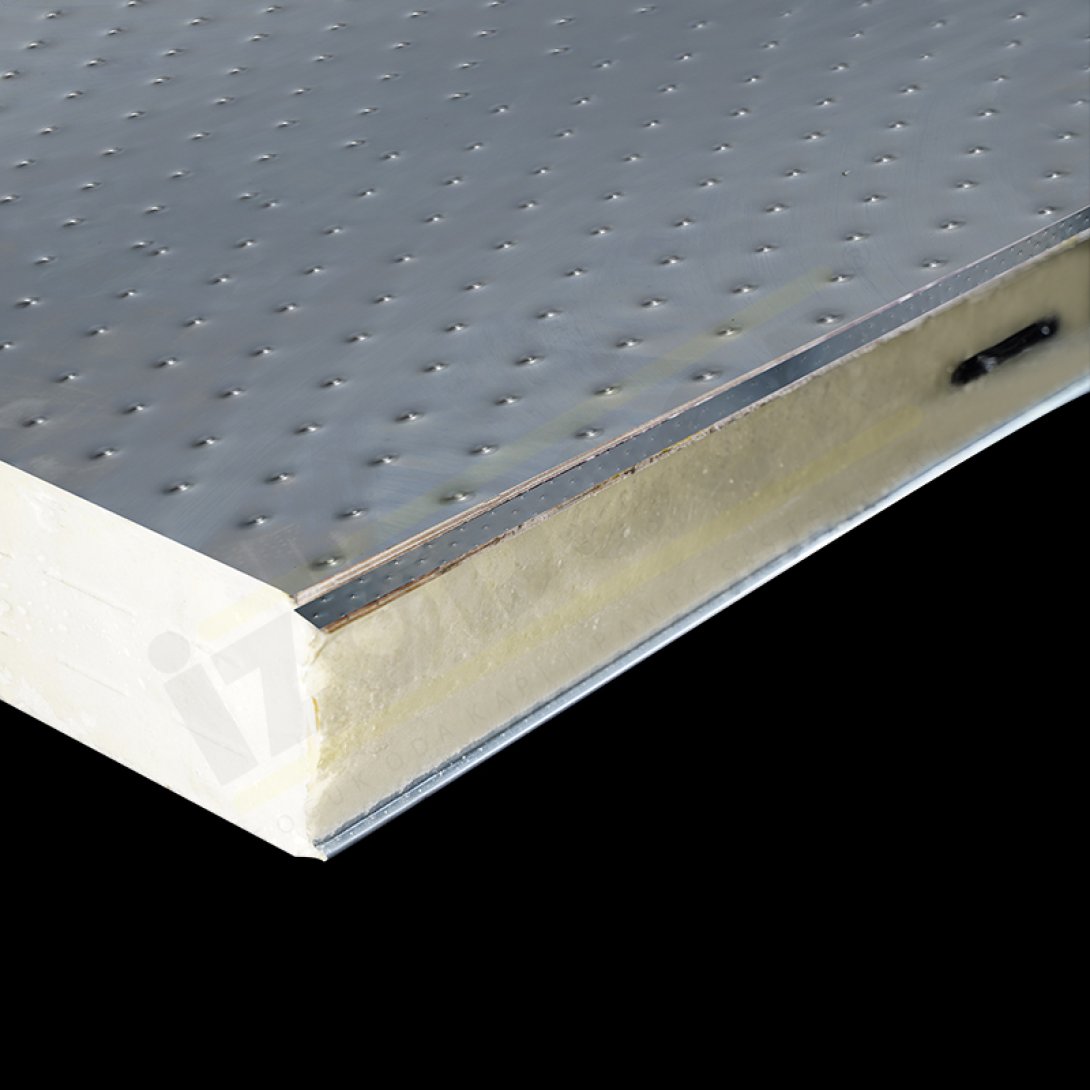
Stainless steel floor panels help by providing a more durable, washable, and manageable foundation for the traffic path. They support the routines facilities already follow: cleaning between shifts, managing wet traffic, maintaining hygiene standards, and preventing high-traffic areas from wearing out prematurely.

This becomes even more valuable when traffic is mixed. In many operations, the same area manages foot traffic, vehicles, racks, and periodic pallet jack movements. The floor is expected to handle people, equipment, moisture, and cleaning activities without becoming a weak point. Stainless steel is often preferred because it is better suited to this overlap.

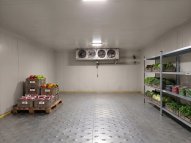
In cold room and refrigerated room applications, the floor’s role becomes even more critical. It works in conjunction with doors, thresholds, insulated panels, gaskets, and access flow. If floor maintenance becomes difficult or the floor deteriorates too quickly, the room loses part of its operational integrity. If the floor holds up, the entire environment operates more consistently.

This is where the Freezewize Cooling System typically offers a more practical perspective. The floor panel is not considered an independent metal component. It is evaluated as part of the facility’s daily traffic, hygiene, and room performance system—aspects the facility must manage every day.

Best Use Cases

Stainless steel floor panels are particularly valuable in situations where a cleaner traffic flow depends on both durability and hygiene.

Typical use cases include: 

  • Frequently washed service corridors.
  • Food production access routes.
  • Entrances to refrigeration and freezer rooms.
  • Supermarket preparation and processing areas.
  • Commercial kitchen circulation areas.
  • Transition areas between refrigerated and non-refrigerated zones.
  • Work areas where staff traffic intersects with cart movement.

In these applications, the goal is not merely to install a harder surface. It is to reduce the friction caused by dirt, moisture, and frequent movement.

Quick Decision Guide

If an area meets most of the following conditions, a stainless steel floor panel is generally a better choice:

  • Frequent wet foot traffic.
  • Regular cleaning or washing routines.
  • Visible hygiene expectations.
  • Repeated handcart or shelf movement.
  • Low tolerance for maintenance downtime.
  • Integration with a cold room or refrigerated room.
  • A focus on long-term ownership costs rather than just the lowest initial cost.

In a less-used, drier, and less visible area, a lighter-duty flooring type may still suffice. However, if the area is active, wet, hygiene-sensitive, and expected to look pristine even under pressure, stainless steel is generally a more reliable choice.

If the facility wants to ensure a cleaner traffic flow continues in real-world conditions, the flooring must be selected based on the actual traffic it will carry.

Related Solutions

Projects focused on cleaner traffic flow are naturally linked to solutions such as the following: 

  • Hygienic cold room doors.
  • Insulated wall and ceiling panels.
  • Threshold details for vehicles and pallet jacks.
  • Seamless panel joining systems.
  • Kick plates and lower wall protection.
  • View panels for controlled movement between zones.
  • Equipment protection in high-traffic areas with frequent contact.

Since traffic cleanliness isn’t achieved solely through the floor, these related improvements are important. This cleanliness is reinforced by how the room manages traffic, humidity, and cleaning access.

FAQ

Are stainless steel floor panels primarily used for food facilities?

No. While these panels are common in food-related environments, they make sense in any commercial or industrial area where wet traffic, hygiene demands, and durability are all critical.

Do stainless steel floor panels help in cold room entrances?

Yes. Cold room entrances typically concentrate moisture, foot traffic, and repeated cleaning in a single area. This makes floor durability and cleanability more important than many buyers initially realize.

What does the phrase “Cleaner foot traffic starts from the floor” actually mean?

This means that foot traffic cleanliness is influenced by the floor surface itself. If the floor is easier to clean, more durable under wet conditions, and better suited to the room, maintaining consistent cleanliness becomes easier.

Are stainless steel floor panels worth the extra upfront cost?

In demanding environments, generally yes. Compared to lighter-duty options, they can reduce issues related to constant wear, support a higher hygiene standard, and minimize long-term disruptions.

What is the most common technical specification mistake?

A common mistake is underestimating how much daily traffic, moisture, and cleaning pressure the floor will actually face. This often leads to a solution that works initially but causes problems later on.

When should a facility switch to stainless steel flooring?

Generally when the existing floor shows signs of premature wear, becomes difficult to maintain, compromises the room’s hygienic appearance, or no longer meets the space’s traffic load.

Conclusion

A cleaner traffic area doesn’t start with reminders on the walls. Cleanliness begins with a floor that can support the facility’s actual flow of movement.

In situations where wet traffic, hygiene expectations, and daily use converge in the same space, stainless steel floor panels are often a choice that makes the area cleaner, more durable, and easier to manage over time.

If you’re reviewing a new facility layout, a cold room project, or a floor renovation plan, it’s worth evaluating the traffic flow from start to finish to ensure the finished space performs as cleanly as it looks.

Fill the Form!

Write your needs and fill the form to contact us.

Freezewize | Industrial Cooling Systems & Custom Cold Room Solutions
Merhaba, Size yardımcı olabilir miyiz ?
Whatsapp Destek