




Freezewize | Industrial Cooling Systems & Custom Cold Room Solutions

Cold Room Floors Built for Abuse

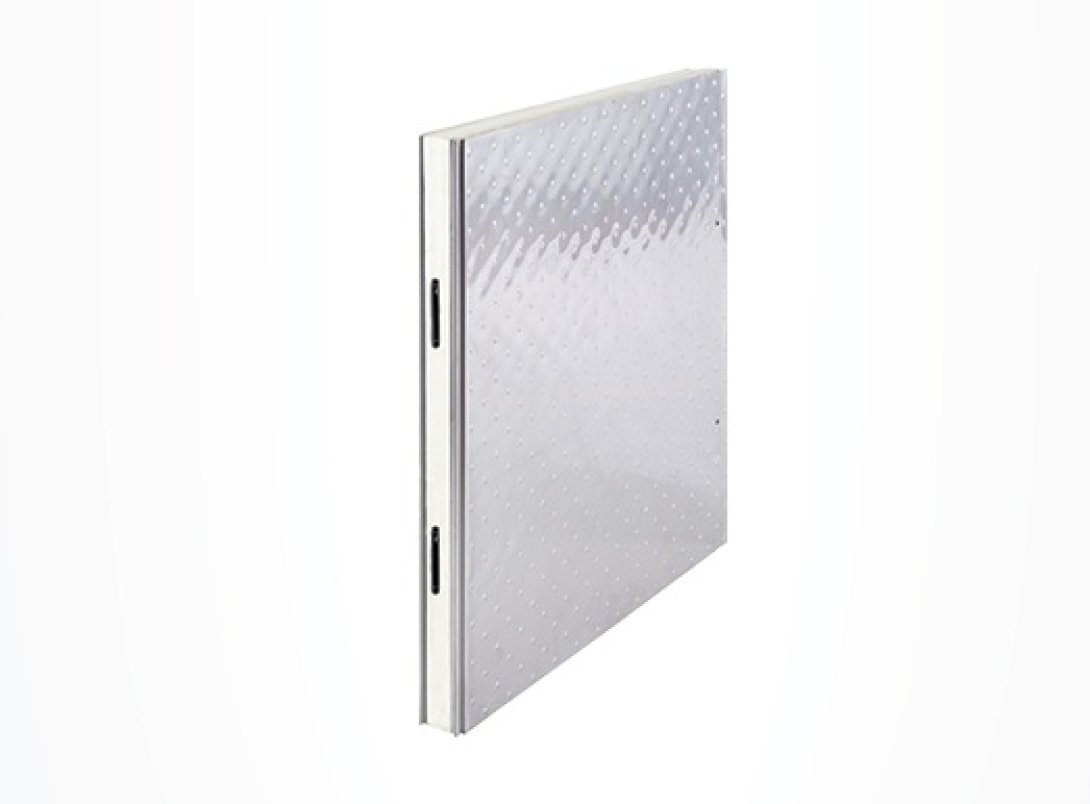
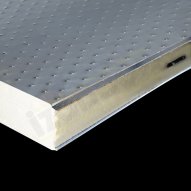
Heavy-Duty Cold Storage Floor Solutions | Stainless Steel Floor Panels
Choose stainless steel floor panels for cold rooms exposed to pallet traffic, washing, and impacts. Designed to reduce wear, downtime, and long-term maintenance costs.

Heavy-Duty Cold Room Flooring

Cold room floors are subjected to more stress than many technical specifications allow. When a cold room must withstand pallet jacks, carts, falling products, wet traffic, repeated washdowns, and daily operational stresses—and not be the first surface to fail—stainless steel floor panels are the right choice.

This is important because a cold room floor is not merely a surface for people to walk on. It affects traffic flow, hygiene, maintenance access, the room’s appearance, and the long-term reliability of the entire refrigerated area. When the floor is inadequately constructed, the room begins to sustain preventable damage starting from the ground up.

The Problem Starts Where Daily Wear and Tear First Takes Its Toll

In many facilities, cold room performance is evaluated based on panels, cooling equipment, and door operation. These are important. However, in a high-traffic facility, the floor typically bears the harshest load in the room.

The floor withstands wheeled traffic all day long. It absorbs the impact of carts and racks. It is exposed to collisions from pallet jacks at thresholds and turning points. It faces constant moisture, frequent cleaning, dragged loads, hurried staff movements, and repeated contact along the same few lanes. In some facilities, the floor is also expected to maintain visible hygiene standards in areas that should not appear worn after a short period of use.

This creates a very specific problem. Even if a floor is technically installed correctly, it may still not be suitable for the room’s actual operations.

This is where many buyers feel the gap between purchasing logic and operational reality. On paper, the floor may seem adequate. In practice, however, the room begins to show wear in areas where heavy use is concentrated: 

  • Entry points and thresholds
  • Pallet jack routes
  • Shelf and hand truck turning areas
  • Work areas subject to frequent cleaning
  • Corners near doorways
  • Transition areas between cold and non-cold zones

Under these conditions, the floor is not merely a background covering. It is a high-traffic work surface that affects durability, cleanability, workflow, and maintenance frequency every day.

Why Does Floor Wear Lead to Larger Problems in Facilities?

When a cold room floor begins to wear prematurely, the problem rarely remains localized.

The first sign may be visible wear and tear. The second is usually operational difficulties. Cleaning requires more effort. It becomes harder to ignore damage around traffic routes. The room begins to look older than the rest of the facility. Teams start adjusting their movements based on weak spots. In more demanding environments, there are also concerns regarding hygiene standards and long-term renovation scheduling.

For this reason, excessive use of the floor is more significant than it appears. It creates accumulated pressure across many aspects of operations: 

  • Greater maintenance requirements in the highest-traffic areas.
  • Increased risk of downtime due to repairs.
  • Growing mismatch between the room’s appearance and facility standards.
  • More demanding cleaning routines in operations that are already labor-sensitive.
  • Earlier-than-expected renovation planning.
  • A persistent feeling that the room has been inadequately equipped from the start.

This is critical in commercial and industrial settings in the U.S., where labor efficiency, uptime, cleaning consistency, and total cost of ownership are already under pressure. A floor that fails prematurely doesn’t just lead to repair costs—it also causes problems in the room’s daily use.

Not All Durable Floors Are Durable Enough

Some flooring performs acceptably in less-used refrigerated areas. However, this does not mean they are suitable for cold rooms exposed to heavy traffic and repeated impacts.

This is the biggest mistake made when purchasing: confusing basic usability with long-term suitability.

A floor may withstand light traffic and occasional cleaning. However, the same floor can become a weak point in a room where the following conditions exist:

  • Constant movement of pallets and hand trucks.
  • Heavy foot traffic.
  • Wet boots and moisture that leaves marks.
  • Repeated loading and unloading activities.
  • More aggressive cleaning routines.
  • Daily contact at doors, fixtures, and entry points.

The issue isn’t whether the floor will hold up for a while. The issue is whether it can keep functioning without becoming a maintenance burden.

Stainless Steel Floor Panels and Lighter-Duty Floor Solutions

For cold rooms built to withstand heavy use, the most useful comparison is not just the ease of initial installation, but durability under actual operational loads.

Decision FactorStainless Steel Floor PanelsLighter-Duty Floor Solutions
Pallet jack and hand truck trafficMore suitable for repeated heavy-duty wheeled trafficHigher likelihood of wear in high-traffic lanes
Impact resistance in active areasBetter suited for demanding daily contactHigher likelihood of premature wear under heavy-duty conditions
Exposure to washing and moistureMore durable for repeated wet cleaningMaintenance may become more difficult over time
Hygienic appearanceProvides a cleaner and more controlled room appearanceMay appear worn more quickly in visible kitchen back areas
Maintenance burdenWhen properly specified, the need for repairs decreases over the long termHigher need for patching, touch-ups, or early replacement
Suitability for cold roomsMore suitable for rooms with heavy traffic and rough useMore suitable for lighter usage conditions

The goal here is not to over-engineer every project. The goal is to make the floor suitable for the actual abuse it will be subjected to. In an active cold room, the floor’s inadequacy is usually felt long before official measurements indicate it.

Why Are Stainless Steel Floor Panels More Durable in Cold Rooms Subject to Extreme Use?

The value of stainless steel floor panels lies in the fact that, despite being subjected to repeated harsh conditions, they do not quickly deteriorate into a problematic surface.

These panels are better suited for environments where the floor is simultaneously exposed to impact, moisture, foot traffic, and cleaning pressure. This is particularly important in cold rooms, as poor conditions rarely occur in isolation. A floor may be subjected to both mechanical and chemical stress within the same day while supporting hygiene and temperature-controlled processes.

A more durable floor panel does more than just increase wear resistance. It supports the room in four practical ways.

First, it protects the traffic route. When pallet jacks, carts, and racks move along the same paths every day, the floor must maintain its reliability under heavy loads and repeated contact.

Second, it maintains cleanability. In refrigerated environments, cleaning is not a separate issue but an integral part of performance. A floor that becomes difficult to clean increases costs and disrupts order in the room.

Third, it supports a more durable facility standard. In visible production support areas, back-of-house areas, and high-traffic cold storage rooms, the floor should not be a surface that makes the room look worn out at first glance.

Fourth, it improves the long-term ownership model. A floor resistant to heavy use reduces the cycle of patch repairs, visual deterioration, and premature replacement often caused by lighter-duty solutions.

This is where technical specifications must be practical. The Freezewize Cooling System generally treats the floor panel as part of a cold room system that includes door traffic, thresholds, insulated panels, gaskets, equipment protection, and cleaning access. This broad perspective is important because the cold room floor does not fail on its own. The floor fails in relation to how the room is actually used.

Where Wear-Resistant Floors Make the Most Sense

Abrasion-resistant cold room floors are best suited for facilities where traffic is both heavy and relentless.

Typical application areas include:

  • Food processing cold rooms.
  • Supermarket backroom refrigeration areas.
  • Warehouse cold storage areas.
  • Distribution rooms where palletized goods are handled.
  • Commercial kitchen cold storage areas.
  • Preparation and holding rooms associated with washing routines.
  • Processing support areas with vehicles, shelves, and frequent entry and exit activities.

These are not quiet rooms. These are operational rooms. The flooring must accommodate movement, impact, moisture, and cleaning without disrupting workflow.

Quick Decision Guide

If most of the following conditions are present in a cold room, a stainless steel floor panel is generally a more durable choice:

  • Regular pallet jack or heavy hand truck traffic.
  • Repeated washing or wet cleaning routines.
  • High-traffic entry points and threshold wear.
  • High hygiene expectations.
  • Low tolerance for downtime and repair interruptions.
  • Long-term ownership planning rather than focusing solely on the lowest initial cost.

A lighter-duty flooring approach may still make sense for cold rooms where movement is limited, usage patterns are gentler, and exposure to impact and traffic is lower. However, if the room is active, wet, and under constant physical stress, a more durable flooring specification is generally the safer choice.

If the cold room is built to withstand heavy daily use, the floor should be designed as a functional component rather than merely a top-coat material.

Related Solutions

Projects requiring wear-resistant cold room floors typically benefit from the following related solutions:

  • Cold room doors designed to withstand repeated traffic.
  • Reinforced threshold details for the passage of pallet jacks.
  • Insulated wall and ceiling panels.
  • Door frame and hardware protection.
  • Seamless panel joints to facilitate cleaning.
  • Kick plates and lower wall protectors in high-impact areas.
  • Review panels and access planning to reduce traffic conflicts.

Since floor durability is typically reinforced by surrounding room details, these present natural opportunities for internal integration. In high-traffic environments, the room performs best when the floor, door system, panel layout, and protective elements are specified together.

FAQ

Are stainless steel floor panels required in every cold room?

No. They are most valuable in cold rooms with heavy traffic, exposure to repeated impacts, wet cleaning routines, or high hygiene and durability requirements. The same floor structure may not be necessary for less heavily used rooms.

Do stainless steel floor panels better withstand pallet jack traffic?

Yes. They are generally a more suitable option for cold rooms where pallet jacks, carts, and wheeled loads create daily wear on the same traffic lanes and thresholds.

What exactly does the term "designed for heavy-duty use" mean in cold storage rooms?

This means the floor is selected not just for basic use, but to withstand repeated impacts, wheeled traffic, exposure to moisture, and cleaning pressures. The goal is long-term suitability under demanding daily use conditions.

Can a weaker floor still be functional in the short term?

Yes, but short-term usability is not the same as long-term suitability. Many weaker floors remain functional for a while, but they create maintenance burdens, visual wear, and pressure to replace them much sooner than expected.

What typically causes floor damage in cold rooms?

The most common stress points are thresholds, turning areas, loading lanes, areas with repeated wheeled traffic, and areas exposed to wet cleaning or residual moisture.

When should you switch to stainless steel floor panels?

Generally, when the existing floor shows signs of repeated wear, increased cleaning difficulty, traffic-related damage, or a noticeable mismatch between the room’s usage and the floor’s original properties.

Conclusion

Excessive use of cold rooms is foreseeable, even if floor damage does not appear immediately.

When a cold room is exposed to heavy traffic, repeated impacts, moisture, and constant daily use, stainless steel floor panels are generally the best choice for maintaining optimal performance over the long term.

If you are planning a new cold room construction or replacing an existing problematic floor, it is advisable to assess the room’s actual usage to ensure that the next specification aligns with the space’s real-world operations.

Fill the Form!

Write your needs and fill the form to contact us.

Freezewize | Industrial Cooling Systems & Custom Cold Room Solutions
Merhaba, Size yardımcı olabilir miyiz ?
Whatsapp Destek