




Stainless Steel Floor Panels That Hold Up
Stainless Steel Floor Panels That Hold Up | Long-Term Performance for Facilities
Choose stainless steel floor panels resistant to washing, traffic, and daily wear to reduce maintenance burdens and maintain the facility’s hygiene standards.
Stainless Steel Floor Panels That Withstand the Real Demands of a Facility
When a facility’s floor begins to wear out prematurely, the issue is rarely just an aesthetic one. It typically manifests first as cleaning difficulties, traffic-related damage, edge fatigue, or a growing sense that the area no longer meets the standards the business is striving to uphold. Stainless steel floor panels are used not just to ensure the floor looks acceptable on installation day, but to withstand real-world wear and tear.
In food facilities, cold rooms, prep areas, kitchen back-of-house areas, and wet processing environments, the right floor panel supports more than just surface durability. It maintains workflow, helps meet hygiene expectations, and reduces the maintenance burden created over time by poor floor choices.
Problems Start After Installation
Most flooring decisions seem reasonable at the purchasing stage. The real test begins when the space goes into service.
That’s when vehicles start using the same path all day long. That’s when washdowns become routine rather than occasional. That’s when employees move quickly, equipment bumps into transition points, and traffic concentrates around entrances, workstations, drains, and loading areas. A floor panel that seemed adequate on the technical specifications sheet may begin to fall short once daily operations begin.
This is particularly true in facilities where the floor is subjected to both mechanical stress and cleaning stress simultaneously. In these environments, the issue isn’t whether the floor is present. The issue is whether the floor can maintain its performance without causing friction.
Common pressure points include:
- Repeated movements of hand trucks, racks, and pallet jacks.
- Regular washing and wet cleaning routines.
- Visible wear in high-traffic areas.
- Hygiene requirements in food or cold storage facilities.
- Sensitivity to downtime when repairs are needed.
- Concerns about long-term ownership costs.
A non-durable floor may technically remain usable for some time. However, operators usually sense this incompatibility long before a complete failure occurs. Cleaning requires more effort. The area looks worn out faster. Maintenance frequency increases. The facility begins to manage around the floor rather than relying on it.
The True Cost of Poor Floor Performance
The wrong flooring panel doesn’t always fail dramatically. More often than not, it causes constant minor operational losses.
Wear and tear becomes evident in high-traffic areas. Since damaged or worn surfaces cannot maintain the same standard, cleaning becomes less predictable. Transitions and edges start to stand out. In visible back areas, the room begins to look less controlled. In more demanding applications, premature wear may require patching, spot replacement, or constant monitoring.
This creates several types of costs simultaneously.
First, there is the labor cost of working on a surface that is harder to maintain consistently. Second, there is the maintenance cost of addressing preventable wear. Third, there is the issue of facility standards: a floor that ages poorly diminishes the quality of an otherwise well-constructed space. Fourth is the timing of replacement. A panel intended to support long-term use may necessitate decisions much sooner than expected.
For this reason, floor selection should not be viewed as a trivial choice of flooring. In spaces with demanding conditions, the floor is an integral part of the facility’s operational system.
Where Durability Really Matters
Some areas wear down weak flooring systems faster than others. Stainless steel floor panels are the most sensible choice when durability must be combined with hygiene, repetitive motion, and visible facility standards.
The most suitable applications typically include:
- Wash areas.
- Food processing support areas.
- Back-of-house areas in commercial kitchens.
- Cold rooms and refrigerated work areas.
- Supermarket preparation and storage areas.
- Warehouse support areas with wet cleaning routines.
- Distribution areas with heavy wheeled traffic.
- Sanitary corridors and service access areas.
In these environments, "durability" means more than just resistance to damage. It means remaining cleanable, functional, and reliable under daily operational stress.
A Comparison That Clarifies the Decision
Not every project requires the same flooring solution. Some areas may perform well with lighter-duty flooring. Others may not.
The right comparison isn’t between luxury and economy. It’s whether the flooring panel is suitable for the actual environment.
| Decision Factor | Stainless Steel Floor Panels | Lighter-Duty Flooring Solutions |
|---|---|---|
| Exposure to washing | Very suitable for frequent wet cleaning | Generally more suitable for less aggressive cleaning environments |
| Wheeled traffic | More suitable for repeated hand truck and pallet movements | Higher likelihood of wear on high-traffic pathways |
| Hygienic appearance | Provides a cleaner and more controlled appearance | May wear out more quickly in demanding applications |
| Maintenance burden | When properly specified, it creates less long-term burden | May require more repairs or earlier touch-ups |
| Cold room suitability | A strong choice where hygiene and durability are combined | May only be suitable for areas that are used less frequently or exposed to less wear |
| Ownership logic | Higher reliability in the long term | Lower initial cost, but potentially more issues over the lifespan |
This does not mean every facility should automatically opt for stainless steel. It means the decision must reflect how the area is actually used. When the floor is exposed to daily traffic, repeated cleaning, and high presentation standards, lighter-duty solutions typically cease to be economical once actual use begins.
Why Are Stainless Steel Floor Panels More Durable?
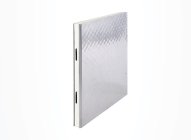
The value of stainless steel floor panels stems from their suitability for demanding and repetitive use environments. These panels are preferred when a facility needs a floor that performs under contact, cleaning, and constant daily use without deteriorating to a state requiring immediate maintenance.
This durability manifests in various practical ways.
They withstand harsh cleaning conditions better in areas where wet cleaning is routine. They provide a more consistent and long-lasting appearance in high-traffic areas. They adapt better to repeated wheeled traffic and more demanding physical use. They also give facility teams greater confidence that the floor will continue to meet room standards rather than becoming the first surface to show signs of wear.
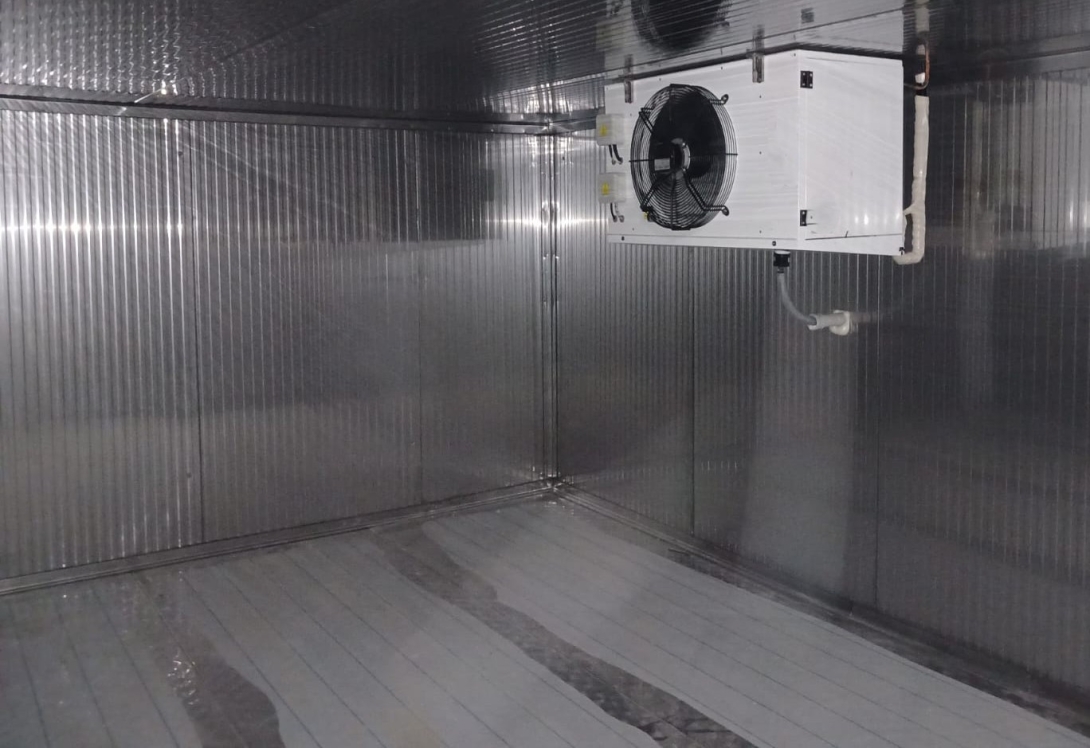
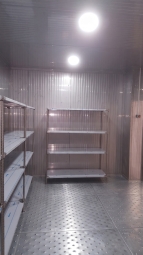
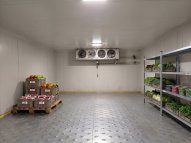
This aspect becomes even more critical in cold rooms and adjacent work areas. Floors in these areas are typically in constant interaction with thresholds, doors, panel systems, gaskets, and traffic flow. If the floor is weak, the room feels weaker as well. If the floor is sturdy, the entire environment conveys a more refined and durable impression.
This is where experience makes the difference. The Freezewize Cooling System evaluates the floor panel not merely as an isolated component, but as part of a broader decision regarding room performance. In demanding environments, this system approach helps prevent specification gaps that may only become apparent after the facility becomes operational.
Factors to Consider Before Purchasing
Selecting the right stainless steel floor panel begins not with catalog descriptions, but with operational realities.
Before selecting a panel, buyers should consider the following:
- The type and frequency of foot traffic.
- Whether cleaning is occasional or routine.
- The level of hygiene and regulatory scrutiny in the facility.
- How visible the area is to staff, inspectors, or internal stakeholders.
- Is the floor connected to cold room doors, insulated panels, or threshold details?
- How much maintenance tolerance the operation actually has.
A floor that is suitable for one facility—given its traffic patterns, cleaning workload, or surrounding structure—may be the wrong choice for another. A good specification is not about choosing the material that sounds the most robust. It is about matching the floor to the actual operational load.
Quick Decision Guide
Select stainless steel floor panels if the area meets most of the following conditions:
- Frequent washing.
- Repeated hand truck, shelf, or pallet jack traffic.
- High hygiene expectations.
- Low tolerance for downtime due to repairs.
- Integration with cold storage or refrigerated rooms.
- A focus on long-term ownership rather than short-term costs.
If the area has limited traffic, low exposure to moisture, and less demanding hygiene routines, a lighter flooring option may still be suitable. However, if the floor must remain structurally reliable and visually controlled under daily stress, stainless steel is generally a safer long-term choice.
If the area is cleaned intensively, used heavily, and is expected to maintain a professional appearance at all times, the flooring panel should be selected not only based on initial installation cost but also on durability.
Related Solutions
Projects requiring durable stainless steel floor panels typically benefit from related system solutions such as:
- Cold room wall and ceiling panels.
- Sanitary cold room doors.
- Insulated floor transitions and threshold details.
- Impact-resistant equipment protection.
- Leak-proof panel joining solutions.
- Kick plates and lower wall protection for high-traffic areas.
- Review panel and access point elevations for controlled movement.
Since floor performance is rarely a standalone consideration, these related elements are important. Durability in the most demanding environments depends on how the room functions as a whole.
FAQ
Are stainless steel floor panels used only in food facilities?
No. While they are commonly used in food-related operations, they are also a logical choice for any commercial or industrial setting where washing, traffic, hygiene demands, or long-term durability are significant concerns.
Do stainless steel floor panels perform well in cold rooms?
Yes. They are particularly useful in cold room floors where hygiene, repeated foot traffic, and reliable long-term performance must be supported, yet the floor must not become a weak point in terms of maintenance.
What makes a floor panel “durable” in real-world use?
It must maintain structural integrity, cleanability, and surface integrity under the facility’s actual conditions. This typically includes traffic load, exposure to moisture, cleaning routines, and how frequently the area is used.
Are stainless steel floor panels worth the higher initial investment cost?
In demanding environments, usually yes. In situations where lighter flooring would wear out quickly, they can reduce repair frequency, maintain facility standards, and increase long-term ownership value.
What is the biggest mistake made when purchasing floor panels?
The most common mistake is making a selection based solely on the initial price without fully considering traffic volume, cleaning frequency, and maintenance tolerance. This is where short-term savings often turn into long-term problems.
When should a facility switch to stainless steel floor panels?
Generally, when the existing floor shows repeated wear, difficulty in cleaning, visible deterioration, or a mismatch between the area’s daily demands and the floor’s actual durability.
Conclusion
A durable floor panel is not a luxury choice. It is a practical choice that safeguards hygiene, workflow, and the facility’s long-term performance.
If the work environment is exposed to harsh conditions every day, stainless steel floor panels are often the preferred choice to ensure the space functions as it should.
If you are planning a new building or considering a renovation, it is beneficial to evaluate the floor as an integral part of the room and traffic system to ensure the final specifications support the facility’s actual operations.