




Freezewize | Industrial Cooling Systems & Custom Cold Room Solutions

Stainless Steel Floors for Washdown Zones

Stainless Steel Flooring for Wash Areas | Hygienic and Durable Facility Performance

Enhance hygiene, cleaning efficiency, and floor durability with stainless steel floors designed for washing areas in cold rooms, food processing facilities, and kitchen back-of-house areas.

Durable Stainless Steel Flooring for Wash Zones

In washing areas, the floor is not just a background surface. It is one of the first places where hygiene demands, traffic stress, water exposure, and daily cleaning routines come into play. Stainless steel floors are used when standard floor coverings create cleaning challenges, show premature wear, or give the impression that the area requires more maintenance than necessary.

The right floor selection for cold rooms, processing areas, preparation areas, and wet back-of-house areas does more than just support hygiene. It maintains workflow, reduces maintenance burdens, and helps the room remain cleaner and more durable under the actual demands of daily operations.

Daily Stress Starts with the Floor

Many facilities do not notice flooring-related issues during installation. They only realize these issues months later, once the area has already been put into use and the flooring begins to be subjected to more operational stress than expected.

In washing areas, this stress is constant. Exposure to water is a routine occurrence. Cleaning chemicals are part of the daily environment. Staff move carts, shelves, boxes, and pallet jacks in this area. In food operations, there is also regulatory pressure. In cold storage and refrigerated rooms, there is an additional requirement: The floor must not become a weak point in an area that must be controlled, hygienic, and professionally constructed.

For this reason, floor selection in wet environments is rarely limited to just the surface material. This choice affects:

  • Cleaning speed and the consistency of the workforce.
  • Slip resistance and safe movement.
  • Long-term visual condition.
  • Edge and joint durability.
  • Hygiene assurance.
  • Replacement time and ownership cost.

A floor may still be technically usable even if it causes daily wear and tear. This is typically the moment when operators realize that their initial choice was good enough for installation, but not good enough for the actual operation of the space.

Points Where Standard Floors Fail

Washdown areas quickly reveal weaknesses. Surfaces that appear acceptable in lighter-use applications often begin to wear when aggressively cleaned, repeatedly exposed to moisture, or subjected to daily impacts from moving equipment.

The initial issue is usually not a complete failure. It is a gradual deterioration. Corners begin to look worn. Surface wear becomes visible. Areas near doorways, drains, thresholds, and equipment pathways begin to look older than the rest of the room. When this occurs, cleaning becomes less effective, and the room can no longer meet the standard that operators wish to maintain.

The second issue is that visual wear often raises doubts about functionality. Even if the floor is still functional, it can create a negative impression in areas where hygiene is critical. In food processing, preparation, packaging, and cold storage support areas, the floor should not look like a neglected part of the room.

The risk is greater in facilities dealing with the following:

  • Frequent washing.
  • Aggressive cleaning routines.
  • Exposure to high humidity.
  • Heavy wheeled traffic.
  • Visible kitchen standards.
  • Food safety and inspection requirements.

In these environments, the wrong floor choice does more than just lead to aesthetic disappointment. It can cause workflow disruptions, require more cleaning effort, lead to earlier repair cycles, and create a growing sense that the space was inadequately equipped from the start.

The Cost of the Wrong Floor Choice

An incorrect flooring choice rarely creates a single major problem. Instead, it creates many small problems that accumulate into a larger issue.

A floor in a washroom area that is unsuitable for the application can lead to the following:

  • It can slow down cleaning routines because it’s harder to keep surfaces consistently clean.
  • It can increase maintenance demands in edges, transitions, and worn-out areas.
  • It can detract from the overall appearance of a hygienic facility.
  • Instead of consistent, long-term performance, it may lead to more frequent patch repairs.
  • It may shorten the service life of the surrounding area.
  • It increases the likelihood of early replacement planning.

This is even more critical in refrigerated and cold storage environments. When daily expectations for humidity, cleaning, traffic, and temperature control overlap, the floor becomes an integral part of the room’s performance logic. A poor floor is not merely a flooring issue. It begins to affect the overall impression of the space, its functionality, and its aging process.

Stainless Steel and Standard Floor Coverings

Not every wet area requires the same flooring solution. However, if the area is subject to repeated washing, hygiene demands, and visible operational standards, stainless steel often comes into consideration for a reason.

Stainless steel flooring panels aren’t chosen simply because they sound high-quality. In some environments, they’re preferred because standard surfaces wear out faster than teams expect.

Decision FactorStainless Steel FlooringStandard Floor Covering
Wash ResistanceExtremely suitable for repeated wet cleaningGenerally depends on the condition of the flooring and surface wear
Hygienic appearanceClean, professional, and consistent appearanceMay wear out more quickly in high-traffic wet areas
Impact of vehicles and trafficMore suitable for frequent equipment movementMore likely to show wear on high-traffic routes
Long-term maintenanceMaintenance burden is lower when properly specifiedMay require more touch-ups and earlier repair cycles
Cold room suitabilityPerforms well in environments where hygiene and durability are both requiredAcceptable only for lighter-duty applications
Replacement viewProvides greater long-term reliability under demanding conditionsThe risk of early replacement planning is higher

This does not mean that every facility should automatically opt for stainless steel. It serves as a reminder that the choice should be determined by factors such as cleaning frequency, traffic type, and hygiene expectations.

What Does a Stainless Steel Floor Panel Solve?

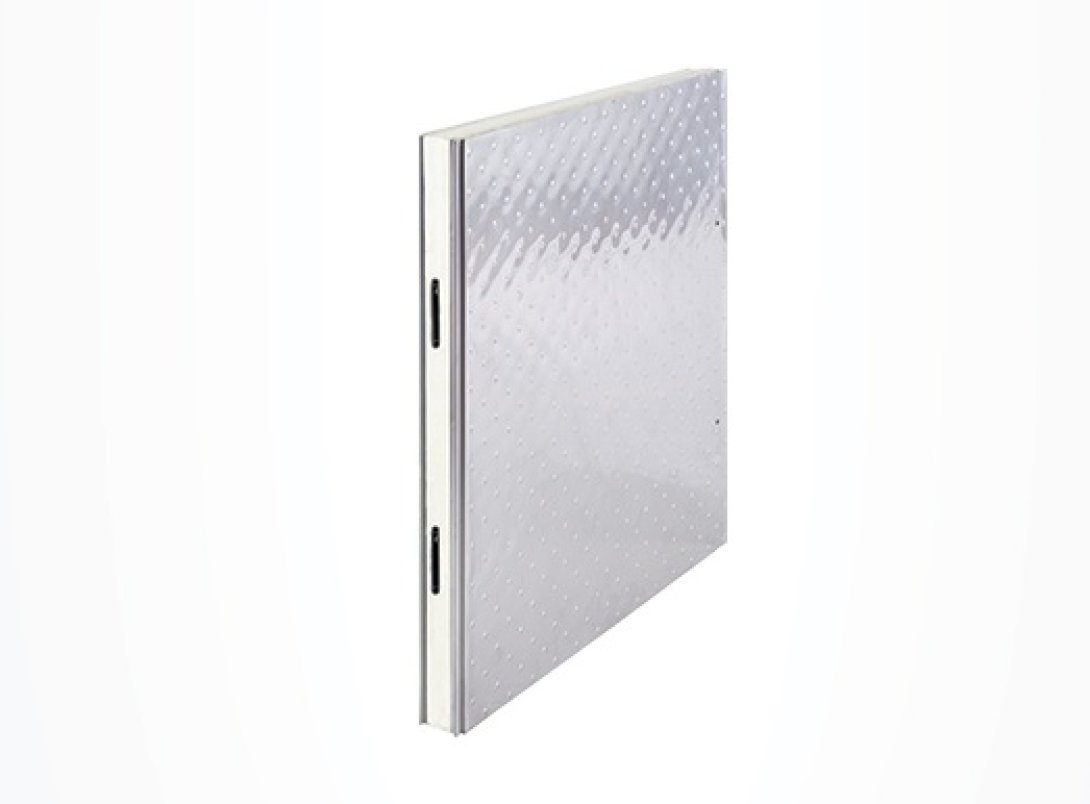
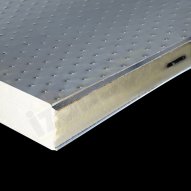
A well-designed stainless steel floor panel solves a very specific set of problems. It is designed for environments where floors must be cleanable, durable, and remain operationally reliable under repeated stress.

In practice, it helps solve five problems at once.

First, it supports faster and more consistent cleaning routines. Smooth, durable surfaces are easier to clean, which is crucial in areas where hygiene is an integral part of the daily workflow.

Second, it enhances durability under heavy traffic. In areas where carts, shelves, and pallet jacks move in wet conditions, the floor must do more than just resist water. It must withstand repeated mechanical use without appearing worn out quickly.

Third, it helps maintain the room’s visual standards. In many facilities, especially those where preparation or support areas are visible, the kitchen back-of-house environment must still appear controlled and well-maintained. Stainless steel meets this expectation.

Fourth, it reduces the long-term maintenance burden. A floor that better withstands washing pressure causes fewer issues regarding appearance, repair planning, and surface-related complaints.

Fifth, it integrates better with cold room systems. In some applications, the floor must function as part of a complete hygienic environment that includes wall panels, doors, thresholds, gaskets, and transitions near drainage. The floor cannot be treated as a disconnected detail.

This is where experience matters. The Freezewize Cooling System typically approaches these projects by treating the room not as a collection of separate products, but as a functioning system. In washdown areas, this system-based approach prevents the misuse of good materials.

Best Applications

Stainless steel floors are particularly suitable for areas where moisture, hygiene, and foot traffic come together every day.

Common applications include:

  • Food processing support areas.
  • Washdown-ready preparation areas.
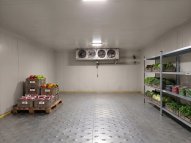
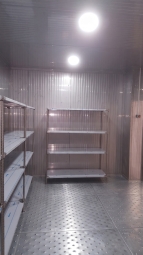
  • Cold rooms with moisture at the entrance.
  • Packaging and handling areas near cleaning operations.
  • Back-of-house areas in supermarkets and commercial kitchens.
  • Distribution and preparation areas with frequent hand-cart traffic.
  • Sanitary corridors connecting production areas or cold storage facilities.

In these environments, it’s not enough for the floor to simply be durable. It must remain functional, stylish, and easy to maintain over time.

Quick Decision Guide

Stainless steel flooring is generally a more durable choice in areas where one or more of the following conditions apply:

  • Daily or frequent cleaning routines.
  • Regular exposure to water and cleaning chemicals.
  • Wheeled traffic caused by carts, shelves, or pallet jacks.
  • High hygiene or inspection requirements.
  • Risk of visible wear in back-of-house areas.
  • Low tolerance for patch repairs and early replacement.

If the area is slightly damp, has limited traffic, and low hygiene demands, a standard flooring approach may still be acceptable. However, if the area is truly wet, operationally active, and expected to look clean under pressure, stainless steel is generally a better long-term choice.

If the area is heavily cleaned, heavily used, and expected to remain hygienic, the floor should be designed not as a finishing detail but as an operational asset.

Related Solutions

Projects requiring stainless steel floors for washing areas typically also benefit from related system decisions such as the following:

  • Insulated wall and ceiling panels for hygienic cold room construction.
  • Hygienic cold room doors for wet and high-traffic entrances.
  • Stainless steel kick plates and equipment guards.
  • Threshold and passage details for hand truck and pallet jack movements.
  • Viewing panels and durable door hardware for controlled traffic flow.
  • Seamless panel connections and perimeter details for easier cleaning.

These related elements are important because washing performance is rarely achieved with a single component. It works best when the floor and surrounding room details also support the same hygiene and durability standards.

FAQ

Are stainless steel floors used only in food processing facilities?

No. They are commonly used in food-related environments, but they are also used in any wet, high-cleanliness area where durability, a hygienic appearance, and reliable maintenance are important.

Are stainless steel floors suitable for cold rooms?

Yes, especially if the cold room has wet entry conditions, frequent cleaning, or traffic from hand trucks and transport equipment. In these cases, the flooring directly contributes to the room’s long-term performance.

Are stainless steel floor panels too expensive for most facilities?

While their initial costs are generally higher than lighter flooring solutions, this does not automatically mean they are a more expensive option over time. In high-traffic washing areas, the reduced maintenance burden and longer service life typically improve the total cost of ownership.

What is the biggest mistake buyers make regarding floor coverings in wash zones?

The most common mistake is choosing flooring based solely on cost, without fully accounting for cleaning intensity, foot traffic, and long-term wear and tear. This is the root cause of many preventable flooring issues.

Do stainless steel floors help with inspections?

Especially in areas where visible hygiene is critical, they can help maintain a cleaner and more controlled environment. They do not replace proper cleaning practices, but they make it easier to consistently maintain a higher standard.

When should a facility switch to stainless steel flooring?

Generally, when the existing floor causes recurring issues such as visible wear and tear, cleaning difficulties, repeated repairs, or a mismatch between the area’s hygiene requirements and the floor’s real-world durability.

Conclusion

In a high-traffic area, the wrong floor choice won’t remain insignificant for long.

When water, cleaning pressure, hygiene expectations, and daily traffic converge in the same space, stainless steel flooring is often the choice that best maintains performance over time.

If you are considering renovating a wet area, constructing a cold room, or implementing a hygiene-focused facility upgrade, it is beneficial to evaluate the floor not merely as a surface choice but as an integral part of a comprehensive operational system.

Fill the Form!

Write your needs and fill the form to contact us.

Freezewize | Industrial Cooling Systems & Custom Cold Room Solutions
Merhaba, Size yardımcı olabilir miyiz ?
Whatsapp Destek