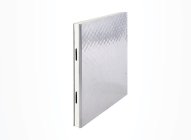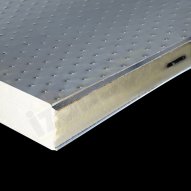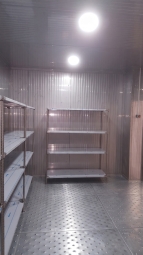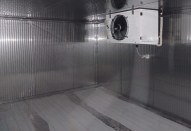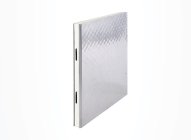





Panel Floors That Resist Corrosion
Panel Floors That Resist Corrosion | Stainless Steel Floor Panels for Sanitary Facilities
Reduce maintenance, damage, and replacement costs by choosing corrosion-resistant stainless steel floor panels for cold rooms, washing areas, and hygienic facilities.
Panel Floors That Resist Corrosion
In wet, high-traffic, and hygiene-sensitive environments, corrosion is rarely just a cosmetic issue. Stainless steel floor panels are the preferred choice when a facility requires a floor that can withstand moisture, cleaning chemicals, traffic wear, and daily operational exposure without causing maintenance issues.
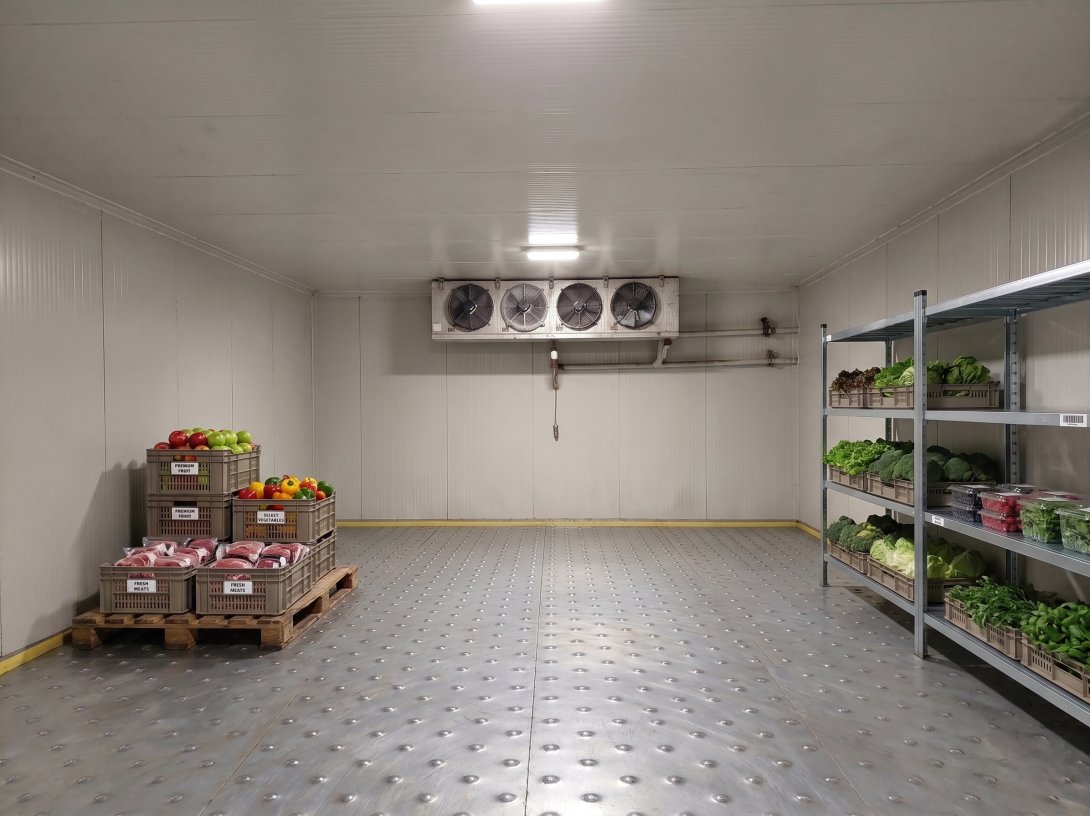
This is important because panel floors in cold rooms, washing areas, food processing facilities, and kitchen back-of-house areas are not merely exposed to water. They must also withstand condensation, chemical cleaning routines, moisture carried in from outside, trapped debris, and repeated contact at the same stress points. If the floor cannot withstand corrosion, the room begins to lose its structural integrity from below.
Corrosion Starts Sooner Than Many Buyers Expect
Most corrosion issues don’t start with a sudden failure. They begin quietly.
A facility installs a floor that appears acceptable upon delivery. Then daily use sets in. Washdowns become routine. Moisture lingers longer than expected at edges, thresholds, and transitions. Cleaning agents are used intensively to meet hygiene standards. Carts and pallet jacks move constantly along the same routes. In refrigerated areas, condensation and temperature differences create even more stress.
This combination changes the purchasing decision. The issue is no longer whether the floor panel can handle the traffic on its own. The issue is whether it can remain structurally reliable and visually clean in an environment where moisture and exposure are constant.
This applies particularly to the following:
- Cold rooms and refrigerated rooms.
- Support areas adjacent to freezers.
- Food processing access areas.
- Frequently washed preparation rooms.
- Back-of-house operations in supermarkets.
- Commercial kitchens.
- Refrigerated storage and handling areas.
In these environments, corrosion resistance is not a luxury detail. It is part of the room’s long-term suitability.
Why Does Corrosion Cause More Than Just Surface Issues?
When corrosion begins, it usually affects more than just the appearance.
The first signs may be staining, dulling, or premature surface fatigue. But the real problem is the damage this deterioration causes to daily operations. It becomes harder to keep the floor consistently clean. The area begins to look older and less controlled. Maintenance crews start monitoring the area more closely. Owners and operators start thinking about repair time much sooner than they expected.
This is the true operational cost of a floor that does not provide sufficient resistance to corrosion.
Incorrect panel flooring:
- It can lead to faster, visible wear and tear in wet traffic lanes.
- It may become more difficult to clean to the same hygiene standards.
- It may undermine confidence during inspections or internal audits.
- It may create additional maintenance demands around seams, edges, and transitions.
- It may cause the back area to appear prematurely worn.
- It accelerates the need for renovation planning in high-traffic areas.
A floor may still be usable while signaling that it is not the right choice for the environment. This is important in professional facilities. Surface reliability is not just about the room’s appearance but also a part of its performance.
The Real Risk in Cold Rooms and Wash Areas
When moisture is not an occasional occurrence but a structural part of the room’s operation, the risk of corrosion becomes more serious.
Cold rooms create repeated condensation cycles. Wash areas remain wet by design. Food facilities may perform intensive cleaning routines daily. Traffic, water, residue, and debris are carried into the same corridors. Thresholds, corners, areas with equipment, and doorways are subject to the most wear and tear. If the floor panel is not manufactured to withstand this type of exposure, it does not have to fail immediately to become the wrong floor.
This is where many facilities face a common problem: the floor technically functions as intended, but its condition becomes frustrating. Teams spend more time than expected cleaning around surface damage, explaining visible wear, and planning corrective work. In this sense, wear and tear is not merely physical damage; it is a disruption to workflow.
The Comparison That Clarifies the Decision
For corrosion-prone environments, the most useful comparison is not primarily about price. It is about suitability for the exposure.
| Decision Factor | Stainless Steel Floor Panels | Low-Resistance Floor Solutions |
|---|---|---|
| Exposure to Moisture | Extremely suitable for continuously wet conditions | More sensitive in constantly damp environments |
| Resistance to cleaning chemicals | More suitable for repeated cleaning routines | Higher risk of surface degradation over time |
| Corrosion resistance | Strong long-term value in demanding applications | Higher likelihood of premature aging in aggressive environments |
| Hygienic appearance | Provides a cleaner and more controlled appearance | May lose its visual integrity more quickly |
| Maintenance burden | Creates less long-term pressure when properly specified | Is more likely to require monitoring, repairs, or earlier replacement |
| Cold room suitability | Performs better in areas where condensation and traffic intersect | Performs better when limited to lighter usage conditions |
This does not mean that every room requires the highest-performance solution. It means that the risk of corrosion should be considered not as a rare exception, but as a standard operating condition.
Why Are Stainless Steel Floor Panels a Good Choice?
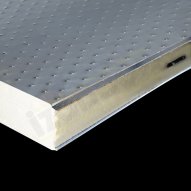
Stainless steel floor panels make sense when the room needs to offer greater resistance to impact or water. They are preferred when the floor must maintain its reliability under overlapping stresses such as moisture, cleaning agents, repeated traffic, hygiene requirements, and time.
For this reason, these panels are often a more suitable choice in facilities prone to corrosion. They support durability when the durability of standard surfaces begins to decline. They ensure cleaning routines are more consistent. They reduce the likelihood of floor deterioration becoming part of the facility’s daily management burden. Additionally, they offer a more stable long-term ownership profile in areas where replacement disrupts workflow.
This is even more critical in refrigerated rooms, as the floor does not function in isolation. It works in conjunction with insulated panels, door thresholds, gaskets, equipment protection, traffic flow, and cleaning access. When corrosion resistance is weak, the issue spreads to the room’s perceived and actual performance. When corrosion resistance is factored into floor selection, the room maintains its standards more naturally.
The Freezewize Cooling System typically adds practical value at this point. In demanding facilities, the correct answer is rarely simply “use metal.” The correct answer is to tailor the floor panels, surrounding details, and traffic conditions to the room’s actual exposure profile.
Where Corrosion-Resistant Floor Panels Are Most Appropriate
Corrosion-resistant floor panels are particularly valuable in areas where water, cleaning, and foot traffic come together every day.
Typical applications include:
- Cold storage facilities with high foot traffic.
- Washable corridors and support areas.
- Food preparation and processing areas.
- Backrooms of commercial kitchens.
- Preparation areas near refrigeration zones.
- Supermarket handling areas.
- Service passages critical for service and hygiene.
In these areas, long-term performance depends on the floor’s ability to maintain reliability under the same routine conditions that would quickly wear down a weaker surface.
Quick Decision Guide
A stainless steel floor panel is a more durable choice in areas that typically include several of the following:
- Regular washing or constant exposure to moisture.
- Repeated use of cleaning and sanitizing chemicals.
- Condensation or cold room humidity cycles.
- High hygiene expectations.
- Heavy foot traffic, cart traffic, or forklift traffic.
- Low tolerance for maintenance downtime.
- Long-term ownership planning rather than focusing solely on the lowest initial cost.
A lighter-duty flooring type may still be suitable in drier, less-used areas where chemical exposure is limited and hygiene demands are less prominent. However, if corrosion is a realistic operational risk, underestimating the flooring’s properties often proves more costly in the long run.
If the room is wet, undergoes aggressive cleaning, and is expected to maintain a neat appearance under foot traffic, corrosion resistance must be considered from the outset in floor selection.
Related Solutions
Projects focused on corrosion-resistant floor performance are naturally linked to solutions such as the following:
- Cold room wall and ceiling panels.
- Sanitary cold room doors.
- Reinforced threshold details.
- Watertight panel connections for washdown areas.
- Baseboard protection and kick plates.
- Hardware protection in high-contact areas.
- Insulated room systems for refrigerated areas.
These are useful solutions because corrosion resistance works best when the surrounding room details follow the same principles of hygiene and durability.
FAQ
Are stainless steel floor panels the best option for corrosion-prone areas?
In many wet, frequently washed, and hygiene-sensitive environments, yes. When the floor must withstand moisture, exposure to chemical cleaning agents, and repeated operational use, it is generally the most reliable choice.
Do cold rooms increase the risk of corrosion?
They can. Cold rooms often create conditions of condensation and repeated exposure to moisture, particularly around high-traffic areas, thresholds, and entrances. This makes corrosion resistance more critical than many buyers initially anticipate.
Is corrosion just a cosmetic issue?
No. Visible corrosion is usually the first sign, but the deeper issue is that it makes floor maintenance more difficult, leads to an inconsistent appearance, and increases the likelihood of future repair or replacement needs.
What typically causes floor corrosion in sanitary facilities?
Common causes include stagnant moisture, aggressive cleaning routines, repeated chemical exposure, debris brought in from outside, condensation cycles, and constant wear along edges and traffic paths.
Are stainless steel floor panels worth the higher initial cost?
In demanding applications, generally yes. When long-term durability, reduced maintenance burden, and a stronger hygienic appearance are more important than the lowest initial installation cost, it is usually the more sensible choice.
When should a facility switch to corrosion-resistant floor panels?
Generally, when the existing floor shows visible deterioration, becomes difficult to keep clean, or no longer meets the space’s moisture and hygiene requirements.
Conclusion
In a high-traffic, hygienic facility, corrosion does not remain insignificant for long.
When humidity, cleaning chemicals, foot traffic, and hygiene expectations all converge in the same room, stainless steel floor panels are usually the best choice for maintaining durability over time.
If you are planning a new cold room, a washroom renovation, or a floor replacement in an area exposed to corrosion, it is worth evaluating the room’s actual exposure conditions; this ensures that the next floor specification supports the facility’s actual operational requirements.