




Steel Floor Panels in Wet Operations
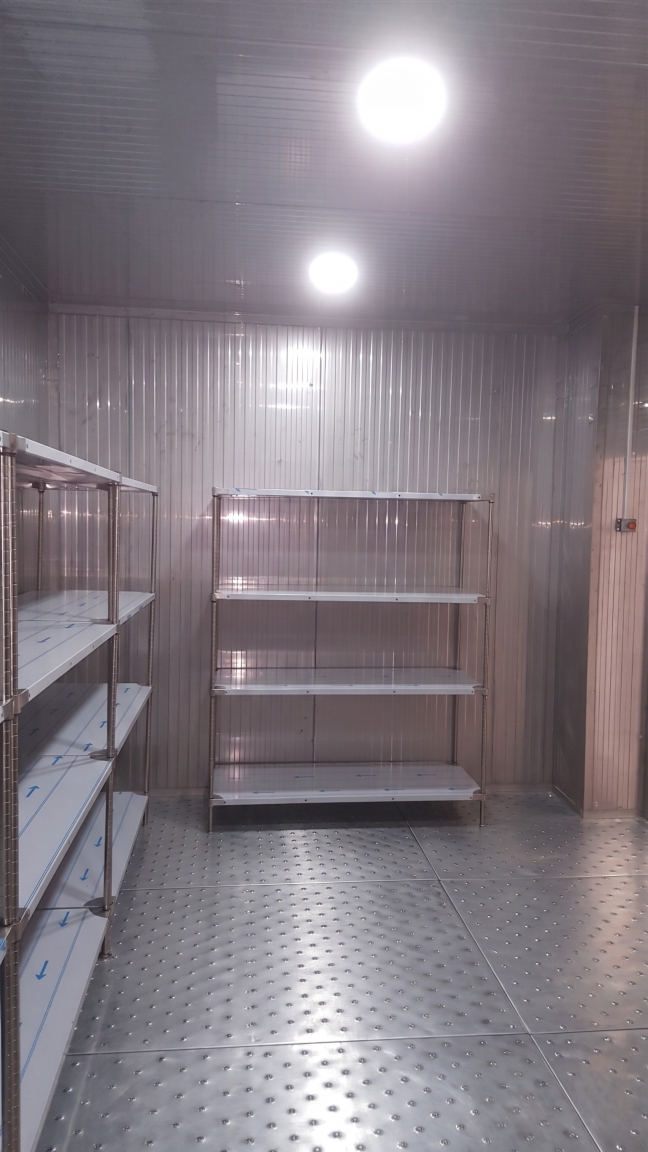
Stainless Steel Floor Panels for Wet Environments | Stainless Steel Floor Coverings for Hygienic Use
Choose stainless steel floor panels for wet environments where conditions such as washing, wheeled traffic, and exposure to moisture require higher hygiene standards, greater durability, and less maintenance.
Stainless Steel Floor Panels for Wet Environments
In wet environments, the floor is typically the first surface to show signs of wear. Stainless steel floor panels are an ideal choice when a facility requires a floor covering that can withstand washing, standing moisture, wheeled traffic, and sanitation demands without creating a burden for cleaning or maintenance.
This is important because wet environments do not merely pose challenges in terms of hygiene. They also expose poor flooring choices through corrosion, traffic wear, visual deterioration, and disruptions to workflow. In cold rooms, food processing facilities, preparation areas, and wet zones in kitchen back-of-house areas, the floor must be durable, cleanable, and operationally reliable all at once.
Wet Environments Quickly Expose the Weaknesses of Floor Coverings
Some room components can hide their weaknesses for a while. However, flooring typically cannot.
In wet environments, stress builds up early and is repeated daily. Water accumulates in traffic lanes, entrances, and work areas. Cleaning crews frequently wash the floors. Staff move carts, trash cans, and shelves in damp conditions. In refrigerated areas, condensation and moisture brought in from outside create an additional layer of stress. The floor does not deal with just one problem. It deals with water, movement, chemical cleaning, and wear all at the same time.
As a result, flooring selections for wet environments often lead to poor outcomes. Buyers may focus on initial installation or basic suitability, but the real test begins once the room is fully in use.
Common stress points include:
- Work areas requiring frequent washing.
- Cold room entrances.
- Pallet jack and hand truck routes.
- Thresholds and turning points.
- Areas near drains and equipment.
- Back-of-house areas with visible hygiene expectations.
When the floor covering is not suitable for these conditions, daily wear and tear begins long before a complete failure occurs in the room.
The Problem Isn’t Just Moisture
Water alone is not usually the primary cause of the biggest operational headaches. The real issue is how moisture interacts with usage.
Wet floors in active facilities must be constantly managed. They are cleaned, used, cleaned again, walked on by staff, subjected to impacts from wheeled equipment, and exposed to repeated routine abuse. If the floor surface cannot keep up, it begins to lose control of the area in a way that crews will immediately notice.
Cleaning efficiency declines. The floor begins to look older than it should. The same wear and tear is seen on high-traffic paths. Maintenance calls become more frequent. In hygiene-sensitive environments, confidence in the room begins to wane even if the area is technically still functional.
This is particularly important in commercial and industrial settings in the U.S. because wet processes are rarely performed in low-pressure environments. These environments are typically where labor efficiency, food safety, audit readiness, and uptime are of the utmost importance.
The Risk of Choosing a Floor Covering That Cannot Withstand Wet Conditions
A floor may be durable in a wet room, but it could still be the wrong choice for wet-process operations.
This distinction is important. A surface may remain in place, but if it begins to corrode, wears out prematurely, or becomes difficult to clean consistently, it will start to impose costs on the operation in subtle ways.
Choosing the wrong flooring for wet conditions can lead to:
- Increased labor costs for cleaning and maintenance routines.
- Premature deterioration in high-traffic areas.
- Increased maintenance on seams, edges, and traffic lanes.
- Higher-than-expected replacement pressure.
- A back area that no longer looks neat.
- More disruptions in workflow due to wet operations and equipment traffic.
This is what distinguishes operations in wet environments from those in standard usage environments. A dramatic failure isn’t required for the floor to become costly. It simply requires a surface that gradually fails to support the actual operation.
A Comparison That Helps Buyers Make Faster Decisions
In wet environments, the useful comparison isn’t between cheap and expensive. It’s between flooring that remains stable under moisture and use, and flooring that requires maintenance much too early.
| Decision Factor | Stainless Steel Floor Panels | Lighter-Duty Flooring Options |
|---|---|---|
| Frequent washing | Extremely suitable for repeated wet cleaning | Tends to become more sensitive over time |
| Exposure to moisture | Better suited for continuously wet conditions | Higher risk of premature wear on the surface |
| Wheeled traffic in wet areas | Stronger performance under hand trucks and pallet jacks | Higher likelihood of premature wear from traffic |
| Hygienic appearance | Provides a cleaner and more polished look | May appear worn out more quickly in high-traffic wet areas |
| Maintenance requirements | When properly specified, it creates less long-term burden | It is more likely to require repairs |
| Cold room suitability | Highly suitable for areas where moisture and traffic intersect | More suitable for environments with lighter traffic |
This does not mean that every damp room requires the same floor covering. However, it does mean that wet environments should be treated not as a minor environmental consideration, but as a genuine performance category.
Why Do Stainless Steel Floor Panels Perform Better in Wet Environments?
Stainless steel floor panels are a sensible choice in situations where the environment poses challenges to the surface in many ways.
They allow for safer execution of repeated washing routines. They are better suited to wet traffic conditions where vehicles, racks, and pallet jacks move along the same paths every day. They support a more durable hygiene standard in areas where visible cleanliness is important. They also help the room recover more quickly from the daily cycle of use, cleaning, and reuse.
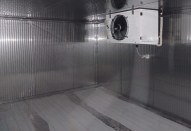
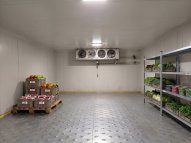
This is particularly important in cold rooms and refrigerated work areas. In these areas, the floor works in conjunction with thresholds, insulated panels, door traffic, gaskets, and access flow. A weak floor can jeopardize the integrity of the entire system, even if other components are well-defined.
This is where the Freezewize Cooling System typically offers a broader perspective. In wet environments, the floor panel should not be selected merely as an insulated metal surface. It should be chosen as part of a room performance strategy that accounts for traffic, hygiene, cleaning exposure, and long-term maintenance realities.
Best Applications
Stainless steel floor panels are particularly valuable in wet environments such as the following:
- Cold rooms with heavy foot traffic.
- Washable corridors.
- Food processing support areas.
- Preparation areas with repeated cleaning cycles.
- Refrigerated holding areas.
- Wet work areas in supermarket backrooms.
- Commercial kitchen support rooms.
- Industrial work areas with high hygiene requirements.
These are not just wet rooms. These are active spaces. The flooring must support both cleaning and usage without becoming a weak point.
Quick Decision Guide
If an area meets several of the following conditions, a stainless steel floor panel is generally a more durable choice:
- Daily or frequent washing.
- Constant moisture or repeated exposure to wet conditions.
- Traffic from wheeled carts, shelves, or pallet jacks.
- Visible hygiene standards.
- Low tolerance for downtime due to repairs.
- Cold room or refrigerated room integration.
- A long-term ownership mindset rather than focusing solely on short-term costs.
A lighter-duty flooring system may still be suitable in areas with limited cleaning intensity, low traffic, and mild humidity. However, if operations are truly wet, high-traffic, and hygiene-focused, stainless steel is generally a better long-term solution.
If humidity is a part of the room’s daily reality, the flooring must be designed not only for basic use but also for performance in wet environments.
Related Solutions
Projects involving flooring used in wet environments are naturally compatible with related solutions such as the following:
- Sanitary cold room doors.
- Insulated wall and ceiling panels.
- Reinforced threshold details.
- Leak-proof panel connection systems.
- Baseboard protection and kick plates.
- Access hardware suitable for heavy traffic.
- Cold room floor transition details.
These solutions are important because floor performance improves when the surrounding room is designed to meet the same hygiene and traffic requirements.
FAQ
Are stainless steel floor panels suitable for use in wet environments?
Yes. They are generally an ideal choice for wet environments because they are better suited to repeated washing, exposure to moisture, and high-traffic hygienic environments.
Do wet environments require different flooring than dry areas?
Generally, yes. Wet environments place greater stress on the floor due to water, cleaning routines, condensation, and repeated foot traffic, so the flooring must be selected to withstand all these conditions.
Are stainless steel floor panels suitable for cold rooms?
Yes. They are particularly useful in cold rooms where humidity, condensation, foot traffic, and hygiene requirements converge in daily use.
What is the biggest mistake buyers make when choosing flooring for wet areas?
A common mistake is selecting a floor that appears acceptable during installation but is not truly suitable for repeated wet cleaning, wheeled traffic, and long-term maintenance requirements.
Can a floor still be functional even if it’s not suitable for wet environments?
Yes. A floor may still be in use even if it gives the overall impression of poor cleaning efficiency, visible wear and tear, high maintenance demands, and inadequate technical specifications.
When should a facility switch to stainless steel floor panels?
Generally, when the existing floor begins to show signs of premature wear in high-traffic areas, inconsistent cleanability, corrosion, or recurring maintenance issues.
Conclusion
Activities in wet environments expose the limitations of poor flooring choices faster than most facility teams anticipate.
When washing, moisture, traffic, and hygiene demands are the defining factors, stainless steel floor panels are often the choice that most reliably maintains performance over time.
If you are evaluating a new wet area construction or replacing a floor that is currently causing problems, it is helpful to assess the space as a complete operational system; this ensures that the next flooring selection will support the space’s actual operations.