




Stainless Steel Wet Floors
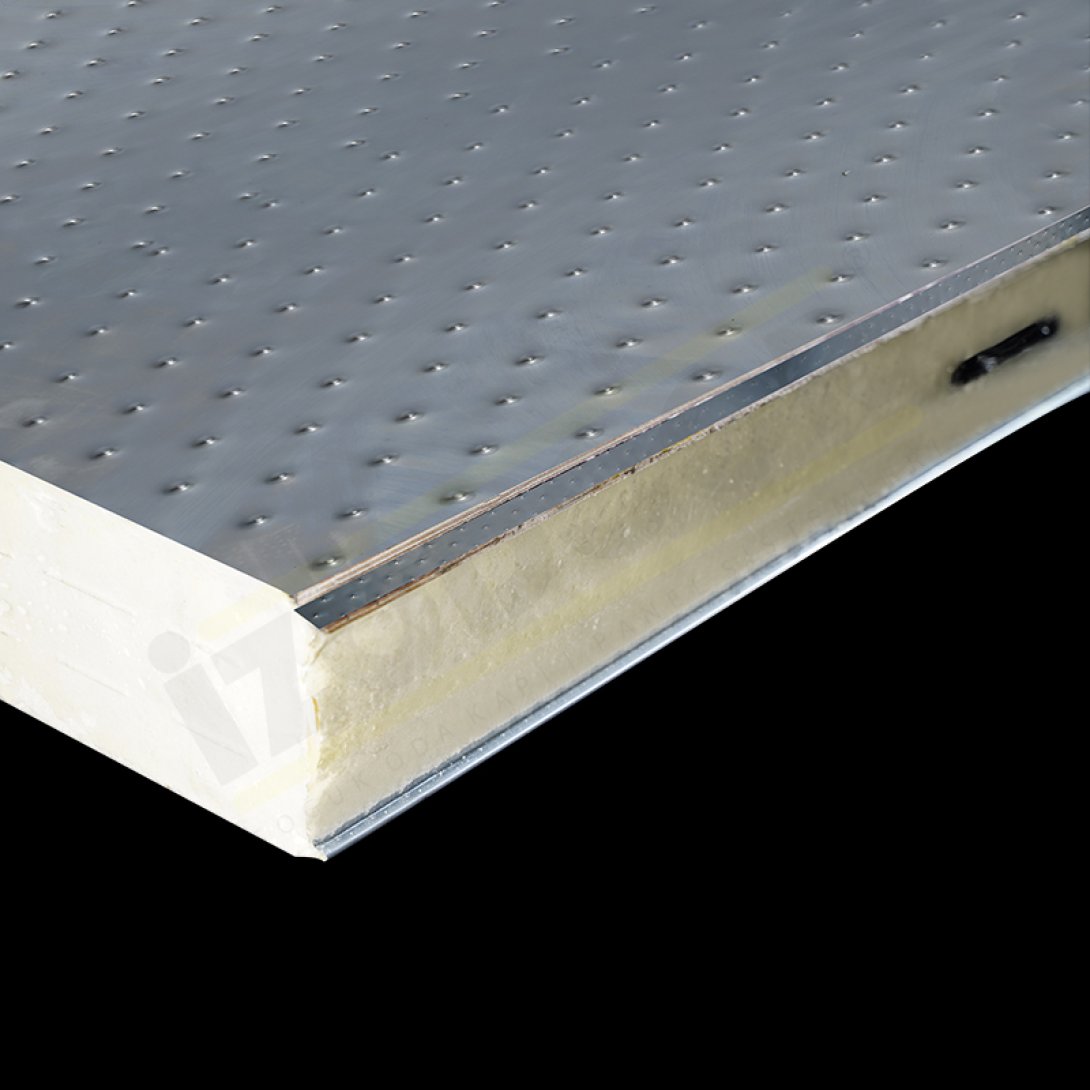
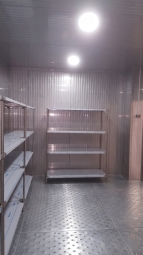
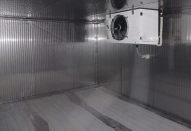
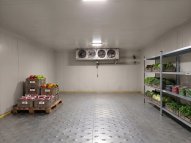
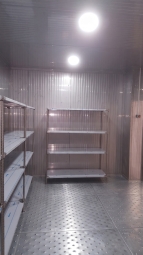
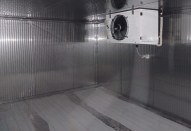
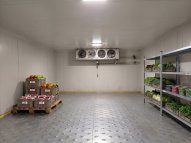
A stainless steel floor gives wet refrigerated facilities a durable working surface where water, cleaning chemicals, food residue, trolley traffic, footwear, temperature changes meet every day. Good stainless steel floor performance depends on drainage, joint stability, surface grip, threshold detailing, cleaning routines, drying behavior. In cold rooms, food plants, commercial kitchens, supermarket preparation areas, a properly specified stainless steel floor keeps wet operations practical without turning every wash cycle into another maintenance problem.
Stainless Steel Floor Exposure
A wet stainless steel floor deals with more than water. Product residue reaches traffic lanes. Detergent passes across joints. Wheels carry moisture toward door openings. Staff repeatedly walk through identical routes.
Look at a stainless steel floor during normal production rather than immediately after cleaning. Wet areas near equipment bases, thresholds, drains, turning points often reveal how floor design performs in real use.
This is where floor planning becomes practical. A stainless steel floor needs to work around actual traffic patterns, not only room dimensions.
Floor Drainage
Water has to leave a stainless steel floor through a predictable route. Low areas near walls or doors create repeated wet spots even when nearby surfaces dry quickly.
Check floor slope after a normal wash. Watch water movement toward drains. Look behind mobile racks, beside door frames, around equipment legs.
A good stainless steel floor does not make cleaning crews fight against floor geometry. Squeegee movement needs to feel natural. Water needs to move away from active working zones without repeated correction.
Small drainage problems become obvious when identical areas stay wet every day.
Stainless Steel Floor Joints
Joints are often more important than broad stainless steel floor surfaces. Wheels pass across joints continuously. Cleaning water reaches joint lines. Detergent sits inside small irregularities.
Keep panel faces level. Support joint edges properly. Protect seals from wheel movement or aggressive cleaning tools.
A stainless steel floor with stable joints gives carts a smoother route while keeping sanitation work simple. A clean steel surface loses much of its value when one floor joint begins holding moisture or residue.
Floor Grip
A wet stainless steel floor needs enough grip for confident movement. More texture is not automatically better.
Deep floor patterns could hold food residue or make rinsing slower. An extremely smooth stainless steel floor could feel uncomfortable under wet footwear.
Choose texture around actual use. Consider staff footwear, trolley wheels, product residue, cleaning method, turning areas.
Walk across a wet stainless steel floor after sanitation. Push a loaded trolley through the busiest route. Real movement usually reveals more than a surface specification alone.
Stainless Steel Floor Thresholds
Door approaches place unusual pressure on a stainless steel floor. Staff slow down. Trolleys turn. Wheels strike transitions. Wash water reaches lower door areas.
Threshold height, ramp geometry, drainage, panel edge protection, door frame position need one coordinated detail.
A stainless steel floor works better when traffic crosses a smooth transition without hitting a raised edge. This also reduces pressure around door frames plus lower seals.
Threshold problems tend to become floor problems quickly because nearly every movement passes through this narrow zone.
Floor Cleaning Routine
Cleaning chemistry affects a stainless steel floor every day. Chemical concentration, dwell time, water temperature, brush type, rinse quality all influence long-term surface condition.
Stronger chemicals do not automatically produce a cleaner stainless steel floor. Residue left after poor rinsing creates another maintenance issue.
A practical routine remains simple: apply cleaning product, work visible soil, rinse completely, remove water, inspect floor condition.
Cleaning needs to protect stainless steel surfaces plus joint materials at the same time.
Stainless Steel Floor Drying
A floor often looks clean before it is actually ready for traffic.
Return ten minutes after washing. Check stainless steel floor joints, drain edges, thresholds, corners, equipment bases. Look for standing water, dark joint lines, chemical streaks, loose edge details.
These small observations matter.
A stainless steel floor that dries predictably gives sanitation teams confidence that cleaning has actually finished. Persistent wet areas show where drainage, access, or floor geometry needs attention.
Floor Traffic After Washing
Wet trolley wheels behave differently on a stainless steel floor. Turning pressure changes. Small casters react more strongly to uneven joints. Staff also move differently when surface conditions feel uncertain.
Observe floor traffic shortly after cleaning. Look for wheel vibration, cautious turning, repeated water displacement, trolley marks.
A properly designed stainless steel floor keeps normal traffic predictable even when wet conditions form part of daily operation.
The Freezewize Cooling System reviews stainless steel floor construction, floor drainage, surface texture, joint support, threshold geometry, wet traffic, cleaning exposure before production.
Stainless Steel Floor Performance
A reliable stainless steel floor does not need special treatment every time it gets wet. Water moves toward drains. Floor joints stay level. Stainless steel surfaces remain easy to inspect. Wheels cross without unnecessary impact. Cleaning crews quickly see where additional work is required.
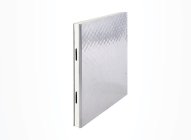
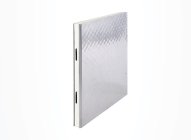
Properly specified stainless steel cold room floor panels create a stainless steel floor system suited to real wet operations. Long-term floor performance comes from making drainage, traffic, cleaning, joints, thresholds work together rather than relying on stainless steel alone.