




Freezewize | Industrial Cooling Systems & Custom Cold Room Solutions

Hard-Use Surfaces for Hygienic Facilities

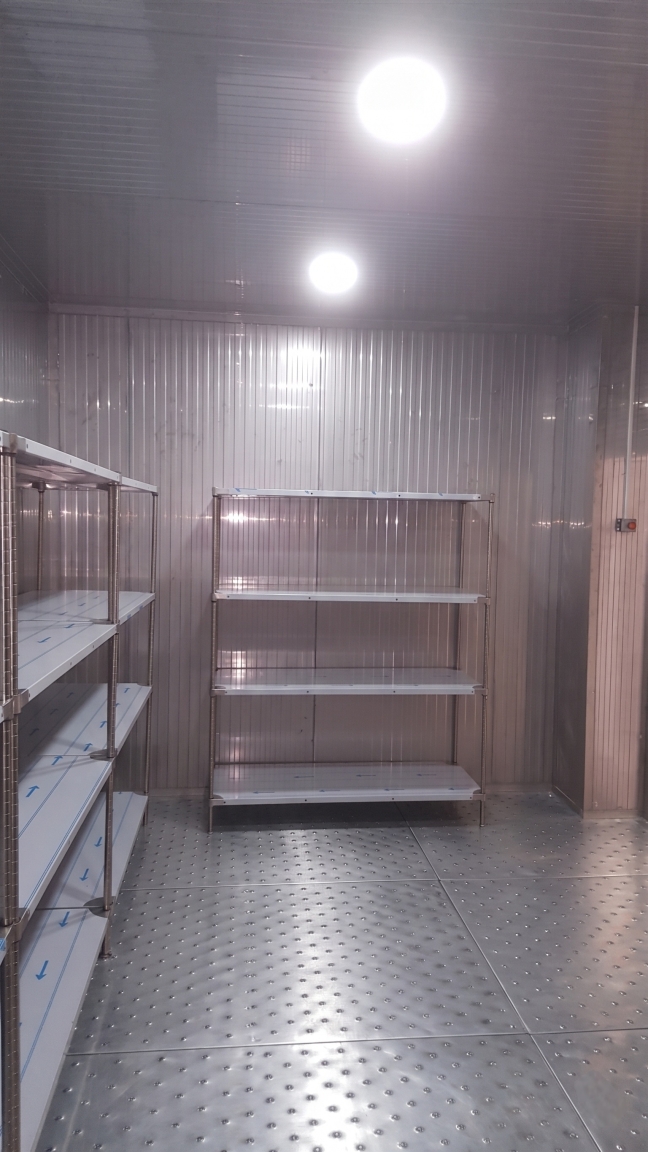
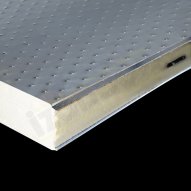
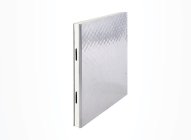
Hard-Use Surfaces for Hygienic Facilities | Stainless Steel Floor Panels

Support hygiene, durability, and easier maintenance with stainless steel floor panels built for hard-use facilities, washdowns, traffic, and long-term operational wear.

Hard-Use Surfaces for Hygienic Facilities

In hygienic facilities, the floor is not a passive surface. It is one of the hardest-working parts of the room. Stainless steel floor panels are often the right choice when a facility needs a surface that can handle repeated cleaning, heavy use, rolling traffic, and visible hygiene pressure without wearing down too quickly.

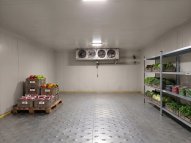
That matters in cold rooms, food processing support areas, commercial kitchens, prep zones, and refrigerated workspaces where the floor takes daily abuse from people, carts, racks, pallet jacks, moisture, and washdowns. When the surface is wrong, the whole room feels harder to clean, harder to maintain, and harder to keep at the standard the operation expects.

The Problem Shows Up in Daily Operations

Most flooring decisions look good during the planning phase. Problems emerge once actual operations begin.

In hygienic facilities, the floor is not only exposed to foot traffic. In the same areas, it endures wet movement, repeated cleaning, equipment movement, chemical exposure, dragged loads, and constant contact. Entry points, access routes on the production side, threshold areas, and sections subject to frequent washing typically show signs of wear first. Once this wear becomes visible, the floor does more than just affect appearance.

This is when facility managers and operators begin to notice a discrepancy. The room may still be functioning, but the floor starts to create friction. Cleaning becomes slower. Maintaining a consistent surface condition becomes difficult. The area begins to look older than it should. In environments with food safety expectations or regulatory scrutiny, this deterioration goes beyond being merely a cosmetic issue.

High-traffic hygienic areas typically include: 

  • Cold rooms and refrigerated rooms.
  • Food processing support areas.
  • Washing areas.
  • Packaging and preparation areas.
  • Back-of-house areas in commercial kitchens.
  • Supermarket preparation rooms.
  • Refrigerated work areas with frequent traffic.

In these applications, the floor is expected to perform under both physical stress and hygiene demands. This is where the “light-duty” mindset often fails.

The Risk of Choosing a Surface That Is Merely Adequate

A surface may be technically functional, yet still be the wrong choice.

This situation typically arises when buyers focus on installation logic rather than long-term operational suitability. A floor may appear acceptable upon delivery, but daily use reveals whether that floor is truly suitable for the space. In hygienic facilities, this mismatch usually manifests not as a sudden failure, but as increased maintenance burden and visual fatigue.

Risks accumulate. A weaker surface: 

  • May wear out faster in high-traffic areas.
  • May become harder to clean consistently.
  • May compromise the room’s hygienic appearance.
  • May require more maintenance at edges and transition points.
  • May increase the risk of downtime during repairs.
  • May necessitate replacement sooner than expected.

This matters because hygienic environments are evaluated daily. Staff notice when a room becomes harder to maintain. Managers notice when surfaces no longer look controlled. Inspections and audits rarely fail due to a single major issue. Sometimes, a series of small weaknesses emerges, indicating that the facility is expending more effort than necessary to maintain its standards.

A Comparison That Truly Helps with Decision-Making

For high-traffic hygienic areas, the real comparison isn’t just between metal and non-metal materials. The real issue is whether the surface can keep up with the room’s cleaning demands, traffic patterns, and durability requirements over time.

Decision FactorStainless Steel Floor PanelsLighter-Duty Surface Options
Washdown suitabilityStrong fit for repeated wet cleaningOften better for lower-exposure areas
Rolling trafficBetter aligned with carts, racks, and pallet jacksMore likely to fatigue in concentrated traffic lanes
Hygiene presentationSupports a cleaner, more controlled lookCan show age sooner in hard-use spaces
Maintenance burdenLower long-term pressure when specified properlyMore likely to need patching or earlier renewal
Cold room integrationStrong fit where traffic and sanitation overlapMay suit lighter-use refrigerated areas better
Ownership logicBetter long-term confidence in demanding roomsLower upfront threshold, higher risk of future friction

Decision Factor Stainless Steel Floor Panels Lighter-Duty Surface Options

Washability Highly suitable for repeated wet cleaning Generally better for areas with less exposure

Wheeled traffic More compatible with carts, shelves, and pallet jacks Higher likelihood of wear in high-traffic lanes

Hygienic appearance Supports a cleaner, more controlled look May show signs of wear more quickly in high-traffic areas

Maintenance burden Less long-term burden when properly specified Higher need for patching or early replacement

Cold room integration Highly suitable where traffic and hygiene intersect May be better suited for less-used refrigerated areas

Ownership logic: Offers greater long-term reliability in demanding environments. Lower initial investment threshold, but higher risk of future issues

This comparison is important because the wrong surface rarely fails completely overnight. It simply begins to demand more from the facility than the facility is designed to provide.

Why are stainless steel floor panels a sensible choice for hygienic facilities subject to wear and tear?

A stainless steel floor panel is not merely a decorative upgrade. It serves as a practical response to a predictable type of operational stress.

In hygienic facilities, the floor must be durable under foot traffic, remain stable during cleaning routines, and be reliable as part of the room’s overall hygiene standard. Stainless steel is frequently preferred because it supports all three of these characteristics.

Stainless steel performs well in areas where cleaning is frequent and aggressive. It better supports heavy traffic in areas where vehicles, racks, and pallet jacks repeatedly pass through the same zones. Additionally, it helps maintain a more durable visual standard in back-office and production support areas where surface wear becomes quickly apparent.

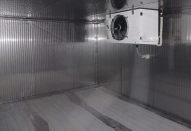
This is even more critical in cold rooms and refrigerated environments. In these areas, the floor works in tandem with door thresholds, insulated panels, gaskets, kick plates, and traffic flow. When the floor is inadequate, the room begins to feel subpar. When the floor is suited to the actual usage conditions, it maintains the room’s standard more naturally.

This is where the Freezewize Cooling System adds more value than a simple material selection discussion. In high-traffic environments, the floor should be considered as part of a broader room performance system that includes movement, hygiene, cleaning access, and long-term serviceability.

Where Stainless Steel Floor Panels Are Most Suitable

They are particularly important in facilities where heavy-duty surfaces, hygiene, and physical usage intersect daily.

The most suitable applications are typically found in the following areas: 

  • Cold storage support rooms.
  • Food processing corridors and access zones.
  • Preparation rooms subjected to repeated washing.
  • Commercial kitchens with wet traffic.
  • Supermarket backroom production areas.
  • Distribution areas with wheeled carts and boxes.
  • Transition zones between cold and ambient temperature operations.

In these areas, a floor panel must do more than just resist wear and tear. It should help the room recover quickly after use, maintain its appearance under pressure, and support a more consistent maintenance routine.

Quick Decision Guide

If the facility meets several of the following conditions, a stainless steel floor panel is generally a better choice: 

  • Frequent washing or wet cleaning routines.
  • Repeated foot and wheeled traffic on the same paths.
  • Operations sensitive to hygiene.
  • Visible backroom standards.
  • Low tolerance for maintenance downtime.
  • Cold room or refrigerated room integration.
  • Long-term ownership planning rather than minimal upfront costs.

A lighter-duty flooring surface may still be suitable for drier, less-used areas with lower visibility. However, if the area is active, wet, subject to inspection, and exposed to daily heavy use, stainless steel is generally more practical from an operational standpoint.

If a hygienic facility relies on the floor remaining durable under pressure, cleanable, and visually uniform, the surface should be selected based on the room’s actual load rather than minimum requirements on paper.

Related Solutions

Projects involving hygienic floor surfaces requiring heavy use are naturally linked to related internal pages such as the following: 

  • Cold room wall and ceiling panels.
  • Hygienic cold room doors.
  • Insulated floor and threshold details.
  • Kick plates and lower wall protection.
  • Waterproof joint systems for washing areas.
  • Door hardware protection for high-traffic rooms.
  • Cold room solutions for food facilities.

These are useful related solutions because floor performance generally improves when surrounding room details are designed to the same standard.

FAQ

Are stainless steel floor panels used only in food facilities?

No. While they are commonly used in food-related environments, they are also suitable for any commercial or industrial area where washing, hygiene requirements, wheeled traffic, and long-term durability are all important.

Do stainless steel floor panels perform well in cold rooms?

Yes. They are particularly effective in cold rooms where frequent entry, wet traffic, cleaning routines, and equipment movement can wear down weak floor surfaces.

What constitutes “heavy-duty” use of a surface in a hygienic facility?

A heavy-use surface is one that can withstand repeated traffic, cleaning exposure, moisture, and daily operational contact without becoming difficult to maintain or showing visible wear.

Are stainless steel floor panels worth the higher initial cost?

In demanding environments, generally yes. The value typically comes from enhanced durability, reduced maintenance needs, superior hygiene performance, and better long-term replacement timing.

What is the most common purchasing mistake?

A common mistake is selecting flooring based primarily on installation cost or basic suitability without fully accounting for traffic volume, cleaning frequency, and how visible the area is during daily operations.

When should a facility switch to stainless steel floor panels?

Generally, when the existing surface wears out prematurely, cleaning performance declines, traffic lanes become damaged, or the room no longer reflects the hygiene and durability standards required by operations.

Conclusion

High-traffic hygienic facilities do not remain efficient by chance. High-contact surfaces remain efficient when selected based on the actual stress they will endure.

When a room must withstand traffic, scrubbing, visible hygiene demands, and long-term operational wear, stainless steel floor panels are often the best choice for maintaining performance.

Whether you’re planning a new hygienic room or replacing a surface that’s already causing issues, it’s worth reviewing the floor as part of the entire operational environment to ensure the next specification supports the facility’s actual operations.

Fill the Form!

Write your needs and fill the form to contact us.

Freezewize | Industrial Cooling Systems & Custom Cold Room Solutions
Merhaba, Size yardımcı olabilir miyiz ?
Whatsapp Destek