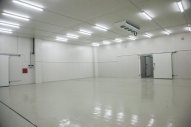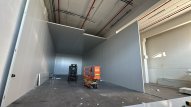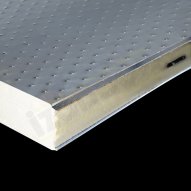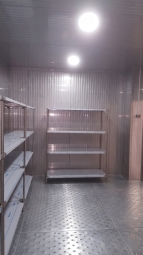





Durable Underfoot Systems for Cold Storage
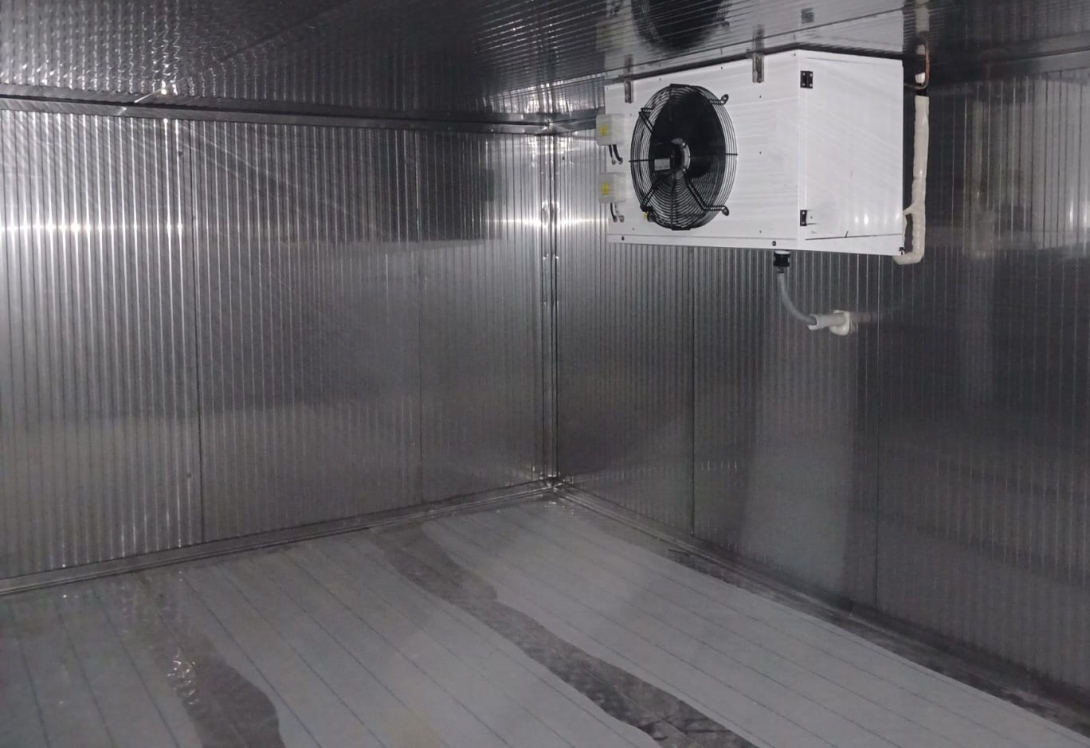
Durable Underfoot Systems for Cold Storage | Stainless Steel Floor Panels
Choose stainless steel floor panels for cold storage areas that need durable underfoot performance, cleaner traffic flow, and lower long-term repair pressure.
Durable Underfoot Systems for Cold Storage
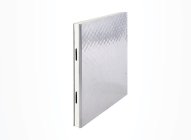
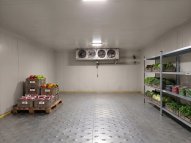
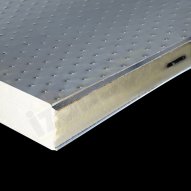
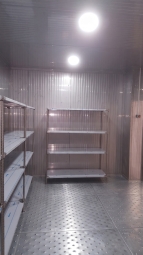
In cold storage, the floor is not just the surface below the room. It is part of the room’s operating system. Stainless steel floor panels are a strong choice when a facility needs underfoot durability that can handle pallet jacks, rolling carts, wet traffic, cleaning routines, and constant daily movement without becoming the first source of wear.
That matters because cold storage floors absorb more than foot traffic. They take repeated wheel pressure, moisture at entries, threshold stress, cleaning exposure, and constant use in the same lanes every day. When the underfoot system is right, the room stays cleaner, moves better, and holds its standard longer.
Where Cold Storage Floors Start Losing Ground
Most cold storage issues don’t start at the walls or the cooling unit. They start from the bottom up.
The floor bears the most repetitive physical stress in the room. Staff move in and out quickly. Carts and racks follow the same routes. Pallet jacks load and unload over the same thresholds. Moisture accumulates near the entrances. Cleaning routines repeatedly affect the same corners, passageways, and work areas. Over time, it becomes clear whether the room’s floor was designed for actual use or merely for installation.
This is particularly true in the following areas:
- Refrigerated rooms with frequent daily access.
- Preparation areas adjacent to freezers.
- Cold storage facilities with pallet movement.
- Food processing and preparation support areas.
- Supermarket backroom refrigeration areas.
- Warehouse cold chain corridors.
- Distribution rooms with repeated hand truck traffic.
In these environments, the floor doesn’t need to deteriorate dramatically to become a problem. It’s enough for it to start wearing down faster than the operation can comfortably tolerate.
Why Does Floor Weakness Lead to Bigger Problems?
A floor that ages prematurely changes the entire feel of the room.
At first, the problem seems minor. Wear appears in traffic lanes. Threshold areas begin to look worn. Cleaning requires more effort. It becomes difficult for certain areas to remain visually consistent with the rest of the room. However, once these signs appear, the floor is no longer just a background surface. It begins to affect labor efficiency, hygiene confidence, maintenance planning, and the room’s overall reliability.
This is the core issue with floor deterioration in cold storage facilities. It creates friction across multiple areas simultaneously:
- Workflow slows down when managing traffic routes becomes difficult.
- Cleaning routines in worn-out areas require more effort.
- Visible wear and tear undermines the room’s professional standards.
- Maintenance teams spend more time monitoring or repairing the same areas.
- Replacement planning comes sooner than expected.
- The room begins to fall short for the operations it serves
Even if a flooring system is technically functional, it may still be the wrong choice. This distinction is important in cold storage facilities because the room is evaluated based on how well it withstands real-world usage conditions every day.
The Risk of Choosing a Floor That Only Appears Durable
A floor may appear durable during a product presentation, but it may prove inadequate in actual use.
This typically occurs when the purchasing decision focuses too narrowly on the presence of basic materials rather than on actual in-service performance. Cold storage floor systems do not operate in isolation. They work in conjunction with door thresholds, insulated panels, traffic flow, gaskets, lower wall protection, and cleaning access. If the floor is not suited to these combined demands, it often becomes the first weak link.
The operational risks are clear:
- Increased wear at door entrances and turning points.
- Earlier surface fatigue in high-traffic lanes.
- Greater exposure to maintenance demands in wet-use areas.
- More challenging hygiene control in visually sensitive back areas.
- More frequent repair downtime.
- A replacement cycle shorter than the buyer initially planned.
This is why durable flooring systems are essential. The flooring must simultaneously support movement, cleaning, and long-term ownership logic.
Stainless Steel Floor Panels and Lighter-Duty Flooring Options
For cold storage facilities, the most useful comparison isn’t just between premium and standard options. It’s about suitability under repeated cold room pressure.
| Decision Factor | Stainless Steel Floor Panels | Lighter-Duty Floor Options |
|---|---|---|
| Repeated rolling traffic | Better suited for carts, racks, and pallet jacks | More likely to fatigue in concentrated load paths |
| Entry and threshold stress | Strong fit for high-contact movement zones | Often weaker around crossings and turning points |
| Moisture and cleaning exposure | Better for wet traffic and routine cleaning | More vulnerable to long-term wear in active rooms |
| Hygiene presentation | Supports a cleaner, more controlled room appearance | Can show visual decline sooner |
| Maintenance pressure | Lower long-term disruption when correctly specified | More likely to need patching or earlier repair |
| Cold storage suitability | Strong fit where traffic, moisture, and durability overlap | Better limited to lighter-duty conditions |
Not every refrigerated area requires the heaviest possible flooring structure. However, when the room is active, has heavy traffic, and is expected to remain clean and reliable under pressure, stainless steel typically offers a stronger long-term solution.
What Does the Right Flooring System Solve?
A stainless steel floor panel solves multiple problems at once. This is why it is valuable in cold storage facilities.
First, they support durability under repeated traffic. In many cold storage rooms, tire tracks are inevitable. The same carts, racks, and pallet jacks use the same routes every day. The floor must be able to withstand this repetition without quickly becoming a problem requiring maintenance.
Second, it provides a cleaner room environment. Cold storage facilities are not only heavily used but also heavily cleaned. A more durable floor surface helps the room return to a controlled standard more quickly after daily use.
Third, it preserves the visual condition of the space. In food-related facilities and visible kitchen back-of-house areas, a floor that appears worn out too early can make the entire room look older and more disorganized.
Fourth, it fosters a sense of ownership. Buyers aren’t just paying for a surface. They decide how much repair pressure, downtime risk, and replacement frequency they’re willing to accept over time.
This is where the Freezewize Cooling System typically offers a broader perspective. In cold storage facilities, the floor panel should be considered as part of a comprehensive flooring system that includes room access, threshold details, traffic volume, cleaning routines, and surrounding protective elements. This systems-based perspective helps facilities avoid features that may seem adequate at first glance but later cause problems.
Factors to Consider Before Selecting a Floor
The best flooring decisions stem from understanding how the room actually operates.
Before selecting a stainless steel floor panel, it is helpful to evaluate the following:
- How frequently pallet jacks or carts use the room.
- Whether traffic is light circulation or constant movement.
- Where stress is concentrated at thresholds and turning points.
- How often the floor is cleaned or washed.
- Whether the room has visible hygiene expectations.
- How much downtime the operation can tolerate.
- How the floor connects to doors, panels, gaskets, and transitions.
A durable flooring system is not just about material thickness or appearance. It is about whether the floor supports the room’s actual traffic patterns, service rhythm, and long-term operational standards.
Quick Decision Guide
If a cold storage room meets most of the following conditions, a stainless steel floor panel is generally the better choice:
- Regular pallet jack, hand truck, or rack traffic.
- Frequent entry and exit cycles.
- Moisture or wet traffic near access points.
- Repeated cleaning routines.
- Visible hygiene expectations.
- Low tolerance for maintenance downtime.
- A focus on long-term ownership costs rather than just the lowest initial cost.
A lighter-duty flooring approach may still work in cold storage rooms where movement is limited, daily use is gentler, and traffic is low. However, if the room is high-traffic, wet, and operationally demanding, a more robust flooring system generally prevents more problems than it creates.
If the floor is carrying the room’s daily load, it should be designed as a functional system, not merely as a background covering.
Related Solutions
Projects focused on durable flooring systems for cold storage facilities are naturally linked to related solutions such as the following:
- Sanitary cold room doors.
- Reinforced threshold details for pallet jack traffic.
- Insulated wall and ceiling panels.
- Seamless joint systems for easier cleaning.
- Kick plates and lower wall protection.
- Door hardware protection in high-impact access areas.
- Cold room and freezer room traffic planning solutions.
These are important because when surrounding room details are designed to meet the same traffic, hygiene, and maintenance requirements, floor durability increases.
FAQ
Are stainless steel floor panels suitable for cold storage facilities?
Yes. They are generally very suitable for cold storage facilities that face repeated traffic, exposure to moisture, cleaning routines, and the demands of long-term durability.
What does the “underfloor system” mean in cold storage facilities?
It refers to more than just the floor panel itself. It encompasses the floor’s relationship with thresholds, traffic lanes, room access points, cleaning routines, and surrounding protective details.
Why do cold storage floor panels wear out faster near doors?
Door areas are exposed to repeated movement, moisture, threshold crossings, and turning pressure. This makes them one of the first areas where flooring with inadequate properties begins to wear out.
Are stainless steel floor panels worth the higher initial cost?
In rooms with harsh conditions, generally yes. Compared to lighter solutions, they can reduce maintenance burdens, increase long-term durability, and delay the need for replacement.
What is the most common mistake in cold storage flooring?
One of the biggest mistakes is selecting flooring based on static room conditions rather than actual traffic patterns, cleaning exposure, and daily operational wear and tear.
When should a facility switch to a more durable floor panel system?
Generally, when the existing floor shows signs of repeated traffic lane wear, threshold fatigue, deteriorating cleaning performance, or a clear mismatch between room usage and floor durability.
Conclusion
Cold storage facilities remain reliable when the flooring is selected based on the actual stress it is subjected to.
When traffic, humidity, hygiene expectations, and daily wear and tear converge in the same refrigerated area, stainless steel floor panels are typically the best choice for maintaining long-term performance.
If you are planning to build a new cold storage facility or are currently evaluating a room where the floor is under stress, it would be beneficial to assess the entire traffic and cleaning regimen before making your next flooring selection.