




Freezewize | Industrial Cooling Systems & Custom Cold Room Solutions

Sanitary Flooring Without Surface Failure

Scratch-Resistant Hygienic Floor Coverings | Stainless Steel Floor Panels

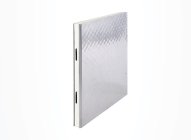
Prevent cracking, wear, corrosion, and hygiene-related floor damage with stainless steel floor panels designed for use in sanitary facilities and cold rooms.

Scratch-Resistant Hygienic Floor Covering

In sanitary facilities, the floor often deteriorates before the room does. Stainless steel floor panels are used when operators need a surface that can withstand washing, wheeled traffic, cleaning chemicals, and daily wear and tear without creating hygiene or maintenance issues.

This is important because surface deterioration is rarely just a cosmetic issue. When a hygienic floor begins to deteriorate, cleaning becomes less reliable, regulatory scrutiny increases, and the room begins to lose the controlled standard it was built to maintain. In cold rooms, preparation areas, and food processing facilities, the floor must not only remain clean but also stay durable.

The Problem Begins When the Floor Stops Acting Like a Hygienic Surface

A hygienic floor does not fail only when it collapses or becomes unusable. The surface begins to fail the moment it stops supporting the cleaning, traffic, and hygiene routines the room relies on.

This is a common problem in high-traffic commercial and industrial facilities. A floor may look acceptable when first installed, but it can begin to show signs of stress once actual operations begin. Staff come and go all day long. Carts and shelves follow the same paths. Pallet jacks cross thresholds. Water, product residue, and cleaning agents repeatedly impact the surface. In refrigerated and cold storage areas, condensation and wet traffic create even more stress.

At this point, the floor is no longer being tested as a building material, but as a working surface.

The first warning signs are often subtle:

  • Visible wear in traffic lanes.
  • Early edge fatigue near walls or thresholds.
  • Stains that become increasingly difficult to remove completely.
  • Dulling of the surface in high-traffic hygienic areas.
  • Recurring maintenance needs in the same areas.
  • A growing mismatch between the room’s standard and the condition of the floor.

When these signs appear, the issue is not just durability. It is suitability. The floor can no longer keep pace with the facility’s actual operations.

Why Surface Damage Quickly Turns into a Hygiene Problem

In hygienic environments, a weak floor does more than just cause wear and tear. It also raises suspicion.

If the surface is no longer consistent, maintaining a standard level of cleanliness becomes difficult. If certain areas retain residues, hold moisture for longer periods, or show visible deterioration too early, the facility must expend more labor to maintain the same level of confidence. This is where surface deterioration becomes an operational burden.

This is particularly important in the following areas:

  • Food processing support areas.
  • Commercial kitchens.
  • Washing areas.
  • Cold rooms and refrigerated rooms.
  • Supermarket preparation and storage areas.
  • Refrigerated processing areas.
  • Kitchen backrooms with visible hygiene requirements.

In these environments, buyers don’t choose flooring just for its appearance. They select a surface that must maintain its integrity under real-world conditions. If the surface begins to deteriorate, it becomes harder to trust that room, maintenance becomes more difficult, and usage becomes more expensive.

The Risk of Choosing a Floor That’s Only Hygienic on the First Day

Some flooring systems appear hygienic upon installation, but lose this advantage once physical use begins.

This is the real risk. A floor may still be technically in place, but it can still be the wrong choice because it has begun to wear, corrode, or deteriorate in areas where hygiene is most critical. In this case, the result is not a single dramatic failure event. It is a series of daily disadvantages:

  • More time is spent cleaning worn-out areas.
  • Increased maintenance demands around seams, corners, and transitions.
  • Premature visual aging in otherwise well-constructed rooms.
  • More repair planning in active work areas.
  • Increased concern during inspections and internal tours.
  • A growing perception that the facility’s technical specifications are inadequate.

These issues are significant in the U.S. market because facility teams are already striving to balance labor efficiency, hygiene performance, uptime, and cost of ownership. A floor that loses surface reliability places an additional burden on all four of these factors.

The Comparison That Clarifies the Decision

The best comparison for hygienic facilities is not simply a comparison between stainless steel and another material category. The real comparison is between a floor that maintains its hygienic performance under pressure and a floor that only appears adequate at the outset.

Decision FactorStainless Steel Floor PanelsLighter-Duty Hygienic Floor Options
Surface Integrity During CleaningIdeal for repeated hygiene routinesHigher likelihood of premature surface degradation
Consistent hygiene over timeProvides a more stable and cleanable surfaceConsistent maintenance may become more difficult
Resistance to traffic-induced wearMore suitable for repeated pedestrian and wheeled trafficGenerally weaker in high-traffic areas
Exposure to corrosion and moistureMore suitable for wet areas in the long termHigher risk of premature failure
Cold room integrationMore suitable in areas where condensation and foot traffic intersectMay only be suitable for environments with lower traffic
Maintenance considerationsLess long-term burden when properly specifiedHigher likelihood of triggering the need for repairs and replacements

This does not mean every project must be over-engineered. It means acknowledging that sanitary floor coverings degrade differently from ordinary floor coverings. The surface degrades when it ceases to function as a sanitary asset.

Why Do Stainless Steel Floor Panels Solve the Problem?

Stainless steel floor panels are valuable because they eliminate the real reason behind the poor performance of hygienic floors: these floors lose their surface integrity with repeated use.

In hygienic environments with heavy traffic, surfaces must be durable enough to withstand foot traffic, robust enough to endure repeated cleaning, and consistent enough to maintain the room’s hygiene standards. This is where stainless steel offers a practical solution.

It provides better cleanability in areas with high cleaning frequency. It withstands repeated pressure from vehicles, shelves, and pallet jacks. It performs well in wet environments where the risk of corrosion and surface degradation may arise sooner than expected. Additionally, it helps maintain a more controlled and professional appearance of the room over time.

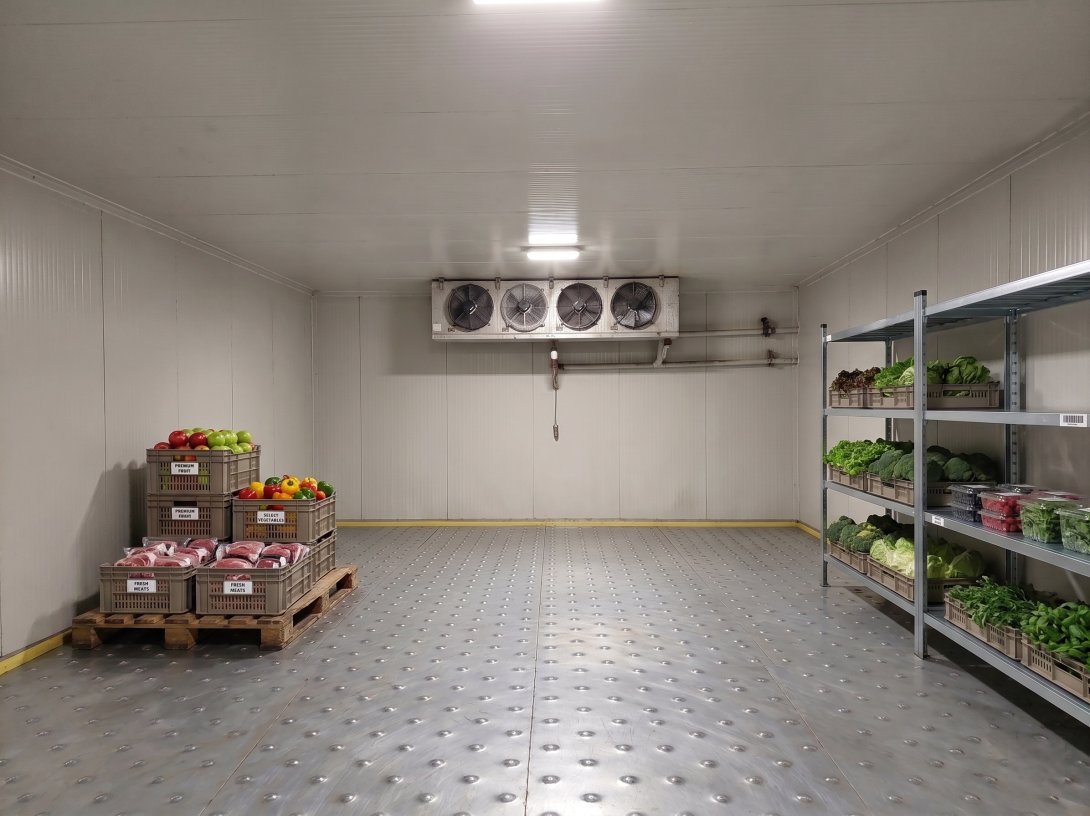
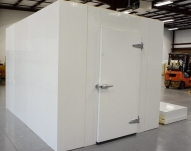
This becomes even more critical in cold rooms and refrigerated work areas. In these spaces, the floor is part of a broader operational system that includes insulated panels, door thresholds, gaskets, lower wall protection, traffic flow, and cleaning access. If issues arise with the floor surface, the entire room’s organization begins to break down.

For this reason, the Freezewize Cooling System approaches hygienic floor properties not merely as a material-based decision, but as a decision related to room performance. In facilities where hygiene and durability must coexist daily, the floor should be selected not just based on basic suitability criteria, but according to actual working conditions.

Ideal Applications for High-Performance Hygienic Floor Coverings

Stainless steel floor panels are particularly useful in areas where daily operations place constant demands on both hygiene and durability.

The most suitable applications typically include:

  • Cold rooms with frequent entry and exit.
  • Food preparation and processing support areas.
  • Washable hallways.
  • Back-of-house areas in commercial kitchens.
  • Refrigerated work areas in supermarkets.
  • Prep rooms containing carts and boxes.
  • Hygienic areas subject to visible inspection requirements.

These are areas where simply having a floor installed is not enough. The floor must be reliable.

Quick Decision Guide

A stainless steel floor panel is generally a more durable choice in situations where several of the following apply:

  • Repeated washing or aggressive cleaning routines.
  • Regular foot traffic and wheeled vehicle traffic.
  • Exposure to moisture or condensation cycles.
  • Hygiene-sensitive operations.
  • Visible kitchen back-of-house standards.
  • Low tolerance for downtime due to repairs.
  • A long-term ownership perspective rather than just the lowest initial cost.

In areas with less traffic, drier conditions, and lower exposure risks, a lighter-duty hygienic flooring may still be acceptable. However, if the room is active, wet, hygiene-critical, and difficult to close for repairs, stainless steel typically offers a more reliable long-term solution.

If the floor must remain hygienic under heavy use, it should be selected not only to look clean during installation but also to be resistant to surface degradation.

Related Solutions

Projects focused on hygienic flooring are naturally linked to related solutions such as the following:

  • Hygienic cold room doors.
  • Insulated wall and ceiling panels.
  • Reinforced threshold details.
  • Watertight panel connections for washable areas.
  • Kick plates and lower wall protection.
  • Equipment protection in high-traffic rooms.
  • Cold room and refrigeration room system upgrades.

These are important because hygienic floor performance improves when adjacent room details are designed to the same standard.

FAQ

What does surface degradation mean in sanitary flooring?

This means the floor is beginning to lose the surface conditions necessary for reliable cleaning, hygiene control, and long-term durability. This can manifest as wear, corrosion, hard-to-clean areas, or premature visual deterioration.

Are stainless steel floor panels a good option for hygienic facilities?

Yes. They are generally a strong choice in hygienic environments where washing, moisture, wheeled traffic, and hygiene expectations come together every day.

Why is surface degradation such a serious issue in food and cold storage environments?

Because when the surface loses its smoothness, cleaning becomes more difficult, maintenance requirements increase, and the room may lose the controlled hygiene standard it needs to maintain.

Can a floor still be a poor hygienic choice even if it remains functional?

Yes. A floor can remain usable even while causing hygiene, maintenance, and appearance issues. In hygienic areas, this is often enough to make it the wrong solution in the long run.

Where does wear typically appear first on hygienic floors?

Early wear is most commonly seen in traffic lanes, thresholds, turning points, wet areas, and areas subject to repeated cleaning or the movement of wheeled equipment.

When should a facility switch to stainless steel floor panels?

Generally, when the existing floor begins to show early surface deterioration, becomes difficult to clean consistently, or creates a burden of repeated maintenance in hygiene-sensitive areas.

Conclusion

A hygienic floor does not fail only when it breaks. The surface fails when it can no longer meet the standards for which the room was built.

When hygiene, moisture, traffic, and repeated cleaning converge in the same area, stainless steel floor panels are often the solution that prevents surface failure from becoming an operational issue.

If you are planning to renovate a hygienic room, replace a cold room floor, or construct a new hygienic facility, it is worth evaluating not only how the surface looks on installation day but also how it will perform once actual use begins.

Fill the Form!

Write your needs and fill the form to contact us.

Freezewize | Industrial Cooling Systems & Custom Cold Room Solutions
Merhaba, Size yardımcı olabilir miyiz ?
Whatsapp Destek