




Durable Junctions for Modular Rooms
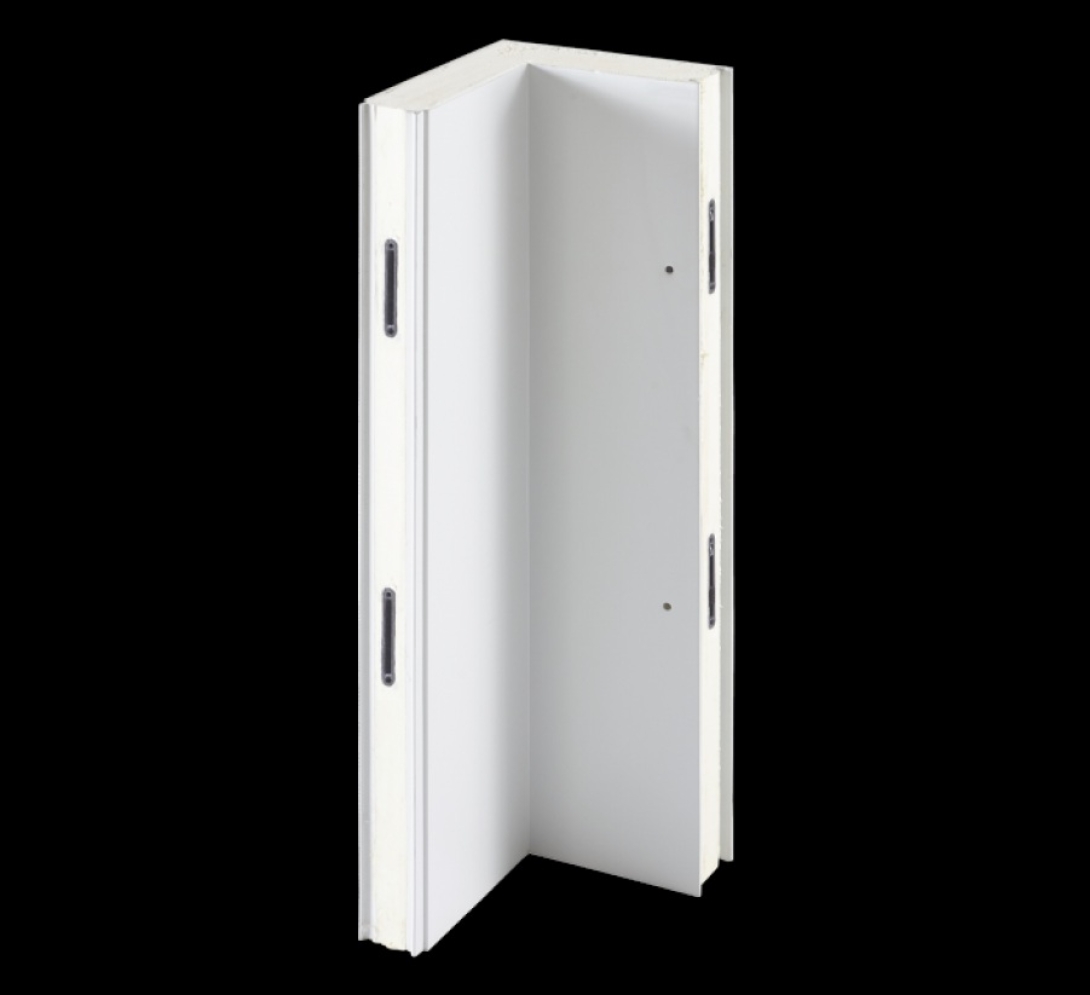
Corner Panels for Durable Joints in Modular Cold Rooms
Durable joints make modular cold rooms cleaner, more stable, and easier to maintain. The right corner panel reduces wear, alignment issues, and long-term friction.
Durable Joints for Modular Rooms
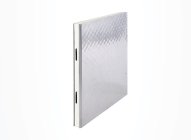
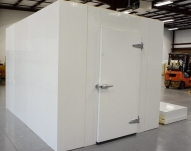
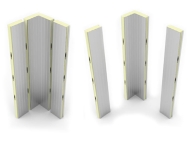
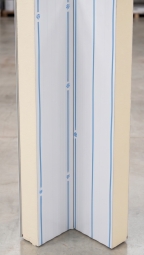
A cold room corner panel helps create more durable joints in modular rooms by reinforcing one of the connection points in the enclosure that is most exposed to stress. It improves the alignment of adjacent wall planes, provides a cleaner surface, and makes the room easier to maintain under daily traffic, cleaning, and operational use.
This is important because modular rooms are evaluated not only by their panels but also by their connection points. A room may be well-insulated and properly installed, but if the connection points appear weak, exposed, or difficult to keep clean, the entire structure begins to appear less durable than it should be. In real-world facilities, corners and connection points are where long-term reliability is either reinforced or compromised.
Points Where Modular Rooms Begin to Show Stress
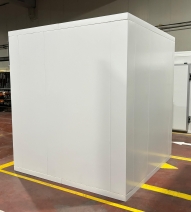
Modular rooms are designed for speed, flexibility, and controlled installation. This is part of their value. However, modular construction also places greater emphasis on how components are connected to one another.
In a cold room, a joint is not a minor detail. This is where panel tolerances, surface quality, cleaning pressure, and daily movements converge. If this area is poorly addressed, the room will begin to show signs of wear early on. Corners are subjected to contact from carts, shelves, and pallet jacks. Cleaning crews repeatedly bump into the same turning points. Personnel movement pushes traffic toward the perimeter of the room. Over time, the joint becomes one of the clearest indicators of whether the room was designed for actual use or merely for assembly.
This is particularly critical in food service establishments, commercial kitchens, supermarkets, warehouse cold storage facilities, and processing environments across the U.S., where operators expect both quick setup and durable daily performance from modular rooms.
Why Do Weak Joints Lead to Long-Term Costs?
Even if a modular room is technically complete, it may contain weak points that emerge after delivery.
This often starts at the seams. If a corner is exposed, loose, or visually inconsistent, the issue rarely remains purely cosmetic. It becomes part of the daily operational burden. Cleaning becomes slower. Minor surface wear becomes more noticeable. Minor finish inconsistencies repeatedly draw attention. The room may still be functional, but it begins to give the impression that it requires more maintenance than it should.
Typical problems caused by weak joints include:
- Premature wear at frequently touched intersections.
- Wall transitions that are harder to clean.
- More frequent touch-ups at corners.
- A weaker impression of hygiene during inspections.
- Faster deterioration of the appearance of back areas.
- A growing sense that the room was not built robust enough for its intended use.
That’s why durability at connection points is crucial. In modular rooms, the weak point is usually not the panel area. The weak point is where the parts come together and daily use begins to strain the structure.
A Comparison That Truly Helps Buyers Make a Decision
The key decision is not simply whether it is standard or upgraded. What matters is whether the connection strategy is suitable for the room’s actual operating pressure.
| Connection Point Approach | Most Appropriate | Main Advantage | Main Limitation |
|---|---|---|---|
| Basic corner connection point | Service rooms with low demand | Simple initial construction logic | More susceptible to wear, friction during cleaning, and visible aging |
| Corner repair completed on-site | Renovation or budget-conscious projects | Can improve the appearance after installation | Largely depends on on-site application and may age unevenly |
| Special cold room corner panel | Professional modular cold rooms | Better durability, cleaner transitions, and lower long-term friction | Requires better planning during layout and specification |
A simpler corner configuration may be acceptable for areas with low usage. However, it is generally unacceptable for rooms that are frequently cleaned, have heavy traffic, or are subject to stricter standards.
What’s Really Needed for Durable Joints
A durable joint isn’t just about appearance. It’s ensured by verifying how the connection performs during use.
This means the corner must do more than simply cover the joint line. It should help the room withstand repeated contact, provide a cleaner transition, and reduce the likelihood that the corner will be the first place where wear and tear becomes visible. This is particularly important in modular rooms, as overall construction quality is often judged by the consistency of the joints.
A well-fitting cold room corner panel supports the stability of the joint in various practical ways. It helps create a more controlled surface where wall planes change direction. It protects the sensitive area from repeated traffic contact. It reduces the visual and maintenance burden caused by exposed, awkward, or easily worn transitions. Additionally, it helps the room maintain a more uniform appearance over time; this is important in facilities where visible standards still impact operational confidence.
This is where coordinated design becomes crucial. The best results are achieved when corner panels are evaluated in conjunction with insulated wall panels, door frames, gaskets, thresholds, floor transitions, and protective details. This is the logic behind the Freezewize Cooling System: not a collection of independent parts, but a modular cold room solution designed based on how actual operating pressure affects the entire enclosure.
Why Are Durable Corners More Important in Modular Construction?
Modular rooms are typically preferred because they offer faster installation, clearer project planning, and more predictable assembly. However, this efficiency creates higher expectations regarding fit, finish, and long-term performance.
Buyers don’t just want a room that can be quickly assembled. They want a room that remains controlled and functional even after months of use involving cleaning, foot traffic, and temperature fluctuations. If connection points fail prematurely, the perceived value of the modular structure declines along with them.
Therefore, a durable corner design is not merely a luxury finish. It is part of preserving the cost of ownership over time. Better connection points reduce the likelihood of needing repeated visual touch-ups, early replacement of damaged parts, or extra labor at the same problematic spots. In facilities where downtime, readiness for inspection, and labor efficiency are critical, this represents a significant advantage.
Quick Decision Guide
A specialized corner panel strategy is generally advisable in the following situations:
- There will be regular staff traffic in the modular room.
- If hand trucks, shelves, or pallet jacks are moving in the area.
- Cleaning routines are frequent or aggressive.
- If the room must meet a higher visual standard.
- If maintenance tolerance is low.
- Long-term durability is more important than the lowest initial cost.
A simpler connection approach may be acceptable in the following situations:
- The room is a low-traffic area focused on functionality.
- Surface quality expectations are modest.
- Cleaning frequency is limited.
- The risk of contact at corners is minimal.
- The area is not subject to strict inspection or presentation pressure.
If the room is expected to be used intensively every day, the safer choice is typically to address the durability of connection points as a requirement in the specifications rather than as a coating issue to be resolved later.
Related Solutions
Projects focused on durable joints for modular rooms typically also benefit from the following related solutions:
- Insulated cold room wall panels.
- Hygienic connection and sealing details.
- Modular cold room door systems.
- Threshold details for hand truck and pallet jack movements.
- Stainless steel protection for high-contact wall areas.
- Floor-to-wall transition solutions.
- Cold room and freezer room upgrade packages.
These elements are important because durable modular performance is achieved not by a single component, but through coordinated details.
FAQ
Why are connection points so important in modular cold rooms?
Because modular rooms depend on how well the separate components fit together. If the connection points are weak, the room becomes harder to clean, more prone to damage, and more likely to show premature wear.
Is a cold room corner panel primarily a finishing accessory?
No. It enhances the finish quality, but its primary role is to protect one of the most heavily stressed areas of the room and help the enclosure remain more durable over time.
When should buyers prioritize durable corner panels?
Durable corner panels should be prioritized if the room will be cleaned frequently, exposed to heavy traffic, subject to visible work standards, or in constant contact with vehicles and equipment.
Can a better connection design reduce maintenance requirements?
Yes. Better-controlled corners typically reduce the need for repeated touch-ups, slow down visible wear, and make it easier for the room to maintain a consistent appearance during normal operation.
Are modular rooms more susceptible to defects in corner details?
Generally, yes. Since modular construction relies on components fitting together seamlessly, weaknesses at the corners become noticeable more quickly and can negatively impact the room’s overall quality.
Should durable joint planning be done in the early stages of the project?
Yes. The durability of connection points yields the best results when incorporated into the room’s layout and specifications from the start, rather than being corrected after installation.
Conclusion
Modular rooms perform best when connection points are constructed not just for the initial assembly, but to withstand actual usage conditions.
If the corners are not durable, the modular room cannot maintain its standards over the long term.
If you are planning a new refrigerated room or improving modular technical specifications, it would be beneficial to review the corner panel strategy early on to ensure the finished installation provides smoother transitions, greater durability, and less long-term wear and tear.