




Freezewize | Industrial Cooling Systems & Custom Cold Room Solutions

Smarter Corner Design for Cold Storage

Smart Corner Design for Cold Storage Rooms | Cold Storage Room Corner Panel Guide

A smarter cold storage corner design improves hygiene, protects wall intersections, reduces maintenance requirements, and helps cold rooms maintain their airtightness over time.

Smarter Corner Design for Cold Storage Facilities

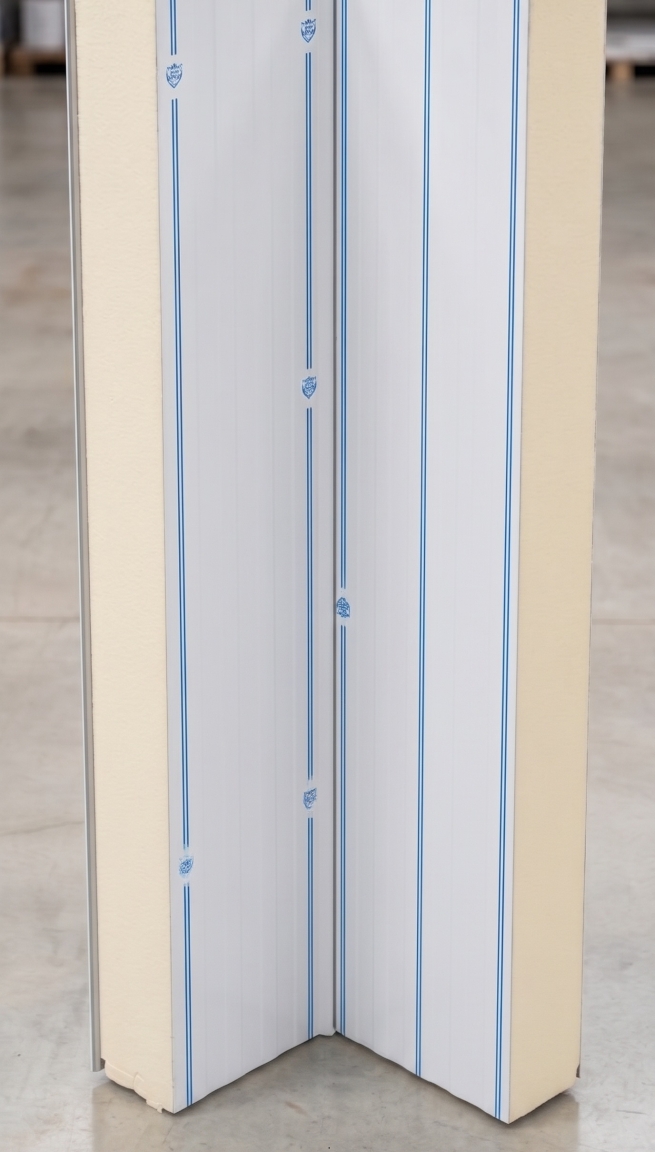
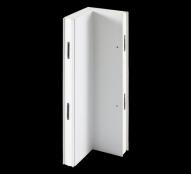
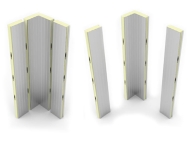
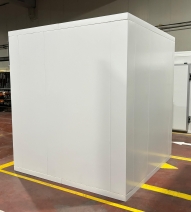
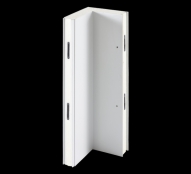
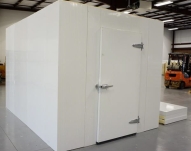
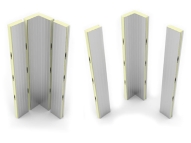
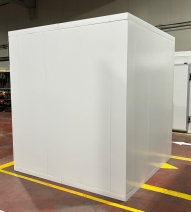
The cold room corner panel supports a smarter cold storage design by improving the performance of wall intersections in terms of cleaning, impact resistance, airtightness, and long-term daily use. It helps transform a delicate geometric point into a more durable and manageable part of the room.

This is important because corners are typically the first places where stress occurs in cold storage rooms. If corner transitions are poorly resolved, the room may still function, but it becomes harder to clean, more prone to damage, and more likely to fail during actual use.

What Goes Wrong in Cold Storage Room Corners

Many problems in cold storage rooms do not start with a major failure. These issues begin at points that are treated as secondary details during the design phase and are subjected to daily wear and tear after delivery.

Corners are one of the clearest examples of this.

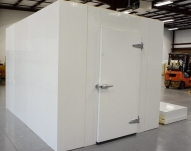
In an operational cold storage environment, wall intersections are never left untouched. Staff move quickly. Vehicles pass very close to the room’s edges. Pallet jacks bump into the edges. Cleaning crews repeatedly bump into the same intersections. Moisture control depends on continuity, but maintaining continuity is more difficult if the room geometry is sharp, exposed, or poorly finished.

This is why smart corner design is important. A corner is not just where two panels meet. It is part of the room’s working surface. If not properly addressed, it begins to create friction that spreads to cleaning routines, maintenance burdens, and overall facility standards.

2Why Does Poor Corner Design Lead to Bigger Problems Over Time?

A corner may appear complete on installation day, but it can still turn out to be a poor choice in the long run.

This usually happens when the transition is technically sealed but wasn’t actually designed for use. It may maintain the room temperature, but the corner begins to show signs that it wasn’t built for the daily reality of the space.

Common issues include:

  • Edges that wear down faster than the surrounding surfaces.
  • Seam lines that are tighter and harder to clean.
  • Visible damage due to repeated foot traffic.
  • Inconsistencies in the flooring around the room.
  • Requires more attention during hygiene checks.
  • A growing sense that the room is aging prematurely.

For food establishments, commercial kitchens, supermarkets, processing rooms, and distribution environments, these are not merely cosmetic issues. They affect labor time, the reliability of inspections, and how reliably the area maintains its standards during repeated use.

The Real Risk of Treating Corner Covering Details Lightly

Improper corner treatment may not shut down the operation, but it can still create unsafe working conditions.

This is a distinction many buyers overlook. A weak corner detail does not always fail dramatically. More often than not, it leads to recurring costs and recurring inconveniences. Over time, this can result in:

  • Slower cleaning routines.
  • The need for more frequent maintenance and touch-ups.
  • More noticeable wear in high-traffic areas.
  • A less hygienic appearance.
  • Increased wear at wall joints.
  • The need for earlier replacement in high-traffic rooms.
  • A lasting impression that the room was not fully thought through.

This is particularly true in U.S. facilities where downtime, labor efficiency, audit readiness, and visible back-of-house organization are critical. A room that is harder to keep clean or more prone to damage ends up being more expensive than it appears at first glance.

Smarter Design Means Better Control at Junctions

Smart corner design isn’t about adding decoration. It’s about improving control where geometry, traffic, and cleaning demands converge.

This control is important because corners do more than just affect appearance. They also determine how well the room withstands repeated contact, how easily staff can clean high-traffic areas, and how consistently the room maintains its appearance over time.

A smarter corner solution typically offers three practical advantages:

  • Easier-to-maintain, cleaner transitions.
  • Better protection at exposed wall junctions.
  • Greater continuity across the entire refrigerated unit.

When these three factors improve together, the room feels more planned and less reactive. This is the difference between a room that merely fulfills its function and one that continues to operate without absorbing unnecessary friction.

A Comparison That Helps Buyers Make Decisions

The most useful comparison is not between basic and premium. The real comparison is between a reactive cornering approach and a purpose-driven cornering design.

Corner ApproachMost AppropriateMain AdvantageMain Limitation
Basic sharp-corner designLow-demand auxiliary applicationsSimple initial applicationIt is more exposed to cleaning and impact wear
Additional field cutting solutionRenovation or repair situationsQuickly protects sensitive areasIt is generally highly dependent on the quality of the site finish
Special cold room corner panelProfessional cold storage environmentsBetter protection, cleaner geometry, lower long-term frictionRequires proper planning with the panel system

The more demanding the application, the more significant this difference becomes. A rarely used utility room may allow for more compromises. A cold storage facility with heavy traffic typically cannot tolerate this.

When a Cold Room Corner Panel Is the Right Solution

When the room needs to remain cleaner, tighter, and more controlled during daily use, a specialized corner panel is the better choice.

This is particularly true when the facility requires frequent cleaning, repeated vehicle traffic, stricter hygiene standards, or when a visible operational standard must be maintained during inspections, audits, or customer visits. In these environments, the corner of the room should not remain the weakest point in the structure.

A suitable cold room corner panel helps by reducing the stress on exposed joints, protecting one of the most frequently impacted areas, and creating a more manageable transition line between adjacent wall planes. It also helps the room achieve a more cohesive appearance with nearby doors, gaskets, floor transitions, and protective elements.

This system philosophy is where the Freezewize Cooling System naturally excels. High-performance cooling zones are not composed of independent parts. Panels, corners, hardware, thresholds, and protective details perform better when evaluated as a unified whole from the outset.

Quick Decision Guide

A smarter corner panel strategy is generally advisable in the following situations:

  • Traffic is heavy near the perimeter of the wall.
  • Hygiene routines are strict or repetitive.
  • If the room needs to maintain a clean and professional appearance.
  • There is a real risk of collisions with hand trucks or pallet jacks.
  • The total cost of ownership over time is more important than the lowest initial cost.
  • The facility cannot tolerate premature wear and tear.

A simpler approach may be acceptable in the following situations:

  • If room traffic is low.
  • Surface quality standards are modest.
  • Cleaning frequency is limited.
  • The risk of environmental damage is minimal.
  • If the installation prioritizes functionality over aesthetics.

If the room will be heavily used, cleaned frequently, and expected to look good for years, a smarter corner design is generally a safer choice.

Related Solutions

Projects requiring better corner design often also benefit from the following related solutions:

  • Insulated cold room wall panels.
  • Hygienic joint and sealing details.
  • Cold room doors with coordinated frame integration.
  • Stainless steel protection for high-contact areas.
  • Threshold and floor transition solutions.
  • Wall protectors for hand truck and pallet jack traffic.
  • Cold room and freezer room cladding improvements.

These solutions deliver the best results when planned as part of the same operational logic, rather than being added as an afterthought.

FAQ

Why is corner design important in cold storage facilities?

Because corners wear out daily due to cleaning, movement, and contact. If not properly designed, they often become early wear points and areas requiring constant maintenance.

Is a cold room corner panel primarily about aesthetics?

No. Aesthetics improve, but the real value lies in providing better protection, easier cleaning, and stronger control at one of the room’s most vulnerable intersection points.

When is a basic corner insufficient?

If the room has heavy traffic, stricter hygiene routines, greater regulatory pressure, or requires better long-term durability, a basic corner is the wrong choice.

Can a smarter corner design reduce ownership costs?

In many facilities, yes. It can reduce repetitive repairs, slow visible wear and tear, and make routine cleaning and maintenance tasks less labor-intensive over time.

Should corner panels be planned in the early stages of a project?

Yes. Corner panels deliver the best results when coordinated from the start with wall panels, floor details, door openings, gaskets, and expected traffic flow.

Are corner panels suitable for both refrigerators and freezers?

Yes. Both environments benefit from more robust wall junctions, especially where durability, cleanability, and exterior continuity are critical for daily operations.

Conclusion

If the goal is a clean, durable, and operationally efficient room, the corners of cold storage facilities should not be left to chance.

A smarter corner design protects the room where daily wear and tear is most likely to reveal weaknesses.

If you are planning a new refrigerated space or improving an existing layout, it would be beneficial to review the corner strategy early on to ensure the finished room has fewer security vulnerabilities and is more manageable in the long term.

Fill the Form!

Write your needs and fill the form to contact us.

Freezewize | Industrial Cooling Systems & Custom Cold Room Solutions
Merhaba, Size yardımcı olabilir miyiz ?
Whatsapp Destek