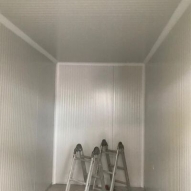





Corner Integrity Under Daily Washdown
Durability of Cold Room Corners Under Daily Cleaning Conditions | Improved Hygienic Room Performance
Daily cleaning puts stress on corner joints. The right cold room corner panel helps protect wall intersections, support hygiene, and reduce premature wear in wet cleaning environments.
Corner Integrity During Daily Cleaning
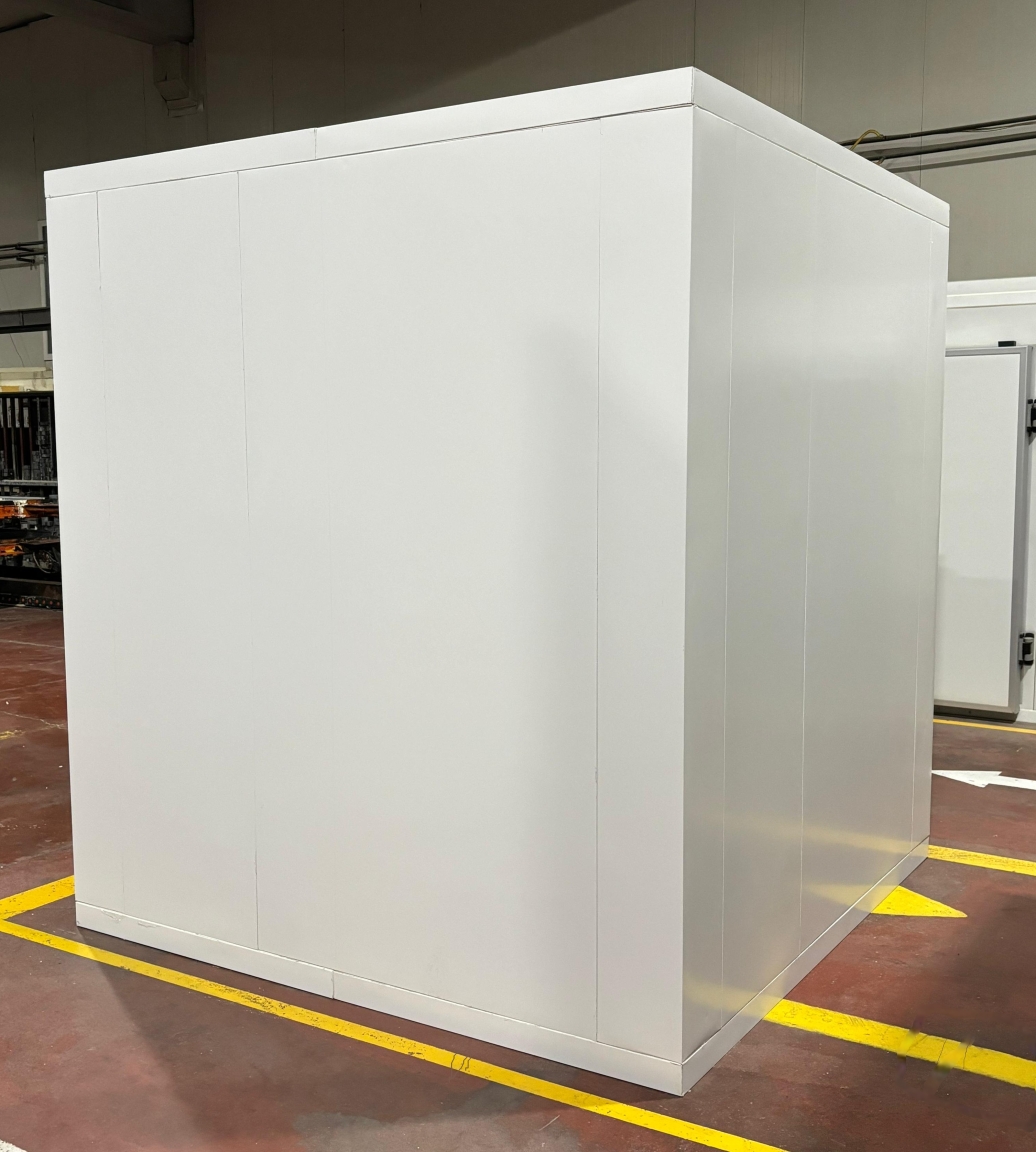
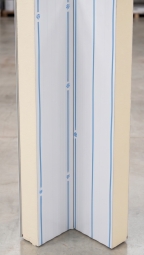
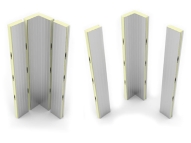
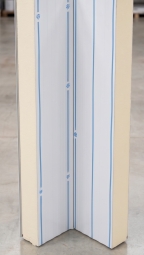
The cold room corner panel helps maintain corner integrity under daily washing by protecting sensitive intersections, supporting tighter transitions, and reducing wear caused over time by repeated exposure to water, cleaning chemicals, and hygiene routines.
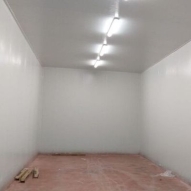
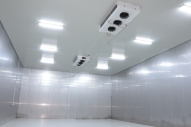
This is important because corners are where hygiene demands translate into physical stress. In high-traffic cold storage, food processing, and kitchen back-of-house areas, a room may look good at first glance, but repeated washdowns quickly reveal weak geometry, inconsistent joints, and surfaces never designed for daily wet cleaning.
Where Washing Begins to Damage the Room
Most cold rooms do not deteriorate because the insulated wall area is flawed. Quality loss begins at the edges, transition points, and corners—the areas most affected by daily use.
Washing is one of the most obvious causes of this.
In facilities where regular cleaning cycles are implemented, corners are repeatedly exposed to water, foam, brushes, pressure, and chemical cleaning agents. At the same time, these corners may also be subjected to cart traffic, shelf movement, personnel contact, and thermal stress. If corner treatment is too exposed, too sharp, or overly reliant on on-site repairs, it begins to show signs of weakness faster than the rest of the room.
That is why corner integrity is critical. A corner in a refrigerated room is not merely where two wall planes meet. Under daily washing, this area becomes one of the most heavily tested parts of the building.
Why Does Daily Cleaning Create a Different Risk?
A corner that performs acceptably in a dry, low-traffic room may still be the wrong choice in a wet, hygienic environment.
Washing changes the decision logic. Water finds weak transition points. Cleaning chemicals reveal inconsistencies in the coating. Repeated surface contact accelerates wear. Tight geometry makes rinsing and inspection difficult. Over time, the corner begins to bear a maintenance and hygiene burden that was never evident at the time of initial installation.
In practice, weak corners exposed to daily washing can lead to:
- Faster, visible wear at wall intersections.
- Transition lines that are harder to clean.
- Requires greater attention during hygiene inspections.
- Greater strain on the continuity of seals and surface finishes.
- A room that appears older than its actual service life.
- More frequent maintenance and touch-ups required in the same problem areas.
For food facilities, processing rooms, supermarket prep areas, commercial kitchens, and cold storage facilities in the U.S., these are not minor surface issues. They impact cleaning efficiency, inspection reliability, and ownership costs.
The True Cost of Poor Corner Integrity
A corner may remain technically sound, yet still become a poor operational choice.
This is a risk many buyers underestimate. It may continue to maintain room temperature, but the corner begins to show all the signs of being inadequate for the cleaning environment. In this case, the cost manifests not in a dramatic failure but in daily friction.
Typical outcomes include:
- Increased labor required to clean difficult intersections.
- Recurring cosmetic damage in high-visibility areas.
- Increased risk of moisture retention in difficult-to-reach areas.
- A weaker impression of hygiene during inspections or internal audits.
- More frequent repairs required where surfaces first deteriorate.
- Earlier replacement schedules in rooms with high hygiene requirements.
This is important because the daily washing process is, by its nature, repetitive. A small weakness does not remain small when exposed daily to moisture, chemicals, and physical cleaning.
Why Do Corners Need a Design Suitable for Washing?
Not every corner construction method is equally suitable for wet cleaning environments.
In dry service areas, a simple joint may be acceptable. In a refrigerated room where regular hygiene routines are followed, however, the corner must do more. It should be easier to rinse and inspect, more resistant to repeated cleaning pressure, and should not appear worn out quickly.
This makes corner design not just a construction detail, but a practical hygiene issue.
A better cold room corner panel supports cleaning performance in three ways:
- A cleaner geometry that is easier to maintain during routine cleaning.
- Better protection at one of the room’s most exposed wall junctions.
- Greater durability against repeated exposure to water, chemicals, and contact pressure.
When these advantages come together, the room becomes easier to manage within the scope of actual operational cleaning programs.
A Comparison to Help the Buyer Make a Decision
The most useful comparison is not between standard and premium. It is a comparison between dry-room corner logic and washable-corner logic.
| Corner Approach | Most Cost-Effective | Main Advantage | Main Limitation |
|---|---|---|---|
| Basic sharp wall corner | Low-humidity utility rooms | Simple initial installation approach | More difficult to clean and more exposed under repeated washing |
| On-site flooring repair | Renovation or budget-sensitive projects | Can cover problem areas after installation | Generally less durable in daily wet cleaning environments |
| Special cold room corner panel | Cold rooms that ensure food safety and are frequently washed | Better cleanability, stronger protection, more controlled surface | Requires better upfront planning |
The more aggressive the cleaning routine, the less tolerant the weak corner geometry becomes.
When a Cold Room Corner Panel Is the Right Solution
When a room must withstand daily cleaning procedures without compromising on standards, a specialized corner panel becomes the stronger choice.
This is particularly true in environments where there are frequent hose-down cleaning, foam cleaning, or chemical washing cycles, or where stricter food safety standards apply. In these areas, the corner should not remain a vulnerable joint that sustains damage more quickly than the surrounding surfaces.
A compatible cold room corner panel helps reduce stress at exposed joints, improve cleanability, and create a more durable finish at wall intersections. It also helps keep the room visually tidy in kitchen back-of-house areas where regulatory compliance and presentation remain important.
This is where systematic thinking becomes crucial. Cleaning performance is not achieved by a single component. It depends on how corner panels, wall panels, gaskets, floor transitions, thresholds, protective hardware, and cleaning routines interact with one another. This broader coordination is part of the Freezewize Cooling System , where room details are selected not just for the initial finish but for operational suitability.
Better Washability Reduces Long-Term Wear
Daily cleaning should protect the room, not silently wear it down.
When corner integrity is weak, cleaning itself becomes a source of accelerated wear. The facility ultimately pays twice: once for the cleaning labor, and once for the maintenance burden caused by corners not designed for that cleaning intensity.
A more robust corner design reduces this friction. It helps hygiene teams work more safely, reduces the likelihood of early visible deterioration, and supports a room that remains more consistent across inspections, service intervals, and long-term ownership cycles.
For operators managing labor, working hours, and replacement schedules, this is not a cosmetic advantage, but a practical one.
Quick Decision Guide
A dedicated corner panel strategy typically makes sense in the following situations:
- If the room is washed daily or nearly daily.
- If hygiene chemicals are used regularly.
- If the corners are exposed to brushes, sprays, and repeated moisture.
- Hygiene appearance is important during inspections.
- If maintenance tolerance is low.
- The facility wants visible aging to be slower in wet-use areas.
A simpler corner approach may be acceptable in the following situations:
- When cleaning is light and infrequent.
- If the ambient humidity is low.
- The room is focused on functionality rather than hygiene.
- Foot traffic is minimal.
- Long-term surface maintenance is not a top priority.
If the room is regularly subjected to wet cleaning and needs to maintain its standard over time, a washable corner panel is generally a safer choice.
Related Solutions
Projects focused on corner integrity under daily washing conditions typically also benefit from the following related solutions:
- Insulated cold room wall panels.
- Hygienic joint and sealing details.
- Stainless steel wall protection in splash and high-traffic areas.
- Cold room doors with compatible frame sealing.
- Floor-to-wall transition details for easier cleaning.
- Thresholds designed for wet cleaning environments.
- Cold room and freezer room improvements for food safety applications.
These related elements are important because wash pressure rarely affects a single detail on its own.
FAQ
Why do cold room corners in washdown areas deteriorate faster?
Because corners simultaneously absorb repeated moisture, chemical exposure, cleaning contact, and the impact of nearby traffic. This combination accelerates wear and tear more rapidly than in dry-use rooms.
Are corner panels important for cold rooms that ensure food safety?
Yes. In food-related environments, corners must be easier to clean, more protected, and visually more controllable under repeated hygiene demands.
Can daily washing cause maintenance issues even if the room is still operational?
Yes. The room may still maintain its temperature, but weak corners can create recurring cleaning difficulties, visible wear, and the need for earlier repairs.
Are basic corner treatments sufficient for intensive hygiene routines?
Generally, no. They may be acceptable in less-trafficked areas, but daily washing exposes weak transition points much more quickly.
Should cleaning conditions influence the choice of corner panels from the start?
Yes. Cleaning intensity is one of the most important factors in determining whether a more robust corner solution is necessary.
Do wash-resistant corners help reduce ownership costs?
In most cases, yes. They can reduce the need for repeated touch-ups, delay surface degradation, and simplify maintenance over time in rooms with high hygiene requirements.
Conclusion
Daily washing is one of the quickest ways to determine whether a cold room corner is truly designed for this purpose.
If the corner cannot maintain its integrity under cleaning pressure, that room will face more maintenance and hygiene issues than it should.
If you are planning a new refrigerated space or renovating a room with high hygiene requirements, it would be beneficial to consider the corner panel strategy early on to ensure that the finished installation is cleaner, more durable, and easier to maintain during daily cleaning routines.