




Refined Corner Wall Finishes
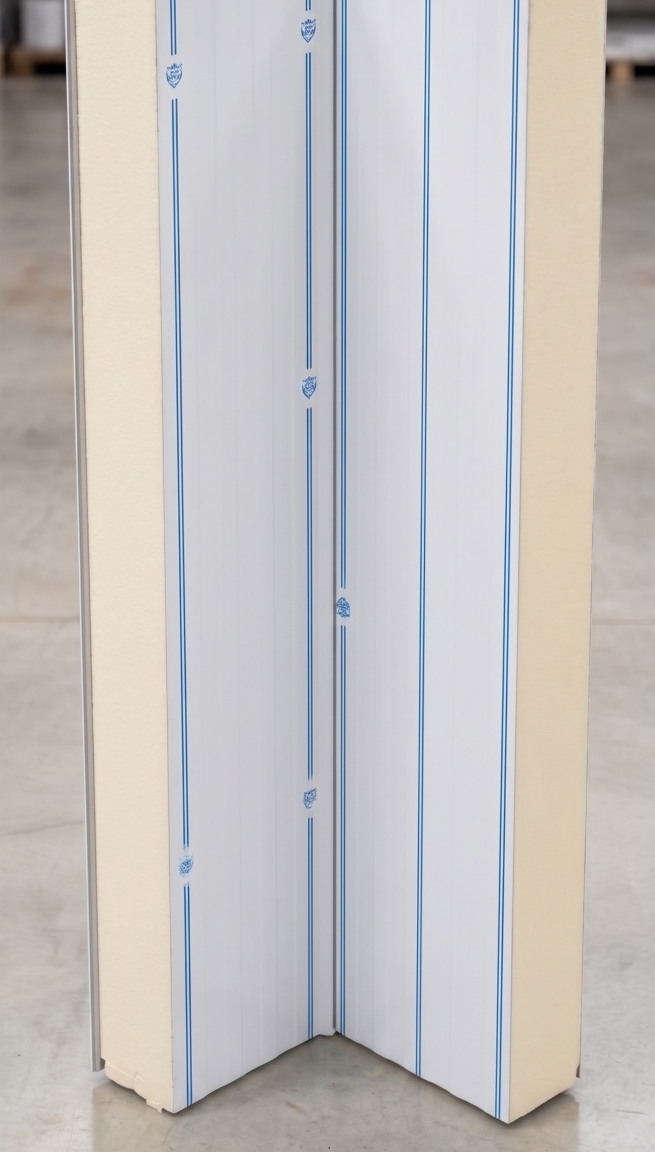
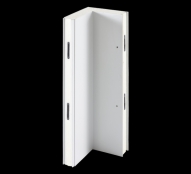
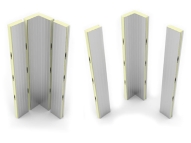
A cold room corner panel gives refrigerated rooms a controlled wall finish where one insulated panel surface turns into another. Broad panel faces are usually easy to keep tidy, but corner areas receive more pressure because cleaning tools, trolley traffic, moisture, sealant lines, exposed panel edges all meet inside one narrow junction. In food plants, supermarkets, commercial kitchens, warehouses, a properly selected cold room corner panel helps each corner look deliberate while keeping panel edges protected, visible, easier to maintain through daily use.
Corner Finish Quality
A clean corner starts with accurate panel fit before any trim or sealant is added. If one panel face sits forward, if corner trim bridges a large gap, or if sealant becomes a filler rather than a finishing detail, complete wall surface quickly starts looking patched. Those small visual problems also create practical issues because brushes catch on raised edges, residue gathers beside uneven trim, moisture stays longer around irregular corner lines.
Check corner position before final finishing. Compare both panel faces through full height, keep trim width consistent, inspect lower plus upper corner sections separately. A cold room corner panel works best when corner geometry is already correct before cosmetic work begins. Good corner finishing comes from stable panel position first, neat trim second, controlled sealing last.
Panel Edge Protection
Panel faces usually tolerate routine contact better than exposed panel edges. A trolley only needs to touch one corner edge repeatedly for visible wear to start, especially near doorways, rack ends, preparation zones, washdown routes. Cleaning tools create similar pressure around lower panel sections where staff work close to wall bases every shift.
Once one panel edge bends, corner trim starts moving, seal lines become untidy, complete wall finish loses its clean appearance. Use corner protection matched to actual traffic height, wheel path, cleaning method. Keep each panel edge supported without hiding panel condition behind oversized covers. A well-planned cold room corner panel protects corner edges while keeping every panel junction easy to inspect.
Smooth Wall Transitions
A good wall finish feels continuous from panel face into corner, then from corner into next panel surface. That does not mean every joint must disappear. It means each transition stays straight, compact, easy to understand visually, easy to wipe during sanitation.
Panel faces need to meet at planned positions. Corner trim needs to follow one clear line. Sealant needs to finish joint without becoming most visible element on wall. When these details stay controlled, corner looks intentional rather than repaired.
This matters during audits, customer visits, routine maintenance. One untidy corner often makes complete panel wall look older than it really is, even when surrounding panel surfaces remain in good condition.
Cleaning Around Corners
Cleaning crews usually discover weak corner details before maintenance teams do. One corner needs extra brushing, another corner holds moisture beside trim, one panel junction keeps collecting residue after every wash. Those repeated observations are useful because they point toward poor access, uneven panel fit, damaged seal lines or oversized corner profiles.
Keep corner surfaces reachable from normal cleaning position. Keep panel transitions visible. Avoid deep recesses where cloths, brushes or squeegees struggle to reach.
A cold room corner panel supports better cleaning when staff move smoothly from panel face into corner without changing tools or applying unnecessary pressure. Simpler cleaning access also reduces repeated wear caused by aggressive scrubbing in one small corner area.
Lower Corner Areas
Lower corners work harder than upper wall sections because floor traffic, wash water, squeegee movement, trolley wheels meet near panel bases. Protective rails, floor finishes, hygienic profiles, corner trims often terminate inside same compact space. If these details are planned separately, lower corner quickly becomes crowded with overlapping profiles or difficult-to-clean gaps.
Coordinate floor level, wall panel base, corner panel position, protective profile as one junction. Keep lower corner open enough for visual inspection after washing. Make sure water does not remain trapped behind trim or beside panel edge.
A cold room corner panel needs a lower connection that stays simple, visible, serviceable even after repeated cleaning cycles, trolley traffic or equipment movement.
Door-Side Corner Finish
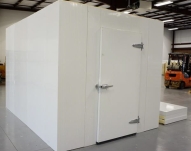
Corners near doors deserve separate attention because traffic patterns change around openings. Staff turn through these areas, trolleys approach at an angle, door frames add another rigid edge beside panel system. If corner sits too close to opening, one narrow zone receives repeated contact from wheels, handles, crates or cleaning equipment.
Review door clearance, frame position, panel width, corner protection height before installation. Keep enough space for normal trolley approach without scraping corner edge.
A strong door-side cold room corner panel protects nearby panel surfaces because movement follows a clear route rather than striking same corner every shift. Good clearance also keeps panel finish easier to clean around door frame.
Finish Wear Signals
Wall finishes usually show small warning signs before major repair becomes necessary. Changing trim width, loose corner profiles, cracked sealant, dented panel edges, dark lines, recurring touch-up work all deserve attention. One mark is not always serious, but repeated damage at same corner usually points to a deeper cause.
Compare busy corner areas with quiet panel junctions. If same corner keeps needing repair, check traffic route, panel support, corner fit, protection height before repeating cosmetic work.
A cold room corner panel gives maintenance teams a clear reference because wear stays concentrated around known junction details rather than disappearing behind layers of filler or oversized corner trim.
Long-Term Finish Control
Good corner finishing needs to stay manageable years after installation. Keep records for panel type, corner profile, seal material, protection height, nearby door details. Those small records make future service faster because maintenance teams know what belongs behind visible finish.
When equipment layout changes, review nearby corner zones again. A corner that was protected from traffic during initial installation could become exposed after racks, preparation tables or trolley routes move.
The Freezewize Cooling System reviews corner geometry, panel edges, corner profiles, wall finish, cleaning access, door clearance, lower junctions before production.
Corners That Stay Refined
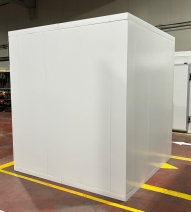
A refined wall finish depends on details that remain practical after installation, not only on how corner looks on first day. Each corner needs stable panel geometry. Each panel edge needs suitable protection. Trim lines need to remain straight. Cleaning crews need access to complete corner surface without fighting deep gaps or bulky profiles.
A properly specified cold room corner panel keeps corner finishes controlled because corner geometry, panel fit, edge protection, cleaning access, serviceability work as one system. Good wall finishing is not extra decoration around panel walls; it is part of how each corner stays clean, presentable, easy to maintain through daily cold room use.