




Cold Room Ceiling Planning
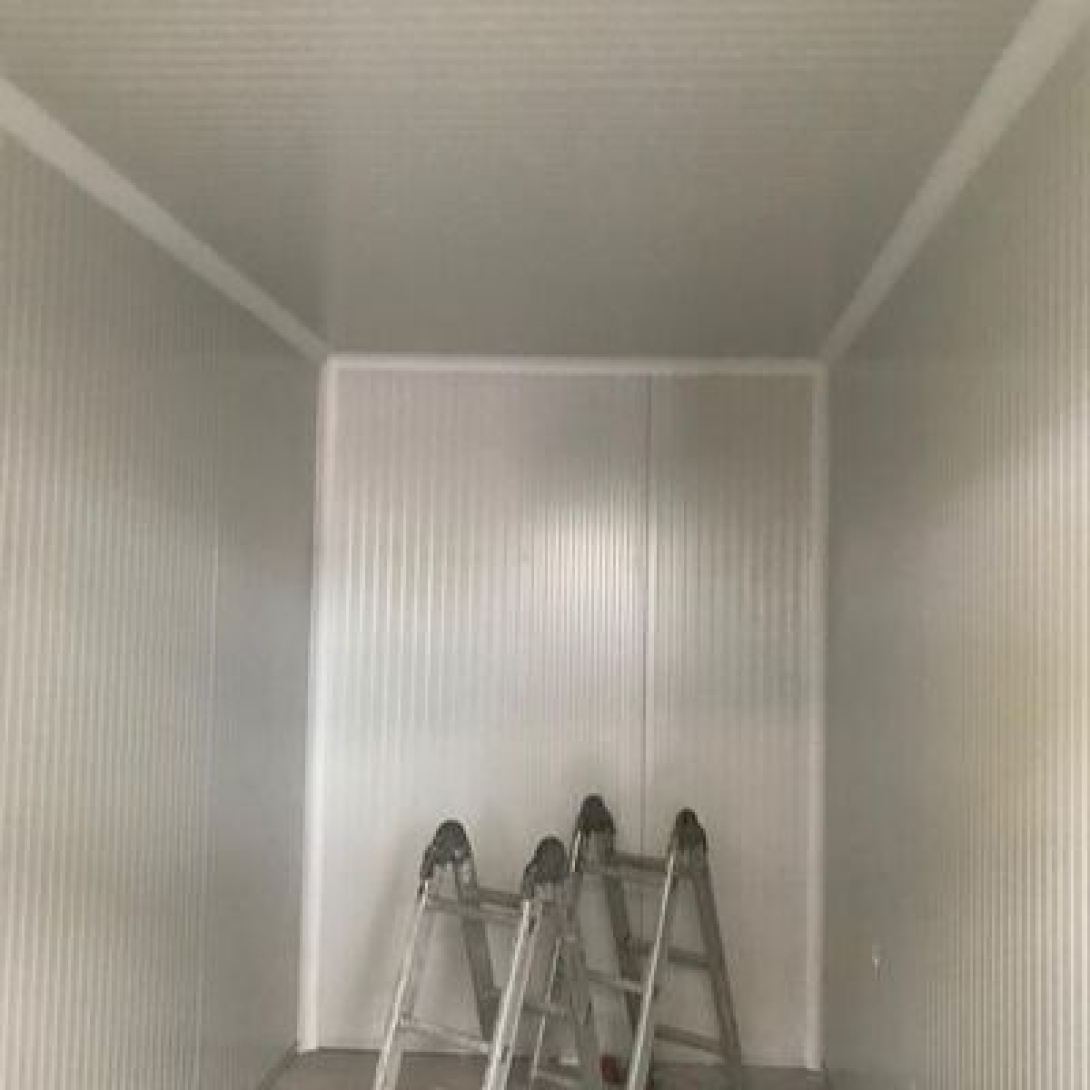
A cold room ceiling panel needs to support more than insulated enclosure performance. In busy refrigerated spaces, ceiling layout sits above door traffic, staging routes, picking activity, cleaning work, evaporators, lighting, service lines, maintenance access. Poor overhead planning often stays unnoticed during installation, then becomes obvious once daily work begins. A properly planned cold room ceiling panel system keeps ceiling joints, service points, equipment zones, access routes coordinated with workflow below, reducing avoidable interruption while keeping future maintenance easier to organize.
Workflow Before Layout
Ceiling planning works better when room activity is understood before panel positions are finalized. A warehouse cooler might have one aisle with constant pallet movement, one staging zone beside doors, another quieter area used mainly for storage. Those differences matter because overhead services, lights, penetrations, access points do not need equal priority across every ceiling zone. Review staff routes, loading points, door cycles, picking areas, sanitation routines, equipment positions first. Once those patterns are clear, a cold room ceiling panel layout becomes easier to coordinate around real use rather than simple room dimensions.
Ceiling Panel Zones
Large refrigerated rooms rarely behave as one uniform operating area. Ceiling space above a loading zone faces different service needs from ceiling space above fixed racks or quiet storage. Dividing room into practical ceiling zones keeps panel planning easier to understand. High-activity areas might need clearer lighting coverage, easier access to overhead components, fewer awkward penetrations near important joints. Quiet storage sections usually allow simpler arrangements. A cold room ceiling panel system benefits from this zoning because each ceiling section responds to actual work below without forcing one layout rule across complete room.
Service Access
Maintenance access deserves attention before ceiling installation, not after equipment requires service. Evaporators, valves, sensors, lights, cable routes, suspension hardware all need safe access without turning routine work into a room-wide disruption. If technicians need to move racks, close busy aisles or work directly above constant product flow, even a simple service visit becomes operationally expensive. Plan access routes around ceiling panel layout, equipment clearance, safe working positions. A cold room ceiling panel arrangement that respects service activity helps technicians reach critical points with less interruption while protecting nearby panel joints from repeated disturbance.
Penetration Planning
Every ceiling penetration interrupts an otherwise continuous panel surface. Lighting cables, pipes, sensors, sprinkler components, refrigeration services need openings that remain neat, insulated, sealed, accessible. Improvised field penetrations often create oversized cuts, heavy sealant lines or awkward service positions because location was decided too late. Coordinate penetrations before panel production whenever practical. Keep each opening away from critical panel edges where possible, leave enough working space around service points, use compatible finishing details. A cold room ceiling panel performs better when penetrations look like planned parts of ceiling system rather than repairs made immediately after installation.
Equipment Coordination
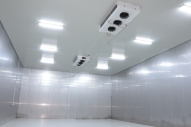
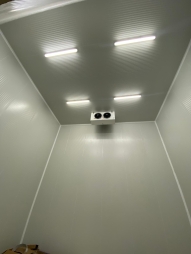
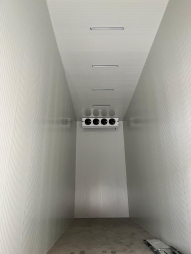
Ceiling layout also needs to work with equipment suspended below or positioned close to overhead surfaces. Evaporators require airflow clearance, drainage routes, pipe access, service space. Lighting needs to support actual picking or preparation zones rather than simply follow room centerlines. Sensors need representative positions. Review ceiling panel positions, equipment locations, service routes together before final panel map is released. This coordination keeps installation cleaner, future maintenance more predictable, overhead areas easier to understand during service.
Support Span Control
Busy workflow happens below ceiling, yet ceiling structure still needs stable support above it. Panel span, hanger spacing, support profile, ceiling load all influence joint condition over time. Service equipment must not place uncontrolled weight onto panel surfaces or local joints. Review support points beside panel lengths, room width, planned penetrations, maintenance routes. A cold room ceiling panel stays more stable when structural support follows panel design rather than being adjusted around services afterward, helping ceiling joints remain level through long-term use.
Door Activity Below
Door traffic affects overhead planning more than it first appears. Frequent openings create changing temperature conditions near access zones, while staging activity often gathers directly below nearby ceiling sections. These areas also need good lighting plus clear maintenance coordination because people, carts, product movement remain concentrated there. Review ceiling panel joints, evaporator throw, lighting position, service access relative to busy doors. A cold room ceiling panel layout that recognizes active entry zones avoids treating every overhead section as if operating conditions were identical throughout room.
Future Changes
Cold rooms often change after commissioning. Rack layouts move, production lines expand, extra sensors appear, lighting gets revised, refrigeration equipment is serviced or replaced. Ceiling planning needs enough flexibility to handle those changes without turning every modification into invasive panel work. Keep service routes documented, identify panel locations, record penetrations, preserve access around major overhead systems. Future-ready cold room ceiling panel planning reduces guesswork because technicians understand what sits above each work zone, where panel joints run, which areas remain suitable for controlled modification.
Overhead Planning Review
Before production, review ceiling layout against daily workflow rather than drawings alone. Check active aisles, door zones, staging points, evaporator locations, lighting coverage, service penetrations, hanger positions, maintenance access, likely future changes. Ask whether routine service would force unnecessary shutdown or obstruct important traffic. The Freezewize Cooling System reviews ceiling panel layout, workflow zones, service access, equipment coordination, support points, door activity, future flexibility before production.
Ceilings That Support Work
A well-planned ceiling becomes part of daily operation without drawing attention to itself. Panel joints stay orderly, equipment remains reachable, lighting supports active work, service points sit where technicians need them, future changes remain manageable. Properly specified cold room ceiling panels support busy refrigerated workflows because ceiling planning follows actual room use from first layout decision through long-term service, rather than treating overhead space as a passive insulated cover.