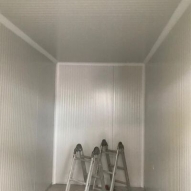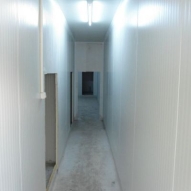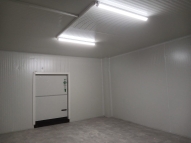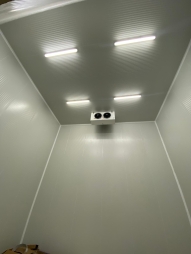





Washable Cold Room Ceilings
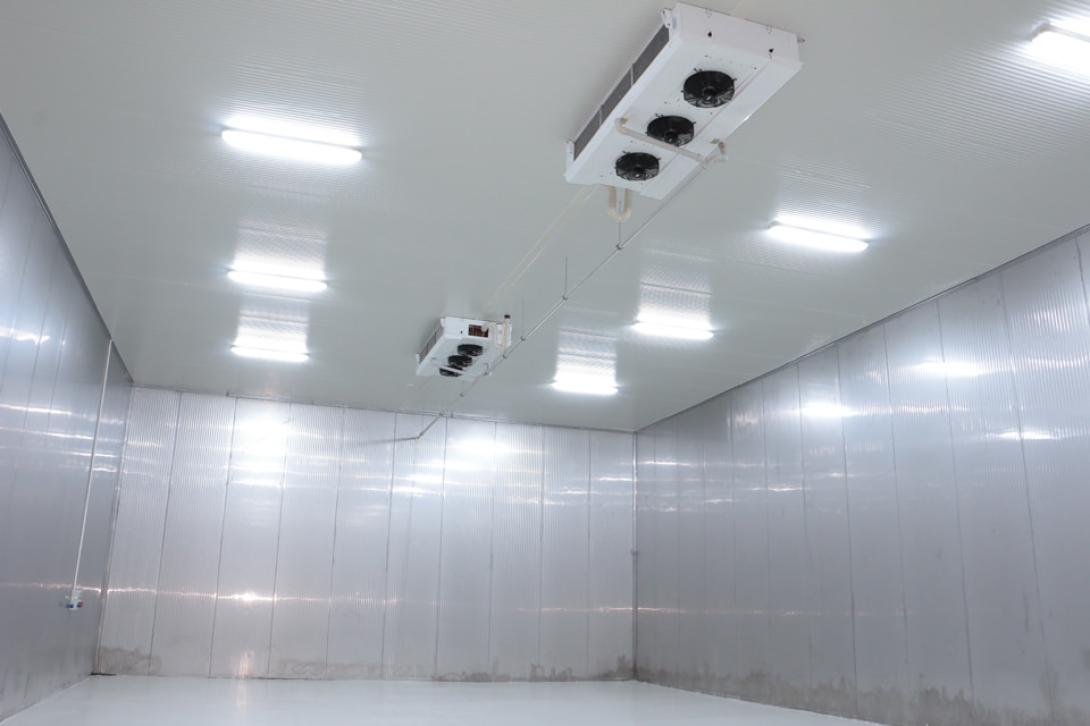
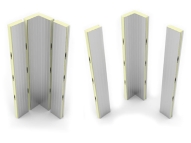
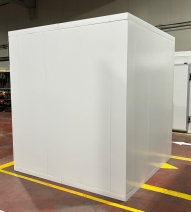
A cold room ceiling panel creates a hygienic overhead surface for refrigerated spaces exposed to moisture, cleaning chemicals, condensation, food-process residue, repeated sanitation. Ceiling performance depends on more than insulation value because surface finish, panel joints, service penetrations, lighting details, cleaning access, drying behavior all affect daily maintenance. In food plants, commercial kitchens, supermarkets, distribution rooms, a properly specified cold room ceiling panel keeps overhead hygiene practical while reducing repeated touch-up work, difficult cleaning points, hidden moisture concerns.
Ceiling Surface Duty
A washable ceiling needs to match real cleaning frequency plus actual room use. Some cold rooms receive occasional wiping, while food-processing areas face regular foam cleaning, spray rinsing, chemical exposure, high humidity. Those conditions place very different demands on each ceiling panel surface. Before selecting finish, review sanitation routine, water pressure, chemical concentration, access equipment, inspection standard, product exposure. A cold room ceiling panel suited to frequent cleaning needs a surface that stays smooth, visible, stable after repeated wash cycles, since a ceiling that looks clean on installation day says little about how well it will perform after months of routine sanitation.
Panel Finish Quality
Surface finish influences daily cleaning because every ceiling panel face becomes part of visual hygiene control. A smooth, intact finish gives residue fewer places to hold while making staining, scratches, coating changes easier to notice during inspection. Rough spots, damaged coatings, uneven repairs create extra work because cleaning crews spend more time on marks that return after every wash. Finish selection needs to reflect room function, not appearance alone. Food preparation, open product handling, packaging, general cold storage do not carry identical hygiene pressure. A cold room ceiling panel works better when finish quality supports realistic cleaning methods, visible inspection, long-term surface consistency without relying on repeated cosmetic repair.
Cleaning Method
Washability does not mean unlimited cleaning pressure. Strong chemicals, aggressive brushes, uncontrolled spray direction could damage panel coatings, joint seals, trims, light surrounds, turning a washable ceiling into a maintenance problem. A better approach uses compatible chemistry, controlled contact time, suitable water temperature, complete rinsing, clear visual inspection after cleaning. Cleaning access also matters because staff need enough room to reach ceiling surfaces without working around unnecessary obstructions. Evaporators, lights, ducts, service lines influence how easily each area is reached. A cold room ceiling panel stays easier to maintain when cleaning method matches panel surface, joint materials, actual overhead layout rather than forcing one aggressive routine across every ceiling zone.
Ceiling Joint Areas
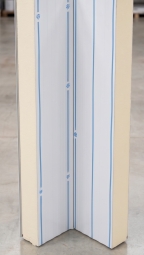
Broad ceiling surfaces are usually simple to clean, but panel joints deserve closer attention because moisture, seal movement, slight level differences often become visible first along seam lines. A joint that sits proud, carries too much sealant or develops a narrow gap gives residue more opportunity to remain after washing. Repeated cleaning then places extra pressure on same local area. Inspect ceiling joints after normal sanitation, looking for dark lines, loose sealant, staining, damp edges, changes in panel level. A cold room ceiling panel system stays more washable when each panel connection remains compact, stable, visible, easy to inspect, allowing maintenance teams to correct a small joint issue before it turns into recurring surface work.
Condensation Marks
Condensation marks are useful because they show where ceiling conditions differ from surrounding panel surfaces. Recurring damp spots, light staining, local discoloration, moisture around one penetration often point toward a specific thermal, sealing or access detail rather than a general cleaning failure. Removing every mark without investigating cause hides information that maintenance teams need. Compare affected ceiling area with nearby dry sections, then review joint condition, vapor path, insulation continuity, service penetration, support points. A washable cold room ceiling panel still needs moisture control because surface cleaning only removes visible evidence, while correct detailing addresses source that keeps bringing moisture back to same ceiling location.
Service Penetrations
Lights, cables, pipes, sensors, suspension points interrupt otherwise continuous ceiling panel surfaces, so every penetration needs a neat transition that remains washable through daily operation. Oversized sealant, rough cut edges, exposed gaps, improvised trims create places where moisture or residue stays longer, while also making inspection more difficult. Service openings are easier to manage when planned before panel production, with clean cut dimensions, compatible seals, simple trims, enough visibility for future maintenance. A cold room ceiling panelperforms better when service details look integrated into ceiling system rather than added as field repairs, since a controlled penetration protects both hygiene quality plus long-term surface appearance around equipment routes.
Overhead Cleaning Access
A ceiling might be washable in material terms yet difficult to clean in practice if equipment blocks normal access. Evaporators, tall racks, ducts, suspended services, cable trays often create hidden zones where cleaning crews cannot work comfortably, leading to uneven sanitation quality across ceiling area. Room layout needs to consider safe cleaning positions, equipment clearance, difficult corners, service zones before installation is complete. Staff need a clear route to inspect joints, wipe panel faces, reach penetrations without unnecessary dismantling. A cold room ceiling panelgives better hygiene performance when surface accessibility is treated as part of ceiling design, because a washable finish only delivers value when crews actually reach it.
Surface Aging
Washable ceiling surfaces still age, so long-term quality depends on noticing changes before they become larger maintenance issues. Fine scratches, repeated staining around joints, coating wear near service points, recurring touch-up areas reveal how each ceiling panel responds to real operation. Not every mark requires replacement, but repeated changes in one location deserve investigation because they often point toward cleaning pressure, moisture movement or poor access. Keep simple records during hygiene checks, compare current condition with earlier inspections, repair damaged seals or penetrations while affected area remains small. The Freezewize Cooling System reviews ceiling panel finish, cleaning frequency, joint condition, chemical exposure, service penetrations, condensation risk, cleaning access before production.
Ceilings That Stay Washable
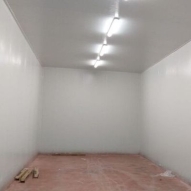
A useful washable ceiling stays straightforward after installation because panel surfaces remain smooth enough to clean, ceiling joints stay visible, service penetrations remain neat, condensation marks stay easy to investigate, cleaning crews reach critical areas without fighting room layout. Long-term hygiene does not come from one coating choice alone; it comes from a ceiling system where surface finish, panel connections, service details, access planning support one another through repeated sanitation cycles. Properly specified cold room ceiling panels keep overhead cleaning practical because washability is treated as a complete operating requirement rather than a simple material label.