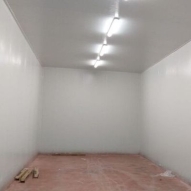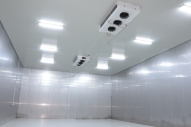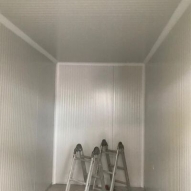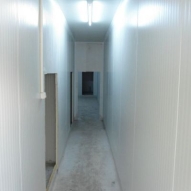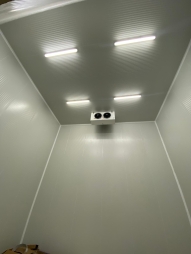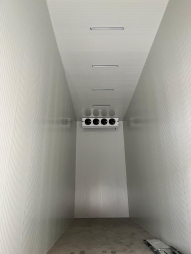





Cold Room Ceiling Performance
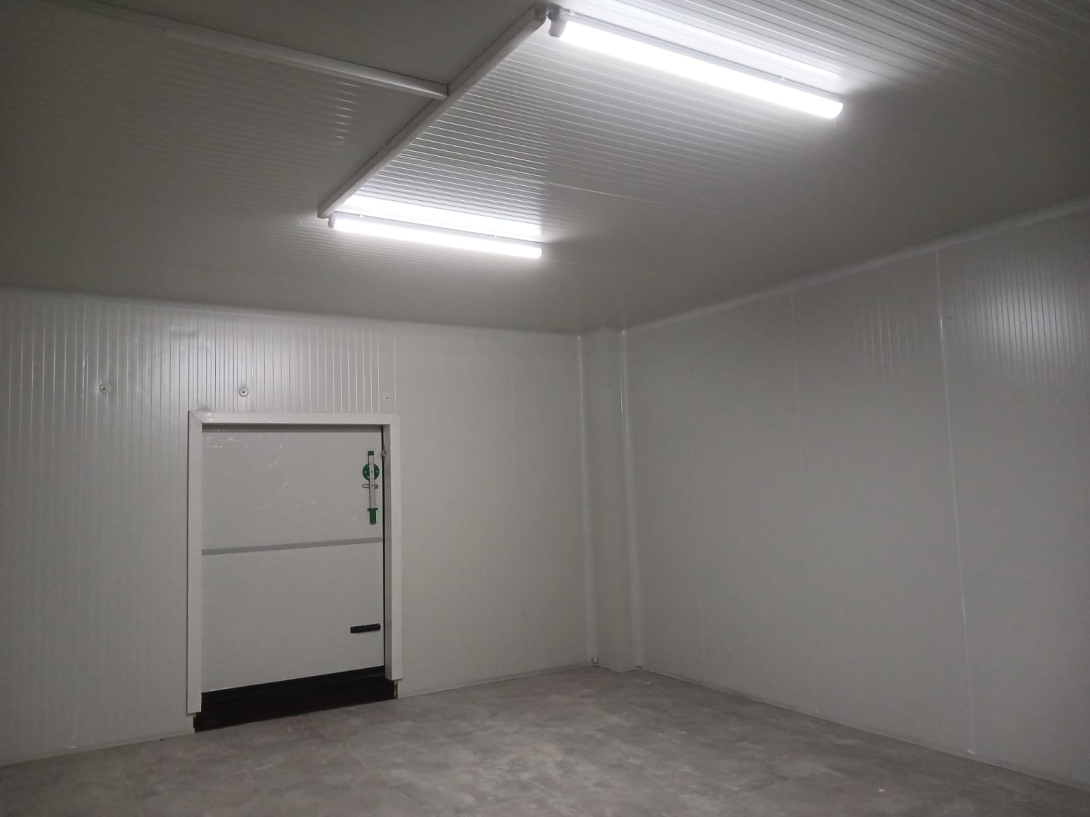
A cold room ceiling panel plays an active role in temperature stability, moisture control, structural continuity, service access across refrigerated rooms. Ceiling performance becomes especially important in facilities where door traffic, product movement, cleaning routines, refrigeration equipment keep room conditions changing through every shift. A properly specified cold room ceiling panel helps complete enclosure respond more consistently because ceiling insulation, panel joints, support points, penetrations, perimeter details work together rather than behaving as unrelated parts.
Thermal Stability Overhead
Room temperature is influenced by everything surrounding refrigerated space, so ceiling design deserves same attention as walls, doors, refrigeration equipment. Heat gain through weak ceiling details, inconsistent panel joints or poorly treated penetrations creates extra work for cooling system, especially after busy periods with frequent door openings. A cold room ceiling panel with stable insulation continuity helps ceiling surface stay closer to planned thermal behavior while reducing avoidable temperature drift near overhead junctions. This does not mean ceiling alone controls room temperature, but it does mean poor ceiling performance places unnecessary pressure on every other component trying to maintain setpoint.
Ceiling Panel Continuity
A strong ceiling works as one continuous insulated plane rather than a collection of separate panel sections. Panel edges need accurate contact, joint pressure needs to remain consistent, perimeter connections need to continue insulation path without oversized gaps or improvised filler. When one ceiling panel sits out of line, nearby joints receive more sealing material, service details become harder to finish, future maintenance becomes less predictable. A cold room ceiling panel system performs better when panel layout, panel dimensions, connection details are checked before installation begins, giving each ceiling panel a clear position inside complete overhead envelope.
Support Load Discipline
Ceiling stability also depends on how panel weight plus service loads reach structural support. Hanger spacing, panel span, profile position, suspension detail need to match room width plus actual ceiling configuration. Lighting, pipework, evaporator accessories or service equipment must not place uncontrolled weight onto ceiling panel faces or joints. A cold room ceiling panel stays more stable when structural support is planned separately from service loading, because small long-term movement at one support point often appears later as changing joint lines, uneven ceiling levels or repeated seal repairs. Good support design keeps ceiling geometry predictable instead of asking panel connections to absorb loads they were never meant to carry.
Moisture Behavior
Moisture problems often become visible overhead because warm humid air naturally reaches colder surfaces, service openings, junctions. Local condensation near one ceiling joint does not always mean complete panel system is failing, but recurring moisture at identical point deserves investigation. Check panel contact, insulation continuity, vapor path, penetration sealing, nearby support movement before treating surface mark. A cold room ceiling panel supports better moisture control when ceiling details stay compact, visible, easy to inspect. Cleaning a recurring stain removes evidence for a short time; correcting reason behind that stain protects room performance for much longer.
Service Integration
Every ceiling eventually shares space with lights, sensors, cables, refrigeration lines, drains, suspension points or other services. These details need to be planned before technicians start cutting panel surfaces in finished room. Oversized openings, thick sealant, crowded service routes make ceiling harder to inspect while increasing number of local weak points. A cold room ceiling panel performs more reliably when penetrations follow a coordinated layout with suitable clearances, neat edge treatment, accessible sealing. Service work then becomes easier because technicians know where ceiling panel joints run, which openings are intentional, which areas need extra care during future modifications.
Perimeter Performance
Ceiling performance is not limited to central panel field. Wall-to-ceiling junctions, corners, door-side zones, service transitions determine whether overhead insulation connects cleanly with rest of room. A well-insulated ceiling panel loses value if perimeter detail leaves a weak thermal or sealing route around edge. Review panel bearing, wall connection, corner closure, trim profile, sealing access as one perimeter condition. A cold room ceiling panel gives stronger overall performance when ceiling perimeter continues same disciplined geometry found across central panel area, keeping transitions easier to inspect without relying on heavy finishing material.
Operational Recovery
Busy cold rooms rarely operate under steady conditions all day. Door openings introduce heat, product enters at different temperatures, staff movement changes airflow, cleaning shifts temporarily alter humidity. Ceiling system needs to support recovery rather than add another source of instability. Stable ceiling insulation, controlled joints, reliable perimeter details help refrigeration equipment bring room back toward normal operating condition after peak activity. A cold room ceiling panel contributes by limiting avoidable overhead heat gain or moisture stress while equipment handles changing operational load. Ceiling performance becomes most useful during these demanding periods, not during quiet hours when room already sits close to target condition.
Performance Checks
Good ceiling performance stays measurable through routine inspection. Look at joint lines, panel level, recurring condensation, support points, service penetrations, perimeter transitions after commissioning, heavy maintenance work, equipment changes or unusual operating periods. Compare one ceiling zone with another instead of judging complete room from one isolated mark. A repeated issue in same location often points toward a local detail rather than broad ceiling failure. The Freezewize Cooling System reviews ceiling panel layout, thermal continuity, support spacing, joint condition, service penetrations, perimeter details, operational demand before production so ceiling specification reflects how room will actually work.
Performance From Above
A stronger refrigerated room does not come from one oversized component. It comes from every part of enclosure doing its own job without creating extra work elsewhere. Ceiling panels keep insulation continuous, joints stay controlled, support points hold geometry, service openings remain organized, perimeter transitions stay easy to inspect. Properly specified cold room ceiling panels improve room performance because overhead design supports thermal stability, moisture control, maintenance access, operational recovery as one coordinated system rather than treating ceiling as a simple finishing layer.