




Food-Safe Ceiling Panel Finishes
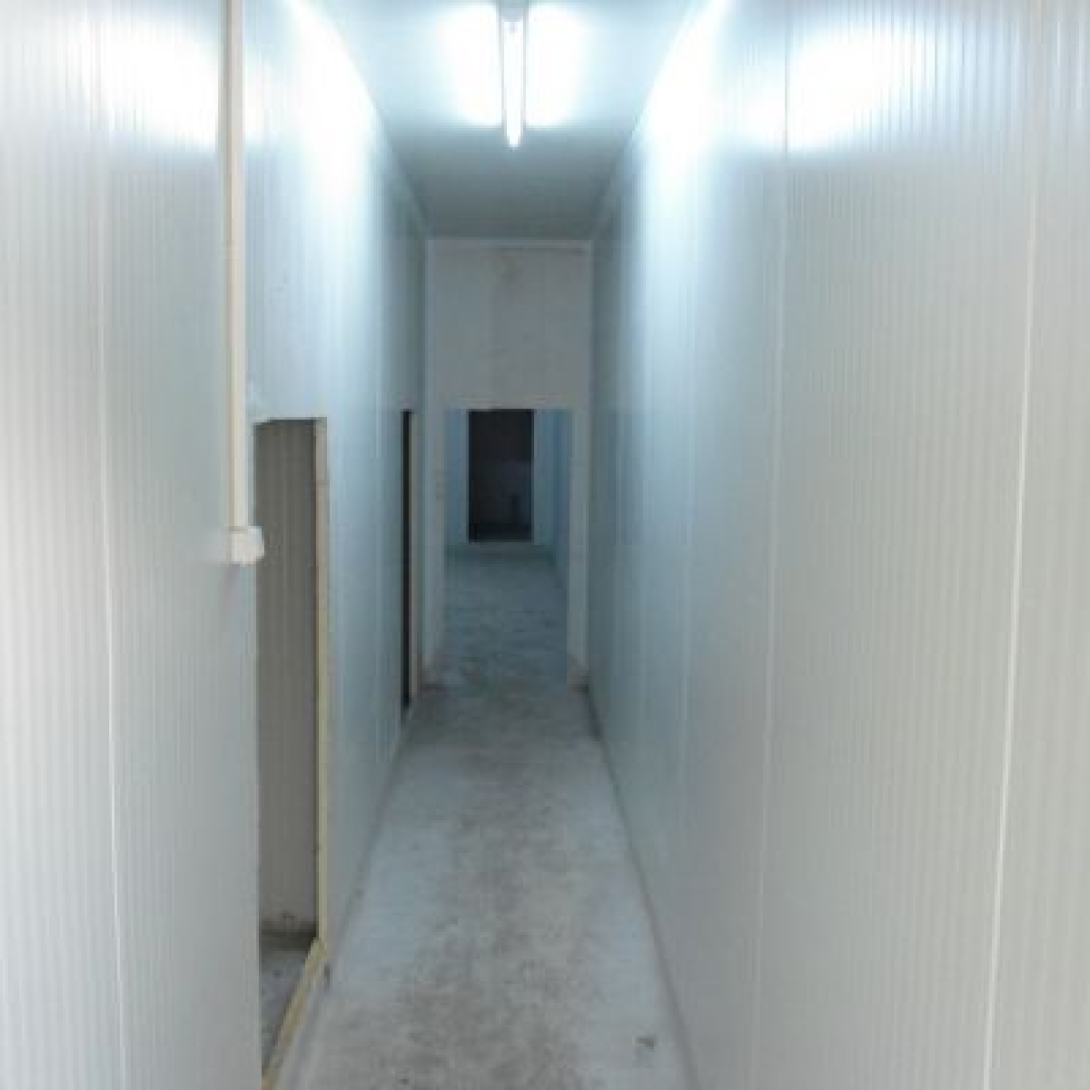
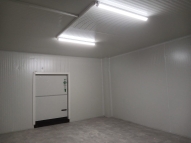
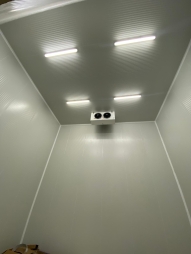
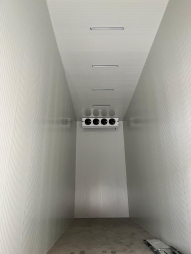
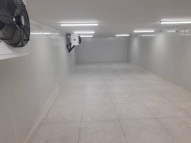
A cold room ceiling panel forms part of every hygienic surface above refrigerated food handling, storage, preparation, packaging areas. Overhead finish quality matters because stains, rough repairs, open joints, damaged coatings, poorly sealed penetrations become visible during routine cleaning or inspection. A properly selected cold room ceiling panel keeps overhead surfaces smooth, readable, easier to clean while helping complete room maintain a controlled appearance through repeated sanitation, condensation exposure, daily service activity.
Overhead Finish Quality
Food spaces need ceiling surfaces that stay practical after installation, not only attractive on first day. Repeated cleaning, humidity, occasional contact during maintenance, temperature variation gradually test every panel finish. A surface that begins to discolor, roughen or show repeated touch-up marks creates extra work because cleaning teams spend more time checking identical areas. Finish selection therefore needs to reflect sanitation frequency, room temperature, product exposure, inspection expectations. A cold room ceiling panel with a stable finish gives staff a consistent overhead surface where changes remain easy to notice before they develop into larger maintenance issues.
Surface Continuity
A clean ceiling looks controlled when each panel face flows into next panel without awkward steps, oversized trim or heavy filler. Surface continuity matters in food areas because every irregular transition becomes another place for moisture marks, residue or repair material to collect. Panel alignment needs to remain consistent across complete ceiling plane, especially around perimeter connections or service zones. When one panel sits out of level, cosmetic finishing often becomes heavier around that section. A cold room ceiling panel system works better when panel geometry creates a simple surface first, leaving finishing materials to complete a good joint rather than hide poor installation.
Joint Appearance
Ceiling joints often attract more attention than broad panel faces during hygiene checks. A straight, compact joint is easy to inspect, while one with changing sealant width, dark staining or lifted edges immediately looks less controlled. Joint appearance also gives maintenance teams useful information about movement, moisture or cleaning wear. Keep panel edges aligned, use compatible sealing materials, preserve enough visibility for routine review. A cold room ceiling panel remains easier to manage when every joint stays readable instead of disappearing behind repeated layers of correction. Clean-looking joints are not only cosmetic; they make early changes easier to identify.
Cleaning Without Roughness
Food-space ceilings need cleaning methods that remove visible soil without gradually damaging finish. Aggressive pads, unsuitable chemicals, repeated hard scrubbing or poor rinsing could leave scratches, dull patches, seal damage around panel joints. Once surface roughness develops, later cleaning becomes slower because residue has more places to hold. Cleaning routines need to match panel coating, seal materials, contamination type, available access. A cold room ceiling panel keeps its hygienic value longer when normal sanitation preserves surface smoothness rather than trading short-term cleaning speed for long-term finish deterioration.
Service Penetration Finish
Lights, sensors, cables, refrigeration lines, sprinkler components interrupt an otherwise continuous ceiling surface. These areas often decide whether overhead finish looks planned or improvised. Rough cut edges, oversized holes, thick sealant, mismatched trims make service points harder to clean while drawing attention during inspection. Plan penetrations before panel production wherever practical, then use neat openings, compatible trims, visible seals. A cold room ceiling panel performs better when each service penetration becomes part of ceiling layout rather than a field correction added after installation. Good service detailing keeps both hygiene appearance plus future access under control.
Perimeter Transitions
Wall-to-ceiling transitions deserve equal attention because ceiling finish does not end at center of room. Perimeter lines connect panel surfaces with corners, wall panels, door-zone geometry, nearby services. Uneven trim, deep sealant pockets or abrupt profile changes make these areas look unfinished even when broad ceiling surfaces remain clean. Keep perimeter detail simple, continuous, accessible for wiping. A cold room ceiling panel gains a more refined finish when ceiling edges meet surrounding room surfaces through one clear transition. This also gives maintenance teams a predictable line to inspect after cleaning or temperature changes.
Inspection Visibility
A food-safe ceiling needs to show its condition clearly. Staining, local discoloration, damaged coating, loose seal lines, recurring moisture need to remain visible enough for staff to investigate cause. A finish that hides every mark might look attractive from floor level, yet it gives less useful feedback during maintenance. Good inspection visibility allows teams to compare busy service zones with quiet ceiling sections, identify recurring patterns, decide where repair is actually needed. A cold room ceiling panel supports better hygiene control when surface changes remain easy to see without special tools or unnecessary dismantling.
Finish Repair Strategy
Even well-selected ceiling surfaces receive occasional damage during service work, equipment changes or long-term use. Good repair planning keeps those issues local. Small coating damage, one loose trim or one affected seal line needs a targeted correction rather than repeated patching across nearby panel sections. Keep panel finish data, trim type, seal material, penetration details available for maintenance teams. This makes future repair easier because technicians know what belongs around each ceiling panel rather than rebuilding finish details from memory.
The Freezewize Cooling System reviews ceiling panel finish, joint appearance, surface continuity, cleaning exposure, service penetrations, perimeter details, inspection visibility before production.
Finishes That Stay Controlled
A clean overhead finish comes from several details working together over years of real food-space operation. Panel faces need to remain smooth, joints need to stay compact, service openings need to look planned, perimeter transitions need to remain simple, local repairs need to stay controlled instead of spreading across nearby ceiling sections. Properly specified cold room ceiling panels help food spaces maintain a professional overhead surface because finish quality is treated as part of daily hygiene, inspection, maintenance rather than a decorative layer added after room construction.