




Freezewize | Industrial Cooling Systems & Custom Cold Room Solutions

Cleaner Transitions at Cold Room Corners

Smoother Transitions in Cold Room Corners | Cold Room Corner Panel Guide

Cold room corner panels help create smoother, cleaner transitions by reducing dirt-trapping seams, protecting sensitive edges, and making cleaning routines faster and more consistent.

Cleaner Transitions in Cold Room Corners

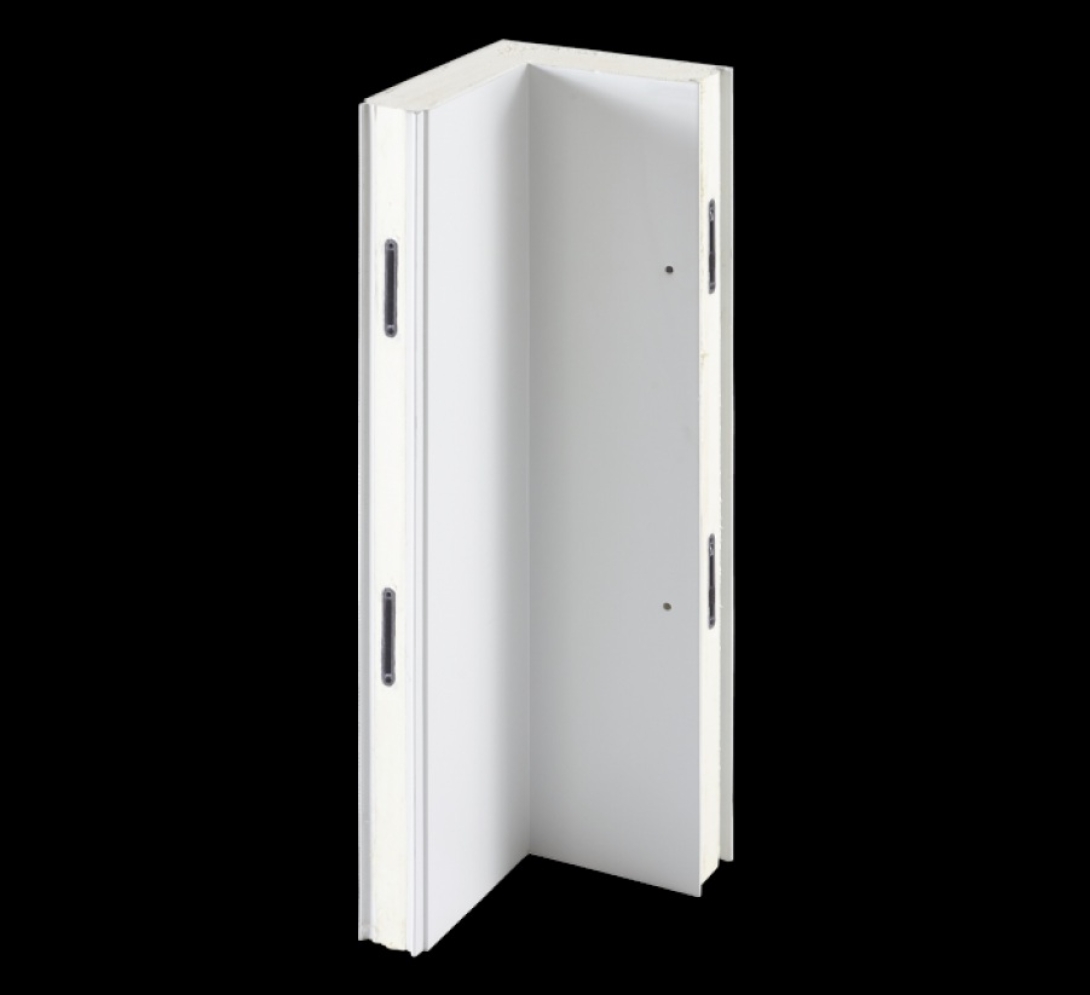
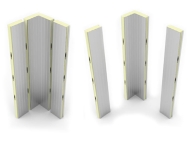
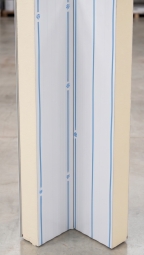
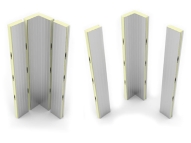
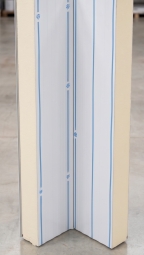
A cold room corner panel is not just a finishing touch. In many cold rooms, this panel transforms a hard-to-clean and impractical corner into a more hygienic, durable, and functional structural component.

When corners are left too sharp, misaligned, or finished with an improvised covering, cleaning becomes slower, impact damage appears sooner, and maintaining the room to a professional standard becomes more difficult. Cleaner transitions are important because corners are often where hygiene concerns, traffic wear, and visual quality first become apparent.

Where Do Corner Problems Usually Start?

Most cold room issues don’t start with a dramatic panel failure. They begin with small, repeated friction points that occur every day. Corners are a common example of this.

In a busy cold room or freezer, corner areas are subjected to pressure beyond occasional contact. Carts spread out over a wide area. Pallet jacks bump into the edges. Cleaning tools strike the same spots over and over again. Moisture, residue, and dirt accumulate in areas that are technically airtight but still difficult to clean properly. Over time, the room may continue to maintain its temperature, but controlling the surface becomes increasingly difficult.

For this reason, corner design is more important than many projects assume. A corner is not merely a junction point between two insulated wall panels. It is also a transition point in daily use that affects hygiene routines, long-term appearance, and property owners’ confidence.

The Operational Risk of Poor Corner Transitions

A corner may be technically functional, but it can still be the wrong choice for the room.

This situation typically manifests in practice as follows:

  • Cleaning crews spend more time around tight joints.
  • Dirt or moisture remains in hard-to-reach transition areas.
  • Panel edges show premature wear due to repeated contact.
  • The room appears older than it actually is.
  • Minor surface issues create the impression of a heavier maintenance burden.
  • The appearance of back-of-house areas suffers during inspections, site visits, or audits.

In food production, cold storage facilities, supermarket prep areas, and commercial kitchens, these issues rarely occur in isolation. When corners become difficult to clean or prone to damage, the room begins to require extra labor and more frequent touch-ups. This situation isn’t always apparent at the initial purchase price but becomes evident during daily operations.

Why Do Cleaner Corners Lead to Better Hygiene?

Corners affect hygiene because they influence how easily a surface can be cleaned, controlled, and visually maintained.

A cleaner transition does three things well. First, it reduces abrupt geometric shapes that tend to trap debris. Second, it helps maintenance and cleaning crews move more quickly and achieve more consistent results. Third, it protects the room from gradual visual deterioration that typically starts at seams, edges, and finishing points.

In practice, a well-integrated cold room corner panel supports:

  • More efficient wiping and washing routines.
  • Less disruptive surface interruptions at wall intersections.
  • Better protection at sensitive joints.
  • A more controlled, professional interior appearance.
  • Greater suitability for facilities with strict hygiene requirements.

This is important in cooled areas where the room is evaluated not only for its temperature performance but also for how clean, tidy, and durable it remains during daily use.

Comparison Summary

Not every corner condition requires the same solution. The right approach depends on traffic volume, cleaning frequency, and surface expectations.

Corner ApproachMost SuitableMain AdvantageMain Limitation
Basic sharp panel jointService areas with low trafficSimpler in terms of upfront costsCleaning is more difficult and edge wear is more noticeable
Additional flooring in cornersRenovation or budget-conscious adjustmentsImproves the finish on exposed transitionsMay give a secondary feel if not well integrated
Integrated cold room corner panelHygienic, high-traffic, professional cold roomsCleaner surfaces, better protection, easier maintenanceRequires proper planning with the panel layout

The key point is simple: The corner that seems cheapest may not always be the most cost-effective in the long run.

Cleaner Transitions Do More Than Just Improve Appearance

Some buyers view corner panels as merely a cosmetic element. In reality, however, these panels often solve a broader operational issue.

A cleaner corner transition improves how the room behaves during use. It reduces the sense of unfinished geometry. It helps the room meet stricter cleaning standards. It supports better continuity between insulated wall panels, door frames, floor interfaces, and protective accessories.

This becomes particularly important when the following are present in the room:

  • Frequent staff movement.
  • Traffic from hand trucks, shelves, or pallet jacks.
  • Visible preparation or processing activities.
  • Repeated cleaning cycles.
  • Back-of-house areas open to customers or subject to inspection.

In these environments, corner panels ensure the room appears to be thoughtfully designed rather than improvised. This distinction impacts the reliability of the entire installation.

Selecting the Right Cold Room Corner Panel

The selection should be based not only on appearance but also on usage conditions.

Assess the corner for daily stress. How often will equipment pass by it? How aggressive are the cleaning routines? Is the room primarily focused on functionality, or does it need to maintain a higher standard of hygiene and aesthetics? Could the corners be exposed to repeated side impacts? Does the facility want a cleaner, more integrated finish across the entire surface of the cold room?

The right choice typically balances five factors:

Traffic exposure
High levels of movement in the environment increase the importance of corner protection.

Cleaning frequency
Rooms with strict hygiene routines benefit more from smoother and easier-to-manage transitions.

Standard finish
If the space needs to look neat and professionally constructed, corners should not appear patched or subpar.

Panel system compatibility
The corner solution must integrate naturally with the wall panel structure, gaskets, and adjacent hardware.

Long-term ownership logic
A corner that minimizes touch-ups and slows visible wear pays for itself over time.

Solution for Real Cold Room Applications

The most effective approach is generally not to treat the corner as an afterthought. The corner should be considered an integral part of the cold room system from the very beginning.

A properly designed cold room corner panel helps create smoother transitions from wall to wall, reduces exposed vulnerable areas at joints, and simplifies maintenance of the room’s interior. In facilities where hygiene requirements are stricter or daily usage is more intense, this can enhance both operational efficiency and perceived construction quality.

This is where a system-based approach becomes crucial. When corner panels are planned in conjunction with insulated panels, doors, gaskets, thresholds, hardware, and protective details, the room operates with less friction. This is the philosophy behind the Freezewize Cooling System: not isolated components, but coordinated cold room solutions that perform better under actual operating pressure.

Quick Decision Guide

Choose a more robust corner panel approach in the following situations:

  • If the room is subject to regular cleaning and sanitation demands.
  • If the corners are exposed to the movement of hand trucks or pallet jacks.
  • If edge damage leads to early maintenance issues.
  • The room must maintain higher hygiene standards.
  • If you want the installation to age more evenly over time.

A simpler corner design may be acceptable in the following situations:

  • Traffic is light.
  • Cleaning requirements are minimal.
  • The room is used exclusively for functional purposes.
  • Surface quality is not a significant operational concern.

If the room is expected to be clean, look professional, and be easier to maintain, a better corner transition is generally a safer choice.

Related Solutions

Projects requiring cleaner corner transitions often benefit from related details that improve the room’s overall standard:

  • Insulated cold room wall panels.
  • Hygienic cold room door systems.
  • Stainless steel cold room flooring solutions.
  • Protective equipment for high-traffic areas with frequent contact.
  • Panel joining and sealing details that facilitate maintenance.
  • Freezer and cold room layout solutions.

FAQ

Are cold room corner panels primarily for aesthetic purposes?

No. They improve the appearance, but their primary value lies in their functionality. They help reduce edge exposure, facilitate cleaning, and provide a more controlled transition in rooms that are used intensively on a daily basis.

Are corner panels important in low-temperature rooms?

Yes. In freezer rooms and other cold storage facilities, corners remain exposed to cleaning demands, impact risks, and surface wear. Better corner detailing helps the room remain more manageable over time.

When is a basic corner connection insufficient?

When traffic is heavy, hygiene expectations are high, or the room needs a more professional finish, the basic corner typically becomes a poor choice. It may still function, but it can create more friction over the long term.

Can corner panels reduce maintenance requirements?

By protecting sensitive intersections and making it easier to maintain the room’s cleanliness and visual appearance, they can reduce certain types of maintenance burden. This typically reduces the need for repeated cosmetic repairs.

Are corner panels useful in food facilities?

Yes. In food-related operations, where consistency in cleaning and visible hygiene standards are more critical than in general-use areas, smoother and more manageable transitions are valuable.

Should corner panels be specified at the start of the project?

Ideally, yes. Corner transitions yield the best results when planned as part of the entire cold room system rather than added later as a retrofit.

Conclusion

Cold room corners should not be dismissed as a minor detail, as they directly impact cleaning efficiency, durability, and the room’s overall standard.

A cleaner corner transition is often a small design decision that prevents larger operational issues down the line.

If you are reviewing a new cold room, refrigerated room, or freezer room project, it is worth evaluating the corner panel strategy early on to ensure the finished space performs better not just on the first day, but also under daily operational demands.

Fill the Form!

Write your needs and fill the form to contact us.

Freezewize | Industrial Cooling Systems & Custom Cold Room Solutions
Merhaba, Size yardımcı olabilir miyiz ?
Whatsapp Destek