




Freezewize | Industrial Cooling Systems & Custom Cold Room Solutions

Cold Room Corners Without Fit Gaps

Cold Room Corners without fit Gap | Better Panel Fit, Cleaner Room Performance

Poor corner alignment causes friction during cleaning, visible inconsistencies, and premature wear. The right cold room corner panel helps eliminate misalignment gaps and enhance the room’s durability.

Cold Room Corners Without Fit Gaps

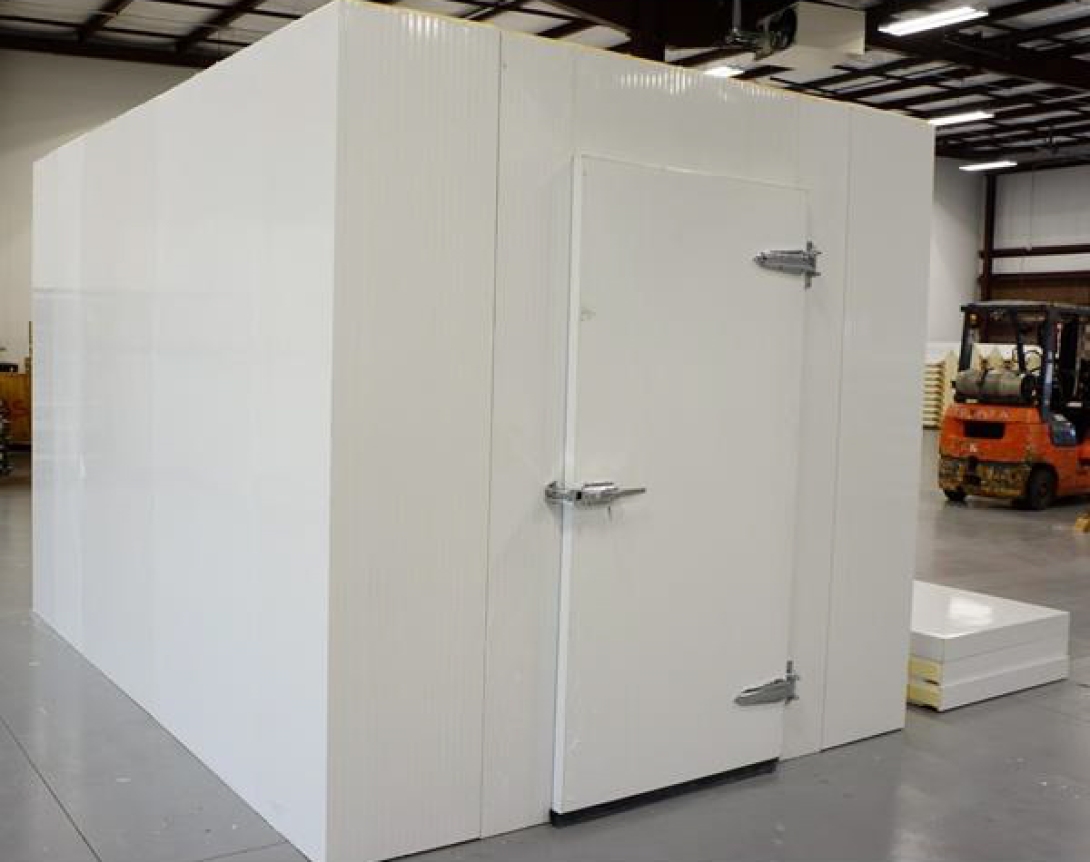
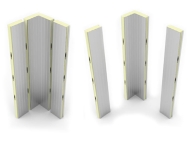
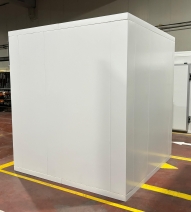
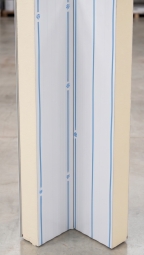
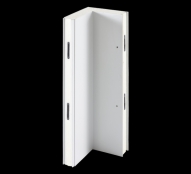
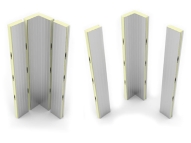
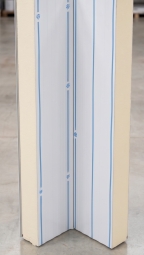
Cold room corner panels help create corners with no misalignment gaps by improving the junction of wall intersections, reducing visible misalignments, and providing a cleaner, tighter, and more durable interior finish.

This is important because corners are where poor alignment is first noticed. Even if a room is technically complete, small gaps, awkward transitions, or uneven joints can create the impression that the installation is subpar. In daily use, these details begin to affect the room’s cleanability, appearance, maintenance burden, and long-term confidence in the room.

Where Fit Issues Begin to Cause Problems

Most cold rooms do not begin to deteriorate due to a single major flaw. Quality loss begins in small areas where the installation does not appear as controlled as it should.

Corners are one of the most common examples.

At a corner, multiple factors converge. Two wall planes must be properly aligned. The transition must look clean. The junction must remain manageable under cleaning, daily movement, and repeated contact. If the fit is loose, uneven, or overly reliant on on-site adjustments, the corner begins to look like a compromise—even if the rest of the room appears acceptable.

For this reason, alignment gaps are more important than many buyers expect. A gap doesn’t have to be dramatic to become functionally bothersome. In an air-conditioned room, even a small inconsistency at a corner can attract dust, complicate cleaning routines, and create the impression that the room wasn’t finished to a consistent standard.

Why Do Corner Alignment Gaps Cause Daily Problems?

When corner alignment isn’t properly addressed, the room may function but still feel off.

This situation typically manifests in practical ways. Teams notice wall lines that don’t look straight. Managers see transitions that appear harder to keep clean. Contractors are forced to revisit areas that should have looked finished the first time. The room may maintain its temperature, but it no longer gives the impression of being tight, orderly, or easy to maintain.

In daily use, inconsistencies at the corners often lead to:

  • Transition lines that are harder to clean.
  • More noticeable inconsistencies at wall intersections.
  • Faster cosmetic deterioration in surrounding areas.
  • Greater attention required during inspections or observations.
  • Additional maintenance pressure at the same weak points.
  • A room that looks older than its actual service life.

For cold storage operators, food businesses, kitchens, supermarkets, and processing facilities, this goes beyond being merely a coating issue. It becomes a workflow issue, a hygiene issue, and ultimately a cost issue.

The Real Risk of Leaving Corner Gaps Unresolved

Even if a corner is technically sealed, it can still be the wrong choice in the long run.

This distinction is important because alignment gaps typically do not cause dramatic failures. Instead, they create constant friction during daily operations. The corner may always look slightly off. Cleaning crews may have to clean the same area more carefully. Small visual inconsistencies can lead to a broader perception that the installation is subpar.

Typical risks include:

  • Dirt or debris accumulating more easily at misaligned transitions.
  • Reduced visual confidence in the room’s flooring.
  • More frequent touch-up work or requests for adjustments.
  • Earlier signs of wear at already sensitive joints.
  • Reduced satisfaction with the overall installation quality.
  • A lingering sense that the room was never fully finished correctly.

This is important in commercial and industrial settings in the U.S., because background areas are still evaluated based on how controlled they appear and how efficiently they can be maintained. A room with visible seams often feels like a room that requires constant attention.

Why Does Better Corner Alignment Improve More Than Just Appearance?

A tighter corner does more than just make the room look better. It also changes how the room behaves during use.

When a corner is better resolved, it becomes easier to clean, inspect, and maintain visual consistency over time. This helps reduce small but recurring stresses caused by poor installation. Additionally, it gives the room a more intentional, system-based finish rather than the appearance of a joined enclosure with unresolved end points.

A well-fitted cold room corner panel typically supports the following:

  • Cleaner joint lines.
  • Better continuity between adjacent wall panels.
  • Less visual disruption at direction changes.
  • Less fragility at perimeter intersections.
  • Greater suitability for rooms with stricter hygiene standards.

This is the most important factor in areas where wall surfaces are exposed to daily cleaning, cart traffic, staff movement, and visible operational stress.

A Comparison to Help Buyers Make a Decision

The most useful comparison is not between the standard and the upgraded version. It is the comparison between loose-fitting corner logic and controlled-fitting corner logic.

Corner ApproachMost SuitableMain AdvantageMain Limitation
Basic sharp wall cornerLow-traffic utility roomsSimple initial construction approachHigher likelihood of visible alignment inconsistencies
On-site correction of corner claddingRenovation or tolerance adjustment scenariosCan reduce noticeable gaps after installationLargely dependent on the quality of on-site finishing
Special cold room corner panelProfessional cold roomsCleaner installation, better transition control, lower long-term frictionRequires better planning from the start

The more challenging the room, the less visible installation gaps are tolerated.

Situations Where a Cold Room Corner Panel Is the Right Solution

If the room is expected to look cleaner, be more controlled, and be easier to maintain during daily use, a specialized corner panel is a better choice.

This is particularly true when there are higher expectations regarding frequent cleaning routines, visible back-of-house standards, regular vehicle or shelf movement, or the quality of the finish. In these environments, the corner should not remain the least precise-looking part of the installation.

The cold room corner panel helps solve this issue by creating a more controlled joint at the point where alignment is most critical. This reduces the likelihood that adjacent panel seams will appear visually loose or physically misaligned. It also ensures more consistent alignment between wall panels, gaskets, floor transitions, protective details, and nearby door frames.

This broader coordination is where the Freezewize Cooling System comes into play. Better room performance often depends not on the components themselves, but on how they fit together. When corners, panel lines, transitions, and hardware are planned together, the room feels more seamless and daily wear and tear is reduced.

Better Integration Helps the Room Maintain Its Standards for Longer

Facilities rarely lose their confidence in a room all at once. They lose it through repeated small reminders that certain details were never fully resolved.

Corner alignment gaps are one such reminder. They constantly catch the eye. They draw attention during cleaning. They make a finished room look slightly unfinished. Over time, this weakens the perceived quality of the entire installation.

Better alignment slows this decline. It provides the room with cleaner geometry, more orderly wall lines, and a more consistent visual standard over the years. This is important for property-focused buyers, because long-term room quality is shaped by details that don’t require constant explanation.

Quick Decision Guide

A custom corner panel strategy typically makes sense in the following situations:

  • Visible fit quality is important for the facility.
  • If hygiene routines are frequently implemented.
  • Regular hand truck, shelf, or pallet jack activity in the room.
  • Corner transitions should remain cleaner and be easier to inspect.
  • The client prefers minimal touch-ups after installation.
  • Long-term value is more important than the lowest initial cost.

A simpler corner solution may be acceptable in the following situations:

  • If room traffic is low and the focus is on functionality.
  • If surface appearance is not a major priority.
  • Cleaning requirements are limited.
  • If the environment’s control sensitivity is low.
  • If long-term visual aesthetics are less important.

If the room needs to look well-finished, be easier to maintain, and avoid recurring gaps appearing in the corners, a specialized cold room corner panel is generally the better choice.

Related Solutions

Projects focused on eliminating inconsistencies in cold room corners typically also utilize the following related solutions:

  • Insulated cold room wall panels.
  • Hygienic connection and sealing details.
  • Cold room doors with cleaner frame integration.
  • Stainless steel protection for frequently touched wall areas.
  • Threshold and floor transition details.
  • Wall protectors for hand truck and pallet jack movements.
  • Interior renovation solutions for cold rooms and freezer rooms.

These related elements are important because improper alignment rarely occurs in isolation. It typically reflects how the broader room system is coordinated.

FAQ

Why do misalignments at cold room corners pose a problem?

Because they create hard-to-clean transitions, reduce the quality of the finish, and make the room appear less controlled during daily use. Over time, they also increase the need for maintenance.

Are small corner gaps in commercial cold rooms really important?

Yes. Even small gaps can become recurring sources of visual inconsistency, hygiene issues, and premature wear, especially in high-traffic facilities where frequent cleaning is required.

Is a cold room corner panel primarily a cosmetic solution?

No. It improves the appearance, but its true value lies in providing better fit control, easier maintenance, and a more robust corner configuration in the room’s most visually prominent area.

When is a basic corner application no longer sufficient?

Generally, it is no longer sufficient when the room has stricter finish expectations, greater cleaning demands, heavier traffic, or a need for better long-term visual consistency.

Can better corner alignment reduce the maintenance burden?

In most cases, yes. Better alignment reduces the need for repeated attention to problem areas and helps the room look cleaner and remain more consistent over time.

Should corner alignment be addressed in the early stages of the project?

Yes. Corner alignment is best resolved during the planning and layout phase—not after the room is installed and visible gaps have become part of the final result.

Conclusion

Cold room corners should not be areas where the quality of the installation begins to look uncertain.

If alignment gaps are still visible at the corners, the room will never look as clean, orderly, or professionally designed as it should.

Whether you’re evaluating a new cold room or improving an existing specification, it’s worth addressing the corner panel strategy early on to ensure the finished room offers cleaner joints, stronger visual control, and fewer long-term compromises.

Fill the Form!

Write your needs and fill the form to contact us.

Freezewize | Industrial Cooling Systems & Custom Cold Room Solutions
Merhaba, Size yardımcı olabilir miyiz ?
Whatsapp Destek