




Insulated Panels That Install With Control
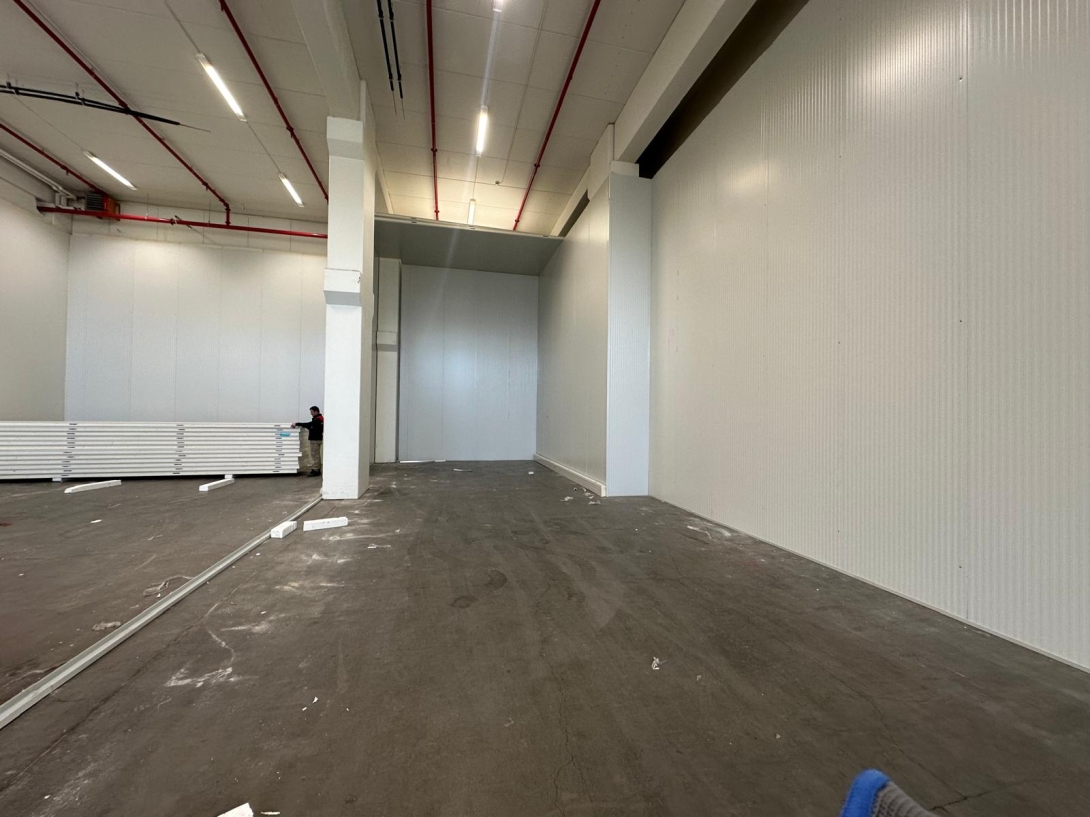
Cam Locked Cold Room Panels for Controlled Installation and Better Project Outcomes
Cam locked cold room panels support controlled installation, tighter fit, and fewer site corrections for cleaner cooler and freezer room construction.
Insulated Panels That Install With Control
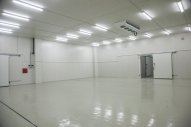
Insulated panels that install with control help cold room projects move more cleanly from layout to turnover. Cam locked cold room panels reduce fit-up uncertainty, support tighter seams, and give contractors and facility teams a more predictable way to build cooler and freezer enclosures without turning the jobsite into a correction zone.
That matters because installation quality is rarely lost through one major mistake. It usually slips through repeated small problems: wall runs that drift, openings that need rework, seams that never look fully right, and a room that technically closes in but feels harder to trust once daily use begins.
Where Installation Control Usually Breaks Down
Most cold room projects don’t start with bad intentions. They begin with a reasonable plan and then lose control on-site.
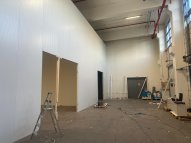
The floor is slightly more sloped than expected. A long wall line requires more adjustment. Resolving a door opening takes extra time. The ceiling connection requires more correction than the team anticipated. One problem leads to another, and by the time the enclosure is complete, the room may already show signs of excessive improvisation at the construction site level.
This situation is particularly common in commercial cold storage projects because simply having the room stand upright is not enough. Openings, thresholds, gaskets, hardware, traffic routes, and temperature requirements must all be compatible. In food processing facilities, supermarkets, warehouses, processing areas, and commercial kitchens, a panel system installed without adequate control can cause problems long before operations even begin.
This is why installation inspection is crucial. It reduces the number of minor installation errors that could later lead to maintenance issues, visual inconsistencies, or doubts about whether the room was designed correctly from the start.
Why a Functional Room Might Still Feel Wrong
Even if a cold room is sealed, insulated, and technically operational, it may still be the wrong fit for the facility.
This typically occurs when there is too much variation during the installation process. Seams may be acceptable but not smooth. Wall lines may be functional but lack precision. Corners and openings may work, yet the room’s appearance and feel may still convey a sense of requiring excessive adjustments to achieve a finished look.
For professional buyers in the U.S. market, this is a real risk. A room installed without proper control typically leads to:
- More on-site corrections during construction.
- Greater visible inconsistencies at joints, corners, and openings.
- Higher maintenance sensitivity in areas where alignment is forced rather than resolved.
- Greater pressure on airtightness and thermal continuity.
- Earlier dissatisfaction regarding the room’s finish, performance, or durability.
The key point is this: A room may function properly, yet still leave the impression that construction quality was never fully under control.
Important Comparison: It’s Not Just a Comparison Between Panels
The real comparison here is between controlled modular installation and site-dependent installation.
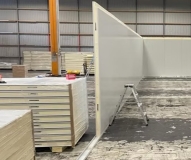
Glass-locked cold room panels are generally a better choice when the project requires repeatable joint connections, faster alignment, and cleaner enclosure installation. Locking mechanisms help bring adjacent panels together more consistently; this reduces some of the uncertainties that slow down work and weaken the final assembly.
In contrast, site-dependent insulated wall approaches can still enclose a room, but they generally leave a significant portion of the final result up to variations in site conditions. This increases the likelihood of inconsistencies at joints, misalignment, and unnecessary corrective work.
| Installation Approach | Best Fit | Main Strength | Main Risk |
|---|---|---|---|
| Cam locked cold room panels | Commercial cooler and freezer rooms, food facilities, distribution spaces | More controlled fit-up and cleaner joint alignment | Still depends on good site prep and crew discipline |
| Basic field-fastened insulated sections | Simpler, lower-pressure enclosures | Lower upfront system simplicity | More on-site variation and slower correction-heavy installation |
| Site-built insulated assemblies | Custom structural conditions | Layout flexibility | Higher labor demand and less repeatable installation quality |
The decision should not be based solely on insulation value or material cost. It should also be based on how much control the panel system provides the project team once work begins.
Why Do Glass-Locked Panels Improve Installation Control?
Glass-locked cold room panels are installed with greater control because the connection method is designed to minimize guesswork between one panel and the next.
This is crucial in real-world projects where a clean installation depends on the ability to keep wall lines straight, corners neat, openings aligned, and ceiling sections coordinated—all without excessive on-site adjustments. A more controlled connection system does not eliminate the need for skilled installation, but it provides the team with a more stable process to work with.
In practice, this typically means:
- Tighter and more consistent panel connections.
- Better wall alignment along long runs.
- Smoother coordination around door frames and openings.
- Fewer visual irregularities during enclosure construction.
- A cleaner transition to cooling, finishing, and daily use.
This is particularly valuable in cooled environments where the panel system is not isolated from the rest of the room. Doors, thresholds, gaskets, ramps, service access, and protective hardware function better when the surrounding enclosure is installed with discipline.
In projects where the room must perform well and look properly constructed from day one, and where installation control is considered not just for the contractor’s convenience but as a key purchasing factor, the Freezewize Cooling System typically delivers stronger results.
Installation Control Impacts More Than Just the Construction Phase
One of the biggest mistakes made in panel selection is assuming that installation control is only important during construction.
This also affects what happens after delivery. When a room is installed with cleaner alignment and better joint consistency, it is generally easier to ensure airtightness, clean, maintain, and rely on it under actual operating pressure. The room enters service with fewer areas that appear poorly aligned or forced into place.
This is important in facilities with the following characteristics:
- Frequent personnel movement.
- Pallet jack, hand truck, or shelf traffic near openings.
- Regular cleaning or washing routines.
- High hygiene expectations.
- Visible back-of-house presentation standards.
- Limited tolerance for early maintenance issues.
A room built with better control tends to create fewer surprises later on.
What Buyers Should Review Before Approving the Panel Package
If the target is a controlled installation, buyers should evaluate more than just panel thickness and the quoted price.
Additional useful review points include:
- Floor condition and subfloor preparation.
- Wall length and number of corners.
- Door opening size and location.
- Expected traffic flow within and around the room.
- Number of penetration holes and ceiling penetrations.
- Cleaning and visual standards for the finished enclosure.
- How much on-site adjustment the project can realistically accommodate.
These checkpoints help determine whether the room will be installed properly or if the site will have to resolve too many issues in real time.
Quick Decision Guide
Select cam-locked cold room panels when the project requires the following:
- A cleaner installation with less assembly uncertainty.
- Tighter joints and more predictable wall alignment.
- Better coordination around doors, corners, and ceilings.
- A more disciplined enclosure for refrigeration or freezer rooms.
- Less exposure to installation work requiring corrections.
If the project includes the following, examine the system more carefully before approval:
- Poor floor preparation.
- Unclear opening details.
- Limited access for installation.
- A team with limited cold room experience.
- A purchasing decision focused solely on initial cost rather than the overall installation outcome.
If the room is to be evaluated for fit, cleanliness, and long-term reliability, a panel system installed with greater precision is generally a better choice.
Related Solutions
If this topic applies to your project, the following related internal page options are the most logical choices:
- Cold room doors for controlled opening integration.
- Freezer room panel systems for low-temperature structures.
- Refrigerated room wall and ceiling panel packages.
- Threshold and ramp details for vehicle and pallet movement.
- Protective hardware for wall areas exposed to impact.
- Gaskets, sealing accessories, and panel connection components.
These related solutions are important because installation control is not just about the panel surface. It depends on how the entire enclosure comes together.
FAQ
What does “controlled installation” mean in a cold room panel system?
This means the panel system provides more predictable fit, cleaner alignment, and fewer on-site adjustments during installation. Practically, it helps the room come together with fewer avoidable issues.
Is the correct installation of cam-locked cold room panels easier?
Yes. In many commercial projects, proper installation is easier because the connection mechanisms help bring adjacent panels together more consistently.
Does installation control affect the room’s long-term performance?
Yes. Better installation control typically improves the quality of joints, alignment, airtightness, and the overall integrity of the finished enclosure.
Can a poorly installed insulated panel room still function technically?
Yes, but that doesn’t mean it will perform correctly. A room may function, but it can still lead to increased maintenance, visual inconsistencies, and long-term ownership issues.
Why do gaps and corners cause so many problems during installation?
Because they concentrate tolerances. If wall lines, door positions, thresholds, and adjacent panel joints are not properly controlled, these areas tend to be the first to reveal weaknesses.
Is controlled installation important for both refrigerated and freezer rooms?
Absolutely. Consistency in fit is critical in both applications. In freezer rooms, poor installation discipline typically manifests even more quickly through frost buildup, joint stress, and sealing issues.
Conclusion
A cold room panel system should not rely on on-site corrections or chance to ensure the room’s final quality.
The best insulated panel system is one that keeps the structure under control before minor installation issues turn into long-term operational problems. If your project requires a cleaner, more disciplined approach—from the layout plan to the finished enclosure—cam-locked cold room panels are generally a more robust option. A practical next step is to inspect the room as a complete system—including openings, thresholds, traffic flow, and sealing requirements—before final approval.