




Freezewize | Industrial Cooling Systems & Custom Cold Room Solutions

Cleaner Assembly for Cold Storage Shells

Cleaner Cold Storage Shell Assembly With Cam Locked Panels

Cam locked cold room panels support cleaner cold storage shell assembly with tighter joints, less field mess, and better long-term wall consistency.

Cleaner Assembly for Cold Storage Shells

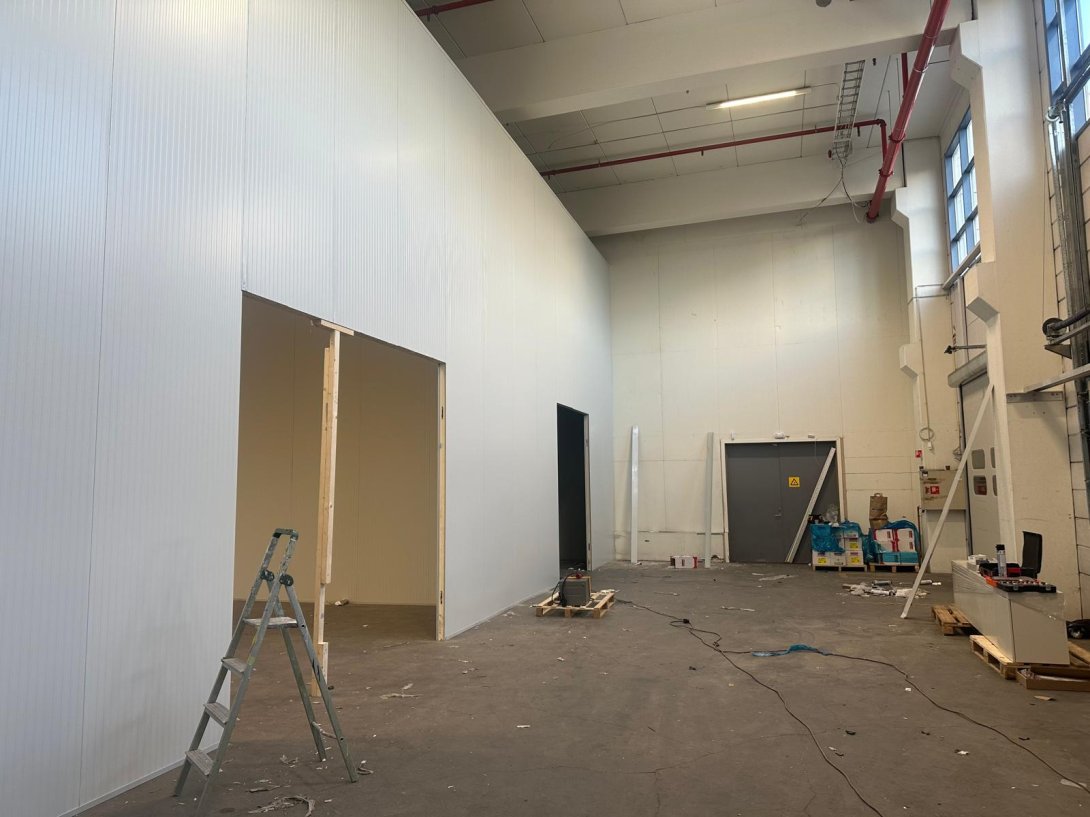
A cleaner cold storage shell starts with a panel system that goes together in a more controlled way. Cam locked cold room panels help reduce installation disorder, improve seam consistency, and create a more disciplined enclosure that is easier to finish, easier to inspect, and easier to trust once operations begin.

That matters because assembly cleanliness is not only about appearance on install day. In cooler rooms, freezer rooms, and refrigerated work areas, a cleaner shell build usually leads to better alignment, fewer avoidable corrections, less disruption around openings, and a room that enters service with fewer lingering problems.

Where Cold Storage Shells Start Looking Sloppy

Many cold storage projects suffer a loss of quality before the room is even put into service.

The problem isn’t always a major installation error. More often than not, it’s the accumulation of small issues that cause the shell to look rougher than it should. Seams don’t look straight. Corners require extra touch-ups. Openings appear less neat than expected. The panel layout looks functional but lacks discipline. When the room is completed, the shell may show signs that a significant portion of the construction relied on on-site improvisation.

For contractors and facility teams, this creates immediate pressure. A cabinet combined with unnecessary clutter or touch-up work slows the installation pace, complicates final operations, and leaves the impression that the room was installed to acceptable minimums rather than strong commercial standards.

In U.S. cold storage environments, this is more critical than many buyers initially realize. A cleaner shell structure ensures a smoother handover, fewer early complaints, and a safer starting point for the teams who will operate, clean, and maintain the room.

Why Does a Messier Structure Cause Problems in the Long Run?

A cold room can be insulated, sealed, and technically operational even while bearing the cost of a disorganized installation process.

When the shell is assembled in a way that requires excessive on-site adjustments, the risk doesn’t end with installation. Irregular joint lines can become harder to clean. Irregular panel relationships can affect visual quality in back areas. Gaps may require more attention over time. Minor inconsistencies at joints can make the room feel less sturdy and less refined under actual operating conditions.

An incorrect panel approach typically creates the following issues: 

  • More corrective work during installation and finishing.
  • More visible inconsistencies at seams, corners, and transitions.
  • Greater cleaning challenges in areas where alignment or joint quality is inconsistent.
  • Higher maintenance sensitivity around gaps and wall connections.
  • Earlier dissatisfaction with how the room looks and feels during use.

This is the core issue. A shell doesn’t have to fail to become a problem. For the room to never quite feel right, it’s sufficient for there to be enough preventable friction upon commissioning.

The Most Important Comparison

The fundamental comparison for this issue is simple: controlled modular installation versus site-dependent installation.

Glass-locked cold room panels are generally a more suitable choice when the project requires a shell with cleaner joints, more consistent panel-to-panel alignment, and less reliance on on-site estimates. This facilitates the alignment of the enclosure, its visual inspection, and its transition to final use without the rough edges of an overly improvisational structure.

In contrast, on-site insulated wall approaches may work for lighter or less demanding applications, but they generally create more variation in areas that buyers often notice later (seams, openings, corners, and finished wall lines).

Assembly ApproachBest FitCleaner Build AdvantageMain Limitation
Cam locked cold room panelsCommercial coolers, freezers, food facilities, distribution spacesCleaner seams, faster fit-up, more controlled shell assemblyStill depends on proper layout and installation discipline
Basic field-fastened insulated sectionsSimpler, lower-pressure enclosuresLess system complexity upfrontMore on-site variation and rougher finish consistency
Site-built insulated assembliesCustom structural conditionsFlexible for unusual layoutsMore field work and less repeatable enclosure quality

The lesson here is practical: The shell must look uniform, fit cleanly, and transition seamlessly into operation; in this context, the installation method is just as important as the insulation itself.

Why Do Glass-Locked Panels Support a Cleaner Shell Structure?

The primary advantage of glass-locked cold room panels is not just speed. It is the controlled connection.

When adjacent panels are joined using a repeatable locking method, the shell achieves a better alignment of wall lines, corners, and ceiling sections. This reduces installation complexity caused by excessive adjustments and helps the enclosure reach a cleaner finished state more quickly.

Under real-world project conditions, this cleaner installation logic supports the following: 

  • Tighter-looking joint lines.
  • More consistent panel alignment.
  • Less rework during enclosure construction.
  • Smoother coordination around doors and service openings.
  • A more professional-looking finished shell in visible back areas.

This is particularly valuable in food processing facilities, supermarkets, processing rooms, warehouses, and commercial kitchens, where the cold storage shell is not merely a hidden infrastructure. It is part of the work environment. Staff see it every day. Cleaning crews deal with it every day. Maintenance teams assess it every time service is required.

A cleaner shell tends to perform better under washing routines, traffic exposure, and constant temperature stress, as there are fewer areas in the room that appear weak or poorly resolved.

In projects where the quality of the enclosure matters beyond just appearance, the Freezewize Cooling System typically addresses a cleaner installation as a system-level issue. This means examining the panels, joint logic, door openings, thresholds, sealing details, and traffic exposure together—rather than assuming the shell will clean itself later.

A Cleaner Installation Is Also a Decision About Hygiene and Workflow

In cold storage facilities, structural cleanliness and operational cleanliness are closely linked.

When the shell is installed with better seam control and a stronger visual alignment, integrating the room into daily routines becomes easier. Wall lines are easier to clean. Transitions are more clearly defined. Staff are less likely to have to work around disruptive irregularities. The shell feels more suitable for environments that are inspection-sensitive and hygiene-focused.

This does not mean that installation cleanliness replaces hygiene discipline. It means that the shell either supports this discipline or quietly works against it.

This distinction is important for buyers under pressure due to food safety expectations, visible kitchen standards, and workforce efficiency concerns. Living with a cleaner shell is easier.

What Buyers Should Review Before Approving the Panel Package

If a cleaner installation is a priority, buyers should not evaluate panels based solely on thickness or the square footage offered.

More useful points to examine include: 

  • How much on-site adjustment the system will require.
  • Whether long wall runs require strong visual alignment.
  • How sensitive the facility is to hygiene presentation.
  • How many corners, openings, and holes there are.
  • Whether the room will be subject to frequent cleaning or washing.
  • How much tolerance is allowed for rework during installation.

These questions help buyers distinguish between a shell that is merely enclosed and one that is disciplined, properly, and professionally constructed.

Quick Decision Guide

If the project requires the following, choose cam-locked cold room panels: 

  • A cleaner-looking shell upon delivery.
  • Tighter joints and more consistent wall lines.
  • Less on-site adjustment during installation.
  • Better fit around doors, ceilings, and corners.
  • A more refined enclosure for hygiene-sensitive operations.

If the project includes the following, examine more carefully before purchasing: 

  • Poor floor conditions that could affect alignment.
  • A rushed installation with poor coordination around openings.
  • Installation teams with limited cold room experience.
  • High-traffic areas without a plan for protective details.
  • A purchase decision focused solely on initial cost.

If the shell will be visible, requires frequent cleaning, or will be evaluated primarily for fit and finish, a more controlled panel system is generally a wiser choice.

Related Solutions

If this topic applies to your project, the following related internal page options are the most logical choices:

  • Cold room doors for a cleaner opening integration.
  • Freezer room panel systems for low-temperature enclosures.
  • Refrigerated room wall and ceiling panels.
  • Threshold and ramp details for vehicle and pallet movement.
  • Protective hardware for cold storage walls exposed to impact.
  • Gaskets, sealing accessories, and panel connection components.

These related solutions are important because a clean shell installation depends on more than just the wall panels. Doors, edges, transitions, and protective details shape the final result.

FAQ

Why is cold storage shell installation with cam-locked panels cleaner?

The main reason is that the connection between panels is more controlled. This helps reduce visible seam inconsistencies, excessive adjustments, and rough transitions during installation.

Is a cleaner installation really important once the room is complete?

Yes. A cleaner installation typically leads to better alignment, easier cleaning, a stronger visual order, and fewer early issues once the room is put into use.

Are cam-locked panels suitable for both refrigerated and frozen storage shells?

Yes, they are suitable when properly specified for the application. In both cases, cleaner joints and better installation discipline support stronger long-term performance.

Does a cleaner shell also help with hygiene?

It can. Cleaner wall lines and better-finished joints are generally easier to maintain than uneven joints or transitions that were over-adjusted on-site.

What usually causes a cold room shell to look unfinished?

Common causes include excessive on-site adjustments, poor joint control, uneven floor conditions, rushed opening coordination, and panel systems that rely too heavily on on-site improvisation.

Should shell cleaning be evaluated in conjunction with doors and thresholds?

Absolutely. The shell only conveys a sense of completion when the panels, openings, thresholds, and protective details work together seamlessly.

Conclusion

A cold storage shell should not merely appear acceptable from a distance. It must also leave a controlled, clean, and functional impression when viewed up close.

The best shell installation is one that minimizes on-site irregularities before they turn into long-term friction. If your project requires a cold room enclosure with cleaner seams, better line discipline, and a more professional finish, tongue-and-groove cold room panels are generally a more robust option. A good next step is to review the entire shell package, taking into account clearances, transitions, and cleaning requirements before finalizing the specifications.

Fill the Form!

Write your needs and fill the form to contact us.

Freezewize | Industrial Cooling Systems & Custom Cold Room Solutions
Merhaba, Size yardımcı olabilir miyiz ?
Whatsapp Destek