




Freezewize | Industrial Cooling Systems & Custom Cold Room Solutions

Faster Turnarounds Start at the Door

Commercial Overhead Doors That Improve Dock Turnaround Speed

Reduce dock delays with a commercial overhead door built for faster turnarounds, cleaner cycles, lower downtime, and more reliable daily loading flow.

Faster Turnarounds Start at the Door

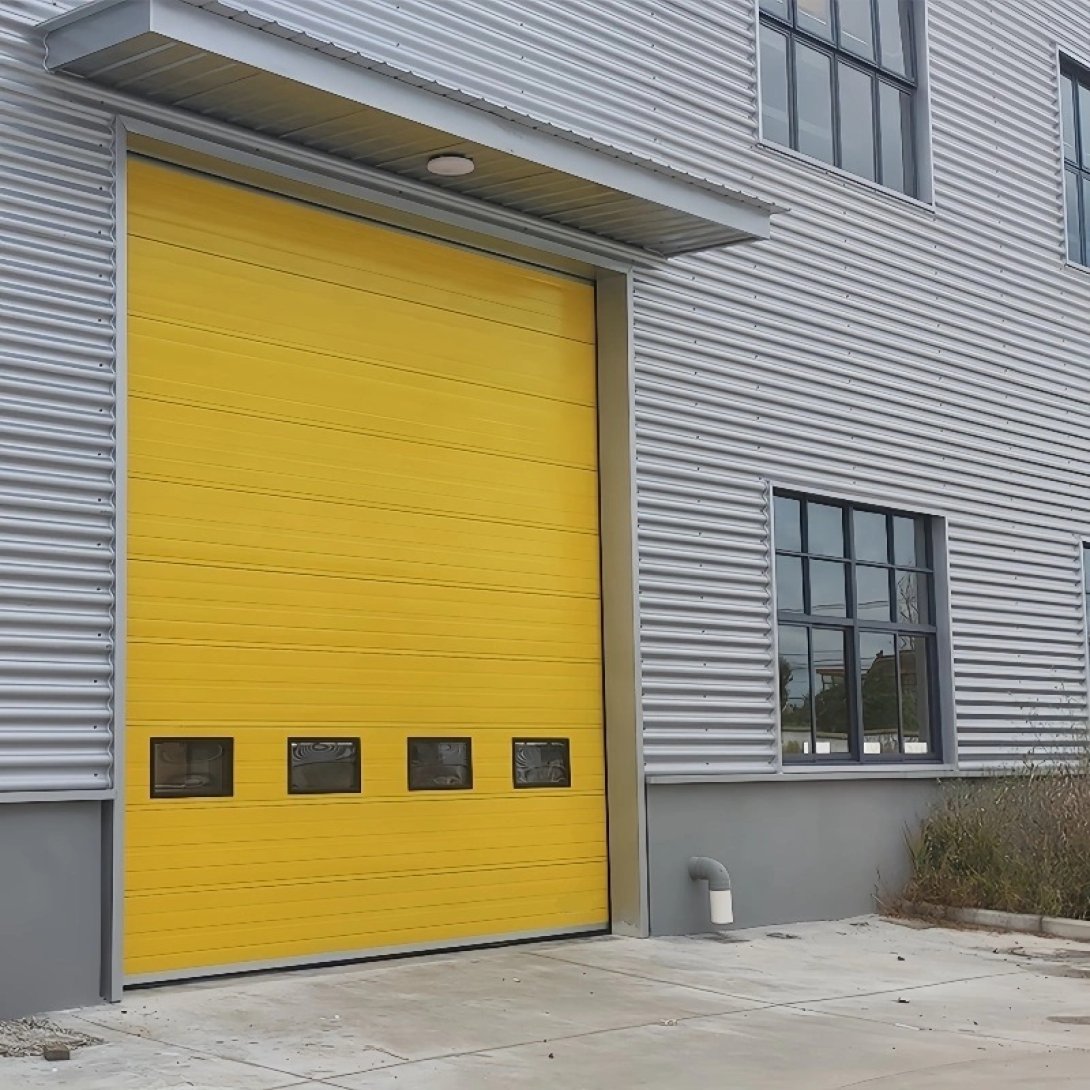
A commercial overhead door plays a direct role in dock turnaround speed because it affects how quickly a bay resets between loads, how reliably it closes, and how smoothly equipment and people move through the opening. The right door helps shorten truck dwell time, reduce stop-start friction, and keep the dock working at the pace the operation actually needs.

In many facilities, slow turnarounds are not caused by one major failure. They come from repeated small delays at the opening: slow cycles, poor recovery after constant use, impact-related wear, weak sealing, awkward clearance, and service interruptions that break the rhythm of the dock. That is why faster turnarounds often start with the door itself.

Delays Usually Start Before Anyone Calls It a Door Problem

In most facilities, the door isn’t immediately blamed when turnaround times lengthen. First, traffic, labor, scheduling, or truck timing are blamed. Sometimes this is justified. However, in many buildings, the loading dock quietly adds delays to every shift.

A loading door that operates slowly, gets stuck with frequent use, or requires constant attention creates a resistance that operators work around. Forklifts stop. Drivers wait a little longer. Loading crews disrupt the flow. The loading ramp never comes to a complete stop, but it never feels efficient either.

Such slowdowns are common in warehouses, food distribution centers, supermarket receiving areas, processing plants, and high-volume back-end operations. These are places where speed is not just about convenience. Speed affects labor utilization, trailer scheduling, equipment flow, and how much actual volume the facility can realistically support in a day.

When the opening process isn’t properly defined, the loading area still functions, but it operates more heavily than it should.

Small Door Delays Lead to Larger Operational Losses

A commercial overhead door may function technically, but it can still slow down the facility.

This mismatch typically manifests in ordinary ways. It takes too long for the door to open fully. After repeated cycles, it closes erratically. The hardware begins to strain under daily stress. The bottom seal grinds or wears unevenly. Minor impacts near the threshold start to affect alignment. The opening ceases to be something the team can rely on and becomes something they must manage.

This creates real operational costs: 

  • Longer truck wait times.
  • Slower loading area reset between incoming and outgoing operations.
  • More idle labor waiting around the opening.
  • More service calls during active working hours.
  • Less confidence in loading ramp performance during peak periods.
  • Pressure to replace sooner than expected.

This is where many buyers misjudge the issue. They view the door as a basic access component, but the loading ramp sees it as part of the operational cycle. If the opening creates friction, the entire turnaround process is consequently prolonged.

Faster Turnaround Times Depend on More Than Just Opening Speed

Speed matters, but not on its own.

A door that opens quickly but wears out easily, has poor sealing, or becomes unreliable under daily heavy use does not truly solve the turnaround time problem. A better solution is a door that supports repeatable throughput. This means reliable cycle performance, good clearance, predictable closing, stable hardware, and fewer interruptions under real-world operating conditions.

On a high-traffic loading ramp, faster turnaround times typically depend on how well the door works with the rest of the opening: 

  • Forklift and pallet jack movement.
  • Trailer loading rhythm.
  • Ramp shelter or ramp seal performance.
  • Visibility on the ramp.
  • Threshold condition.
  • Exposure to environmental conditions.
  • Risk of impact near the lower section.
  • Maintenance access and service frequency.

The pressure is even higher in facilities where the dock is located near climate-controlled or refrigerated areas. There, every slow cycle or inadequate closure can also affect environmental control, recovery time, and the overall efficiency of the opening.

The Wrong Door Often Appears Acceptable at First Glance

One reason this issue is frequently overlooked is that the wrong door may appear to function well during installation and initial use.

It opens. It closes. It fits the dock. On paper, the project appears complete.

The real difference only becomes apparent after prolonged use. A lighter door may seem cost-effective until the workload increases. A standard design may seem sufficient until the loading area begins to open dozens or hundreds of times under actual operating conditions. A door lacking proper cycle support, hardware strength, or an opening strategy may pass the installation phase but may encounter problems during operation.

Therefore, buyers focused on operational volume should evaluate the door not only based on its dimensions but also on its ability to handle the workload.

What to Compare When Cycle Speed Matters

If the goal is faster loading and unloading cycles, buyers should compare door solutions not just by product category but by operational suitability.

The most critical decision points are typically: 

  • Daily cycle demand.
  • Opening width and traffic type.
  • Exposure to equipment-related impacts.
  • Insulation and sealing requirements.
  • Reliability of recovery after repeated use.
  • Maintenance tolerance during active shifts.
  • Long-term ownership cost under operational pressure.

Comparison Table

Door ApproachBest FitMain BenefitMain Tradeoff
Standard commercial overhead doorModerate-use docks with balanced daily trafficPractical and cost-conscious baseline performanceCan become restrictive in higher-turnover bays
Insulated overhead doorOpenings where environmental control and tighter closure matterBetter sealing and stronger opening performanceHigher initial spend
High-cycle overhead doorBusy receiving and shipping operationsMore consistent performance under repeated daily openingsRequires real cycle demand to justify the build
Heavy-duty overhead configurationHard-use bays with frequent equipment pressureBetter long-term durability and less wear-related dragMay be more than lighter-duty sites need

The best choice is not always the fastest-looking option. It is the option that ensures the opening remains efficient over time.

The Right Solution Is a Door Designed to Match the Dock’s Rhythm

A better turnaround time is typically achieved by selecting a door based on the opening’s daily rhythm.

If the opening is in constant use, high cycle performance becomes more critical. If the opening is subjected to repeated equipment impact, stronger hardware and a more durable panel structure are more important. If the dock opening affects climate-controlled or temperature-sensitive areas, insulation and sealing quality become part of the discussion regarding cycle time; because poor control at the opening can create delays elsewhere.

This is where experience makes the difference. The Freezewize Cooling System approaches dock doors not as isolated products, but as an integral part of the actual workflow. This means that the door, threshold, seals, hardware, visibility, and surrounding dock conditions can be coordinated to support—rather than hinder—faster turnaround times.

A robust overhead door solution doesn’t just open faster. It helps the dock recover more quickly, operate more reliably, and keep moving without constant interruptions.

Quick Decision Guide

If there is moderate traffic at the dock and the priority is reliable operation at a balanced cost, choose the standard commercial overhead door.

If tighter sealing, better environmental performance, or stronger environmental separation is required, choose an insulated overhead door.

If the dock opens repeatedly throughout the day and even minor interruptions affect trailer movement and operational efficiency, choose a high-cycle overhead door.

If equipment pressure, impact exposure, and more demanding daily use cause wear that slows down opening over time, select the heavy-duty overhead door configuration.

If turnaround times are already slowing down, the next door decision should be based not only on the current opening size but also on the actual docking pressure.

Related Solutions

If the goal is faster cycle times, it is often beneficial to review these related solution areas alongside the overhead door decision:

  • Insulated loading ramp door systems.
  • Loading ramp seals and loading ramp enclosures.
  • High-cycle loading ramp door solutions.
  • Impact-resistant hardware packages.
  • Threshold and bottom seal details.
  • Cold room and loading area transition solutions.

FAQ

How does a commercial overhead door affect the turnaround time of a loading ramp?

It affects how quickly the ramp opens, resets, closes, and returns to an operational state between loading operations. A weak door adds delay to every cycle.

Is a faster door always the best choice for improving turnaround time?

Not always. Speed is important, but reliability, durability, airtightness, and performance under conditions of repeated daily use are just as important.

When should a loading ramp switch to a high-cycle overhead door?

A high-cycle solution makes sense when the opening is used frequently enough that slower turnaround times, wear, or repeated service interruptions impact efficiency.

Can door wear actually slow down truck turnaround times?

Yes. Misalignment, hardware fatigue, poor closing, and repeated minor service issues cause hesitation and time loss at the loading dock.

If the goal is faster turnaround times, is insulation important?

In many facilities, yes. Better insulation typically supports a sturdier panel structure and better closure, especially when the opening affects a climate-controlled or refrigerated area.

What is the biggest mistake buyers make regarding loading dock doors?

Treating the door as a simple closing element rather than as part of the loading ramp’s operational speed and long-term workflow performance.

Conclusion

If the opening itself creates constant friction, faster loading and unloading times can rarely be corrected by timing alone.

If the loading door is slowing down the cycle, it’s already reducing efficiency. A properly selected commercial overhead door can help reduce wait times, minimize downtime, and make the loading area feel faster, cleaner, and more reliable under daily operational pressure. For facilities planning a renovation, the best step is to evaluate the door opening by considering actual traffic, actual cycle demand, and actual operational speed.

Fill the Form!

Write your needs and fill the form to contact us.

Freezewize | Industrial Cooling Systems & Custom Cold Room Solutions
Merhaba, Size yardımcı olabilir miyiz ?
Whatsapp Destek