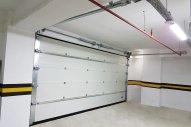





Daily Wear at Loading Bay Entrances
Commercial Overhead Doors for Daily Wear at Loading Bay Entrances
Reduce daily wear at loading bay entrances with the right commercial overhead door. Improve durability, limit repairs, protect workflow, and extend opening life.
Commercial Overhead Doors for Daily Wear at Loading Bay Entrances
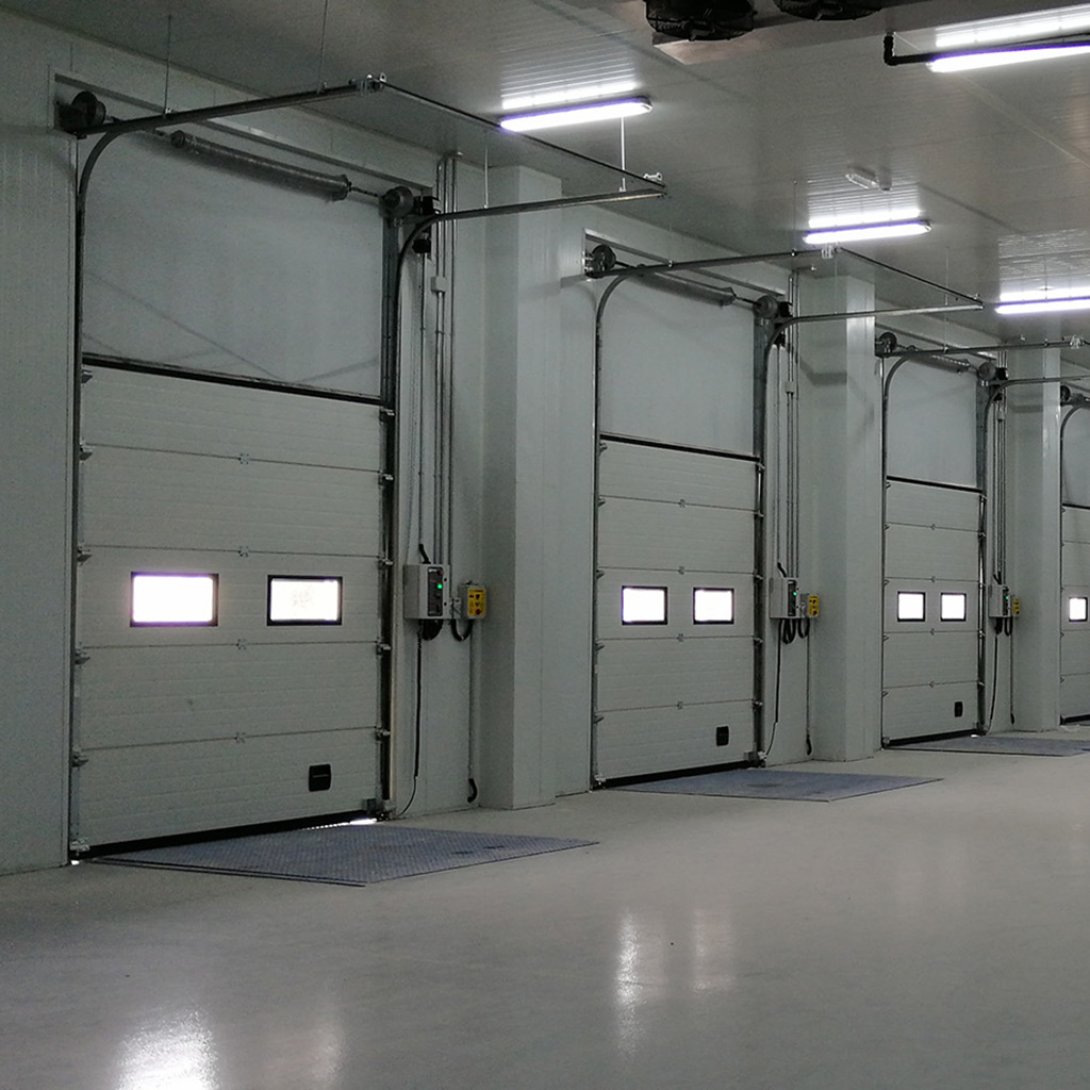
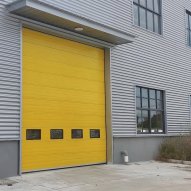
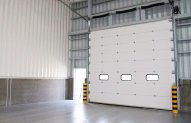
A commercial overhead door is often the best way to manage daily wear at loading bay entrances because it helps the opening handle repeated movement, impact exposure, and constant cycling without turning the entrance into a maintenance problem. The right door protects workflow, supports cleaner operation, and reduces the gradual damage that builds up around busy dock areas.
Most loading bay entrances do not fail all at once. They wear down through daily contact, uneven closing, track stress, bottom seal deterioration, minor impacts, and repeated opening cycles that slowly push the system out of alignment. That is why daily wear should be treated as a performance issue, not just a maintenance issue.
Where Daily Wear Starts Showing Up
Wear at a loading bay entrance rarely begins as a dramatic defect. It starts as friction that becomes easier to notice after the site has been operating for a while.
A door begins to close less cleanly. The bottom edge no longer meets the floor as evenly as it should. Panels pick up dents and surface marks near the lower section. Tracks and hardware begin showing strain from repeated cycles. Drivers and warehouse staff start working around the opening instead of trusting it to perform smoothly every time.
This is common in facilities where loading bays stay active across the day. Warehouses, food distribution sites, processing plants, supermarkets, and back-of-house operations all place continuous pressure on dock entrances. Forklift traffic passes nearby. Pallet jacks and carts move through adjacent paths. The opening is exposed to weather, dirt, and repeated contact. Even when nobody sees it as abuse, the entrance absorbs daily punishment.
That is why loading bay wear should not be treated as cosmetic aging. In many buildings, it is a sign that the opening is carrying more operating stress than the original specification was built to handle.
Why the Wrong Door Wears Out Faster
A loading bay entrance can still function while wearing down in the wrong way.
That usually happens when the door was selected for basic closure instead of real use conditions. A lighter-duty build may look acceptable at installation, but the opening begins aging faster once traffic becomes consistent. Hardware starts carrying more strain than expected. Surface damage becomes visible earlier. Bottom seals and perimeter contact points stop performing as well. Minor impact events create disproportionate wear.
This becomes especially costly when the entrance serves as a high-visibility or high-volume point in the building. What looks like routine wear can create larger operational consequences:
- More repair interruption during working hours.
- Slower loading flow at a busy entrance.
- Weaker sealing at the perimeter.
- Earlier hardware replacement needs.
- More visible back-of-house deterioration.
- Higher ownership cost over time.
The real risk is not only that the door becomes damaged. The real risk is that the entrance begins to feel unreliable long before it fully fails. That creates hesitation, maintenance pressure, and the recurring sense that the opening was never truly built for the traffic it sees.
Daily Wear Is an Operational Risk, Not Just a Maintenance Detail
When loading bay entrances wear prematurely, the damage spreads beyond the door itself.
A worn entrance affects how quickly staff can move. It affects how confidently drivers and operators approach the bay. It can make the opening harder to seal against weather and airborne debris. It can also make the dock area look older, less controlled, and harder to keep aligned with facility standards.
In operations with inspection pressure, food handling requirements, or visible customer-facing back-of-house expectations, that decline matters even more. A door that looks tired, closes inconsistently, or shows repeated damage may signal broader maintenance weakness even if the rest of the site is functioning well.
That is why the wrong door choice often costs more than its purchase price suggests. A loading bay entrance that wears too fast keeps creating small operating penalties that are easy to underestimate and difficult to fully recover later.
What to Compare Before Choosing a Door
For loading bay entrances, the decision is not simply about whether to install an overhead door. The better question is which kind of overhead door is suitable for the actual wear pattern at the opening.
The most important comparison points are usually:
- Cycle demand across a normal day.
- Exposure to impact near the lower door zone.
- Insulation and sealing needs.
- Surface durability and appearance retention.
- Hardware strength and long-term maintenance tolerance.
- How closely the opening sits to traffic lanes and dock equipment.
A low-pressure entrance can often perform well with a standard commercial overhead door. A busier bay with harder daily use may need a stronger configuration, more durable hardware, and a better approach to panel construction. If the bay influences conditioned space or temperature-sensitive zones, insulation and perimeter sealing become more important as well.
Comparison Table
| Door Approach | Best Fit | Main Benefit | Main Limitation |
|---|---|---|---|
| Standard commercial overhead door | Moderate-use loading bays | Good baseline performance with balanced cost | Can wear faster under heavier daily pressure |
| Insulated overhead door | Bays needing better environmental control | Better sealing and stronger opening performance | Higher upfront cost |
| High-cycle overhead door | Entrances with repeated daily opening demand | Better support for frequent operation | Needs proper specification to justify value |
| Heavy-duty overhead configuration | Bays exposed to impact, hard use, and faster visible wear | Better long-term durability and reduced stress on the opening | May be more than needed for lighter-duty sites |
This comparison matters because daily wear is not caused by one factor alone. It comes from repeated use, surrounding conditions, and how much punishment the opening quietly absorbs.
The Right Solution for High-Wear Bay Entrances
The best solution is usually the one that reduces wear before the entrance starts showing it visibly.
That means matching the door to the opening’s real workload. A busy loading bay may need more robust panel construction, stronger track and hardware support, better cycle capacity, more durable finishes, and tighter sealing where floor contact and perimeter performance matter. If impact risk is common, the door should be specified with that reality in mind instead of assuming ideal use conditions.
This is where a better specification changes the long-term outcome. A properly selected commercial overhead door does not only survive the opening. It helps the entrance stay cleaner, operate more predictably, and age more slowly under daily pressure.
The Freezewize Cooling System looks at these openings through the lens of real-use durability rather than simple product placement. That matters because the door, threshold area, surrounding wall condition, seals, vision sections, hardware, and nearby traffic pattern all influence how fast a loading bay entrance wears in practice.
A better result usually comes from treating the entrance as a working system, not as a single replaceable component.
Quick Decision Guide
Choose a standard commercial overhead door when the loading bay sees moderate daily use and the goal is dependable performance without overbuilding the opening.
Choose an insulated overhead door when the bay is exposed to weather, connected to conditioned interior space, or needs better sealing and opening control.
Choose a high-cycle overhead door when the entrance opens repeatedly throughout the day and the cost of stop-start wear is higher than the cost of stronger specification.
Choose a heavy-duty configuration when the loading bay faces repeated impact exposure, visible wear pressure, harder equipment movement, or a more demanding operational environment.
If the opening already shows recurring dents, bottom-edge wear, hardware fatigue, or premature service needs, the next replacement should be based on daily wear pattern rather than on basic size matching alone.
Related Solutions
If daily wear at the loading bay is a recurring issue, these related solution areas usually deserve attention alongside the door itself:
- Insulated dock door systems.
- Dock seals and dock shelters.
- Impact-resistant hardware packages.
- Threshold and bottom seal detailing.
- Loading dock protection solutions.
- Sectional overhead doors for demanding commercial openings.
FAQ
What causes daily wear at loading bay entrances?
The most common causes are repeated opening cycles, nearby equipment movement, impact exposure, weather contact, poor sealing, and a door specification that does not match actual traffic conditions.
Can a commercial overhead door reduce maintenance at a busy bay?
Yes. When specified correctly, it can reduce wear-related service calls, improve alignment stability, and help the entrance handle daily use more consistently.
Is visible door damage always a sign the door is wrong?
Not always, but repeated visible damage often signals that the opening is under-specified for the environment or that the door is absorbing more daily stress than expected.
When should a loading bay door be upgraded instead of repaired again?
If the same wear points keep returning, the opening slows workflow, or maintenance costs continue rising, an upgrade is usually more practical than another short-term repair cycle.
Does insulation matter for wear at loading bay entrances?
Yes, in many cases. Insulated doors can improve panel strength, support better sealing, and help the opening perform better where environmental control matters.
Should the threshold and surrounding hardware be reviewed with the door?
Absolutely. The floor interface, bottom seal, hardware layout, and surrounding dock conditions all affect how the entrance wears over time.
Conclusion
Daily wear at a loading bay entrance is usually a sign that the opening is doing more work than its current door was built to handle.
If the entrance wears down faster than the operation can tolerate, the door is no longer the right fit for the bay. A better-specified commercial overhead door can reduce maintenance pressure, protect workflow, and help the opening stay stronger under daily use. For facilities planning replacement or upgrade work, the smartest next step is to assess the bay around real traffic, real wear, and real long-term ownership demands.