




Freezewize | Industrial Cooling Systems & Custom Cold Room Solutions

Door Downtime and Shipping Delays

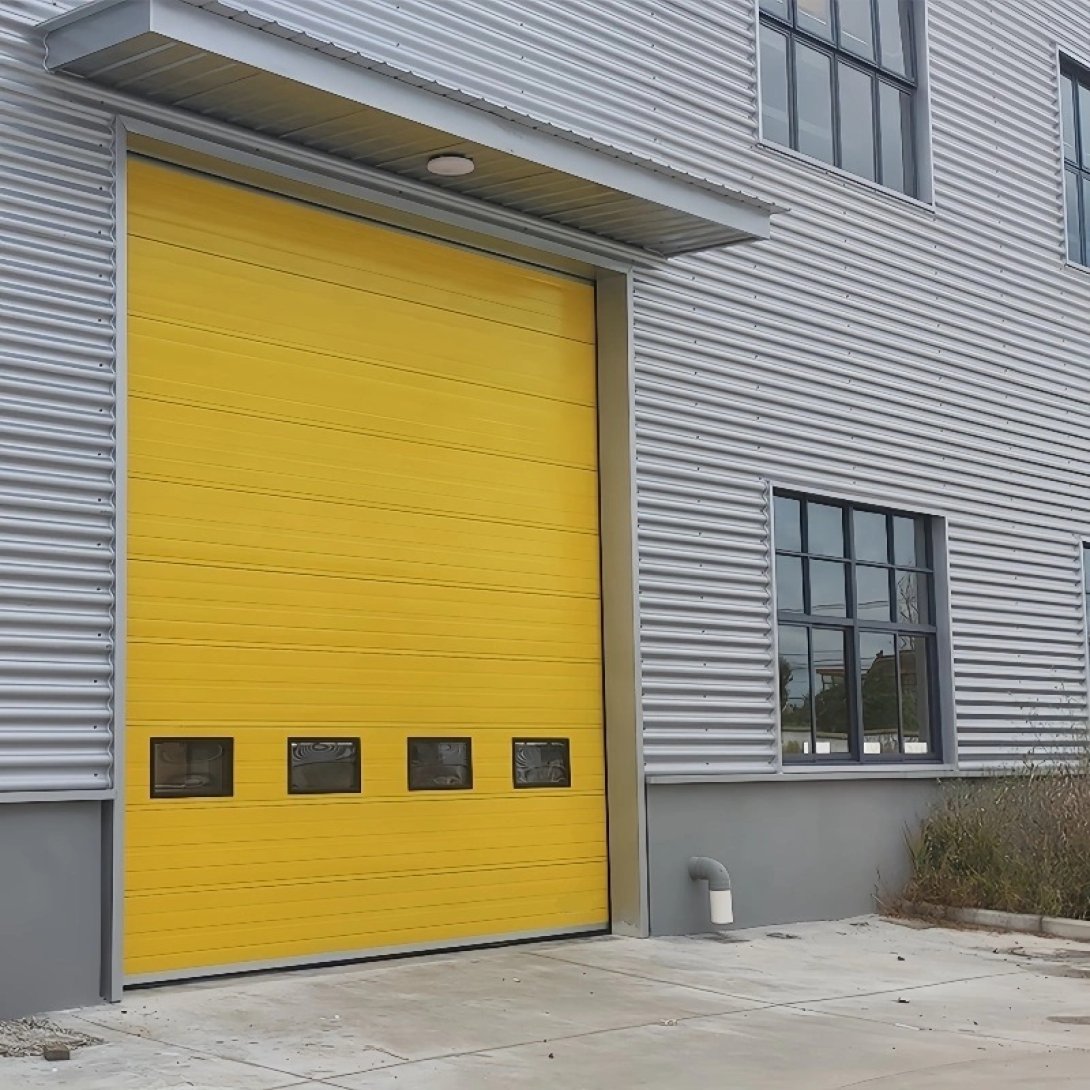
Commercial Overhead Doors That Reduce Downtime and Shipping Delays

Reduce door downtime and shipping delays with the right commercial overhead door. Improve bay reliability, protect throughput, and keep shipping schedules on track.

Commercial Overhead Doors for Door Downtime and Shipping Delays

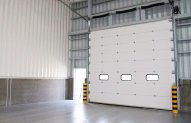
A commercial overhead door can directly reduce shipping delays when it is built for reliable daily use, faster recovery, and lower maintenance interruption. The right door keeps the loading bay available, supports smoother truck flow, and prevents the opening itself from becoming the reason schedules start slipping.

In many facilities, shipping delays do not begin with inventory or labor alone. They begin when the door at the bay becomes unpredictable. A slow cycle, an alignment issue, repeated service needs, or a closure problem can stall loading activity, extend truck dwell time, and turn a manageable schedule into a reactive one.

The Real Problem Starts at the Loading Dock Opening

Most shipping teams don’t initially identify the problem as a door issue. They describe it as a delayed shipment, a backed-up loading lane, a truck waiting too long, or a shift that just can’t keep up.

However, in many warehouses, food facilities, supermarkets, processing plants, and distribution operations, the loading dock gate quietly sets the pace for the day. When this opening becomes unreliable, schedule discipline begins to break down. One delay triggers the next. A truck waits longer than planned. Equipment movement stops. Staff start working around the opening instead of through it. The dock may still be operational, but it ceases to function properly.

This is what makes door downtime so costly. It rarely appears dramatic in the moment. It manifests as recurring disruptions spread across shipping windows, labor scheduling, trailer turnover, and daily output.

An unreliable loading ramp ceases to be merely a maintenance issue. It becomes a productivity issue.

Why Does Door Downtime Cause Shipping Delays Faster Than Buyers Expect?

In a high-volume operation, a commercial overhead door is not just a piece of building hardware. It is a timed component of the shipping process.

If the door opens slowly, fails to close properly, requires repeated manual intervention, or goes out of service during an active shift, the cost becomes immediately apparent. The loading area is compromised. A trailer may have to wait. A forklift route may need to be rerouted. A shipping team may lose its sequence. Even after the door starts working again, the schedule doesn’t always resolve smoothly.

Therefore, downtime during door operation has a significant impact. It causes: 

  • Longer truck turnaround times.
  • Loading interruptions during live shipping windows.
  • Decreased labor productivity at the dock.
  • Increased pressure for reactive maintenance.
  • Higher risk of missing shipping targets.
  • Growing frustration in a loading area that should be reliable.

This situation is particularly serious in operations where timing is critical across multiple loading areas. A gate issue may remain localized for a short time, but recurring problems typically spread pressure to the rest of the loading schedule.

A Working Door Can Still Be the Wrong Door

One of the most common purchasing mistakes is assuming that a door is acceptable simply because it generally works.

This standard is far too low for a shipping environment. A door may still open and close while creating a risk of delays. It may lack the necessary features for cycle demand. It may wear out faster than expected with repeated daily use. It may technically be operational, but it can become increasingly unstable, slower, noisier, or require more maintenance. It may improve after repairs, but it can continue to return as a weak point at the worst possible times.

This is where suitability becomes more important than basic functionality. A lighter solution may seem cost-effective at the time of purchase, but if it causes repeated downtime later, it becomes a more expensive choice. Shipping operations don’t just need a door that fits the opening. They need a door that maintains the opening’s uptime.

This distinction changes the purchasing decision.

What Should Be Compared When the Real Risk Is Downtime

If the goal is to reduce shipping delays, the comparison should not focus solely on door style. It should focus on how well the door maintains availability in the loading area.

The most useful decision factors typically include: 

  • Cycle demand on a typical shipping day.
  • Reliability of recovery after repeated use.
  • Hardware strength and service life.
  • Impact exposure near the sub-section.
  • Insulation and sealing requirements in the opening.
  • Maintenance tolerance during active shifts.
  • Opening width and equipment movement patterns.
  • Long-term ownership cost under actual workload.

Comparison Table

Door ApproachBest FitMain AdvantageMain Tradeoff
Standard commercial overhead doorModerate-use shipping baysBalanced cost and dependable baseline useCan become a downtime risk in heavier-use operations
Insulated overhead doorBays needing stronger perimeter control and better opening stabilityBetter sealing and stronger overall door structureHigher upfront investment
High-cycle overhead doorBusy shipping and receiving operationsBetter support for repeated daily openings with less wear-related interruptionBest justified where cycle volume is consistently high
Heavy-duty overhead configurationHard-use docks with impact risk and low downtime toleranceStronger durability and fewer wear-driven service issuesMay exceed the needs of lighter facilities

This comparison is important because downtime typically stems not from sudden failures but from accumulated weaknesses. The right door reduces the likelihood of the opening becoming a recurring source of delays.

A Better Solution Is Built on the Reliability of the Loading Area

A robust solution starts with a single clear principle: the loading area must remain operational.

This means that a commercial overhead door must be selected not based on minimum closure requirements, but with actual shipping demands in mind. If the dock is active throughout all shifts, cycle durability is more important. If equipment operates near the opening, impact tolerance is more important. If the dock affects a climate-controlled or temperature-sensitive area, insulation and bottom seal performance become part of the uptime strategy; because inadequate sealing leads to additional operational issues around the opening.

The best door for minimizing downtime is typically one that combines consistent operation, stronger hardware, appropriate cycle support, and lower service requirements over time. This is not necessarily the most expensive option. It is the door that best aligns with the cost of downtime at that loading dock.

The Freezewize Cooling System adds practical value precisely at this point. When the door is evaluated in conjunction with the threshold condition, surrounding structure, seals, hardware, visibility requirements, and the facility’s actual shipping rhythm, the loading dock opening performs better. Focusing solely on the door often leads to insufficient specifications. Looking at the entire opening, however, leads to better uptime.

Preventing Downtime Is Better Than Repair Planning

Many facilities enter a repair cycle because a door issue seems manageable in a single instance.

A roller issue is resolved. A seal is replaced. A track is adjusted. A spring issue is fixed. The opening returns to service, and the team continues working. However, if the same door continues to cause downtime, the operation is no longer solving the problem. It is merely financing the delay.

Therefore, preventing downtime is a better strategy than reacting repeatedly. A shipping bay should be designed to prevent predictable downtime rather than being repaired after the schedule has already been disrupted.

The most sound purchasing decisions typically stem from a simple question: Will this door still be able to maintain the shipping schedule once the facility is operating at full capacity?

This is the crucial test.

Quick Decision Guide

If daily traffic in the shipping bay is moderate and the priority is a balanced capital cost with reliable performance, choose a standard commercial overhead door.

If the opening requires a stronger seal, better environmental control, or more stable performance near climate-controlled or temperature-sensitive areas, choose an insulated overhead door.

If the daily demand for repeated openings makes downtime more costly than the higher initial cost, choose a high-cycle overhead door.

If the loading area faces heavy equipment pressure, a risk of visible wear, or very low tolerance for interruptions during shipping hours, choose a heavy-duty overhead door configuration.

If the current door is already causing repeated service calls, trailer movement delays, or unreliable closing during active shifts, the next replacement decision should be based not only on opening dimensions but also on operational duration requirements.

Related Solutions

If door downtime is affecting shipment performance, it is often beneficial to review these related internal solution areas simultaneously: 

  • High-cycle loading bay door solutions.
  • Insulated loading door systems.
  • Loading door seals and loading door enclosures.
  • Impact-resistant hardware packages.
  • Threshold and bottom seal details.
  • Cold room and controlled loading door transition solutions.

FAQ

How can a commercial overhead door cause shipping delays?

If the door operates slowly, becomes inoperable during repairs, closes irregularly, or wears out during daily use, it can disrupt the loading flow and extend truck wait times.

What is the biggest warning sign that the door is affecting shipping performance?

Repeated minor interruptions. If the dock crew is regularly working around the opening, waiting for repairs, or losing their rhythm due to the loading door, this is already impacting shipping.

Is a top-opening door with a high cycle count worth it for high-volume docks?

Yes, when downtime becomes costly due to repeated daily openings. In high-volume operations, a higher cycle capacity is generally less costly than repeated interruptions.

Could a standard top-opening door still be the wrong choice even if it’s functioning?

Yes. A door may function technically, but it can still create excessive maintenance burdens, slower recovery times, and a high risk of delays for a facility with high shipping volume.

If downtime is the main issue, is insulation important?

It can be. Insulated doors typically provide better structural stability and environmental performance, especially when the opening also affects environmental control.

When should a facility opt for replacement instead of repair?

If the same door consistently causes service interruptions, shipping disruptions, or recurring wear-and-tear issues, replacement is generally a more controlled long-term choice.

Conclusion

Shipping delays often start where facilities least want them: at the door that’s supposed to keep the loading area moving.

If the door cannot maintain uptime, it is already impacting shipping performance. A properly designed commercial overhead door can reduce downtime, support a more consistent loading flow, and help the operation maintain its schedule more reliably. For facilities planning a replacement, the wisest step is to evaluate the opening in terms of actual shipping demands, the true cost of downtime, and actual daily usage.

Fill the Form!

Write your needs and fill the form to contact us.

Freezewize | Industrial Cooling Systems & Custom Cold Room Solutions
Merhaba, Size yardımcı olabilir miyiz ?
Whatsapp Destek