




Freezewize | Industrial Cooling Systems & Custom Cold Room Solutions

Hinged Access That Handles Corrosion

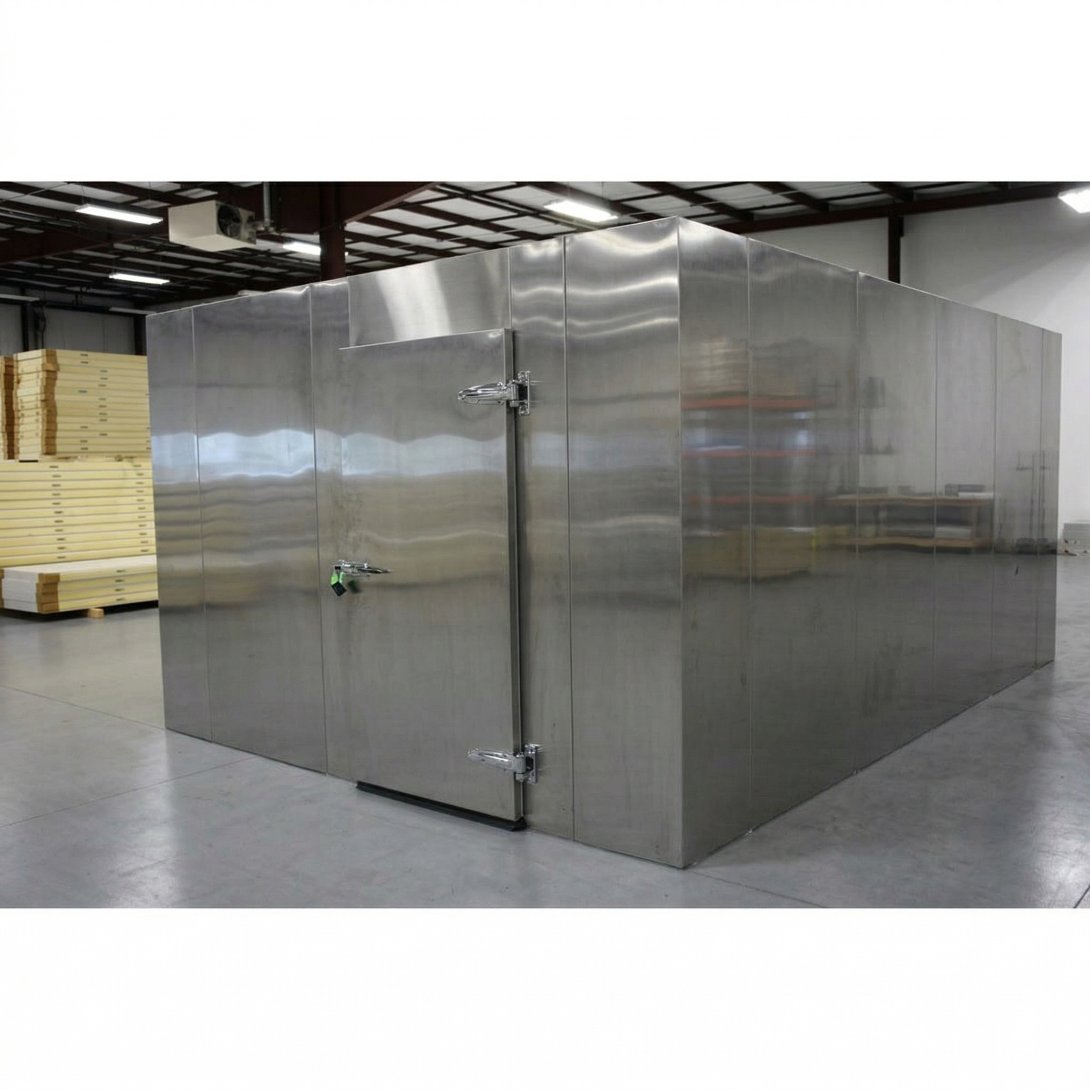
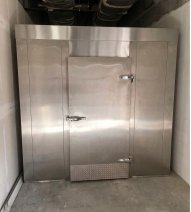
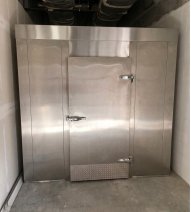
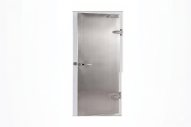
Hinged Access That Handles Corrosion | Stainless Steel Cold Storage Door

Protect cold storage openings from moisture, chemicals, and early surface failure with a stainless steel hinged cold storage door built for corrosion-heavy use.

Hinged Access That Handles Corrosion

When a cold storage opening faces constant moisture, washdown, chemical exposure, and temperature swings, a stainless steel hinged cold storage door is often the most reliable way to control corrosion without creating new maintenance problems. It gives facilities a more durable access point where standard finishes tend to age too fast.

That matters because corrosion rarely stays cosmetic for long. Once it starts around edges, hardware, fasteners, or frames, the opening becomes harder to clean, harder to maintain, and more likely to feel like the weak point in an otherwise well-built cold room.

Corrosion Often Starts Sooner Than Teams Expect

Most cold storage operators do not initially recognize corrosion as a dramatic failure. They notice it as an unsightly buildup around the opening. The frame begins to look worn. The hardware starts showing signs of premature oxidation. It becomes difficult to keep the bottom edge level. The door still operates, but the opening begins to send the wrong signal.

This situation is common in cold rooms dealing with wet cleaning, chemical exposure, coastal air, food residue, or repeated condensation cycles. In these areas, corrosion isn’t just a material issue. It’s an operational problem that arises in terms of labor time, maintenance calls, cleaning efforts, and replacement timing.

Cold room thresholds endure more wear and tear than many buyers anticipate. Staff pass through them all day long. Carts scrape against the thresholds. Pallet jacks bump into the thresholds. Warm air meets cold surfaces. Water lingers in areas cleaned frequently. Compromises on minor technical specifications become apparent here faster than almost anywhere else in the room.

Therefore, corrosion resistance should be treated as a fundamental part of access planning, not merely as a coating option added late in the purchasing process.

The Risk Is Greater Than Surface Appearance

A door can still open and close even if it has become the wrong door for that area. This is the trap of corrosion-related failures. While teams continue working around it, corrosion typically progresses silently.

The short-term issue may seem insignificant. The long-term impact, however, is usually more costly. Once corrosion begins to affect the opening, the facility typically bears the cost through daily wear and tear rather than a single repair event.

This friction may include: 

  • More frequent cleaning around the opening.
  • Additional maintenance for hinges, latches, or fasteners.
  • Less control over the appearance of the back side.
  • Higher inspection pressure in hygiene-sensitive areas.
  • Early replacement of gaskets and hardware.
  • Growing concern that the opening will not age at the same rate as the room.

In practice, a faulty opening does not need to be completely broken down to become costly. It is sufficient that it requires more labor, more maintenance, and shortens the entrance’s service life.

Why Hinged Access Still Makes Sense

For many facilities, hinged access remains the most practical format for cold storage openings exposed to corrosion risks. This system is simple, familiar to users, and easier to manage in areas where personnel movement is regular but not intense enough to require a more complex access system.

This is particularly true for food preparation areas, supermarket backrooms, processing areas, commercial kitchens, refrigerated workrooms, and support areas where the door must excel at three things simultaneously: providing a reliable seal, moving easily, and withstanding daily environmental stress.

A stainless steel-hinged cold storage door excels in this role because it combines controlled access with stronger protection against moisture-related deterioration. This is valuable in openings where the primary challenge is not just speed, but long-term stability under wet, cold, and chemically active conditions.

Where Standard Door Options Fall Short

Many openings are primarily defined by temperature differentials and, secondarily, by environmental exposure. Corrosion issues typically begin at this point.

A more standard door construction may seem sufficient during installation, especially if the primary focus is on initial cost. However, if the opening is located in an area with regular washing, aggressive cleaning agents, humidity cycles, or salt-laden air, material selection becomes far more critical over time.

Painted or lower-grade surfaces may work in environments requiring lighter duty. However, they are not always suitable for areas where the opening is repeatedly exposed to conditions that accelerate deterioration.

This distinction is important because facility teams do not evaluate the door just once. They evaluate it every week when they must clean it, maintain it, address wear, or compensate for deterioration.

Stainless Steel and Low-Corrosion-Resistant Openings

Decision FactorStainless Steel Hinged Cold Storage DoorLower-Corrosion-Resistance Opening
Moisture exposureBetter suited for repeated wet conditionsMore likely to show early deterioration
Chemical cleaningStronger fit for frequent sanitation routinesHigher risk of finish fatigue over time
Visible agingMaintains a more controlled appearance longerCan look worn sooner
Hardware environmentBetter overall corrosion-handling logic when properly specifiedMore vulnerable around stress points
Maintenance burdenHelps reduce corrosion-related upkeep pressureOften creates more recurring attention
Ownership costUsually stronger long-term value in demanding spacesMay only look cheaper at purchase stage

This is not to claim that every opening requires stainless steel. It serves as a reminder that environments with high corrosion rates wear down components with substandard properties faster than dry, low-pressure areas.

An Opening Must Be Constructed as a System

A corrosion-resistant door panel alone does not solve the entire problem. If an opening is constructed with weak environmental details, corrosion and wear can still occur in the very places teams least want them to.

For this reason, the best cold storage openings are specified as complete assemblies. The frame, hinges, latch hardware, fasteners, gasket design, threshold condition, and panel interface all influence whether the door will truly prevent corrosion or merely delay it.

A stronger specification typically considers the following: 

  • Stainless steel for the most exposed components.
  • Hardware selected for use in environments prone to moisture and chemical exposure.
  • Seal design that supports both waterproofing and cleanability.
  • Threshold transitions that do not cause water or dirt buildup.
  • Protective features in areas where vehicles or shelves frequently come into contact.
  • Viewing panels in areas where personnel flow must be safe.
  • A suitable interface between open areas and insulated wall panels.

This system approach is where real-world experience makes a difference. The Freezewize Cooling System typically treats corrosion-prone openings as part of the entire room environment; because an access point performs well only when the materials, hardware, and surrounding structure operate to the same standard.

Adapting the Door to the Actual Environment

Not every corrosion issue stems from the same source. Some facilities deal with harsh cleaning chemicals. Others contend with constant moisture and condensation. Some are exposed to salt due to coastal conditions or product handling. Others create corrosion stress through continuous washing and wet floor operations.

Therefore, the right hinged access solution depends not only on the general room type but also on the actual environment.

  • A better decision is often made by asking practical questions:
  • How often is the opening washed?
  • How wet does the threshold remain during normal operation?
  • How often do vehicles, shelves, or personnel pass through?
  • Is the area inspection-sensitive or highly visible?
  • Does the team want minimal maintenance or just acceptable short-term performance?
  • Is the opening expected to age gracefully over years, not just months?

These questions usually reveal that the issue isn’t whether the door will function. The issue is whether it can continue to function without becoming a preventable maintenance target.

Quick Decision Guide

If the opening is regularly exposed to moisture, cleaning chemicals, condensation, or hygiene demands yet still requires simple, reliable daily access, choose a stainless steel-hinged cold storage door.

This is generally the right choice in the following situations: 

  • The area is frequently washed.
  • Corrosion risk is already evident in surrounding equipment.
  • The area is hygiene-sensitive or subject to inspection.
  • Personnel and vehicles use the door daily.
  • Total cost of ownership is more important than the lowest initial purchase price.
  • The facility wants the door to age cleanly and predictably.

A simpler door may also be acceptable in the following situations: 

  • The area remains mostly dry.
  • Exposure to cleaning is limited.
  • The risk of corrosion is low.
  • Traffic is less intense.
  • The opening is not operationally critical.
  • If long-term visual consistency is less important

In situations where corrosion is a known environmental stressor, the opening should be designed to resist it from day one rather than being managed after it occurs.

Related Solutions

If corrosion resistance is part of the purchasing decision, these related solutions are generally worth considering alongside the door itself: 

  • Sanitary cold room panel systems.
  • Insulated refrigeration room doors.
  • Freezer room doors exposed to harsher temperature conditions.
  • Heavy-duty hardware for refrigerated openings.
  • Threshold details for wet traffic areas.
  • Seal and gasket solutions for cold storage access points.
  • Impact protection for areas where hand trucks and pallet jacks make contact.
  • Viewing panels for safer movement in high-traffic back areas.

These complementary details often determine whether an opening will require minimal maintenance after installation or become a recurring repair point.

FAQ

Why is corrosion so common around cold storage openings?

Because the opening concentrates moisture, temperature fluctuations, cleaning exposure, traffic, and equipment stress in a single location. It is one of the first areas where environmental stress becomes visible.

Is stainless steel always necessary for corrosion control?

Not always. It becomes much more critical in wet environments, areas requiring frequent washing, those exposed to chemicals, or settings where hygiene is a priority—where standard surfaces tend to wear out very quickly.

Are hinged cold storage doors durable enough for high-traffic facilities?

Yes, they are in many facilities. Hinged doors are a strong choice where traffic is frequent but controlled, and where reliable sealing and simple daily use are just as important as durability.

Which parts of the opening are most susceptible to corrosion?

Frames, fasteners, hinges, thresholds, latch areas, and bottom edges are common stress points. Therefore, corrosion resistance must be planned not just for the door surface, but for the entire opening.

Does corrosion affect only the appearance?

Yes. It can increase maintenance workload, make cleaning more difficult, reduce inspection reliability, and create pressure to replace the door early—even before it loses functionality.

What is the biggest purchasing mistake made in corrosion-prone areas?

The biggest mistake is purchasing solely for insulation and underestimating the environmental stress around the opening. A door that maintains temperature is not automatically the right door for an area with high corrosion.

Conclusion

Cold storage openings exposed to moisture and chemicals require more than just basic access. They need a door system that can remain clean, stable, and reliable under conditions that cause standard openings to wear out very quickly.

In situations where corrosion is part of the environment, stainless steel-hinged access is generally a wiser long-term decision.

Whether you’re evaluating a new cold room or replacing an opening that’s already showing signs of premature wear, it’s worth reviewing the entire door installation before corrosion turns a manageable detail into a recurring operational cost.

Fill the Form!

Write your needs and fill the form to contact us.

Freezewize | Industrial Cooling Systems & Custom Cold Room Solutions
Merhaba, Size yardımcı olabilir miyiz ?
Whatsapp Destek