




Freezewize | Industrial Cooling Systems & Custom Cold Room Solutions

Steel Swing Doors for Clean Operations

Steel Swing Doors for Clean Operations | Cold Storage Access Guide

Choose a steel swing door for clean operations when your cold room needs durable access, easier washdown, and reliable daily performance without adding hygiene or maintenance pressure.

Steel Swing Doors for Clean Operations

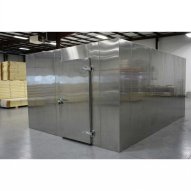
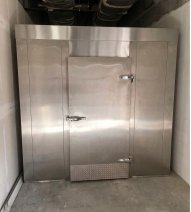
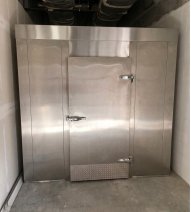
A steel swing door is often the right choice for clean operations when a cold storage opening must stay dependable under repeated cleaning, daily staff movement, and visible sanitation standards. In these environments, the door is not just a passage point. It is part of hygiene control, workflow stability, and the long-term credibility of the room.

That matters because the opening is where cleanliness and daily use collide first. If the door becomes harder to wash, quicker to wear, or slower to operate, the room may still hold temperature while the operation around it becomes less efficient and harder to manage.

Clean Operations Break Down at the Opening First

In cold storage facilities, cleaning issues rarely start with insulated wall panels or refrigeration equipment. They usually first appear at the door opening.

This is where people touch surfaces all day, vehicles pass through thresholds, moisture collects after washing, and gaskets, hardware, and edges are under constant pressure. In food preparation areas, supermarket backrooms, processing support areas, and commercial kitchen cold rooms, the door opening承受s different stresses than the rest of the room. Under real-world operating conditions, it must remain clean, functional, and maintain a controlled appearance.

Therefore, while a standard access door may seem acceptable during installation, it may prove to be the wrong choice after just a few months of actual use. The surface begins to look worn. Cleaning takes longer. Contact points wear down. Maintenance efforts shift toward the door opening. Teams begin to feel that the entrance was designed for a lighter environment than the one they actually work in.

Clean operations depend not only on good hygiene habits but also on door systems that make it easy to follow those habits.

The Risk of Choosing a Door That Only Looks Suitable

A door can still be the wrong choice even if it technically opens and closes and maintains temperature.

This is a trap many buyers fall into. They make their choice based on basic thermal insulation and appearance, but once operations fully begin, they realize the opening creates friction. In a hygiene-focused facility, this friction quickly spreads to labor, maintenance, and presentation.

A poorly fitting door typically causes the following: 

  • Slower cleaning routines
  • Greater attention to edges, hinges, and locking points
  • Earlier signs of wear in high-traffic areas
  • Higher maintenance demands on gaskets and hardware
  • Greater concern during inspections or tours
  • Pressure to replace sooner than initially expected

None of these issues may seem serious on the first day. However, when combined, they create the impression that the entrance always requires extra time, extra labor, or extra explanation.

Therefore, for clean operations, steel-flapped doors should be evaluated not just based on their initial acceptability, but on their long-term suitability.

Why Are Steel-Flapped Doors a Smart Choice for Hygiene-Focused Rooms?

Steel-flapped doors deliver good results in cleaning operations because they provide a more durable and manageable access format for entry in areas requiring daily reliability.

The value lies not just in the material itself, but in how the material ensures the operation runs more consistently. A properly designed steel-paneled entrance is easier to adapt to washing routines, better meets visibility expectations in the kitchen back-of-house, and is less likely to be the first part of the room to show signs of wear.

The hinged door format is also important. In many facilities, staff require quick and simple movements without unnecessary operational complexity. A hinged opening keeps daily use simple while supporting reliable closure and sealing. For prep rooms, refrigerated support areas, food service backrooms, and controlled-access cold storage zones, this balance is often exactly what the operation needs.

This is especially true when the opening must support the following: 

  • Frequent staff entry and exit.
  • Vehicle and shelf movement.
  • Regular cleaning cycles.
  • A hygienic appearance.
  • Consistent door closure.
  • Lower tolerance for downtime.

Under these conditions, the right steel swing door supports clean operations not because it looks industrial, but because it aligns with the room’s actual workflow.

Steel Swing Doors and Lighter-Duty Openings

When buyers compare door options, the key question isn’t which door can technically maintain temperature separation. The real question is which one can continue to support clean daily operations without becoming a maintenance issue.

Decision AreaSteel Swing Door for Clean OperationsLighter-Duty Cold Room Opening
Washdown suitabilityBetter fit for repeated cleaning and wet conditionsMore likely to create cleaning friction over time
Daily use durabilityStronger under regular staff and cart trafficOften better only for lighter use
Hygiene presentationSupports a more controlled professional appearanceCan look worn sooner
Maintenance pressureHelps reduce recurring surface and hardware issuesMore likely to demand corrective attention
Long-term ownership logicBetter value in harder-working roomsOften only cheaper at purchase stage
Suitability for clean operationsStrong operational fitCan become mismatched as pressure increases

This isn’t about over-engineering every opening. It’s about ensuring the room’s most frequently touched component aligns with the room’s actual pace and hygiene requirements.

Clean Performance Depends on the Entire System

A sturdy door panel alone does not create a clean working environment. The system must function as a whole.

This means that the frame, hinges, latch set, gasket design, threshold detail, kick plate, and surrounding insulated panel connections must all support the same operational standard. If any of these elements is weak, the door may still look good on paper, but it can lead to preventable issues in the field.

A better opening for clean operations typically includes: 

  • Steel surfaces suitable for repeated cleaning.
  • Hardware designed for frequent use.
  • Seals that support both sealing and cleanability.
  • Thresholds that withstand vehicle traffic without trapping dirt.
  • View panels that reduce accidental contact, promoting safer movement.
  • Protective details in areas expected to be exposed to repeated impacts.

This is where technical expertise comes into play. The Freezewize Cooling System typically treats the opening as an integral part of the room’s overall workflow; because when door design, traffic flow, cleaning routines, and the surrounding structure are evaluated together, cleaning processes are best preserved.

Where Clean Operations Benefit Most from Better Doors

Not every room requires the same level of door performance. However, when cleaning and daily operational pace become critical priorities, more than just a basic specification for the opening is required.

Steel-paneled doors are particularly useful in the following areas: 

  • Food processing support rooms.
  • Refrigerated preparation areas.
  • Supermarket refrigerated backrooms.
  • Commercial kitchen cold rooms.
  • Material storage areas.
  • Hygiene-sensitive storage rooms.
  • Distribution support areas with high staff traffic.

These are the types of areas where managers don’t just want a functional door. They want a door that makes the room feel controlled, orderly, and easier to operate.

This is the practical difference between a door that supports the process and one that silently hinders it.

Quick Decision Guide

When durability, washability, and reliability are essential for daily use in a hygiene-sensitive room, choose a steel-paneled door for clean operations.

This is generally the right choice in the following situations: 

  • If the area is cleaned frequently.
  • If staff pass through the opening throughout the day.
  • If carts or shelves pass through regularly.
  • If the room is subject to inspections.
  • If visible backroom standards are important.
  • Long-term ownership value is more important than the lowest initial price.

A simpler door may be sufficient in the following situations: 

  • Traffic is heavy.
  • Cleaning frequency is limited.
  • The room is not critical from a hygiene perspective.
  • Visual wear is less important.
  • Service expectations are lower.
  • Replacement timing is not a major concern.

If the room relies on daily clean operations, the door must be selected to maintain this standard during every shift.

Related Solutions

If you are evaluating steel-paneled doors for clean operations, the following related solutions should generally be considered at the same time: 

  • Hygienic cold room panel systems.
  • Insulated cold room door solutions.
  • Freezer room doors for low-temperature zones.
  • Heavy-duty hardware for refrigerated openings.
  • Threshold details for hand truck and pallet jack traffic.
  • Seal and gasket systems for clean cold rooms.
  • Viewing panels to allow staff to move more safely.
  • Impact protection for high-contact door areas.

These environmental details often determine whether the opening will remain easy to manage after installation or begin causing issues that could have been prevented at a very early stage.

FAQ

Are steel-paneled doors a good choice for cold rooms that meet food safety standards?

Yes, they are in many facilities. They are generally a very suitable choice when the opening requires daily cleaning, handles heavy traffic, and needs to support a more controlled hygienic appearance.

What makes a single-leaf door suitable for cleanroom operations?

The best option usually combines durable surfaces, reliable hardware, cleanable details, robust sealing, and a layout that adapts to how personnel and carts actually move within the room.

Can a door still be the wrong choice even if it provides good sealing?

Yes. A door may maintain temperature, but if it causes friction, visible wear, increased maintenance, or slowdowns in workflow during cleaning, it can still be the wrong operational choice.

Why is the door opening so critical in cold storage hygiene?

Because it is the most frequently touched, most frequently traversed, and typically the most visibly worn part of the room. Hygiene issues become apparent here much more quickly than almost anywhere else.

Are hinged doors practical in high-traffic, heavily refrigerated work areas?

Yes. In many controlled yet high-traffic areas, hinged doors remain one of the most practical solutions because they offer easy access, reliable closing, and simpler daily use.

What should buyers examine besides the door panel itself?

They should examine the frame, hinges, locking hardware, gasket system, threshold details, traffic type, exposure to impact, and how the opening connects to the insulated wall system.

Conclusion

For clean operations, steel swing doors do more than just close an opening. They help maintain hygiene routines, reduce friction caused by wear and tear, and ensure the room functions as a controlled, professional environment.

If cleaning is part of daily operations, the door opening must be designed to support this standard before it becomes a weak point.

If you are planning a new cold room or replacing an existing high-maintenance opening, it makes sense to review the entire door system before daily use turns a simple access point into a recurring operational cost.

Fill the Form!

Write your needs and fill the form to contact us.

Freezewize | Industrial Cooling Systems & Custom Cold Room Solutions
Merhaba, Size yardımcı olabilir miyiz ?
Whatsapp Destek