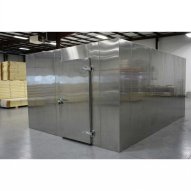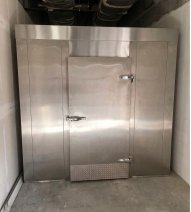





Cold Storage Openings Built for Hygiene
Cold Storage Openings Built for Hygiene | Stainless Steel Door Guide
Keep cold storage openings cleaner, easier to maintain, and better suited for washdown routines with a stainless steel hinged cold storage door built for hygiene.
Cold Storage Openings Built for Hygiene
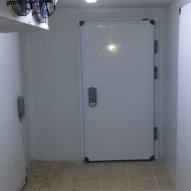
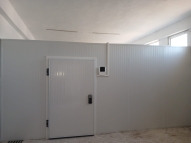
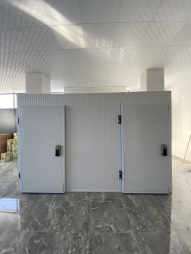
A hygienic cold storage opening is not just a door that closes properly. It is an opening designed to stay cleaner, hold up under repeated washdown, support food-safe routines, and reduce maintenance friction in daily operation. In many facilities, a stainless steel hinged cold storage door is the right fit when sanitation, durability, and dependable access all matter at the same time.
That matters because the opening is often where hygiene pressure becomes visible first. Even when the room itself performs well, the door, frame, gasket, threshold, and hardware can quickly become the weak point if they were not chosen for real cleaning routines, wet traffic, and inspection-driven environments.
The Real Problem Starts at the Opening
In cold storage environments, hygiene issues rarely begin with a dramatic equipment failure. More often than not, they start with small daily compromises around the opening.
A door may function technically, but if it is difficult to clean thoroughly, begins to wear out prematurely, or creates friction during busy shifts, it can still become a problem. In food processing rooms, supermarket backrooms, commercial kitchens, prep areas, distribution facilities, and refrigerated work areas, the entrance is subjected to far more stress than many operators anticipate. Staff constantly pass through here. Carts and shelves pass through here. Moisture accumulates around frames and thresholds. Cleaning chemicals repeatedly come into contact with the same surfaces. Seals are subjected to repeated compression and washing. Hardware is constantly handled.
Therefore, hygienic cold storage openings should be evaluated not merely as door panels but as operational systems. If the opening cannot withstand cleaning pressures and daily use, the room begins to lose its efficiency in the very area where people interact most.
Why Is a Standard Door Still the Wrong Choice?
One of the most common specification errors is assuming that any insulated door suitable for temperature separation is also suitable for environments where hygiene is critical.
This is where many facilities run into trouble. A door may maintain temperature adequately, yet it can still be the wrong decision in the long run. If the surface is difficult to maintain, the hardware wears out quickly in wet conditions, or the door begins to look worn out before the rest of the room, the problem shifts from theoretical to operational.
The result is rarely an immediate failure. It’s something that becomes more costly over time:
- Slower cleaning routines.
- Increased attention from maintenance teams.
- Visible wear in back-of-house areas that should be under control.
- Increased concern during inspections or internal audits.
- Pressure to replace sooner.
- A growing sense that the door was inadequately specified from the start.
This final point is crucial. In commercial cold storage facilities, a product may still be “functional,” but it can still be a poor purchase due to the unnecessary cost of ownership and the daily friction it creates.
Hygiene Pressure Changes Material Decisions
When hygiene is a genuine operational priority, material selection becomes more important than it initially appears.
Stainless steel-hinged cold storage doors are often preferred because they provide a surface better suited for frequent cleaning, wet conditions, and rigorous sanitation standards. This isn’t just about appearance. It concerns how the opening behaves after months of washing, repeated use, and facility wear and tear.
In these environments, the opening must support the following:
- Easier cleaning routines.
- Better long-term surface integrity.
- Reduced risk of moisture-related deterioration.
- A more durable and inspection-ready appearance.
- Reliable access without overly complicating the process.
This is where stainless steel moves beyond being a cosmetic upgrade and becomes a practical technical choice. The right coating and construction for hygienic cold room openings can reduce long-term operational burdens—not just appreciated on installation day, but felt week after week.
Hinged Designs Still Meet Many Real-World Needs
In facilities with controlled yet frequent movement, a hinged cold storage door remains one of the most sensible solutions. It offers simple access, reliable closure, and a format that maintenance teams generally understand well.
This is crucial in operations where staff regularly enter and exit, vehicles pass through, but there are no massive storage volumes, and the opening must balance cleaning with reliable daily functionality. In many prep rooms, kitchens, processing areas, refrigeration entrances, and refrigerated support areas, a stainless steel hinged design provides the right combination of practicality and hygiene support.
The key is suitability. A hygienic opening is not automatically defined by first-class materials alone. It also depends on the correct frame configuration, appropriate threshold details, durable hardware, effective sealing, and how the opening interacts with traffic and cleaning routines.
Stainless Steel and Standard Hygienic Door Logic
When buyers decide between a stainless steel hinged cold storage door and a simpler opening, the main question is not which is generally better. The real question is which one is better suited to the environment.
| Decision Area | Stainless Steel Hinged Cold Storage Door | More Basic Cold Storage Opening |
|---|---|---|
| Washdown suitability | Better for repeated wet cleaning and sanitation-driven use | Better only in lower-exposure environments |
| Surface durability | Stronger long-term fit for demanding back-of-house conditions | More likely to show wear sooner |
| Hygiene presentation | Supports a cleaner, more controlled appearance | Can lose visual consistency faster |
| Maintenance pressure | Often lowers finish-related upkeep burden | Can create more corrective maintenance over time |
| Ownership logic | Stronger long-term value in high-hygiene operations | May fit only where hygiene pressure is limited |
| Daily access | Simple and reliable for controlled staff and cart movement | Depends heavily on construction quality and environment |
This comparison is important because many openings are not evaluated solely based on their thermal performance. They are evaluated based on their appearance, ease of cleaning, and how well they hold up after actual use.
Being Designed for Hygiene Means More Than Just a Clean Surface
A truly hygienic cold storage door opening isn’t created solely by material selection. It’s created by how the entire opening performs as part of the room.
This includes the door panel, frame, gasket, hinges, locking system, threshold, and surrounding panel interface. If any of these elements is weak, problems begin to arise throughout the entire opening. Water can accumulate where it shouldn’t. Cleaning becomes slower than it should be. Seals wear out faster than expected. Traffic flow becomes less smooth. An opening that should be controlled starts to behave like a maintenance point.
A more robust specification typically evaluates the following together:
- A door surface suitable for washing and repeated cleaning.
- Hardware resistant to wet and heavy-duty conditions.
- Seal performance that supports both hygiene and thermal control.
- Threshold and floor transition details that prevent dirt buildup and reduce friction.
- The need for a viewing panel to ensure safer personnel flow.
- Protective elements in areas where vehicles or shelves pose a risk of repeated impact.
This is where experience matters. The Freezewize Cooling System typically views hygienic cold storage openings as part of a broader room environment; because an opening performs well only when it works in harmony with the surrounding panels, flooring, traffic flow, and cleaning routines.
The Risk of Viewing Hygiene as a Secondary Requirement
Some buyers prioritize insulation value, initial cost, or delivery time and assume hygiene can be addressed later through cleaning protocols. In practice, this rarely yields the expected results.
When the opening itself is difficult to clean or less suitable for repeated hygiene routines, the burden shifts to labor. Teams spend more time maintaining surfaces, addressing visible wear and tear, and managing preventable details around gaskets, hardware, or edges. This extra effort quietly increases operating costs.
In facilities already grappling with labor efficiency pressures, audit preparation, and tight production schedules, this is a poor trade-off. The wrong door doesn’t just wear out faster. It demands more from the people around it every day.
Quick Decision Guide
If the door is expected to support hygiene-focused operations, frequent washing, and a consistently professional appearance over time, choose a stainless steel-hinged cold storage door.
It is generally the right choice in the following situations:
- The area is cleaned frequently and thoroughly.
- Exposure to moisture is routine.
- Food safety presentation is critical.
- The opening serves traffic from personnel, vehicles, or the preparation side.
- Total cost of ownership is more important than just the initial purchase price.
- The facility prefers fewer visible signs of premature wear.
A simpler opening may still be acceptable in the following situations:
- The area has low humidity and is cleaned lightly.
- Hygiene requirements are moderate, not high.
- Traffic is limited.
- The opening is not visually sensitive.
- The work environment is generally less demanding.
If the opening is part of an area subject to washing or inspection, hygiene should be treated not as a secondary improvement but as a fundamental design requirement.
Related Solutions
If you are planning a cold storage room opening designed for hygiene, the following related interior solutions are typically recommended alongside door selection:
- Hygienic cold room panel systems.
- Insulated cold room door solutions.
- Freezer room doors for more demanding temperature zones.
- Heavy-duty hardware for cold storage openings.
- Viewing panels for safer refrigerated traffic flow.
- Threshold and floor transition details for wet environments.
- Seal and gasket solutions for hygienic cold rooms.
- Impact protection for aisle and shelving traffic areas.
These are typically environmental details that determine whether the opening will remain clean and friction-free after installation.
FAQ
When is a stainless steel hinged cold storage door the best choice?
It is generally the best choice in situations where hygiene requirements, wet cleaning, and daily use converge in the same opening. This is common in processing rooms, preparation areas, kitchens, and refrigerated backrooms.
Are stainless steel doors only about appearance?
No. Appearance matters, but the greater value lies in their suitability for repeated cleaning, wet conditions, and long-term durability in demanding hygienic environments.
Can a hinged door handle daily vehicle traffic?
Yes, it can in many applications. Hinged cold storage doors perform well in areas with regular but controlled traffic, especially when the opening is properly specified with the correct protection, threshold, and hardware.
From a hygiene perspective, which parts of the opening are most important?
The door panel is important, but the frame, gasket, hinges, threshold, latch hardware, and surrounding panel connections are also important. Hygiene performance depends not on a single component but on the entire opening.
Does a hygiene-focused opening help with inspections?
It can. A cleaner and more durable opening supports a better-maintained appearance and reduces visible wear or maintenance issues that are frequently noted during inspections and audits.
What is the biggest mistake buyers make?
The biggest mistake is selecting a door that is technically suitable for temperature control but does not fully align with the facility’s cleaning routines, traffic flow, and hygiene expectations.
Conclusion
Cold storage doors designed for hygiene are not defined solely by their appearance. They are defined by how well they support cleaning, durability, workflow, and long-term operational control under the facility’s actual conditions.
If hygiene is at the heart of the facility, the opening must be selected to maintain this standard every day.
Whether you’re evaluating a new cold room or retrofitting an existing refrigerated opening, it’s worth assessing the entire door system before minor hygiene and maintenance issues turn into long-term operational costs.