




Freezewize | Industrial Cooling Systems & Custom Cold Room Solutions

Heavy-Traffic Freezer Openings Done Right

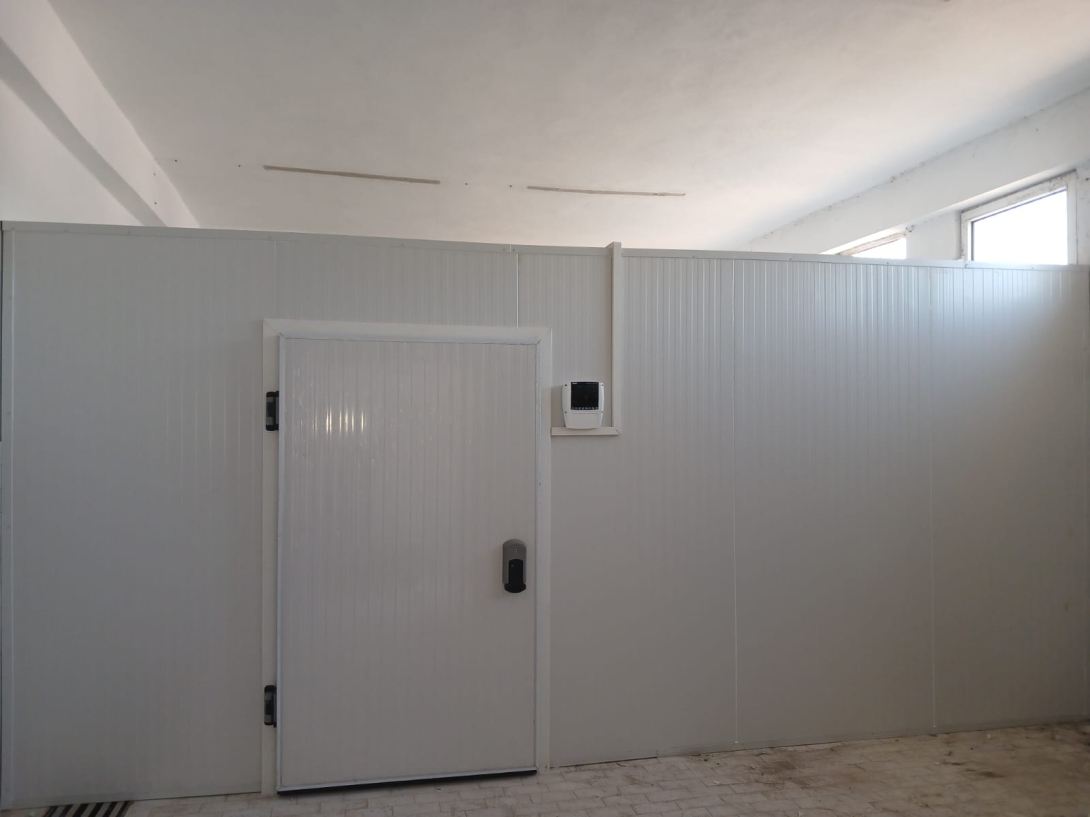
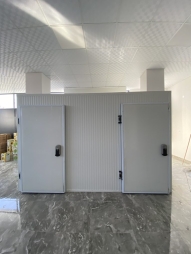
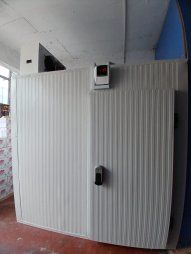
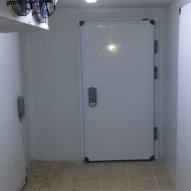
Heavy-Traffic Freezer Openings Done Right With Freezer Hinged Doors

Plan heavy-traffic freezer openings with the right hinged door, closure control, impact protection, and seal stability to reduce downtime and frost.

Heavy-Traffic Freezer Openings Done Right

A heavy-traffic freezer opening is done right when the door keeps pace with movement without sacrificing seal reliability, workflow speed, or long-term durability. A freezer hinged door can absolutely work in a busy opening, but only when it is specified for real cycle volume, impact exposure, closure consistency, and the way people and equipment actually move through the space.

That is where many projects go wrong. The opening may be built for frozen conditions, yet still become a daily source of delay, frost, and maintenance because the door was chosen for nominal fit instead of operating pressure. In busy freezer rooms, the access point has to work like part of the operation, not just part of the wall.

The Real Problem with High-Traffic Freezer Openings

Most freezer openings do not experience problems because the room cannot cool down. The problem arises because the entrance cannot keep up with the room’s pace.

A freezer opening with heavy traffic faces repeated open-close cycles, rushed entries, carts moving close to the frame, occasional edge contact, and constant pressure on the seals and hardware. In many facilities, staff do not pass through slowly with empty hands. They carry products, pull shelves, pass through intersections, and strive to maintain operational efficiency without compromising safety.

Therefore, freezer openings with heavy traffic create a different kind of problem. The issue is not just heat loss. It is the combined effect of traffic, handling, closing behavior, and wear.

When the opening is not properly planned, symptoms emerge quickly: 

  • During heavy use, the door feels slower or heavier.
  • The gasket loses its proper seal over time.
  • Frost begins to form around the perimeter or threshold.
  • Impacts are more frequently observed at the bottom edge or latch side.
  • Staff begin working around the door instead of passing through it.
  • Controlling the room becomes more difficult during peak periods.

A freezer opening under real-world pressure requires more than just insulation. It requires an access discipline integrated into the door system.

Why Is “Technically Functional” Not Enough?

A freezer door may be technically functional, but it can still be a poor operational choice.

This is one of the most common issues in commercial freezer operations. A door may open and close and maintain temperature under light-use conditions, but weaknesses emerge when the opening becomes a high-traffic passageway. It takes longer to close. Maintaining alignment becomes difficult. Impact damage appears more quickly. Maintenance calls become more frequent. The opening continues to function, but it no longer operates properly.

For operators, this creates the wrong kind of daily compromise. Staff lose time. The maintenance team loses time. The freezer room begins to require more attention than it should.

The true cost of an under-specced, high-traffic opening typically includes the following: 

  • Slower workflow during peak activity periods.
  • A maintenance burden that grows faster than expected.
  • Increased frost and moisture buildup near the opening.
  • Premature wear on seals and hardware.
  • Visible deterioration in the background.
  • A growing sense that the access point never fully fits the facility.

Therefore, properly designing freezer openings with heavy traffic isn’t just about finding a durable door. It’s about selecting a door that maintains the room’s efficiency under repeated stress.

What High Traffic Actually Requires

High traffic changes the rules for freezer door selection.

A high-traffic opening subjects the same parts of the system to repeated stress: hinges, frame mounting, latch operation, perimeter sealing, threshold condition, and protective surfaces. The higher the cycle count, the less margin there is for soft closing, weak impact resistance, or inconsistent alignment.

In practice, freezer doors with heavy traffic typically require the following: 

  • Reliable hinge support appropriate for the door size and cycle volume.
  • A stable frame structure and secure installation.
  • Reliable closure that ensures the door seals cleanly.
  • Seal performance that remains consistent even under repeated cycles.
  • Kick plates or impact protection where contact is expected.
  • Threshold and floor conditions that do not cause friction or wear.
  • Visibility features where staff timing and safety are critical.

This is particularly important in food distribution, frozen food preparation areas, supermarket backrooms, production-side freezers, and warehouse support areas with high traffic throughout the day.

Basic Freezer Access vs. High-Traffic Freezer Access

The most useful comparison is not between good and bad doors. It is between a basic freezer opening and an opening designed for constant heavy traffic.

A standard freezer hinged door installation may perform well in a controlled room with minimal personnel traffic. A high-traffic freezer opening, however, requires a more robust operational logic. It requires a door system built around repetitive movements, faster workforce movement, and lower tolerance for friction.

Decision FactorBasic Freezer Hinged SetupHeavy-Traffic Freezer Hinged Setup
Daily cycle volumeBetter for moderate useBetter for repeated high-frequency use
Seal stability over timeMore vulnerable under constant cyclingBetter suited to sustained closure demands
Impact toleranceLimited in busy routesStronger where carts and traffic add pressure
Maintenance patternMore reactive over timeMore controlled under real operating load
Workflow supportWorks in calmer access pointsBetter for faster, busier movement zones
Best fitLower-intensity frozen roomsActive freezer openings with ongoing daily pressure

This comparison is important because many buyers do not need a different product category. What they need is a different approach to technical specifications.

Hinged Door Logic for High-Traffic Openings

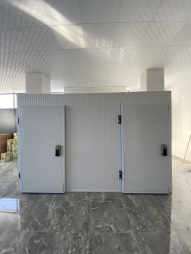
A freezer hinged door can be the right solution for a high-traffic opening when the opening width, opening path, closing control, and traffic behavior all support it.

This point is important. A hinged solution in a high-traffic freezer is not automatically wrong. In many applications, it remains the most practical and simple choice. However, it yields good results only when the entrance can close consistently, prevent constant path conflicts, and withstand the facility’s actual mechanical load.

A hinged format typically performs best in the following situations: 

  • Traffic is heavy but still orderly.
  • The opening width is reasonable and manageable.
  • The swing path can be adequately maintained.
  • The facility prioritizes direct closure and simple hardware logic.
  • The room requires reliable sealing without unnecessary system complexity.

If the opening is very wide, frequently blocked, or heavily shared by vehicles and pallet equipment, another access format may be worth considering. The issue is not whether hinged doors are good or not. The issue is whether the application still supports the hinged access model efficiently.

What Does Doing It Right Look Like

Freezer openings with heavy traffic are done correctly when the door is determined based on actual usage, not theoretical usage.

This means asking better questions during planning. How often is the opening opened during a shift? Is the traffic mostly personnel, or does it also include hand trucks and racks? Does the team move intermittently? Is the opening visible and subject to inspection? Can the facility tolerate frequent adjustment work? Does the swing path remain usable during peak activity?

The better the answers to these questions, the better the door selection will be.

A robust freezer hinged door solution suitable for heavy traffic typically includes the following: 

  • A door structure suitable for freezer temperatures and workload.
  • Hardware strength capable of withstanding repeated opening cycles.
  • Protective details in areas likely to be exposed to routine impacts.
  • Consistent closing behavior that supports seal integrity.
  • Frame, threshold, and surrounding panel integration that reduces wear pressure.
  • Application-specific visibility and access features when required.

This is where project experience becomes crucial. The Freezewize Refrigeration System approach is most effective when the opening is evaluated as a traffic point rather than a static architectural detail. In high-traffic freezer environments, the door must be selected from day one with consideration for workforce behavior, traffic density, and ownership expectations.

Getting It Right Also Means Protecting the Room Around the Door

An opening exposed to heavy traffic does not affect only the door itself. It also affects the surrounding freezer environment.

If the access point is poorly designed, nearby panels, threshold areas, sealing lines, and protective surfaces begin to suffer the consequences. Therefore, successful freezer openings are rarely limited to just the door panel. They rely on coordinated details around the entire entry point.

This includes the frame condition, floor transition, edge protection, hardware placement, visibility, and how cleanly the opening returns to a sealed state after each use. In high-traffic areas, these details determine whether the entrance will continue to support the room or begin to gradually weaken it.

Quick Decision Guide

When the access width is moderate, the opening path is feasible, and the facility requires a robust, repeatable closure system with a simple, long-term maintenance logic, select a hinged freezer door for a high-traffic opening.

If the opening experiences repetitive cycles, faster labor movement, regular exposure to hand trucks, or visible wear and tear that would quickly render a lighter installation inadequate, upgrade the specifications.

If the freezer entrance is located on an active route where edges, thresholds, and latch areas will encounter routine contact, add additional protection and hardware strength.

When traffic is constant, the opening is very wide, or the movement pattern creates a continuous opening path conflict that a hinged format cannot properly manage, re-evaluate the entire opening strategy.

Related Solutions

If heavy traffic is the primary concern, it’s often worth considering these related solutions alongside a freezer hinged door:

  • Heavy-duty freezer door hardware packages.
  • Freezer sliding doors for wider traffic pathways.
  • Kick plates and impact protection options.
  • Threshold and frame detailing for high-traffic openings.
  • Insulated freezer wall and ceiling panels.
  • Explore panel solutions for safer traffic timing.

FAQ

Can a freezer hinged door operate in a high-traffic opening?

Yes, provided the opening is properly specified. The key is to match the door to the actual cycle volume, impact exposure, closing requirements, and surrounding traffic behavior.

What defines a freezer opening as “high-traffic”?

Repeated daily cycles, faster personnel movement, regular vehicle or rack activity, and low tolerance for delays or access friction typically define a high-traffic freezer opening.

Why do freezer doors in high-traffic areas wear out faster?

Because repeated use amplifies minor weaknesses in hinges, gaskets, closing behavior, alignment, and protective details. In high-traffic areas, these minor weaknesses accumulate rapidly.

Is sealing performance more critical in high-traffic openings?

Yes. High traffic increases the number of situations where the seal is stressed, making consistent closure even more important to prevent freezing, heat loss, and maintenance pressure.

When should a buyer consider a different door type?

When the opening is unusually wide, the path of travel is obstructed, or traffic patterns make a hinged door less efficient than other access formats.

What is the biggest mistake in selecting a high-traffic freezer door?

Treating the opening as a standard freezer access point rather than a high-demand work area. This typically leads to inadequate specifications and preventable long-term friction.

Conclusion

High-traffic freezer openings are properly designed when the door is selected based not just on the opening’s dimensions, but on the room’s actual load.

If the entrance cannot remain efficient under daily pressure, then the entrance was never properly specified.

When evaluating a new freezer project or a replacement door, the smartest step is to review the cycle demand, impact exposure, sealing performance, and installation compatibility together. Freezer entrances with heavy traffic remain durable, predictable, and operationally sound over time when approached this way.

Fill the Form!

Write your needs and fill the form to contact us.

Freezewize | Industrial Cooling Systems & Custom Cold Room Solutions
Merhaba, Size yardımcı olabilir miyiz ?
Whatsapp Destek