




Freezewize | Industrial Cooling Systems & Custom Cold Room Solutions

Freezer Hinged Door Fit, Finish, and Freezer Throughput

Freezer Hinged Door Fit, Finish, and Freezer Throughput

Improve freezer throughput with a hinged door that combines correct fit, durable finish, clean closure, and lower maintenance friction in busy operations.

Freezer Hinged Door Fit, Finish, and Freezer Throughput

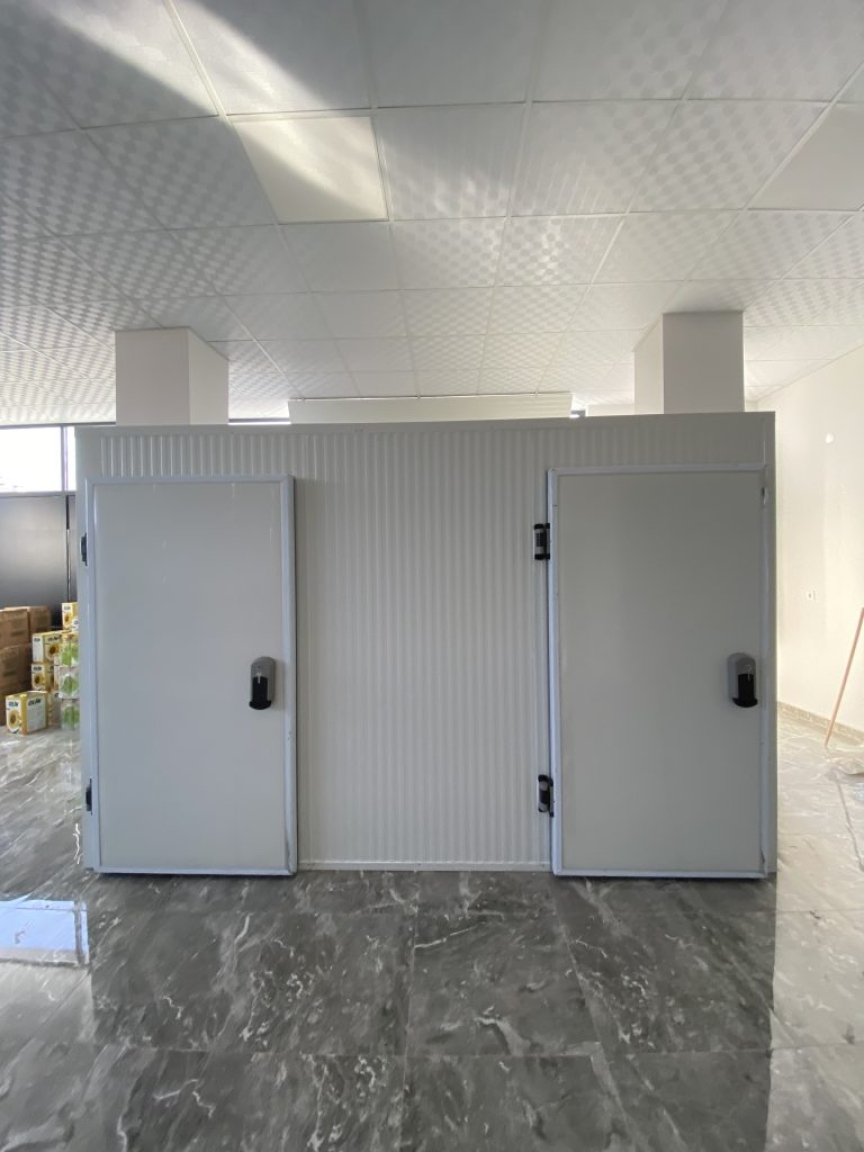
Freezer throughput is affected by more than opening size and refrigeration capacity. It also depends on how well the door fits the opening, how reliably it closes, and how the finish holds up under constant daily use. A freezer hinged door with the right fit and finish supports faster movement, cleaner sealing, better appearance, and less operational drag over time.

That matters because throughput problems rarely begin as obvious door failures. They usually begin as slight misalignment, rougher closing, worn edge surfaces, inconsistent latch feel, or a door that no longer looks or behaves like a disciplined part of the freezer room. In busy facilities, those small issues quickly turn into slower movement, more maintenance attention, and a room that feels less controlled than it should.

Where Efficiency Begins to Break Down

In many freezer rooms, the opening is treated as a mere passageway. In actual operations, however, it is a control point.

Staff do not interact with the freezer door in an abstract manner. Typically, products, carts, boxes, or staff rush through the door under time pressure. This means that every detail of the fit and finish affects how smoothly the room operates. If the door fits properly, closes securely, and provides a clean working surface, efficiency remains more predictable. Otherwise, the entrance begins to disrupt the surrounding workflow.

This is particularly true in supermarkets, food processing rooms, commercial kitchens, distribution areas, and cold storage operations, where access to the freezer is part of the daily workflow rather than an occasional event.

When fit and finish are not up to standard, the first signs are often subtle: 

  • The door no longer closes with the same smooth alignment.
  • The latch side feels less responsive.
  • Surfaces show wear in high-contact areas sooner than expected.
  • Staff hesitate when entering or use more force.
  • During peak periods, the door’s operation feels less smooth.
  • The door begins to look older than the surrounding room.

These are not merely cosmetic complaints. They are early indicators that the door is beginning to slow down operations.

Why Fit Matters More Than Buyers Expect

Fit is not just an installation issue. In a freezer environment, it is a daily performance issue.

A properly aligned freezer hinged door helps maintain consistent sealing, reliable closing, and a smooth motion rhythm. A misaligned door may still function, but it introduces friction with every access cycle. This difference becomes more apparent in rooms with frequent entries, faster labor turnover, and stricter temperature control expectations.

Alignment affects efficiency by altering how naturally the door moves throughout its cycle. If alignment is proper, the door feels predictable. If alignment is compromised, opening the door begins to require more effort and attention. This slows people down, even if no one consciously notices the cause.

A freezer door with poor alignment typically leads to the following: 

  • Slower passage during peak traffic.
  • Inconsistent seal contact and reduced thermal integrity.
  • Increased wear on hinges, latch areas, and edges.
  • The need for more maintenance to maintain usability.
  • An increased likelihood of workflow interruptions during peak periods.

In other words, proper fit isn’t just about proper installation. It’s about maintaining the flow of operations.

Finishing Isn’t Just About Appearance

Finishing is often overlooked because it appears to be merely a cosmetic element. In high-traffic freezer rooms, however, it is functional.

The finish on a freezer hinged door affects how the door withstands contact, cleaning routines, visible wear, and its overall presentation. A finish that deteriorates quickly does more than just ruin the appearance. It also alters how the door is perceived, how easy it is to clean, and how well the freezer area maintains a professional standard under daily stress.

This is important in facilities where freezer doors are exposed to the following: 

  • Repeated foot traffic.
  • Contact with shelves or carts.
  • Routine cleaning procedures.
  • Visible inspection areas.
  • Active movement in the back area.
  • Intense daily use across multiple shifts.

A door coating that is not wear-resistant can create the impression of premature aging, even if the room is still technically operational. This undermines confidence in the door and often signals deeper compatibility or suitability issues with the entire door system.

The Risk of Treating Compatibility and Finishing as Secondary Concerns

A freezer door may be insulated, functional, and technically correct on paper, yet still cause preventable efficiency losses.

This situation arises when the purchasing decision focuses on basic compatibility rather than operational quality. The door fits the opening dimensionally but does not behave compatibly. The finish looks good upon delivery, but not after actual use. The result is a door that functions technically but becomes increasingly sluggish, rougher, and harder to keep looking presentable.

This situation leads to practical business consequences: 

  • Friction in workflow during frequent access.
  • Increased maintenance burden due to alignment or wear issues.
  • Lower hygiene and presentation standards at the entry point.
  • Slower staff movement at the freezer entrance.
  • More noticeable aging in active service areas.
  • Pressure to replace sooner than initially expected.

Therefore, fit and finishing should not be treated as mere final details. They shape the entrance’s performance from the very first weeks of actual use.

Operational volume depends on how the door feels in use

In high-traffic freezer environments, people don’t evaluate the door against a checklist. They evaluate it through repetition.

They sense whether the door opens smoothly, closes without hesitation, whether the latch seats naturally, whether the opening remains visually under control, and whether the door still appears reliable after weeks of operation. This lived experience is crucial because workload consists not of major isolated events, but of small, repeated movements.

A freezer hinged door offers better performance when it provides the following: 

  • Clean alignment from the hinge to the latch.
  • A closing path that feels controlled and repeatable.
  • Surface durability in high-contact areas.
  • Consistent sealing that eliminates the need for staff to double-check the door.
  • A finish that remains suitable under cleaning and daily wear.
  • An opening that remains visually and functionally consistent.

This combination helps staff move faster because the opening requires no extra thought.

Basic Aesthetics vs. Functional Coating

The most useful comparison isn’t between attractive and unattractive. It’s the comparison between a coating focused solely on appearance and a functional coating that supports freezer efficiency.

A door that looks clean during installation but deteriorates quickly in daily use may meet short-term expectations but fail to meet long-term ones. A more suitable door package preserves both appearance and function because it is selected by considering traffic, cleaning, impact, and workflow.

Decision FactorBasic Fit and FinishThroughput-Ready Fit and Finish
Initial appearanceAcceptable at handoverStrong and more durable in service
Alignment under useMore vulnerable to driftBetter suited to sustained daily operation
Surface performanceCan show wear earlier in active zonesBetter for repeated contact and cleaning
Closure feel over timeMay grow less preciseMore consistent under routine use
Back-of-house presentationCan age faster visuallyHolds a cleaner, more controlled look
Best fitLower-intensity freezer accessBusy openings where movement and presentation both matter

This is the real decision point. Buyers aren’t just choosing the door’s appearance on day one. They’re choosing how the opening will perform as the facility becomes busier.

What Is the Right Solution?

The right solution is a freezer hinged door designed for both operational compatibility and service life.

This means evaluating not only the opening size but also traffic patterns, closing frequency, cleaning routines, visual expectations, and the type of wear the opening will be exposed to. In many applications, the best-performing door is one that maintains its alignment, retains its smooth appearance, and remains easy to pass through even after being subjected to repeated daily stress.

A more robust solution typically includes: 

  • Proper alignment between the door and the opening for consistent movement and sealing.
  • Hinge and latch support suitable for daily usage intensity.
  • Durable surface performance in high-traffic areas.
  • Edge and surface protection where routine contact is expected.
  • A closing mechanism that remains predictable under repeated cycles.
  • Frame, threshold, and gasket details that support the door rather than resisting it.
  • Visibility and surface options that improve workflow and cleaning.

This is where application-focused features take center stage. The Freezewize Cooling System approach is most effective when integration and finish are treated not as decorative additions, but as part of efficiency planning. In freezer environments, a door should not merely bear the workload—it should help the work flow more smoothly.

Efficiency and Aesthetics Often Go Hand in Hand

In active freezer zones, a door that performs well typically maintains its appearance longer.

This is no coincidence. When the seal is clean, the door closes properly, requires less force, and experiences less unnecessary wear. When the seal is suited to the environment, the opening remains more reliable under traffic, contact, and cleaning. Operational quality and visual quality generally reinforce each other.

This is important in facilities where the appearance of the entrance has real significance. A freezer entrance that looks worn out prematurely may suggest poor technical performance, increased maintenance requirements, or lower hygiene standards—even if the room is still technically operational. A sturdy, clean-looking entrance, on the other hand, reinforces the opposite message.

Quick Decision Guide

If the opening is used frequently on a daily basis, the background appearance is important, and the workload depends on fast, smooth traffic flow, choose a freezer hinged door with a more robust fit and finish.

In lower-traffic rooms with limited contact and minimal visual pressure, a simpler door package may still be acceptable.

If the freezer opening is located in an active area where staff are constantly moving, routine cleaning is performed, and visible operational standards are enforced, prioritize alignment quality, surface durability, and consistent closing performance.

If there is constant congestion at the opening, repeated impact, or a traffic pattern that a standard hinged door package cannot reliably support over time, reconsider the door installation.

Related Solutions

If compatibility, finish, and efficiency are your primary concerns, you may also find it helpful to review the following related solutions alongside a freezer hinged door:

  • Heavy-duty freezer door hardware packages.
  • Kick plate and impact protection options.
  • Freezer sliding door solutions for high-traffic routes.
  • Threshold and frame details for active openings.
  • Insulated wall and ceiling panel systems.
  • View panel upgrades for faster and safer personnel movement.

FAQ

Why do fit and finish affect freezer efficiency?

Because these factors determine how the door operates, closes, maintains its seal, and withstands daily use. A door that feels smooth and maintains a clean appearance supports faster and safer movement.

Is the finish really that important in a freezer room?

Yes. The finish affects cleanability, visible aging, contact tolerance, and how professionally the opening performs during daily use—especially in back-office environments subject to inspection or open to customers.

What are the first signs that a door’s performance is being negatively affected?

Common signs include difficulty closing, a less responsive latch feel, inconsistent sealing contact, increased hesitation among staff, and the door no longer feeling clean.

Can a door still be the wrong choice even if it looks good at first?

Yes. Many doors look good during installation, but they age poorly under actual freezer traffic because the fit and finish are not suitable for the application.

When should a buyer upgrade door specifications?

If the entrance is high-traffic, visible, sensitive to cleanliness, or exposed to repeated contact and faster foot traffic that will quickly wear down a lighter-duty unit.

Do better alignment and finish reduce ownership costs?

In most cases, yes. Better alignment, more durable surfaces, and more consistent performance can reduce maintenance needs, preserve appearance longer, and delay the need for replacement.

Conclusion

In freezer rooms, alignment and finish are not just final touches. They are part of how efficiency is created and maintained every day.

If the door isn’t aligned, durable, and easy to open and close, freezer efficiency will eventually pay the price.

When evaluating a new freezer project or replacing an aging entrance, the best approach is to assess the opening comprehensively in terms of movement quality, visible durability, ease of cleaning, and long-term usability. Freezer doors remain fast, reliable, and operationally sound over time when evaluated this way.

Fill the Form!

Write your needs and fill the form to contact us.

Freezewize | Industrial Cooling Systems & Custom Cold Room Solutions
Merhaba, Size yardımcı olabilir miyiz ?
Whatsapp Destek