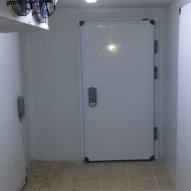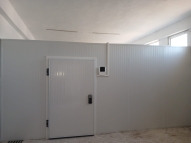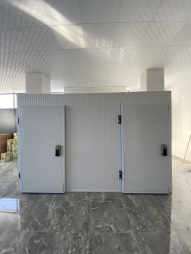





Freezer Door Choices That Age Well
Freezer Hinged Door Choices That Age Well in Demanding Facilities
Choose a freezer hinged door that ages well by prioritizing seal stability, hardware durability, and lower ownership cost in hard-working freezer operations.
Freezer Hinged Door Choices That Age Well
The best freezer hinged door choice is not the one that looks acceptable at installation. It is the one that still closes cleanly, seals evenly, and stays dependable after months of cold exposure, daily traffic, cleaning pressure, and repeated use. In real freezer operations, doors that age well are usually the ones specified around workload, not just opening size.
That matters because most poor freezer door decisions do not fail on day one. They wear into failure. The opening begins to feel heavier, less precise, harder to trust, and more expensive to maintain. Over time, the room may still run, but the door starts creating friction that should have been prevented during selection.
The Real Problem Behind Poorly Aging Door Selections
A freezer door rarely becomes a problem simply because someone chose a door that won’t open or close. The real issue is that the door was selected for basic compatibility rather than the realities of long-term operation.
In a working freezer, a door does much more than simply separate one area from another. It absorbs traffic patterns, work habits, cleaning routines, impact exposure, and thermal stress. It is used by people moving quickly, often carrying products, pushing carts, or striving to maintain workflow without delays. In this environment, a door that is merely functional during delivery can begin to deteriorate rapidly.
This deterioration typically manifests not as a dramatic failure but through small operational changes. The gasket begins to sit unevenly against the door. The latch no longer operates as smoothly as before. The hinges start bearing more weight. Controlling the threshold area becomes difficult. Staff begin compensating for the door’s opening rather than relying on it.
For facility managers and contractors, early disappointment begins at this point. The product may technically be functioning, but it no longer looks appropriate for the room.
Why Do Some Freezer Doors Wear Out So Quickly in Operation?
The most common mistake is making a selection based on initial fit rather than lifecycle logic.
A door may be suitable for the opening dimensions, insulation requirements, and initial budget, but if the technical specifications overlook traffic frequency, usage patterns, closing demands, and maintenance tolerance, it is still the wrong choice in the long run. In high-traffic freezer environments, time reveals every weakness. Poor alignment support, lighter-duty hardware, inadequate sealing performance, and insufficiently considered protective details tend to wear out quickly under real-world conditions.
This is particularly important in operations where access to the freezer is not an occasional event but a routine part of the workflow. Food processing rooms, supermarket backrooms, cold storage collection areas, commercial kitchens, and distribution freezers create repeated stress on the opening. When the door is not selected for this model, wear accelerates.
A freezer door subjected to poor wear typically causes the following:
- Increased adjustment pressure over time.
- A faster decline in seal integrity.
- Visible wear at critical access points.
- Staff hesitating more when closing the door.
- Increased frost or moisture issues near the opening.
- Discussions about replacement sooner than expected.
Therefore, buyers must think beyond the phrase “freezer-compatible.” The real question is whether the door will remain sturdy, reliable, and friction-free not just at the time of delivery, but after months of actual use.
The Risk of Choosing Based Solely on Initial Cost
A lower starting price can still lead to a higher total cost of ownership.
This is not because every low-cost option is inherently flawed. It is because the value of a freezer door is determined not just at the time of purchase, but over the course of its use. If a door requires more adjustments, loses its seal quality more quickly, or creates increased maintenance needs, the cost picture changes rapidly. Labor time, service calls, downtime, and the pressure to replace it early can overshadow the small savings that influenced the initial decision.
This is where many facilities begin to feel the impact of choosing a door that doesn’t age well over time. The door continues to function, but it no longer effectively maintains a clean environment. People work around it. The maintenance team constantly checks the door. Managers begin to realize the door is older than the project itself.
The real risks are practical:
- Delays in workflow during repeated entries and exits.
- A maintenance burden increasing faster than expected.
- A weaker background presentation in visible operational areas.
- Diminished confidence in sealing and thermal integrity.
- Increased wear on gaskets, hinges, and components on the lock side.
- A stronger sense that the specification is short-term rather than durable.
Even if a door is technically still usable, it may be a poor decision from a lifecycle perspective.
The True Meaning of “Aging Well” in a Freezer Door
A freezer hinged door that ages well typically possesses three characteristics: structural stability, sealing consistency, and operational suitability.
Structural stability is important because the door must support its own insulated mass through repeated use without becoming misaligned. Seal consistency is important because a door that does not close properly will eventually lead to thermal and maintenance issues. Operational suitability is important because even a well-made door will age poorly if traffic patterns, opening width, or surrounding workflow constantly push it beyond ideal operating conditions.
In practice, selecting freezer doors that age well typically requires attention to the following:
- Hinge durability appropriate for the door size and frequency of use.
- Reliable frame support and structural integrity.
- Seal performance that remains consistent even under repeated cycles.
- Closing behavior that does not rely heavily on the user’s perfect discipline.
- Threshold and edge details suitable for frozen conditions.
- Protective elements in situations where vehicles, shelves, or contact exposure are part of the environment.
- Visibility and access features that ensure the door opens smoothly during daily use.
These are not luxury details. These are features that prevent the freezer entrance from becoming a maintenance issue over time.
Choosing Between Short-Term and Long-Term Compatibility
The most useful comparison is not between premium and standard. It is between short-term and long-term compatibility.
A short-term solution may meet initial technical requirements and budget expectations, but it typically offers less margin for daily misuse, repeated closing pressure, and traffic-related wear and tear. A long-term solution is selected with ownership in mind. It is designed to maintain performance, reduce service issues, and provide a more stable operating experience over time.
| Decision Factor | Short-Term Fit | Long-Term Fit |
|---|---|---|
| Buying priority | Lower upfront spend | Lower lifecycle friction |
| Seal performance over time | More vulnerable to drift | More consistent under repeated use |
| Hardware stability | Adequate for lighter conditions | Better for demanding freezer traffic |
| Maintenance pattern | More reactive over time | More controlled long term |
| Operational feel after months of use | Can decline faster | Tends to stay more dependable |
| Best fit | Lower-intensity applications | Facilities expecting sustained daily use |
Therefore, door selections that stand the test of time are generally the result not only of a larger budget but also of a more disciplined purchasing mindset.
A Better Solution for Buyers Considering the Lifecycle
The best solution is to determine the freezer hinged door based on how the room will actually be used over time.
This means evaluating more than just dimensions and temperature ranges. It means asking how often the opening will be opened and closed, whether staff traffic is heavy, whether carts or shelves pass through or alongside the door, how visible the area is, how strict the hygiene routine is, and how much maintenance tolerance the facility actually has.
Selecting a good freezer hinged door for long-term use typically prioritizes the following:
- A door panel suitable for the freezer room’s specific application.
- Hinge and hardware strength appropriate for actual operational intensity.
- Consistent sealing performance rather than relying solely on nominal insulation claims.
- Impact-resistant details for high-traffic environments.
- Cleanability and service access suitable for the room.
- Threshold and frame conditions that support performance over time.
This is where a more experienced specification process becomes crucial. The Freezewize Refrigeration System approach becomes most valuable when the opening is treated not as a simple accessory to the freezer cabinet, but as a functional component. Durable doors are rarely selected based solely on superficial comparisons. They are chosen by understanding how usage habits, workforce behavior, exposure to cleaning, and long-term service expectations shape the door’s lifespan.
Doors That Age Well Depend Not Just on Product Type, but on Application
Not every freezer room requires the same level of door specifications.
A quieter room where personnel access is controlled can perform very well with a simpler hinged installation if the opening is modest, usage is disciplined, and maintenance conditions are favorable. A freezer with heavy usage associated with picking, stock replenishment, production, or frequent personnel movement requires a more robust design. In these rooms, durability becomes a direct function of suitability.
Therefore, the right door selection depends on the context. The same door may feel reliable in one application but show premature wear in another. The difference is rarely in the product itself. More often than not, it lies in the compatibility between the product and the operational load placed upon it.
Quick Decision Guide
If the opening is used repeatedly, consistent sealing is critical, and the facility wants to avoid increasing maintenance needs over time, choose a freezer hinged door designed for the entire lifecycle.
If the room has lower traffic, more controlled access, and a lower risk of wear from rushed use or contact, a simpler hinged solution may be appropriate.
If the freezer opening is part of a high-traffic back-of-house route where vehicles, racks, labor speed, and cleaning demands increase the load on the entrance, upgrade the features.
If the opening is unusually wide, traffic is continuous, or daily movement patterns regularly push a swing door beyond its most efficient operating range, completely reevaluate the door configuration.
Related Solutions
If long-term freezer door performance is a top priority, it’s worth reviewing these related solutions alongside door selection:
- Heavy-duty freezer door hardware packages.
- Freezer wall and ceiling panel systems.
- Threshold and frame details for frost-prone openings.
- Impact protection and kick plate options.
- Freezer sliding door solutions for wider traffic lanes.
- Panel and safety visibility upgrades for active openings.
FAQ
What ensures a freezer hinged door ages well?
A door ages well when it maintains alignment, consistent sealing, and reliable closing behavior over time under the facility’s actual traffic and environmental stresses.
Why do some freezer doors feel worn out prematurely?
Typically, because the door was selected for basic fit rather than daily workload. Repeated cycles, rushed usage, and inadequate hardware accelerate wear and tear.
Is a higher initial cost always necessary for better aging?
No. The best decision isn’t always the most expensive one. It’s the decision that better aligns with traffic levels, operating conditions, and maintenance expectations.
How can buyers reduce the pressure to replace doors early?
By selecting doors based on lifecycle performance, not just the purchase price. This includes hardware durability, consistent sealing performance, exposure to traffic, and the daily usage patterns of the opening.
Do freezer doors in high-traffic facilities require different protection?
Generally, yes. High-traffic areas typically benefit from additional protection, better hardware support, and more durable components to maintain their long-term condition.
When should a buyer consider a different type of door?
If the opening is very wide, traffic is constant, or vehicles and pallet equipment create a usage pattern that makes the hinged format less efficient over time.
Conclusion
Long-lasting freezer door options are choices made not just based on initial installation logic, but by considering the actual operational lifespan.
The right freezer hinged door is one that still feels reliable even after the facility has started using it in earnest.
If you’re evaluating a new freezer project or replacing a door with poor performance, the smartest step is to compare options based on lifecycle performance, traffic suitability, and maintenance tolerance—rather than just the initial cost. Durable freezer access decisions are made this way.