




Freezewize | Industrial Cooling Systems & Custom Cold Room Solutions

Daily Impact on Frozen Entry Points

Freezer Hinged Door Performance Under Daily Impact

Manage daily impact at frozen entry points with the right freezer hinged door specification, better protection details, and lower long-term maintenance pressure.

Freezer Hinged Door Performance at Daily-Impact Entry Points

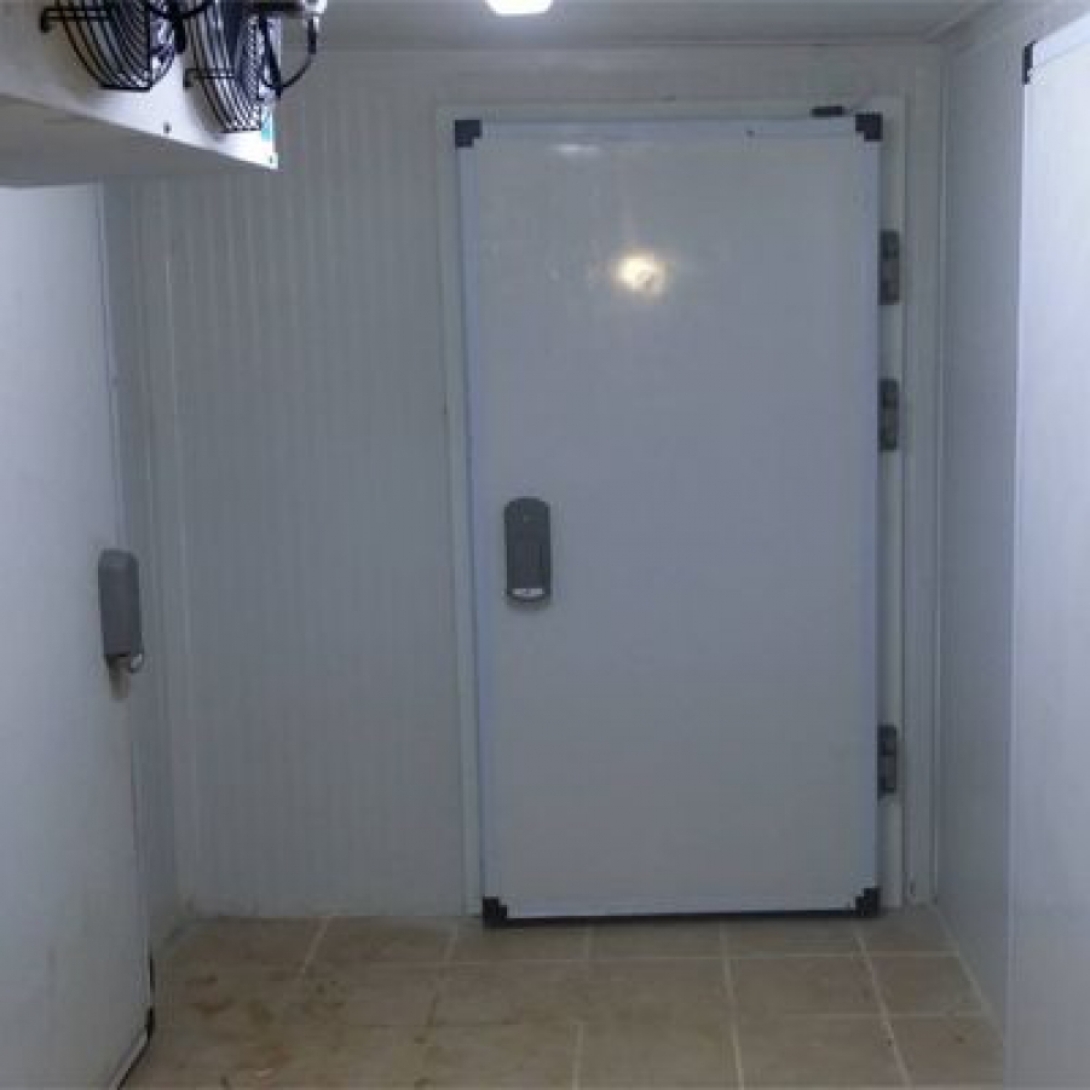
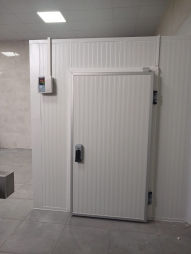
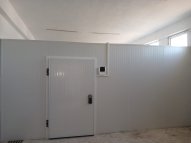
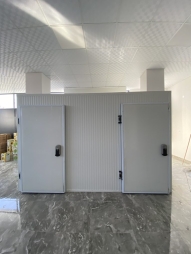
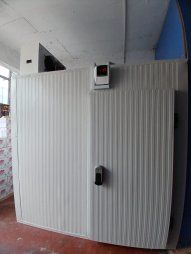
A freezer hinged door can perform very well at a frozen entry point, but only if it is specified for the daily impact the opening actually sees. In hard-working freezer areas, the problem is rarely temperature alone. It is repeated contact from carts, racks, rushed staff movement, edge strikes, threshold abuse, and closing cycles that slowly push the entrance out of alignment and out of confidence.

That matters because frozen entry points do not age based on insulation alone. They age based on use. If the door is not matched to daily impact, the opening begins creating drag through visible wear, seal inconsistency, harder closing, and a growing maintenance burden that spreads into the rest of the room.

The Point Where Daily Impacts Begin to Affect Freezer Performance

Many freezer doors are designed on the assumption that the opening will be used with care. In reality, however, most are used rapidly.

A freezer entry point in a warehouse, supermarket backroom, processing area, or commercial kitchen is part of a high-traffic pathway. Staff move through quickly. Carts bump the bottom edge. Mobile racks swing wide. Pallet jacks pass close to the frame. Cleaning tools strike thresholds and corners. Even if the door is technically still functional, these repeated minor impacts begin to alter the opening’s behavior.

Therefore, daily wear isn’t just about visible dents or scratches. It affects the door’s entire performance. When edge protection, hinges, frame support, closing behavior, or seal contact start to take a beating, the consistency of the entry point—which connects to the frozen rooms—is lost.

This typically manifests in familiar ways: 

  • The door no longer closes smoothly.
  • Edge damage becomes more pronounced in high-traffic areas.
  • The bottom section is subjected to repeated wear caused by wheeled traffic.
  • The seal no longer seats securely as it once did.
  • Staff begin to use more force to open or close the door.
  • The door begins to require more adjustments than expected.

At this point, the issue is no longer merely cosmetic. Operating the door and ensuring its reliability becomes increasingly difficult.

2The Risk of Underestimating Daily Wear and Tear

A freezer door does not need a major impact to start wearing down improperly.

In many facilities, damage stems not from a single incident but from repeated movements. An unprotected door at a freezer entry point with heavy traffic can be subjected to dozens or even hundreds of light impacts each week. Over time, this repeated stress can affect alignment, surface condition, hardware tension, the closing feel, and environmental sealing.

At this point, even a technically functional freezer hinged door may be the wrong choice. It may fit the opening, maintain temperature initially, and appear acceptable during delivery, but once real traffic begins, it can still create operational friction.

Risks typically include: 

  • Slowdowns in workflow due to staff hesitating around a worn-out or unreliable opening.
  • Maintenance pressure caused by repeated adjustments and hardware wear.
  • Premature wear in sealing due to inconsistent contact.
  • A more worn-out appearance in inspection-sensitive environments.
  • Increased replacement pressure on a door that needs to last longer.
  • A clear sense that the opening was not designed to match the facility’s actual operating conditions.

In other words, the wrong door may still function, but it will not age reliably alongside the facility.

Why Do Frozen Entry Points Require a Different Purchasing Mindset?

A quiet freezer room and a freezer opening exposed to traffic do not present the same technical challenges.

In an opening with low usage frequency, a more standard freezer hinged door installation can perform well for a long time. However, at an entry point exposed to daily impact, the selection logic must change. Buyers should think beyond insulation and question how the opening withstands contact, traffic speed, and repeated use.

This is particularly important in facilities where the door is located near the following: ****

  • Replenishment routes.
  • Picking lanes.
  • Movement from preparation to storage.
  • Receiving and preparation areas.
  • High-traffic back-of-house circulation.
  • Areas where vehicles, boxes, shelves, or hand trucks move close to the frame.

These are not unusual conditions. They are standard operating conditions in many food, cold storage, and distribution environments across the U.S. A freezer door that ignores this reality typically becomes a maintenance issue much faster than anyone expects.

Impact Exposure Changes the Comparison

The most useful comparison is not just between heavy-duty and standard-duty. It is between protected, traffic-conscious freezer access and basic freezer access.

A standard freezer hinged door may be sufficient for controlled opening with disciplined personnel use. An entry point subjected to daily impact requires greater durability around actual stress zones: lower panels, edge areas, hinge support, latch-side stability, and threshold behavior.

Decision FactorBasic Freezer Hinged SetupDaily-Impact Freezer Hinged Setup
Traffic environmentBetter for controlled accessBetter for active, contact-prone routes
Edge and face durabilityMore vulnerable to repeated strikesBetter for routine low-level impact exposure
Seal stability over timeCan degrade faster under abuseBetter suited to repeated daily handling
Maintenance patternMore reactive in busy areasMore stable under real workflow pressure
Best fitSmaller, lower-contact openingsFrozen entry points with carts, racks, and fast staff movement
Ownership outcomeAcceptable in lighter useStronger long-term suitability in demanding use

The goal is not to over-reinforce every opening. The goal is to prevent under-reinforcement of those clearly exposed to daily impact.

How Can a Better Solution Be Achieved?

A freezer hinged door at an impact-prone entry point should be designed not just as an insulated panel, but as a functional access system.

This means considering how the opening is used, what impacts it, how frequently traffic passes through, and how much downtime the facility can tolerate. In most cases, the better solution is not radically different in concept. It is simply more honest about the load the opening will be subjected to.

A better-performing installation typically includes: 

  • A freezer-hinged door suitable for actual cycle and traffic demands.
  • Stronger hinge support capable of withstanding repeated use and pressure.
  • Durable edge and surface protection in areas of frequent contact.
  • Reliable closing behavior that ensures the door returns to provide a seal.
  • Threshold and frame details suitable for the freezer room’s harsh conditions and cleaning requirements.
  • Seal performance that maintains consistency despite daily use.
  • Panel or visibility features where staff timing and traffic awareness are critical.

This is where practical specification experience also comes into play. The Freezewize Cooling System approach is most effective when the entrance is evaluated within the context of actual facility operations. This means understanding how people move, what equipment they pass by, where impacts occur, and how a door must withstand not just on installation day, but months of use.

Daily Impacts Are Also a Sealing and Hygiene Issue

Repeated impacts do more than just affect appearance. They can also gradually compromise seal quality and hygiene confidence.

In frozen environments, even minor changes in door closing behavior matter. If the bottom section begins to endure repeated impacts, the latch side starts to shift, or maintaining the threshold area clean and secure becomes difficult, the entrance ceases to function with the same reliability. This creates a chain reaction: increased risk of freezing, greater staff frustration, more frequent maintenance checks, and a weaker appearance in areas where hygiene standards are critical.

For many buyers, this is the hidden cost of a freezer entrance with subpar features. The problem isn’t that the door breaks down immediately. The problem is that the entrance stops supporting the facility effectively.

Quick Decision Guide

If the entrance is located in a high-traffic area, comes into contact with hand carts or shelves, or serves a fast-moving team that cannot handle the door gently with every cycle, choose a freezer hinged door configuration that is more resistant to impacts.

If access is controlled, the risk of contact is low, and the entrance is primarily used by staff under less operational pressure, a simpler freezer-hinged configuration may still be suitable.

If the freezer entry point is part of a back-of-house service route where daily wear and tear is expected rather than occasional use, prioritize stronger protection, hinge stability, threshold details, and consistent closing performance.

If the opening is very wide, traffic is continuous, or the traffic pattern indicates that another access format would more effectively reduce impact-related stress, reconsider the full-door strategy.

Related Solutions

If daily impact is part of the freezer door issues, the following related solutions are typically important alongside the main door selection: 

  • Heavy-duty freezer door hardware packages.
  • Kick plates and impact protection options
  • Freezer wall and panel systems around active entry points.
  • Threshold and frame details for openings exposed to rough use.
  • Visibility panel solutions for high-traffic personnel pathways.
  • Freezer sliding door options for wider and higher-traffic pathways.

FAQ

Why is daily impact at the freezer entry point so important?

Because repeated low-level contact alters alignment, closing consistency, and long-term sealing performance—even if the door still appears to be functioning properly.

Which parts of a freezer hinged door are most affected by daily use?

Typically, the lower panel area, door edges, hinge side, latch side, threshold, and frame areas closest to vehicle and shelf movement.

Can daily minor impacts really shorten the door’s lifespan?

Yes. In high-traffic facilities, repeated minor impacts cause faster wear than a single major incident because they gradually affect the door’s closing and sealing integrity.

Is impact protection only about aesthetics?

No. It also supports lifecycle performance by reducing wear on entry components—which are most likely to affect alignment, seal integrity, and maintenance frequency.

When should a buyer upgrade freezer door features?

If the door is located on a high-traffic route, repeatedly comes into contact with equipment, or needs to remain clean and reliable with minimal adjustments over time.

Can a freezer hinged door still be the right choice for an active entry point?

Yes. It is the right choice in most cases, but it should be selected based on the facility’s actual impact exposure rather than being treated as a low-contact access point.

Conclusion

Daily impacts alter the performance, wear rate, and maintenance requirements of freezer entry points.

If a freezer door is not selected based on the contact it will face daily, the entry may still function, but it will not remain efficient over the long term.

When planning a new freezer room or replacing an entrance with poor performance, the smartest step is to evaluate traffic exposure, impact patterns, seal stability, and maintenance tolerance together. Freezer entrances remain durable, functional, and reliable under the facility’s actual operating conditions when selected this way.

Fill the Form!

Write your needs and fill the form to contact us.

Freezewize | Industrial Cooling Systems & Custom Cold Room Solutions
Merhaba, Size yardımcı olabilir miyiz ?
Whatsapp Destek