




Freezewize | Industrial Cooling Systems & Custom Cold Room Solutions

Cold Retention Starts at the Door

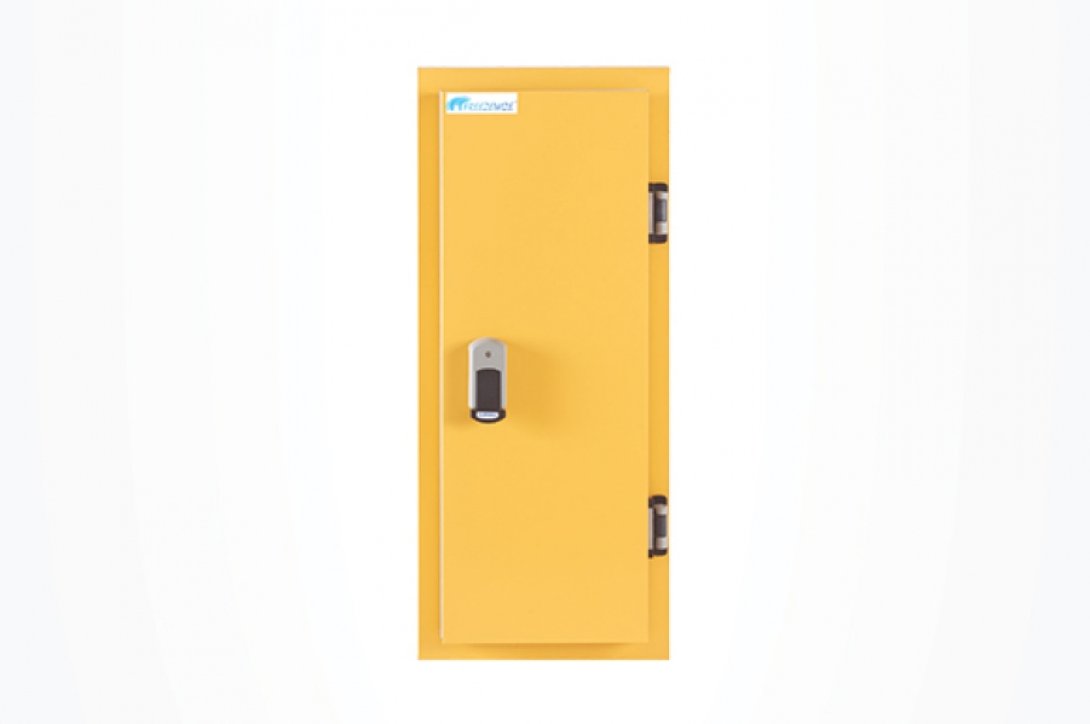
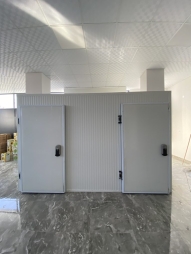
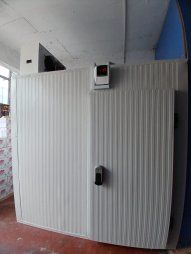
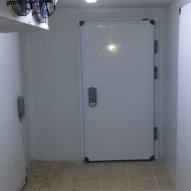
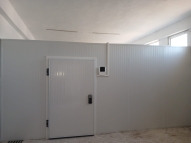
Freezer Hinged Door Performance for Better Cold Retention

Cold retention starts at the door. Choose the right freezer hinged door to reduce air loss, frost buildup, workflow drag, and long-term maintenance pressure.

Cold Retention Starts at the Door

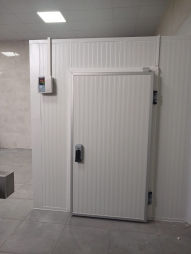
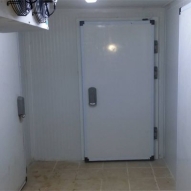
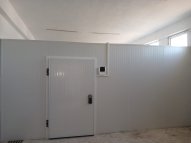
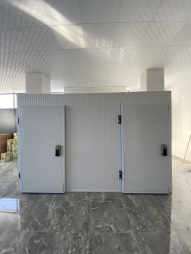
Cold retention in a freezer room does not begin at the evaporator. It begins at the opening. A freezer hinged door is one of the most important control points in the room because every access cycle tests the seal, the hardware, the closing action, and the room’s ability to resist heat gain.

That is why many freezer performance problems are not really refrigeration problems at all. They are door problems in disguise. If the door does not close cleanly, seal evenly, and match the pace of daily use, the room starts losing stability one opening at a time.

The Real Issue Behind Cold Air Retention Loss

In many facilities, the freezer room is designed with adequate insulation and cooling capacity, yet performance remains less stable than expected. It is often assumed that the cooling system needs attention. More often than not, the real issue is simpler and more operational: a lack of entry discipline.

A freezer door is subjected to far more stress than specified in most technical data sheets. Staff rush in and out. During peak periods, traffic routes accelerate. Carts and shelves pass close to the frame. Doors are opened before the cycle is fully complete. Cleaning routines affect thresholds, gaskets, and hardware. Over time, the door opening becomes the point where thermal control is gained or lost.

Therefore, cold retention should be addressed not only as a refrigeration issue but also as an access issue. If the door lacks adequate technical specifications, is not traffic-appropriate, or cannot consistently maintain its alignment, the room begins to lose performance in the form of small daily losses.

These losses typically manifest as follows: 

  • It takes longer for the temperature to recover after routine access.
  • Frost or condensation forms on the surroundings.
  • Staff leave the opening open for a few seconds longer than necessary.
  • Over time, the door closes more softly.
  • Seal contact is inconsistent on the latch or hinge side.
  • The freezer room operates, but it doesn’t feel as stable as it should.

Why Does the Door Play Such a Major Role?

The freezer door is the only component designed to be opened repeatedly under pressure. This makes it the room’s most vulnerable part.

The panels remain stationary. The ceiling remains stationary. The cooling system does its job continuously. The door, however, is different. Every time labor, products, or equipment require access, it interrupts the barrier. In real-world operations, this makes the door the first place where performance degradation begins.

When opening allows hot air to enter, causes inconsistent closing, or leads to repeated seal failure, cold retention weakens. This is not just a temperature issue. It also affects frost control, cleaning reliability, workflow efficiency, and long-term component wear.

This is critical for facilities in food processing, distribution, supermarket backrooms, commercial kitchens, and frozen storage operations, because the entrance is not a passive component. It is part of the room’s operational rhythm.

The Risk of Treating the Door as Secondary

Even if a freezer door is technically acceptable, it may still be the wrong choice.

This is one of the most common specification errors in frozen environments. The project team prioritizes insulation levels and refrigeration equipment, but the door is selected more as a standard accessory than as a primary thermal control point. On paper, the room functions properly. In daily use, however, gaps begin to cause preventable losses.

When the door is not properly matched to the room, risks quietly increase: 

  • Cold loss during repeated opening cycles.
  • Increased ice buildup in edge and threshold areas.
  • Increased wear on gaskets, hinges, and closing hardware.
  • More maintenance time spent addressing symptoms rather than causes.
  • Labor inefficiency resulting from slower and less secure access.
  • A room that feels harder to control during peak activity.
  • Pressure to replace the door sooner than originally anticipated in the project.

For this reason, freezer door selection should never be reduced to size alone. The more accurate question is whether the door will maintain room discipline after months of actual use.

Cold Retention Is a Door System Issue

Strong cold retention doesn’t stem solely from insulation. It stems from how the entire door system behaves under daily stress.

A freezer hinged door helps maintain cold retention when designed as a complete operational system. This includes the insulated panel, frame, hinge support, gasket performance, threshold condition, closing motion, and surrounding traffic flow. If any of these elements become misaligned, thermal leakage quickly occurs.

In practice, cold retention improves when the opening provides the following: 

  • Consistent sealing pressure around the entire perimeter.
  • Stable alignment under repeated daily cycles.
  • Reliable closing without being entirely dependent on user behavior.
  • Threshold and frame details resistant to freeze-induced stress.
  • Hardware appropriate for the door’s size, weight, and frequency of use.
  • A traffic pattern that does not lead to constant misuse of the opening.

This is why some freezer rooms recover faster and feel more controlled than others, even if their cooling capacity appears similar on paper. The difference usually lies in the door.

Hinged Door vs. Sliding Door Comparison from a Cold Retention Perspective

This comparison is not about which format is generally better. It concerns which format better maintains the opening under the room’s actual usage conditions.

When the room requires controlled access, moderate opening width, and a need for direct, reliable closure, a hinged freezer door is generally the right choice. A sliding system may be more suitable in situations where floor space obstructions must be minimized or where the door’s opening angle is impractical due to high traffic volume.

Especially regarding cold retention, the decision depends on how consistently the opening can return to a stable, airtight state after each access cycle.

Decision FactorFreezer Hinged DoorSliding Freezer Door
Closure behaviorStrong when alignment and hardware are well matchedStrong when track condition and movement stay consistent
Fit for controlled accessExcellentGood
Fit for crowded traffic routesMore limited if swing clearance is tightOften better in dense movement zones
Seal consistency over timeVery strong in the right applicationStrong when maintained correctly
Maintenance logicSimpler in many moderate-use applicationsMore dependent on track and movement conditions
Best fitStandard freezer openings with disciplined accessWider or busier openings with space constraints

The key point is simple: Cold retention improves when the door format aligns not only with the opening dimensions but also with the room’s traffic logic.

What Is the Right Solution?

The right solution begins by treating the freezer door not as a mere structural component, but as a thermal control element.

This means selecting a hinged freezer door based on how the opening will actually be used. The needs of a quiet freezer room with limited staff access differ from those of a high-traffic picking zone, a freezer on the production side, or a back-of-house area with frequent entries throughout the day. The better the door’s behavior aligns with the facility’s actual conditions, the more stable the cold retention becomes.

A more robust solution typically includes: 

  • An insulated freezer hinged door suitable for the target temperature range.
  • Hinge and frame support appropriate for the actual cycle demand.
  • Reliable perimeter gaskets for consistent sealing contact.
  • A reliable closing mechanism that minimizes partial closure incidents.
  • Threshold and edge details suitable for freezer traffic conditions.
  • Viewing panels and protective features where visibility and contact risk are critical.
  • Perimeter panels and opening details that support the door rather than obstructing it.

This is where experience matters. The Freezewize Cooling System approach is most effective when cold retention performance is evaluated from the opening outward. In real-world freezing projects, the door must be defined as part of the room’s control strategy before primary design decisions are finalized.

Why Do Facilities Notice the Difference So Quickly?

As cold retention begins to improve at the door, operational benefits emerge rapidly.

Staff notice that the opening is more predictable. During routine access, the room feels less exposed. Frost buildup becomes easier to manage. The freezer recovers with less friction. Maintenance teams spend less time re-addressing the same access point issues. Since the entry appears more stable, cleaner, and more organized, even the room’s visual impression improves.

Therefore, a better door selection has a significant impact on the freezer room’s overall reliability. It changes the room’s performance and how its operation feels.

Quick Decision Guide

When daily access to the opening is controlled, requires sufficient opening clearance, and demands a strong, repeatable seal based on freezer room temperature control, choose a hinged freezer door.

If the room is exposed to frequent cycles, tighter thermal tolerances, hygiene demands, or repeated staff traffic that strains the opening throughout the day, upgrade the features.

If maintaining cold temperatures is more important than simple access convenience, pay extra attention to hinges, gaskets, frame strength, and threshold details.

If the opening is unusually wide, traffic is constant, or the layout causes the hinged panel to be more of a nuisance than a protective feature, reconsider the door configuration.

Related Solutions

If cold retention is the top priority, these related solutions are generally worth considering alongside freezer hinged doors: 

  • Freezer sliding doors for wider or higher-traffic entrances.
  • Insulated wall and ceiling panels for full-enclosure consistency.
  • Heated frame and threshold details for frost-sensitive entrances.
  • Heavy-duty freezer hardware packages.
  • Impact protection and kick plate options.
  • Visibility panels for safer and faster access in active work areas.

FAQ

Why does cold retention start at the door?

Because the door is the part of the freezer shell that is opened repeatedly. Every cycle strains the seal, the closing mechanism, and the room’s ability to keep warm air out.

Can a refrigeration system compensate for a weak freezer door?

Only to a certain extent. The system can recover temperature, but repeated losses through the door still increase thermal imbalance, freezing pressure, and operational load.

What are the first signs that the door’s cooling performance is being negatively affected?

Common signs include frost buildup along the edges, slower recovery after access, uneven seal contact, softer closing, and the room feeling less stable during peak periods.

Is a hinged freezer door always the best option for retention?

Not always. It is generally an excellent choice when the opening size, traffic pattern, and opening clearance support consistent closing. In other cases, a different door type may be more suitable for the operation.

Which parts of the door are most critical for thermal performance?

Seal consistency, hinge stability, closing behavior, frame support, threshold condition, and overall suitability for the room’s traffic pattern are all critical.

How can buyers improve long-term cold retention at the opening?

By selecting the door based not just on nominal dimensions, but on actual operating conditions. The strongest results are typically achieved by matching the door to cycle frequency, traffic behavior, and maintenance tolerance.

Conclusion

Cold retention in a freezer room isn’t maintained by cooling alone. It’s maintained when the opening closes properly every time.

If the door is not selected for actual freezer use, the room loses control precisely where it needs it most.

When evaluating a new freezer room or planning a renovation, the best step is to examine the opening’s sealing performance, traffic flow, equipment load, and long-term retention performance together. Better freezer results start right here.

Fill the Form!

Write your needs and fill the form to contact us.

Freezewize | Industrial Cooling Systems & Custom Cold Room Solutions
Merhaba, Size yardımcı olabilir miyiz ?
Whatsapp Destek