




Seal Integrity at Busy Openings
Freezer Hinged Door Seal Integrity for Busy Openings
Protect seal integrity at busy freezer openings with the right hinged door specification, better closure control, and lower long-term maintenance pressure.
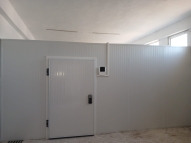
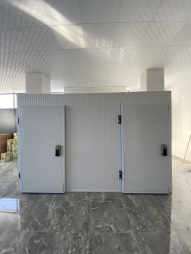
Freezer Hinged Door Seal Integrity at Busy Openings
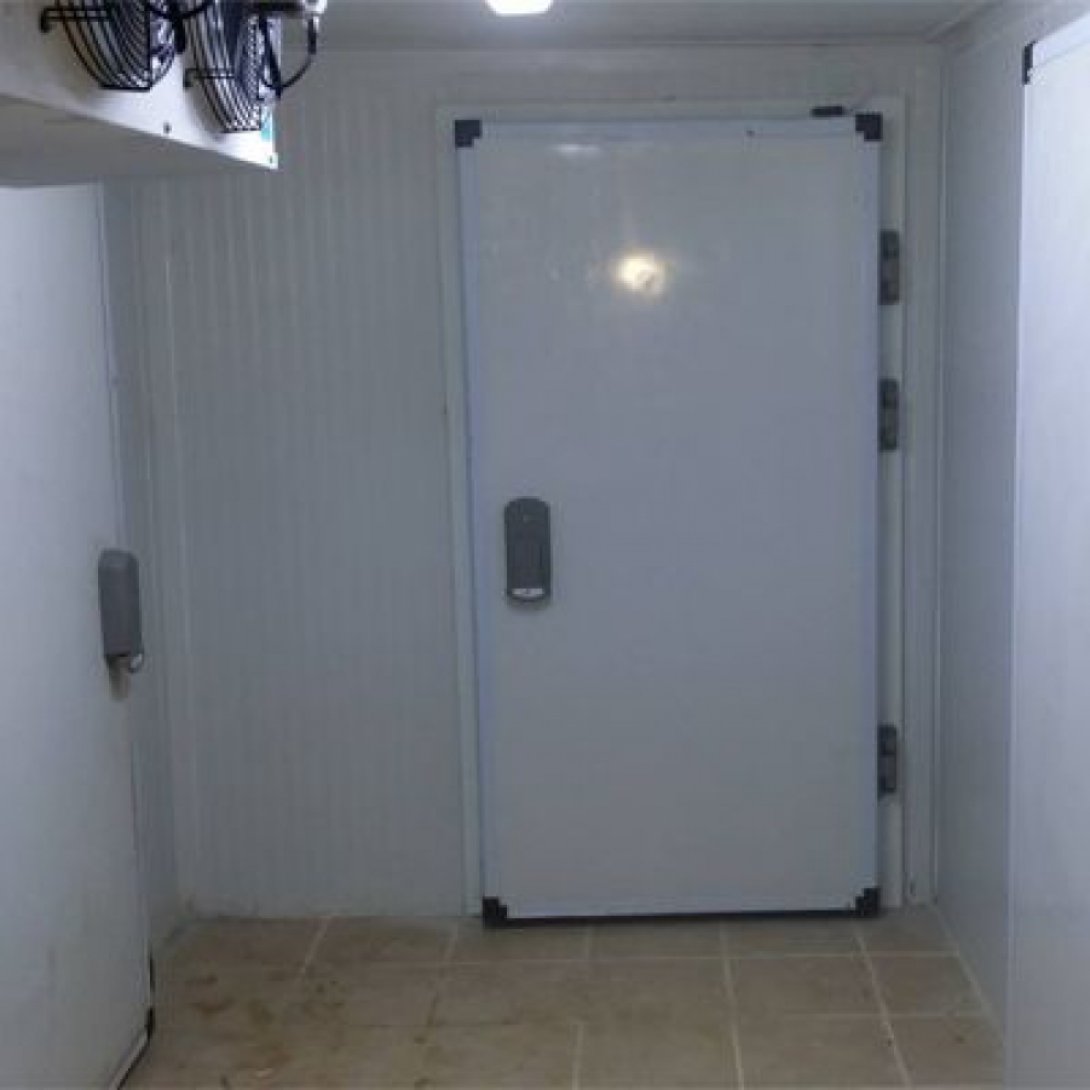
Seal integrity is what keeps a busy freezer opening from turning into a daily source of temperature drift, frost buildup, and maintenance disruption. The right freezer hinged door is not just insulated. It must close consistently, compress the gasket evenly, and keep performing under repeated traffic, rushed handling, and real operational pressure.
That matters most at busy openings because seal failure rarely starts as a major breakdown. It usually begins as small air leaks, soft closure, edge wear, uneven compression, or a door that no longer lands the same way every time. In a hard-working freezer, those small failures quickly become operational problems.
The Point Where Seal Integrity Begins to Break Down
Most freezer entrances with heavy traffic do not fail because the room suddenly stops working. The reason for failure is that the entrance begins to lose its integrity.
In a freezer environment, the door opening is under constant pressure. Staff move quickly. Opening and closing cycles accumulate throughout the day. Carts pass through. Activities such as product handling, receiving, restocking, or picking accelerate. Cleaning crews work around thresholds, frames, and equipment. Over time, all this pressure is absorbed by the components that provide the seal.
Therefore, sealing is not just a gasket issue. It is the combined result of door alignment, hinge stability, consistent closing, frame condition, threshold cleanliness, and how the opening is used during each shift.
Heavy-duty freezer openings typically begin to show signs of strain in predictable ways:
- The gasket no longer makes even contact around its perimeter.
- The latch side begins to feel less secure.
- Frost or moisture is visible at the edges or corners.
- The door closes, but it is not as reliable as before.
- Staff begin to press harder or manually control the closure.
- The opening begins to require more adjustments than expected.
These are not merely cosmetic warnings. They are operational indicators that control over the opening has been lost.
Why Do High-Traffic Openings Create a Different Sealing Problem?
A freezer door that performs well in a low-cycle room may struggle in a high-cycle environment.
This is where many specifications go wrong. Buyers typically select a hinged freezer door based on panel thickness, opening size, or general freezer compatibility, but the real stress point is daily usage intensity. A high-traffic area behaves differently because the seal is constantly being tested. Repeated movements, improper use, and faster cycles do more than just wear down the gasket; they expose weaknesses throughout the entire closing system.
In a freezer with low traffic, minor flaws can remain manageable for a long time. In a high-traffic area, however, the same flaws escalate rapidly. An entrance with frequent access can turn a minor alignment issue into a major sealing problem in a much shorter timeframe.
This is particularly true for:
- Food processing backrooms.
- Supermarket freezer access points.
- Distribution freezer zones.
- Commercial kitchens with high traffic for frozen product storage.
- Facilities where hand trucks, shelves, or pallet jacks pass near the opening.
- Operations under strict hygiene and inspection requirements.
In these environments, entry is not just a room division but a part of the workflow. If the seal loses its integrity, the room loses its efficiency.
The Risk of Treating Sealing as a Minor Detail
A freezer door can still appear functional while causing preventable losses.
This is the dangerous aspect of sealing issues. They often remain below a noticeable failure threshold for a very long time. The door still opens. The room still cools. The opening still appears usable. However, the system is no longer functioning properly, and damage begins to accumulate.
When seal integrity is compromised during frequent access, the risks are immediate and practical:
- Greater temperature deviation during routine access.
- Faster ice buildup around door edges and threshold areas.
- Increased wear on seals due to irregular contact.
- More maintenance time spent on adjustments and inspections.
- Increased labor friction when personnel no longer trust the closing mechanism.
- A backroom opening that begins to wear out sooner than necessary.
- Increased likelihood of early replacement planning.
Therefore, a technically functional door can still be the wrong choice. In a high-volume freezer, poor sealing performance leads to constant small losses that increase the cost of ownership over time.
Seal Integrity Isn’t Just About the Gasket
When buyers consider sealing performance, they typically focus first on the gasket material. This is important, but it’s only part of the story.
A gasket can only perform well if the rest of the door system provides consistent contact. If the door sags, sways, closes unevenly, or closes under varying pressure, even a good gasket will begin to fail under adverse conditions. In high-traffic doors, this problem worsens more quickly.
Strong sealing integrity typically depends on five elements working together:
- Balanced alignment of the door under repeated cycles.
- Reliable hinge support appropriate for the door’s size and weight.
- A closing action that consistently seals the door panel.
- A clean, well-supported frame and threshold condition.
- Even seal contact around the entire perimeter.
Therefore, seal integrity should be addressed not merely as an issue with a replaceable part, but as an integral part of entrance performance.
Standard Specification and High-Traffic Entry Specification
The most useful comparison is not between “good” and “bad” doors. It is between a freezer door designed for general use and a door designed to meet the requirements of a high-traffic entry.
A basic freezer hinged door installation may perform well in a room where personnel access is controlled and traffic is light. A higher-traffic entrance requires more than basic freezer compatibility. It demands stability under repeated use, predictable closing, and better resistance to minor glitches that compromise sealing over time.
| Decision Factor | Standard Freezer Hinged Setup | Busy-Opening Freezer Hinged Setup |
|---|---|---|
| Daily cycle volume | Better for moderate access | Better for frequent repeated access |
| Seal consistency over time | More vulnerable to drift under heavy use | Better suited to sustained perimeter contact |
| Closure behavior | Acceptable in controlled traffic | Stronger when openings are rushed or repeated |
| Maintenance pressure | Can rise faster in active rooms | Better for lower-friction ownership |
| Suitability near carts and racks | Limited tolerance depending on use | Better when traffic exposure is part of the operation |
| Best fit | Smaller, lower-cycle freezer rooms | Busy openings with real workflow pressure |
The right decision isn’t to over-engineer every entrance. It’s about recognizing situations where a basic approach becomes economically unfeasible and where the seal will be stressed frequently enough.
How Can a Better Solution Be Achieved?
The right solution begins with acknowledging that a high-traffic freezer opening requires a more disciplined access system.
This typically means determining the freezer’s hinged door not just based on the opening’s dimensions, but on the room’s actual operational workflow. If traffic is heavy, personnel move quickly, there are vehicles or shelves in the area, or inspection and hygiene standards are high, the door must be evaluated as a functional system.
A more robust solution typically includes:
- A door panel designed for freezer conditions and repeated use.
- Hinge support suitable for the required dimensions, weight, and cycle count.
- Reliable closing behavior that ensures a fully sealed contact.
- Seal performance designed for consistent perimeter compression.
- Threshold and frame details that reduce the risk of contamination and freezing.
- Protective features in areas where impact or wear is likely.
- Visibility panels or visibility considerations where traffic flow is critical.
This is where application-specific specifications truly make a difference. The Freezewize Cooling System approach is most effective when seal integrity is treated not as a secondary product feature, but as a daily operational necessity. In areas with high traffic, door selection should be based on labor efficiency, cleaning protocols, access frequency, and the facility’s tolerance for service interruptions.
High-Traffic Areas Change the Purchasing Decision
The purchasing logic for a high-traffic area must differ from that of a quiet freezer room.
A storage freezer with low traffic can tolerate a simpler door strategy since the seal is under less strain. A high-traffic area, however, offers no such margin. Repeated cycles quickly expose weak points. If the closure is soft, alignment is insufficient, or sealing pressure is inconsistent, the room begins to pay the price through labor friction and maintenance requirements.
Therefore, professional buyers should ask more specific questions during selection: ****
- How many times is the entrance used during a typical shift?
- Is traffic primarily composed of personnel, or does it include vehicles and racks as well?
- Does the area require rapid movement without compromising the closure?
- How important is visible cleanliness at the entrance?
- How much maintenance intervention is acceptable?
- Is the facility trying to avoid the pressure of early replacement?
These questions reveal whether the door is merely suitable for the opening or truly suitable for the operation.
Quick Decision Guide
If the opening is used repeatedly throughout the day, in situations where closure consistency is critical, and where even small air leaks can cause workflow or icing issues, select a freezer hinged door with stronger features focused on airtightness.
If access is controlled, traffic is low, and the opening is not exposed to repeated rapid cycles or frequent contact, a more basic freezer hinged installation may still be suitable.
If the freezer opening serves areas with active personnel movement, operations sensitive to cleanliness, or visible back-of-house environments where both reliability and presentation are critical, prioritize enhanced sealing, hinges, gaskets, and protective details.
If the opening is exceptionally wide, traffic is constant, or workflow demands that the door operate beyond what a standard swing-access model can efficiently manage, reconsider the door configuration.
Related Solutions
If seal integrity is the primary concern, these related internal solutions are typically worth reviewing alongside a freezer-hinged door:
- Heavy-duty freezer door hardware options.
- Freezer wall and ceiling panel systems.
- Threshold and frame detailing for freeze-prone openings.
- Impact protection and kick plate solutions.
- Freezer sliding door options for wider traffic lanes.
- Visibility panel configurations for high-traffic access points.
FAQ
Why is sealing so important in a high-traffic freezer opening?
Because repeated access places constant stress on the door’s closing consistency. If the seal weakens, the opening begins to lose thermal control, frost forms, and more maintenance work arises.
What typically causes premature failure of freezer door gaskets?
Common causes include misalignment, slamming the door shut, repeated open-close cycles, threshold contamination, hinge-induced shifting, and wear resulting from actual traffic conditions.
Is the gasket the only component that determines sealing performance?
No. Gasket quality is important, but sealing integrity also depends on door alignment, hinge stability, frame support, and whether the closing motion remains consistent over time.
Can the freezer door continue to operate even if sealing integrity is compromised?
Yes, which is why the issue often goes unnoticed at first. The door can still function while causing temperature deviation, frost buildup, and reduced operational efficiency.
When should a buyer upgrade door specifications for a high-traffic entrance?
When the entrance sees frequent daily use, where foot traffic is fast-paced, vehicles are exposed, hygiene demands are high, or tolerance for maintenance downtime is low.
Does a high-traffic entrance always require a different door type?
Not always. In most cases, a freezer hinged door is still the right solution, but it should be selected based on the entrance’s actual usage level rather than being treated as a standard freezer access point.
Conclusion
In high-traffic freezer entrances, seal integrity is not a mere finishing touch. It is one of the clearest indicators of whether the door was truly the right choice for the operation it serves.
If the seal cannot maintain its integrity under actual traffic conditions, the entrance is not suitable for the room.
When reviewing a new freezer project or a replacement entrance, the best approach is to evaluate the closing behavior, alignment stability, traffic exposure, and long-term maintenance tolerance together. High-traffic entrances remain controlled, efficient, and reliable over time when managed this way.