




Freezewize | Industrial Cooling Systems & Custom Cold Room Solutions

Frozen Room Access Without Drift

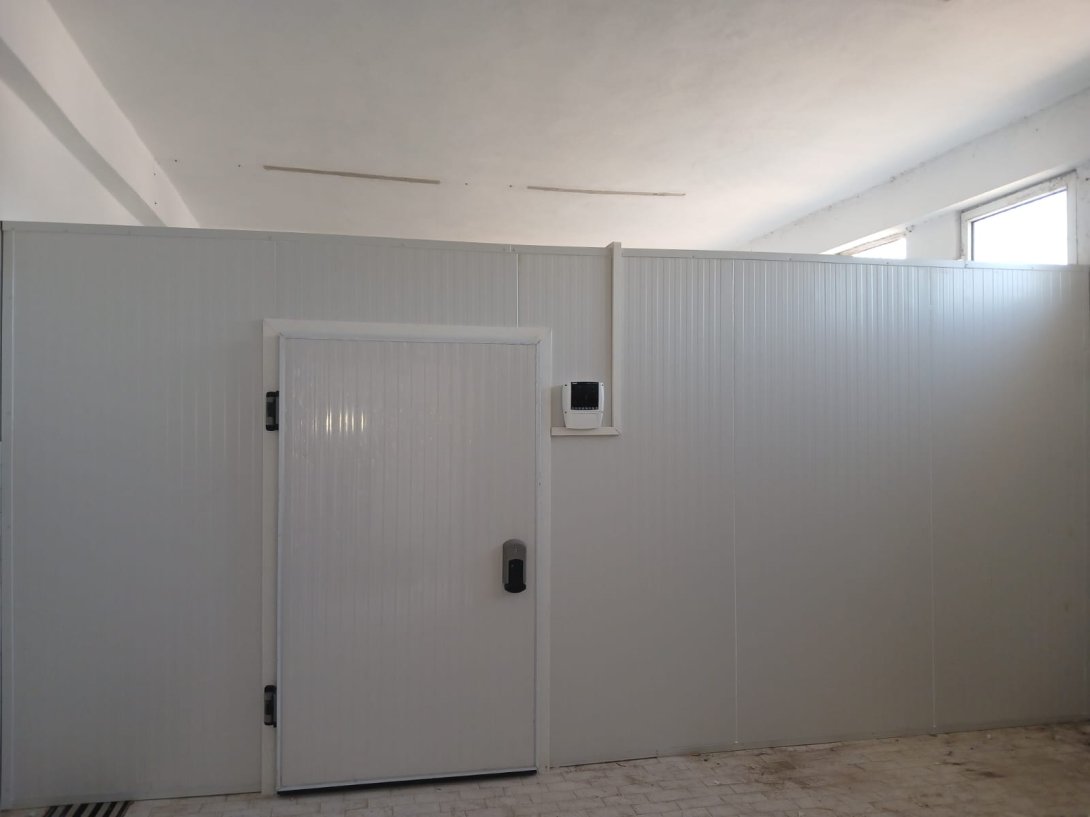
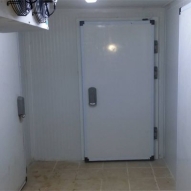
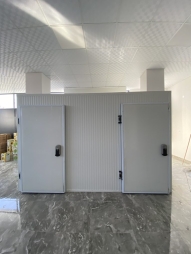
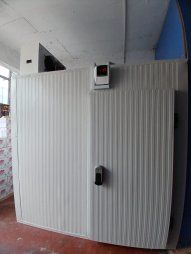
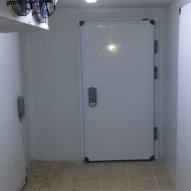
Freezer Hinged Door for Frozen Room Access Without Drift

Reduce temperature drift, frost buildup, and workflow delays with the right freezer hinged door for frozen rooms, high-traffic operations, and cleaner daily access.

Freezer Hinged Doors for Frozen Room Access Without Drift

A freezer hinged door is the right choice when a frozen room needs tight thermal control, dependable daily access, and a door that seals consistently after repeated use. In real operations, access problems rarely begin as a catastrophic failure. They begin as drift, frost, slow closing, gasket fatigue, and a room that gradually becomes harder to manage.

That matters because frozen room performance is shaped by every opening cycle. If the entrance does not match traffic, cleaning routines, cart movement, and temperature pressure, the room may still function, but it starts costing more attention, more labor, and more confidence than it should.

The Point Where Freezer Room Access Begins to Break Down

In many facilities, the room itself is not the weak point. The weak point is the access point.

A freezer room can be built with the proper insulation package and cooling capacity, but it may still experience issues during daily use because the door system does not align with how the room is actually operated. This mismatch typically manifests initially through subtle details. The door closes, but it is not as reliable as before. The seal makes contact, but it is not uniform. Frost begins to form around the perimeter. During peak periods, staff may start pulling the door harder, closing it more slowly, or leaving it open longer than intended.

For those working in food production, distribution, supermarkets, commercial kitchens, and storage areas, this is not merely a cosmetic issue. It affects temperature stability, hygiene standards, workflow efficiency, and the overall feel of the room during daily use.

When several contributing factors come together, access to the freezer room becomes more difficult: 

  • Frequent entry by staff during picking or restocking.
  • Movements of hand carts, racks, or pallet jacks passing through the opening.
  • Washing or routine cleaning requirements.
  • Strict temperature maintenance requirements.
  • Ice and condensation around the threshold and frames.
  • Hardware fatigue caused by repeated opening cycles.

A door that seems acceptable on the first day can become an operational obstacle six months later.

The Cost of Choosing the Wrong Door

Even if a door is technically functional, it can still be the wrong choice.

This is one of the most common purchasing mistakes made in freezer environments. The door may maintain temperature adequately during low activity, but weaknesses emerge once actual traffic begins. A door that is too lightweight for the application, ill-suited to the opening width, or lacking sufficient features for freezer conditions begins to create friction that spreads throughout the entire operation.

The risk is rarely limited to a single point of failure. It typically manifests as a chain reaction.

A weak or unsuitable freezer door can lead to: 

  • Increased temperature deviation during repeated access.
  • Increased ice buildup in the frame, gasket, or threshold areas.
  • Slower movement of personnel during peak hours.
  • Increased maintenance burden on gaskets, hinges, and closing hardware.
  • Reduced confidence in cleanliness in visible backroom areas.
  • A stronger sense that replacement may occur sooner than expected.

Therefore, freezer access decisions should not be reduced solely to door panel size or panel thickness. The right choice must support the entire workflow of the room.

The Logic of Hinged Freezer Doors in Freezer Applications

A hinged freezer door makes sense in situations where the operation requires controlled and repeated access without making opening the door overly complicated.

When properly implemented, hinged freezer doors offer a strong balance between airtightness, daily usability, and long-term reliability. These doors are particularly effective in situations where teams need to reliably enter through a specific opening but do not necessarily require the wider lateral clearance or track system associated with sliding formats.

However, suitability depends on how the room is used.

If the opening primarily serves personnel traffic, light cart movement, and repeated but manageable entry cycles, a hinged configuration typically offers a cleaner ownership model. It may be easier to monitor, maintain, and integrate into a freezer room with disciplined access routines.

If the opening is wider, traffic is heavier, or hand trucks are constantly moving in and out, the decision requires closer evaluation. In these cases, the issue isn’t whether a hinged door will work. The question is whether it will remain the most efficient option over time.

Hinged vs. Sliding Doors for Freezer Room Access

The most useful comparison is not between “better” and “worse.” It is between more suitable and unsuitable.

A hinged freezer door is generally a more robust choice for operations requiring controlled access, narrower room spaces, and predictable daily use that demands direct, secure sealing. A sliding alternative may be more suitable for wider openings, frequent wheeled traffic, or layouts where the door’s swing radius poses an obstruction.

That is the practical difference in decision-making.

Decision FactorFreezer Hinged DoorSliding Freezer Door
Daily access patternBest for regular personnel entry and moderate cart useBetter for wider openings and heavier traffic flow
Seal confidenceStrong sealing pressure when properly specifiedStrong performance when track and alignment are maintained
Space requirementNeeds swing clearanceSaves swing space at the opening
Maintenance logicSimpler hardware path in many applicationsMore components to monitor in high-use environments
Traffic suitabilityGood for controlled freezer room accessBetter for high-volume movement and larger equipment passage
Best fitKitchens, prep zones, smaller frozen storage, back roomsDistribution areas, larger storage rooms, busy cart routes

The wrong mindset is to make a choice based solely on the type of opening. The correct mindset is to make a choice based on traffic behavior, the opening, the sealing requirement, and long-term use.

What Actually Prevents Leaks

Access to a frozen room without leaks is not achieved by a single feature. This depends on how the door package functions as a whole.

In real freezer environments, performance depends on how well the door resists temperature rise during entry, whether it quickly returns to a sealed state, and whether it maintains this during repeated use. Therefore, a good freezer hinged door design is more about systems thinking than brochure text.

The key factors contributing most significantly to performance are typically:

  • An insulated door panel suitable for freezer conditions.
  • A reliable perimeter gasket that maintains consistent contact.
  • Robust hinge hardware designed for repeated cycles.
  • Appropriate frame and threshold details for areas prone to icing.
  • Appropriate closing pressure without unnecessarily complicating daily use.
  • Viewing panels, kick plates, and protective details where traffic requires them.

In many freezer rooms, leaks do not result from a single dramatic misuse. They stem from small delays and minor losses repeated throughout the day. A door that closes slightly more gently, provides slightly less consistent sealing, or accumulates slightly more ice gradually alters the room’s performance.

This is where application experience becomes crucial. The Freezewize Refrigeration System approach demonstrates its greatest impact when the door is treated not as an independent accessory, but as an integral part of the room’s operational environment. This involves examining the opening dimensions, traffic patterns, temperature range, cleaning frequency, stress on the hardware, and how adjacent panels and floor conditions support the entrance over time.

Operational Details Often Overlooked by Buyers

Purchasing discussions typically focus on door size and insulation, but experienced facility teams often know that the real issues lie elsewhere.

One overlooked detail is traffic type. A door designed for staff access behaves very differently from one in mixed traffic involving hand trucks, vehicles, mobile racks, or pallet movement. Another is cleaning demands. A room in a controlled storage area faces a different daily workload than a freezer attached to a food processing facility or a visible supermarket backroom.

Buyers also underestimate the impact of presentation and inspection. A freezer entrance that looks prematurely worn, has ice buildup around the frame, or is becoming difficult to clean can lower the room’s overall standard—even if it remains functional.

Therefore, the following should be considered in a professional purchasing decision: 

  • How frequently the opening is used per shift.
  • Does wheeled traffic pass through the door?
  • How much clearance is available?
  • Does the threshold area remain clean and dry?
  • How important are appearance and visible hygiene?
  • How much maintenance tolerance does the facility actually have?

A door that requires too much attention is rarely a sound long-term investment.

Quick Decision Guide

Select a freezer hinged door in the following situations: 

  • The room has controlled daily access rather than constant high-volume traffic.
  • Reliable sealing is required in a standard opening.
  • If an opening clearance is available.
  • If ease of maintenance is important.
  • If the facility values a clean and orderly access point.

Re-evaluate the features in the following situations: 

  • If the opening frequently accommodates hand truck or pallet jack movement.
  • If the door is wide and heavily used.
  • If the area is at risk of repeated impact.
  • If staff tend to keep the door open during heavy workflow.
  • If the layout makes opening and closing the door difficult or disrupts workflow.

Prioritize advanced features in the following situations: 

  • If the room operates under harsh freezing conditions.
  • If frost control on the frame and threshold is critical.
  • If the opening is part of a hygiene-sensitive environment.
  • If the door will be used repeatedly across multiple shifts.
  • If visual appearance and background presentation are important for inspections or brand standards.

Related Solutions

If this topic applies to your application, you should generally review the following related solutions at the same time:

  • Sliding freezer doors for wider openings and heavy cart traffic.
  • Insulated panels for cold rooms to provide full coverage around the freezer entrance.
  • Heated frame and threshold details for access points prone to freezing.
  • Impact protection and baseboard options for high-traffic back-of-house operations.
  • In high-traffic areas, visibility panels and safety visibility details.
  • Cold room and freezer equipment packages for more consistent long-term performance.

FAQ

Is a hinged freezer door suitable for freezer rooms with heavy traffic?

It may be, but only if the traffic profile remains compatible with a hinged format. For wider openings or continuous wheeled movement, another door configuration may be more efficient in the long term.

What causes temperature deviation around a freezer room door?

The most common causes include repeated opening cycles, poor seal contact, ice buildup, delayed closing, and hardware or gasket wear that reduces consistent environmental performance.

Can a hinged freezer door accommodate the movement of vehicles and light equipment?

Yes, it can work in many applications. The key is to match the opening width, threshold conditions, protective details, and traffic frequency with the actual usage pattern.

When is a hinged freezer door the wrong choice?

It becomes the wrong choice when the swing clearance is limited, the door is exposed to heavy or continuous traffic, or daily movement patterns make it difficult to maintain consistent closing and sealing.

What are the most critical details for the long-term performance of a freezer door?

Insulation quality, seal reliability, hinge durability, frame condition, threshold details, and the door’s overall suitability for the room’s traffic patterns are more important than superficial product claims.

How can buyers reduce the need for replacement over time?

By selecting a door based not just on nominal dimensions, but on actual operating conditions. A properly matched door typically reduces wear, minimizes maintenance friction, and maintains freezer room standards for a longer period.

Conclusion

Access to the freezer room without leaks depends not on the door design itself, but on whether the opening is determined based on the room’s actual operating conditions.

The right decision is simple: select a freezer hinged door only when its sealing logic, traffic compatibility, and daily usage patterns align with the room’s requirements.

When the entrance is selected appropriately for operation, managing and maintaining the freezer becomes easier, and daily performance becomes more reliable. If you are evaluating a freezer room project or planning a renovation, this is the stage where a practical technical review can prevent issues that could otherwise persist for years.

Fill the Form!

Write your needs and fill the form to contact us.

Freezewize | Industrial Cooling Systems & Custom Cold Room Solutions
Merhaba, Size yardımcı olabilir miyiz ?
Whatsapp Destek