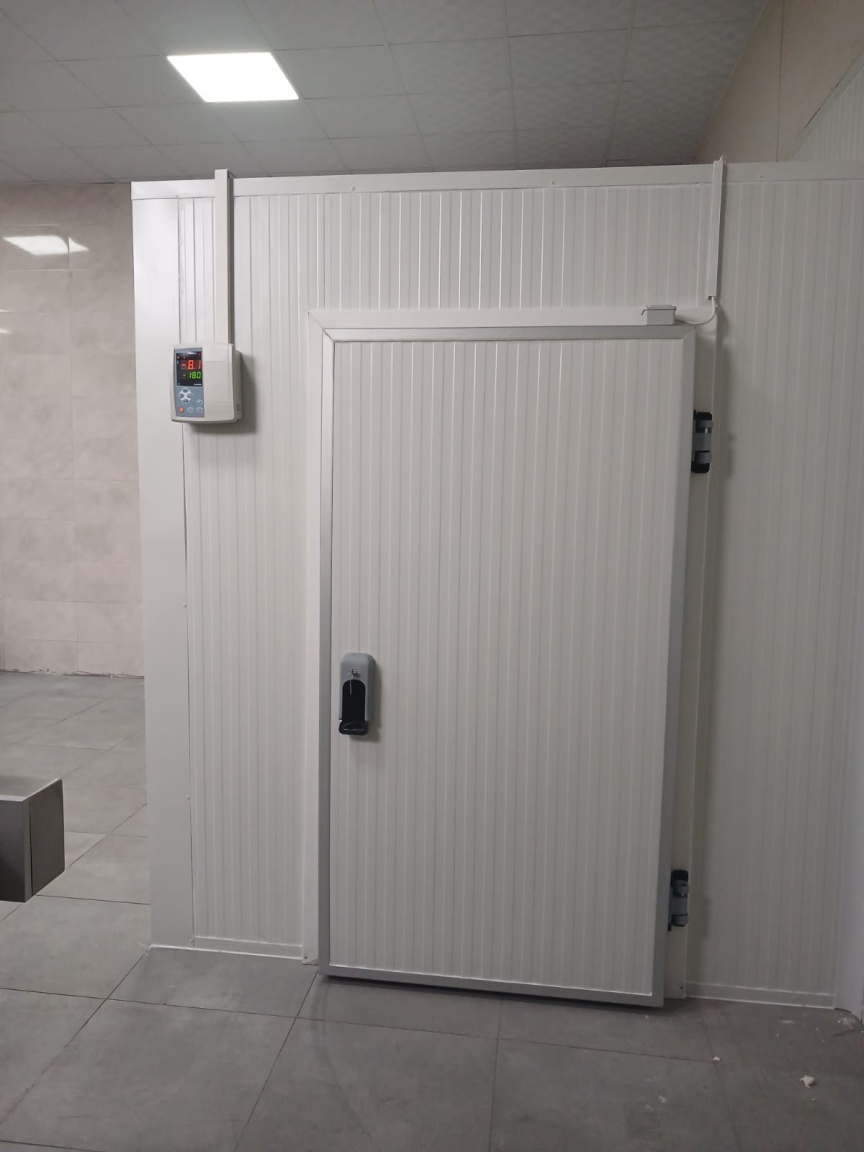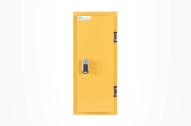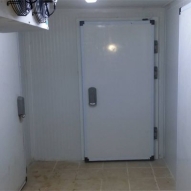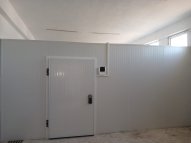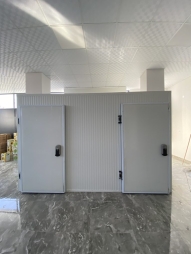





Entry Hardware Built for Freeze Cycles
Freezer Hinged Door Hardware Built for Freeze Cycles
Choose freezer hinged door hardware built for freeze cycles to improve seal reliability, reduce wear, and prevent downtime in hard-working cold rooms.
Freezer Hinged Door Hardware Built for Freeze Cycles
A freezer hinged door only performs as well as the hardware supporting it. In frozen environments, hinges, latches, closing components, strike areas, and sealing points are not minor accessories. They are the parts that absorb repeated opening cycles, cold contraction, harder closure pressure, and the daily handling stress that can turn a stable room into a maintenance problem.
That is why entry hardware built for freeze cycles matters so much. A door may look correct at installation, but if the hardware is not matched to freezer conditions, the opening usually starts losing precision first. The seal lands less evenly, the latch feels less clean, the door becomes harder to trust, and small access issues begin spreading into bigger operational problems.
When freezer door hardware begins to fail
In many facilities, door problems are attributed to the door panel, the gasket, or even the refrigeration system. Often, the real weakness lies in the hardware.
Freezer entry points behave differently from openings in cold rooms or ambient-temperature rooms. The door does more than just swing open and shut. It closes under higher thermal demands, repeated pressure, and a lower margin for error. Staff move quickly. Access cycles accumulate throughout the day. Carts pass nearby. Cleaning affects moving parts and surrounding contact points. Over time, all these stresses are borne by the components that control alignment, closure, and the consistency of the seal.
This is where freezer hinged doors begin to fall into two categories: those that continue to function rigorously, and those that slowly slide toward friction.
The first signs of stress on the hardware are usually subtle:
The latch begins to seem less effective.
The door closes, but not with the same assurance.
The gasket compresses unevenly on one side.
The hinges begin to show more visible strain.
Staff must exert more force than before to close the door.
Opening the door requires more frequent adjustments or inspections.
These are not merely cosmetic issues. They are early warning signs that the entry system is beginning to lose control.
Why Standard Hardware Doesn’t Hold Up in Cold Rooms
A common purchasing mistake is assuming that hardware only needs to withstand movement. In a cold room, it must also ensure consistent performance under cold conditions.
That is the key difference. Standard door hardware may function acceptably in moderate environments, but becomes the weak link as soon as temperatures drop and cycle frequency increases. Freezing conditions expose all weaknesses in hinge support, latch behavior, strike precision, seal pressure, and closing repeatability. A component that seems suitable for moderate use can become a daily source of resistance in freezing applications.
This is particularly important in environments where the door is opened repeatedly and where there is no room for uncertainty. Food processors, supermarkets, distribution centers, cold storage operators, kitchens, and high-traffic back-of-house service areas need more than just a door that opens. They need a door that returns to the same closed and sealed position every time.
If the hardware isn’t designed for freezing cycles, the opening often becomes harder to manage long before anyone identifies it as a hardware issue.
The real risk of undersized entry hardware
A freezer door can remain technically functional even as the hardware is already causing costs.
This is what makes this problem so easy to underestimate. The door still opens. The room stays cold. The project still seems complete. But the entry point begins to lose reliability in ways that affect labor, frost control, maintenance workload, and long-term cost of ownership.
The risks typically manifest as daily operational losses:
- Slowdown in workflow at a door that no longer seems to operate smoothly or precisely.
- Additional maintenance time spent correcting alignment, closing, or latching issues.
- Increased wear on seals because contact is no longer uniform.
- Increased frost pressure around fragile sealing areas.
- Earlier-than-expected replacement of components.
- Reduced confidence in a high-traffic access point.
- A growing sense that the opening wasn’t robust enough for the actual application.
This is why entry hardware should never be considered a secondary specification. In real-world freezing operations, it is an integral part of the chamber’s performance logic.
Freezing cycles are a game-changer
The most useful comparison is not between expensive hardware and budget hardware. It is between general-purpose hardware and hardware designed for freezing.
A freezer-appropriate door hardware configuration is not valuable because it appears more robust. It is valuable because it maintains alignment, closure, and sealing under the repeated mechanical and thermal stresses of freezer use. The decision must be based on suitability, not appearance.
| Decision Factor | Standard Entry Hardware | Hardware Built for Freeze Cycles |
|---|---|---|
| Daily cycle tolerance | Better for lighter, moderate use | Better for repeated freezer access |
| Seal consistency over time | More vulnerable to drift | Better support for repeatable closure |
| Latch and strike precision | Can decline faster in frozen use | Better suited to cold-driven stress |
| Hinge stability | Acceptable in lighter duty | Stronger for heavier insulated door loads |
| Maintenance pattern | More reactive over time | More controlled in demanding service |
| Best fit | Lower-intensity openings | Freezer rooms with repeated daily operation |
This comparison becomes even more important when the door is subjected to heavy-duty use. The more frequent the opening cycles, the less room there is for hardware that only functions under ideal conditions.
What “hardware designed for freezer cycles” really means
This phrase should mean more than just “heavy-duty.” It should describe a hardware assembly that maintains a stable opening under actual freezer operating conditions.
In practice, this generally means that the hinged freezer door is supported by components designed to preserve the geometry, maintain the integrity of the latch, and maintain constant sealing pressure over time. The hardware must not only withstand movement. It must help the door return to the correct closed position every time, even after numerous cycles and imperfect handling.
A high-quality hardware assembly for freezer doors often includes:
- Hinges suited to the weight of the insulated door and the frequency of cycles.
- Locking components that maintain a consistent seal.
- Striker and contact areas designed for repeatable engagement.
- Closing behavior that minimizes partial closures.
- Finishes and build quality suited to the demanding use of cold rooms.
- Support elements that protect alignment rather than requiring constant adjustments.
- Seal contact logic that works with the hardware rather than against it.
This is where successful installations stand out from disappointing ones. The best results generally come from treating entry hardware as an integral part of the access system, rather than as a collection of separate parts.
The choice of hardware has implications that go beyond reliability
When cold room entry hardware is properly selected, the benefits extend beyond mere mechanics.
The room feels more controlled. Staff have greater confidence in the door. The door closes with less hesitation. The seal behaves more predictably. Maintenance teams spend less time revisiting the same access issues. Even hygiene and presentation improve, as the entry point looks and behaves like a stable, functioning component rather than one under strain.
This matters in environments visible behind the scenes and in operations subject to inspections. A cold room entrance that appears loose, misaligned, or uneven undermines the credibility of the entire room. A well-supported opening does the opposite. It reinforces the idea that the installation was designed with real operating conditions in mind.
That is why the quality of the hardware is not just a technical issue. It also shapes the day-to-day experience of the room.
The best solution starts with adapting to the application
Choosing the right hardware depends on how the freezer door is actually used.
A small room with limited staff access does not place the same demands on the hardware as a high-traffic entry point associated with order picking, food handling, or repeated stock movements. Buyers who make the right choice generally start with the operating conditions, not the catalog page.
This involves asking practical questions:
- How many times will the door open and close during a normal shift?
- Is traffic primarily staff, or does it include nearby carts and shelving?
- Does the team move quickly under production pressure?
- How important is it that the door closes without hesitation?
- How much downtime can the facility reasonably tolerate?
- Is the opening part of a room where appearance, hygiene, and readiness for inspections are important?
Once these answers are clear, the selection of hardware becomes more precise.
This is where the Freezewize cooling system approach truly shines. In freezing applications, the best decisions regarding entry hardware generally stem from understanding the operational load around the opening, then designing the door system based on that load, rather than treating the hardware as a secondary consideration.
Quick Decision Guide
Choose hardware designed for freezing cycles when the freezer’s hinged door is subject to repeated daily use, when consistent sealing is critical, and when the facility aims to reduce maintenance friction over the long term.
Opt for a higher-performance hardware assembly when the opening features a heavier insulated door panel, more frequent cycles, or higher requirements for clean, repeatable closing under actual operating pressure.
Pay particular attention to the hinges, latch engagement, consistent closing, and stability of the strike side when the room is part of a high-volume operation where minor access issues quickly turn into workflow problems.
Reevaluate the overall door strategy if the opening is unusually wide, heavily congested, or exposed to traffic flows that result in repeated stresses exceeding what a swing-door system can effectively handle.
Related Solutions
If entry hardware is the primary concern, these related solutions are often worth considering alongside the freezer hinged door:
- Hardware assemblies for heavy-duty freezer doors.
- Insulation panels for freezer walls and ceilings.
- Details on thresholds and frames for openings prone to frost buildup.
- Baseboard and impact protection options.
- Sliding freezer doors for wider or higher-traffic openings.
- Visibility panel solutions for staff walkways.
FAQ
Why is freezer door hardware more important than many buyers realize?
Because the hardware controls alignment, locking, closing, and seal integrity. In cold rooms, these functions directly affect reliability, frost control, and long-term maintenance costs.
Can standard door hardware work in a freezer?
It may work at first, but that doesn’t make it the right choice in the long run. Freezing cycles and repeated use often reveal the weaknesses of standard hardware much sooner than buyers realize.
What are the first signs that the hardware isn’t holding up well to freezing cycles?
Typical signs include a door that’s harder to close, a less secure lock, uneven seal compression, an increased need for adjustments, and a door that no longer seems to function precisely in daily use.
Is the choice of hardware based primarily on durability?
Durability is important, but the biggest challenge is consistency. Good freezer hardware allows the door to return to the correct sealing position every time, even under real-world operating conditions.
When should an installation upgrade its entry hardware specifications?
When the door undergoes frequent cycles, supports a heavier insulated panel, handles a heavy workload, or operates in a room where tolerance for service interruptions and seal failure is low.
Does higher-quality hardware reduce the cost of ownership?
In many cases, yes. Better-suited hardware often reduces maintenance requirements, extends operational reliability, and lowers the risk of premature replacement due to repeated access issues.
Conclusion
In a cold room, door hardware is not a minor detail. It is one of the key factors determining whether a door remains reliable or begins to exhibit operational issues on a daily basis.
If the hardware is not designed for freezing cycles, the door may still open, but it will not remain operational for long.
When planning a new installation or replacing a poorly performing cold room entrance, the best approach is to jointly evaluate the demand for opening cycles, the performance of the seals, the stability of the hardware, and maintenance requirements. This is how cold room doors remain reliable once put into service.