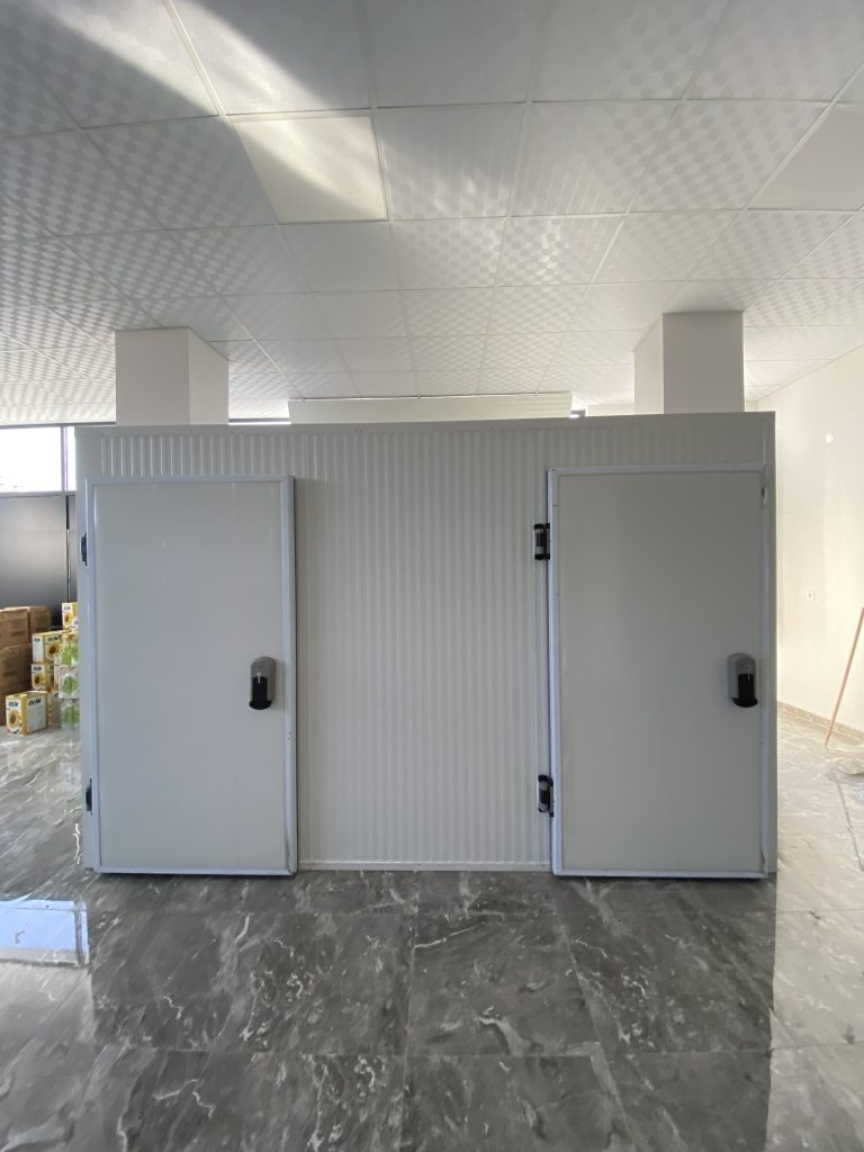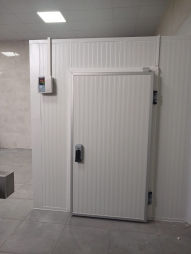





Swing Clearance in Packed Work Zones
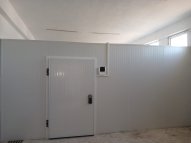
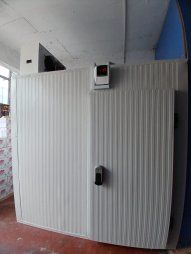
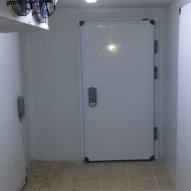
Freezer Hinged Door Swing Clearance in Packed Work Zones
Choose the right freezer hinged door for packed work zones by balancing swing clearance, traffic flow, seal reliability, and long-term operational fit.
Freezer Hinged Door Swing Clearance in Packed Work Zones
A freezer hinged door can be the right solution in a packed work zone, but only when swing clearance is treated as an operational issue rather than a simple layout note. In tight freezer environments, the real question is not whether the door can open. It is whether it can open without slowing staff movement, interrupting cart paths, creating safety friction, or forcing the room to work around the door.
That matters because crowded work zones expose every weakness in access planning. A door that seals well but swings into traffic, blocks staging space, or complicates daily handling may still be technically correct, yet still be the wrong choice for the operation.
Where the Opening Clearance Becomes a Real Problem
Many freezer openings are evaluated solely based on dimensions. Crowded work areas do not behave that simply.
In a high-traffic freezer adjacent area, the door is part of a dynamic system. Staff rush in. Vehicles are held near the opening. Shelves, boxes, pallet jacks, or prep tables may already be competing for space. Under these conditions, the opening clearance isn’t just about whether the door panel can fully swing open. It’s about whether that swing will disrupt the room every time the door is used.
That’s where the friction begins. The door may be functioning technically, but it starts to obstruct the workspace around the opening. Staff hesitate before opening the door. People wait for the opening to clear. Equipment is parked farther away than necessary. The product flow becomes more circuitous. The access point begins to shape the workflow in the wrong direction.
This typically manifests as:
- Congestion near the freezer entrance.
- Staff pausing or changing position during entry.
- Carts or shelves blocking the path to the opening.
- Reduced layout flexibility around the opening.
- Increased pressure on the door due to rushed operations.
- A room layout that feels narrower than it should be.
In other words, the problem isn’t just the door. The problem is the door’s poor interaction with a crowded workspace.
Why Do Crowded Workspaces Affect Purchasing Decisions?
A freezer door operating in an open backroom may perform poorly in a high-traffic production or storage area.
Therefore, in crowded work areas, greater importance should be placed on the door’s swing clearance than many buyers initially give it. In a spacious layout, living with a hinged door may be easy. In a narrow space with frequent staff movement and nearby equipment, the same door can constantly become a source of minor disruptions.
This becomes most critical in environments such as:
- Access to freezers in the back of supermarkets.
- Compact preparation and storage corridors.
- Small frozen product storage rooms near production lines.
- Commercial kitchens with limited circulation space.
- Distribution support areas where preparation and movement overlap.
- Cold rooms located near work tables, shelves, or moving equipment.
In these environments, the door opening affects labor efficiency just as much as temperature control. A cramped layout amplifies the impact of every access decision.
The Risk of Ignoring the Swing Clearance
A freezer door with hinges may perform well thermally but could still be an operational misstep.
This is a risk that buyers often realize too late. The door may be insulated, airtight, and properly manufactured for frozen conditions, but if the swing clearance is not suitable for the workspace, entry begins to cause problems every day. Staff learn to work around it. Equipment is placed in less efficient positions. Opening and closing movements become more abrupt. The entrance begins to feel more like an obstacle than an advantage.
The results are practical:
- Friction in the workflow during routine entry and exit.
- A decrease in speed in operations with tight timelines.
- Increased risk of impact on the edge, frame, or threshold.
- Increased equipment strain caused by rushed or interrupted movements.
- Decreased confidence in layout efficiency.
- A stronger sense that the room was not planned for its intended purpose.
- Pressure for maintenance and wear sooner than expected.
Even if a door is technically correct, it can hinder the room’s functionality.
Clearance Is a Compatibility Issue
The best way to think about clearance isn’t “Will this door fit?” but “Is this door compatible with how this area operates?”
This distinction is important. Some work areas can easily accommodate a hinged opening. Others cannot. If the door opens into an unused wall-edge area, traffic is light, and the surrounding layout remains open, a hinged freezer door may remain the cleanest and most practical option. If the door opens into a corridor, obstructs the preparation lane, or conflicts with daily movements, the issue is no longer product quality. This is an application mismatch.
The opening clearance should be evaluated by comparing it with the following:
- Direction and frequency of personnel traffic.
- Vehicle and shelf movement near the opening.
- Available floor space along the opening path.
- Whether the door opens into a work aisle or a service aisle.
- How frequently the area changes during active shifts.
- The facility’s tolerance for traffic disruptions and impact exposure.
Therefore, compact freezer areas require more disciplined planning than open warehouse conditions.
Comparison of Hinged Doors and Sliding Doors in Narrow Work Areas
In crowded work areas, the most useful comparison is typically between a hinged door and a sliding alternative.
A hinged freezer door is generally sensible when the opening has sufficient clearance, traffic patterns are predictable, and operations benefit from a direct, reliable seal based on the opening. A sliding solution typically becomes more appealing when floor space is limited, side clearance is available, and the opening must not obstruct daily movements.
| Decision Factor | Freezer Hinged Door | Sliding Freezer Door |
|---|---|---|
| Floor-space demand | Needs clear swing area | Reduces swing-path conflict |
| Fit in packed work zones | Good only when clearance is protected | Better when traffic and staging crowd the opening |
| Daily staff movement | Works well in controlled paths | Better when circulation is tight |
| Seal behavior | Strong when properly aligned and used | Strong when track and movement remain clean |
| Layout flexibility nearby | More limited around swing arc | Better for preserving usable floor area |
| Best fit | Defined entry zones with dependable clearance | Dense work zones with competing movement paths |
This does not mean a sliding door is always better. It means the opening clearance must be provided by the layout plan. If the layout plan cannot support the swing clearance without compromise, a hinged format may no longer be the most efficient choice.
How Can We Achieve a Better Solution?
The right solution begins by treating the freezer opening not as separate from the workspace, but as an integral part of it.
This means looking beyond the door panel and questioning how the entrance interacts with people, equipment, and adjacent tasks. In many projects, a hinged freezer door remains the best solution, but this applies only when the opening direction, clearance, door width, hardware load, and protection details align with the area’s actual usage patterns.
A setup that performs better typically includes:
- A hinged door sized appropriately for the opening and traffic flow.
- An opening direction selected to protect the main working path.
- Sufficient clearance for personnel to open and close the door without obstruction.
- Hardware suitable for repeated use in a confined environment.
- Kick plates or impact protection in areas where traffic is unavoidable.
- Threshold and frame details that do not impede movement.
- Viewing panel options where visibility enhances timing and safety.
This is where project-specific decisions become critical. The Freezewize Cooling System perspective is most beneficial when the entrance area is evaluated within the scope of the workspace. In crowded freezer environments, access design should support movement, not compete with it.
Cramped Layout Plans Also Increase Wear and Tear
Crowded work areas do more than just make access difficult. They also accelerate wear and tear.
When the opening clearance is limited, people tend to open doors more abruptly, close them at awkward angles, or maneuver in ways that increase pressure on hinges, edges, gaskets, and frames. Small layout conflicts turn into repeated work habits. Over time, these habits lead to more impacts, misalignment, and increased maintenance needs.
Therefore, door swing clearance should also be viewed as a lifecycle issue. A poorly positioned hinged door can wear out faster not because the door is weak, but because the workspace constantly causes incorrect interactions.
Quick Decision Guide
If the door opening path can truly remain clear, traffic is predictable, and the opening does not interrupt preparation, pre-processing, or material flow, opt for a freezer hinged door.
If the freezer entrance is located within a crowded corridor, next to shelves, near preparation stations, or along a route with rapid movement of carts, shelves, and personnel, exercise extra caution with the hinged door configuration.
If the opening is part of a compact backroom where the floor space is already used for multiple tasks, prioritize a layout review that focuses primarily on the opening.
If the workspace cannot consistently maintain the door’s swing path, or if the opening constantly conflicts with movement, equipment, or workflow efficiency, reconsider the door configuration.
Related Solutions
If the opening clearance is the primary issue, it is often helpful to review these related solutions alongside the main freezer door selection:
- Sliding freezer door options for narrower work areas.
- Cold room and freezer panel layouts that improve clearance.
- Footrest and impact protection details.
- Threshold solutions for areas with wheeled traffic.
- Visibility panel upgrades for active personnel areas.
- Heavy-duty freezer door hardware packages.
FAQ
Why is the opening clearance such a major issue in crowded work areas?
Because the door swing path directly conflicts with people, carts, shelves, and prep areas. In crowded areas, if the swing path isn’t protected, even a good freezer door can cause daily friction.
Can a hinged freezer door still work in a small room?
Yes, if the surrounding layout provides the door with a usable swing path and the opening does not cut across major traffic or work areas. The issue isn’t just room size; it’s how the space is actually used.
What are the first signs that the swing path is poorly planned?
Common signs include staff hesitation, traffic congestion near the opening, improperly parked vehicles, repeated contact with the edges, and a door that feels disruptive during normal operations.
Are sliding doors always better in tight freezer layouts?
Not always. If the layout supports it well, a hinged door can still be the right choice. Sliding doors become more appealing in situations where maintaining floor space flow is more important than the opening width.
Does insufficient opening clearance affect maintenance?
Yes. Improper movement patterns, sudden use in tight spaces, and repeated contact can increase wear on hinges, gaskets, edges, and frames.
How should buyers evaluate the opening clearance before selecting a door?
They should assess the traffic direction, equipment movement, nearby workstations, opening frequency, and whether the opening path remains clear not only in a blank floor plan but also under actual working conditions.
Conclusion
In high-traffic work areas, the opening clearance is not a minor design detail. It is one of the clearest indicators of whether a freezer hinged door will be practical for the room.
If the opening path conflicts with the work area, the clearance is not truly suitable for operations.
When planning a new freezer room or modifying an existing access point, the most prudent step is to evaluate the opening by considering traffic flow, usable floor space, exposure to impact, and daily movement patterns together. Access to the freezer remains efficient, safe, and practical in crowded environments in this way.