




Freezewize | Industrial Cooling Systems & Custom Cold Room Solutions

Cleaner Finishes for Demanding Facilities

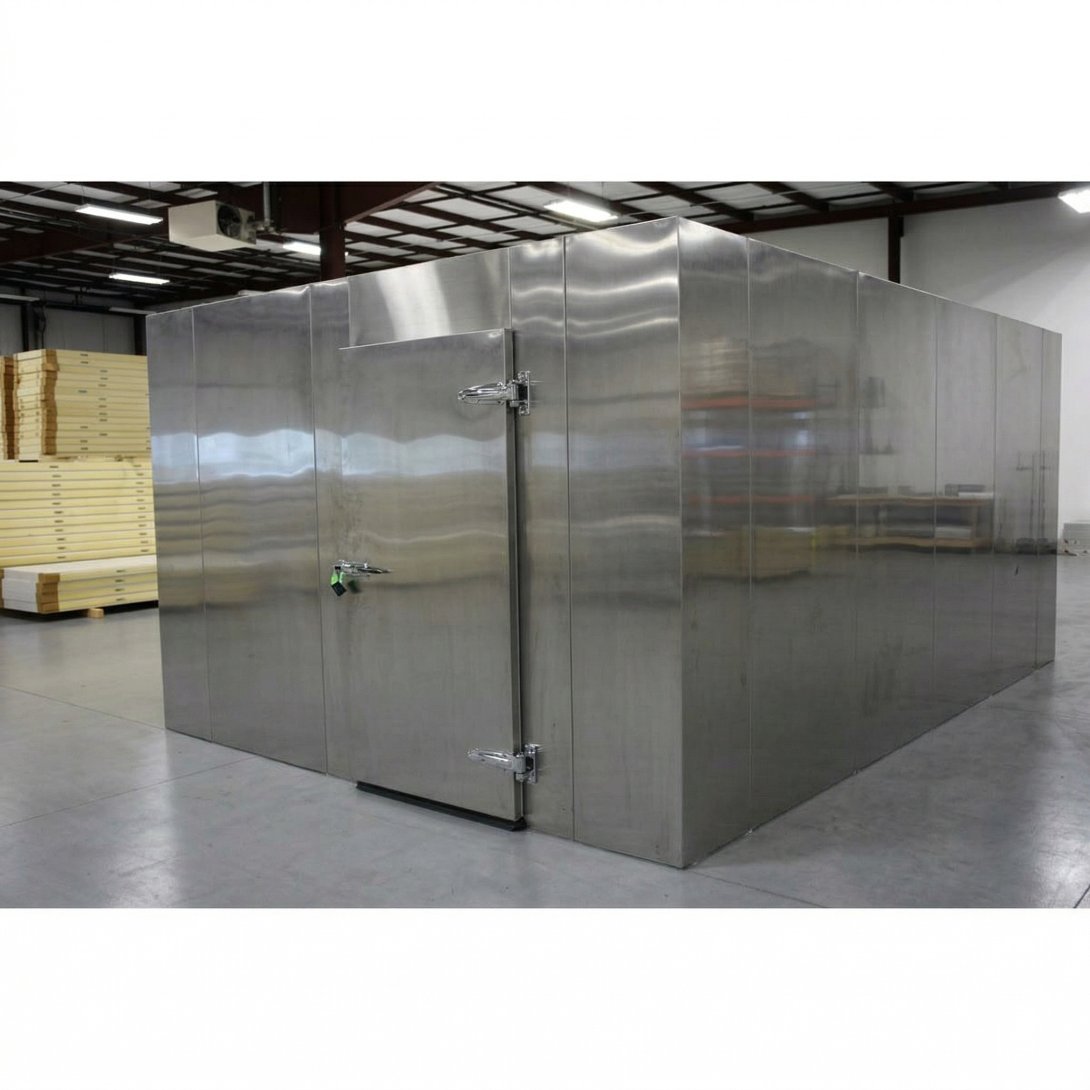
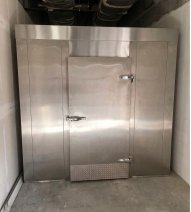
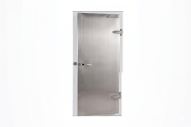
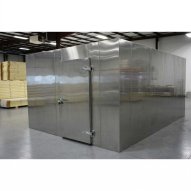
Cleaner Finishes for Demanding Facilities | Stainless Steel Cold Storage Door

Improve hygiene, reduce visible wear, and simplify cleaning routines with a stainless steel hinged cold storage door built for demanding facilities.

Cleaner Finishes for Demanding Facilities

A stainless steel hinged cold storage door is often the right choice when a facility needs a cleaner-looking, easier-to-maintain opening that can hold up under heavy use, frequent cleaning, and strict hygiene expectations. In demanding environments, finish quality is not a cosmetic detail. It affects sanitation, maintenance pressure, and how the entire cold room presents over time.

That matters because the door opening is one of the first places where wear becomes visible. Even when the room still performs thermally, a poor finish can make the opening harder to clean, quicker to age, and less aligned with the standards expected in food processing, commercial kitchens, supermarkets, and refrigerated work areas.

Coating Issues Typically Emerge Before the Door Fails

In many facilities, the first sign of a poor door choice isn’t a broken part. It’s a surface that stops looking good under real-world daily use.

This situation is particularly common in cold storage openings exposed to constant handling, washing routines, moisture, and repeated contact with carts, shelves, pallet jacks, and equipment along the edges. A coating that appears acceptable during installation may begin showing signs of wear long before the door loses its functionality. Scratches become harder to clean. Surface consistency begins to break down. Contact points around hinges, trim, and the bottom section start to look more worn than the rest of the room.

For facility managers and contractors, this goes beyond a mere visual issue. In demanding facilities, the condition of the finish affects labor time, inspection reliability, hygiene perception, and long-term ownership costs. When an opening begins to look older than the surrounding room, teams often conclude that the finish is inadequate for the environment.

That’s why cleaner surfaces matter. They support not only appearance but also daily operational control.

Why Demanding Facilities Need More Than Basic Durability

A cold storage bay in a light-duty setting can be managed with a simpler structure. A demanding facility usually cannot.

In food production, prep areas, refrigerated backrooms, distribution support zones, and high-traffic commercial kitchens, the bay is under constant strain. Staff pass through here with wet hands and equipment. Cleaning crews regularly use chemicals and water. Traffic causes repeated contact at predictable stress points. Cycles of hot and cold air affect exposed surfaces. Small weaknesses in the coating quickly become apparent.

Risk isn’t always dramatic damage. More often, it’s gradual operational friction: 

  • Spending more time cleaning the same areas.
  • Surfaces that no longer look consistently hygienic.
  • Visible wear in areas subject to inspection.
  • Increased maintenance focus around exposed components.
  • Replacement planning that occurs sooner than initially anticipated.
  • A facility presentation that begins to feel subpar.

Even if a door is technically functional, it may still be the wrong door. In demanding facilities, this is often exactly what happens when the coating is not suited to the environment.

Cleaner Coatings Support Not Just Appearance, But Hygiene Too

In hygienic cold storage facilities, coating selection should never be an afterthought. The condition of the surface affects how easily the door can be cleaned, how well it maintains a professional appearance, and how reliably the facility can sustain a consistent standard over time.

This is where stainless steel becomes a practical solution. A stainless steel hinged cold storage door provides a surface better suited for repeated cleaning, visible hygiene expectations, and long-term use in wet or high-contact conditions. This helps the entrance look more durable over time and reduces the risk of the door becoming the first part in the room to show signs of wear.

This is important in the U.S. market, where many buyers strive to balance hygiene, labor efficiency, maintenance burden, and aesthetic presentation simultaneously. A cleaner finish isn’t just about making the opening look better—it’s about helping to simplify the management of the room.

Hinged Access Still Makes Sense in High-Standard Environments

For many demanding facilities, the hinged door remains the most practical cold storage access format. It integrates easily into rooms where staff need reliable, daily movement without unnecessary complexity-directly and intuitively.

This is particularly true for refrigerated rooms, chilled areas on the prep side, supermarket back-of-house areas, food service operations, and production areas with controlled access. In these applications, it is not enough for the door to simply provide a seal. It must withstand repeated use, maintain a clean appearance, and not become a maintenance issue.

A stainless steel hinged cold storage door performs well here because it combines a practical access format with a more durable finish. While the design remains simple to use, it gains better long-term resistance against wear patterns that cause lower-grade doors to wear out prematurely.

Stainless Steel vs. Standard Finish Logic

When comparing coating options, buyers typically don’t choose between good and bad. They choose between what is acceptable now and what will remain suitable in the future.

Decision FactorStainless Steel Hinged Cold Storage DoorStandard Lower-Spec Finish
Cleaning compatibilityBetter suited for frequent cleaning and washdownCan become harder to keep looking consistent
Visible wear resistanceStronger long-term appearance in demanding areasMore likely to show aging sooner
Hygiene presentationSupports a cleaner, more controlled lookCan weaken presentation over time
Maintenance pressureHelps reduce finish-related upkeep burdenMore likely to require corrective attention
Suitability for demanding facilitiesStronger fit for high-standard operationsBetter only in lighter-duty environments
Ownership logicUsually better long-term value under real pressureCan seem cheaper only at the purchase stage

This comparison is important because demanding facilities rarely evaluate a door based solely on its initial cost. They evaluate how well the door holds up when exposed to daily traffic, cleaning, and operational scrutiny.

A Better Finish Starts with a Better Entryway Strategy

Finish quality alone does not solve every problem. A door that looks cleaner still requires a well-planned entryway area around it.

This includes the frame, hinges, latch hardware, threshold, gasket condition, sight panel requirements, panel connections, and all protective elements necessary for vehicle or shelf traffic. If these details are weak, even a high-quality finish will struggle against preventable operational stress.

A stronger entrance strategy typically includes: 

  • Stainless steel in areas where surfaces are repeatedly exposed to contact or washing.
  • Hardware selected for frequent use and wet conditions.
  • Seals that support both sealing performance and easier cleaning.
  • Thresholds that reduce residue buildup and movement friction.
  • View panels where safe personnel flow is critical.
  • Protective features in areas where vehicle collisions are frequent.

This is where attention to technical specifications is crucial. The Freezewize Cooling System typically treats challenging cold storage openings not as isolated door panels but as complete operational units; because cleaner surfaces only reveal their full value when surrounding details meet the same standard.

The Long-Term Cost of a Surface That Wears Out Quickly

Some buyers focus on whether a surface looks acceptable at the time of delivery. A more useful question is whether it will still look and perform appropriately after months of actual use.

In demanding facilities, the long-term cost of a poor finish becomes apparent through labor, maintenance, and replacement schedules. Cleaning crews spend more time on high-traffic areas. Operations teams notice that the entryway looks worn even if the rest of the room remains undamaged. Managers begin to question whether the entryway still reflects the facility’s standard. Eventually, discussions about replacement begin sooner than necessary.

Therefore, cleaner surfaces are not a luxury feature. In the right environment, they are a practical way to prevent slow, recurring losses in labor time, presentation quality, and property value.

Quick Decision Guide

If the facility expects the entrance to look cleaner, be easier to maintain, and remain more consistent under frequent daily use, choose a stainless steel hinged cold storage door.

It is generally the right choice in the following situations: 

  • If the opening is cleaned frequently
  • If the area is hygiene-sensitive or subject to inspection
  • If personnel, vehicles, or shelves pass through regularly
  • If the appearance of the visible back area is important
  • If the facility wants to reduce maintenance pressure related to the finish
  • If long-term property value is more important than the lowest initial price

A simpler coating is still acceptable in the following situations: 

  • If the opening is in a light-duty environment.
  • If cleaning frequency is limited.
  • If traffic is low.
  • If the room is less visible operationally.
  • If wear expectations are moderate.
  • If replacement timing is not a significant issue.

If the facility’s requirements are high, the cladding should be selected for long-term control rather than short-term acceptability.

Related Solutions

If cleaner cladding is part of the purchasing decision, it generally makes sense to review these related solutions alongside the door: 

  • Hygienic cold room panel systems.
  • Insulated cold room door solutions.
  • Freezer room door options for more demanding environments.
  • Heavy-duty hardware for refrigerated openings.
  • Threshold details for cleaner floor transitions.
  • Seal and gasket systems for hygienic cold rooms.
  • Viewing panel options for safer internal movement.
  • Impact protection for vehicle and rack traffic zones.

These details typically determine whether the opening will remain clean and intact after installation or begin showing preventable wear too early.

FAQ

Why is the quality of the finish on a cold storage room door so important?

Because the opening is exposed to repeated cleaning, humidity, contact, and traffic. In demanding facilities, coating quality directly affects cleanability, appearance, and long-term maintenance requirements.

Is stainless steel primarily a visual enhancement?

No. It also supports repeated cleaning, better long-term surface consistency, and stronger suitability for hygiene-sensitive environments.

Are hinged cold storage doors suitable for demanding facilities?

Yes, in most cases. Hinged doors remain a practical solution where access is frequent yet controlled, and where the opening must combine reliable operation with a cleaner, more durable finish.

What makes a facility “demanding” in terms of door surfaces?

Frequent washing, heavy daily use, wet conditions, regulatory pressure, visible back-of-house standards, and repeated vehicle or personnel traffic increase the demands on the door.

Can a surface issue create operational costs even if the door is still functioning?

Yes. While a door may remain functional, it can become harder to clean, its appearance may deteriorate, and it may require more maintenance; this increases labor costs and shortens its effective service life.

What else should buyers evaluate besides the door surface?

Frame structure, hardware durability, seal performance, threshold detail, impact resistance, and how the door integrates with the surrounding insulated panel system are also important.

Conclusion

Cleaner surfaces for demanding facilities are not just about appearance. They are about ensuring that cold storage openings are easier to maintain, have a more hygienic appearance, and align better with long-term operational expectations.

When facility standards are high, the door finish must be selected to maintain that standard under daily stress.

If you are planning a new cold storage room or replacing an opening that looks older than the surrounding area, it makes sense to review the entire door installation before wear and tear related to the cladding turns into a recurring maintenance and appearance issue.

Fill the Form!

Write your needs and fill the form to contact us.

Freezewize | Industrial Cooling Systems & Custom Cold Room Solutions
Merhaba, Size yardımcı olabilir miyiz ?
Whatsapp Destek