




Freezewize | Industrial Cooling Systems & Custom Cold Room Solutions

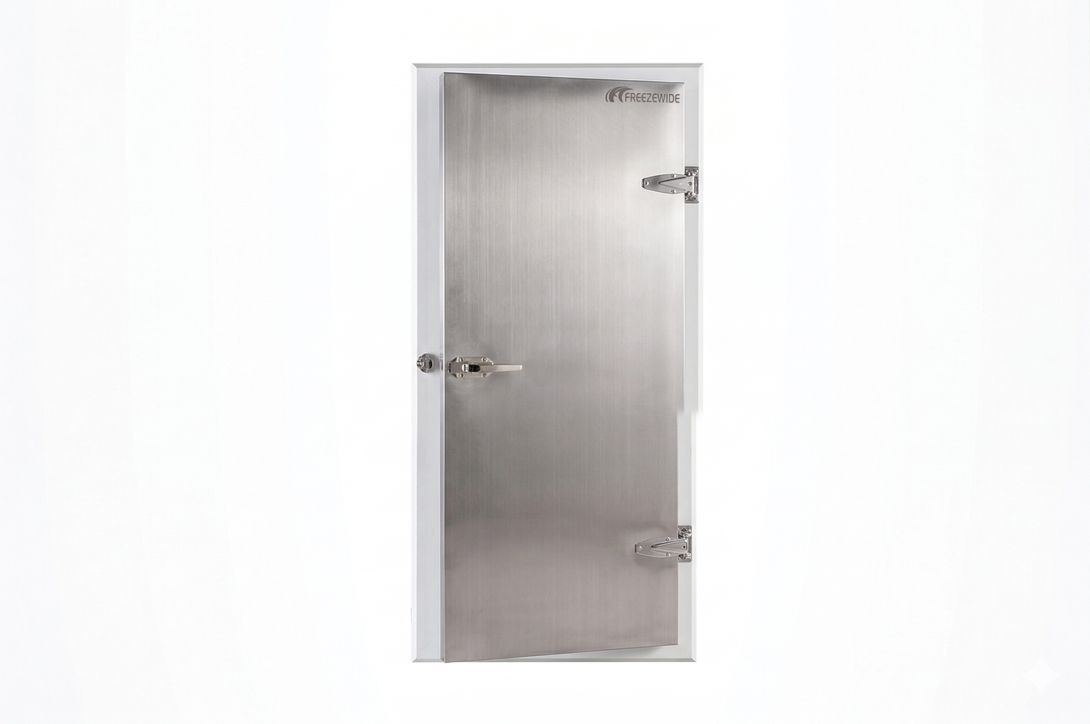
Heavy-Duty Swing Doors for Food Plants

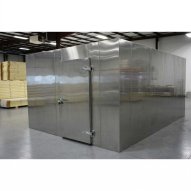
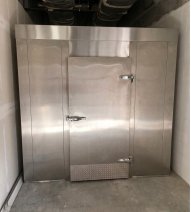
Heavy-Duty Swing Doors for Food Plants | Stainless Steel Cold Storage Access

Choose a stainless steel hinged cold storage door for food plants that need durable swing access, washdown-ready surfaces, and reliable daily performance under sanitation pressure.

Heavy-Duty Swing Doors for Food Plants

A heavy-duty swing door is often the right choice for food plants when the opening must handle repeated traffic, aggressive cleaning, and constant operational pressure without becoming a maintenance problem. In these environments, the door is not just an access point. It is part of sanitation control, workflow stability, and long-term room performance.

That is why a stainless steel hinged cold storage door makes sense in many food processing and refrigerated support areas. When staff, carts, racks, and cleaning crews all put stress on the same opening every day, lighter door specifications usually start showing their limits faster than expected.

Food Facilities Apply More Pressure Than Most Specifications Anticipate

In a food facility, the door opening is one of the room’s hardest-working components. It is touched, pushed, cleaned, and passed through all day long. Staff move quickly between refrigerated areas and production support areas. Carts, materials, packaged products, and hygiene supplies pass through. Cleaning routines are applied repeatedly to the same surfaces. Moisture accumulates around thresholds, trim, and hardware. Seals are compressed over and over. The risk of impact is not an occasional occurrence—it is part of the facility’s daily operations.

As a result, many standard cold storage doors, while they may seem acceptable during installation, prove disappointing under real production conditions. The room may still maintain its temperature, but the entrance begins to look worn, cleaning takes longer, and the door starts to feel like the weakest link in the system.

For food facility operators, this creates a practical problem. They aren’t buying a door for occasional use. They’re buying a door that must keep up with production pressures, hygiene expectations, and facility standards during every shift.

The Wrong Sliding Door Usually Fails Gradually

In food facilities, the wrong door rarely reveals itself through a single dramatic failure. Instead, it typically becomes a source of gradual wear and tear.

The opening may remain functional, but teams begin searching for workarounds to address the issue. The hardware requires more attention. The surface no longer looks pristine. Keeping the threshold clean becomes difficult. The door loses its initial sense of sturdiness. Managers begin to notice that the entrance is wearing out faster than the rest of the cold room.

This gradual deterioration is significant because it affects more than just appearance. It can lead to: 

  • Slower personnel movement during peak production periods.
  • Higher maintenance demands on hinges, latches, and gaskets.
  • More pronounced wear in areas subject to inspection.
  • Increased downtime during repairs or adjustments.
  • Additional cleaning labor around the opening.
  • Earlier-than-expected replacement planning.

A door that is technically still functional but creates a daily burden may still be a poor investment. In food facilities, such a burden spreads across labor, hygiene, and ownership costs.

Why Is Heavy-Duty Type Important in Food Processing Environments?

The term heavy-duty swing door should not be treated merely as a marketing label. In food facilities, it has a real operational significance.

A heavy-duty opening is engineered for repeated cycles, surface wear, wet cleaning, and frequent contact. It is not designed solely for insulation. It is designed for the conditions surrounding the opening. This typically includes reinforced hardware, a sturdier construction, more durable coating materials, reliable sealing, and details that help the opening remain stable even after thousands of daily uses.

This is particularly important in the following areas: 

  • Refrigerated processing support rooms.
  • Material preparation areas.
  • Refrigerated packaging zones.
  • Supermarket kitchen operations.
  • Commercial kitchen cold rooms.
  • Areas adjacent to food preparation and washing areas.

In these environments, the opening must maintain temperature, support hygiene, and withstand actual production movements. A lighter-duty solution often appears cheaper only at the point of purchase. Over time, it can become a more expensive option.

Swing Doors Still Meet Real Facility Workflow Needs

For many food facilities, swing doors remain the right access format because they provide direct and reliable movement without unnecessary complexity. When the opening serves staff traffic, carts, shelves, and controlled product flow, a hinged design may be the most practical option.

This is especially true in areas where operators need: 

  • Quick manual entry and exit.
  • Reliable closing and sealing.
  • Easier daily use.
  • Simpler service access.
  • Compatibility with washing routines.
  • A familiar entry style for busy teams.

The issue isn’t that every facility must use the same door. The issue is that when a door is designed not for general cold room use but to meet food facility conditions, hinged access still makes a lot of sense.

Heavy-Duty Swing Doors and Lighter-Duty Openings

When buyers compare options, the basic question is usually whether to choose a swing door or a non-swing door. The real question is whether the opening was manufactured to withstand the demanding conditions of a facility or a lighter commercial environment.

Decision AreaHeavy-Duty Swing Door for Food PlantsLighter-Duty Cold Room Opening
Daily cycle toleranceBetter for repeated staff and cart trafficMore likely to loosen or wear sooner
Washdown suitabilityStronger fit for aggressive cleaning routinesOften less suited to frequent sanitation exposure
Surface durabilityBetter long-term performance in wet, high-contact zonesMore likely to show early wear
Hardware resilienceDesigned for heavier operational stressCan require more adjustment and service
Inspection readinessSupports a more controlled sanitary appearanceMore likely to look tired over time
Ownership logicBetter long-term value in demanding facilitiesOften only cheaper upfront

Therefore, food facility buyers must look beyond just the door type. The real decision concerns suitability under production demands.

What Should the Right Door Package Include

A heavy-duty door is not merely a thicker panel or a stronger hinge. In food facilities, the opening must function as a complete package.

A well-designed stainless steel-hinged cold storage door typically includes durable coatings, reinforced hinges, hardware suitable for wet environments, reliable seal performance, threshold planning, and protective details designed for repeated contact. If even one of these areas is inadequately addressed, the door opening can become a point where cleanliness slows down and maintenance tasks begin to pile up.

The most robust door packages typically include: 

  • Stainless steel surfaces for environments where hygiene is critical.
  • Hardware designed for frequent opening and closing.
  • Seals that support both airtightness and ease of cleaning.
  • Threshold and floor details that minimize residue and water buildup.
  • Kick plates or impact resistance in areas where vehicles frequently collide.
  • Viewing panels that enhance staff visibility and enable safer movement.
  • Insulated wall panels and seamless integration with the surrounding structure.

This is where project evaluation becomes crucial. The Freezewize Cooling System typically treats food factory openings as part of a broader operational environment; because a door performs best when traffic, hygiene, and room layout are evaluated together.

Hygiene Pressure Changes the Logic of Purchasing

Food facilities do not purchase doors merely for access. They purchase them under the pressure of hygiene.

This changes how the opening should be evaluated. A door that is harder to clean, more prone to damage, or wears out faster does not remain a simple purchasing decision. It becomes a recurring labor and inspection issue. Hygiene teams spend more time on this. Maintenance teams are called in more frequently. Operations managers begin to notice the door for the wrong reasons during facility tours.

In facilities where hygiene is central to production reliability, the door must support this standard. Cleanable surfaces, durable hardware, reliable sealing, and consistent performance are not upgrades. They are part of the basic operational requirements.

Quick Decision Guide

When a door must withstand frequent daily use, regular washing, and visible hygiene standards without causing recurring maintenance issues, choose a heavy-duty swing door for a food processing plant.

It is generally the right choice in the following situations: 

  • If personnel are constantly passing through the opening.
  • If carts or shelves are moved in the room every day.
  • If cleaning routines are frequent.
  • If the area is inspection-sensitive.
  • If maintenance tolerance is low.
  • If long-term ownership value is more important than the lowest initial price.

A lighter-duty opening may still be suitable in the following situations: 

  • If traffic is limited.
  • If cleaning exposure is light.
  • If the room is not critical for production.
  • If visual wear is not a major concern.
  • If the opening is used only occasionally.
  • If replacement timing is not a significant issue.

If the opening serves the actual production flow, it should be specified as production equipment, not as a light commercial door.

Related Solutions

When specifying heavy-duty swing doors for food facilities, it is generally worth reviewing these related solutions at the same time: 

  • Hygienic cold room panel systems.
  • Insulated doors for refrigeration and freezer rooms.
  • Heavy-duty hardware for refrigerated openings.
  • Seal and gasket systems for cold storage facilities ensuring food safety.
  • Threshold details for hand truck and pallet jack traffic.
  • Viewing panels for safer internal movement.
  • Impact protection for high-contact door areas.
  • Washable surfaces for hygienic facility environments.

These details often determine whether an opening will remain functional after installation or begin requiring attention prematurely.

FAQ

What makes a swing door heavy-duty in a food facility?

Heavy-duty typically means the opening is designed for frequent cycles, repeated cleaning, higher risk of contact, and more demanding daily use. This includes a sturdier construction, more durable hardware, and better suitability for hygiene-focused environments.

Are swing doors suitable for food processing facilities?

Yes, they are suitable for many applications. Swing doors perform exceptionally well in refrigerated support areas, preparation rooms, material handling zones, and other facility areas where access is frequent yet controlled.

Why is stainless steel typically preferred for food facility doors?

Because it is better suited for wet cleaning, hygiene-focused environments, and long-term visual consistency under demanding usage conditions.

If it maintains temperature, could a standard cold room door still be the wrong choice?

Yes. In food facilities, thermal performance alone is not sufficient. If the door opening causes friction, visible wear, or repeated maintenance needs during cleaning, it can still be an operational misstep.

What are the most critical environmental details in a heavy-duty swing door?

Hinges, latch hardware, gaskets, threshold design, frame condition, impact protection, and connection to the insulated panel system—all are important. The door opening functions not as a single component but as a complete assembly.

When should buyers switch to a heavier-duty specification?

If the opening is exposed to heavy traffic, repeated washing, inspection pressure, or constant contact from vehicles, racks, and daily production movements, a heavier-duty specification is generally preferred.

Conclusion

Heavy-duty swing doors for food facilities are not about excessive reinforcement. They are about adapting the opening to the actual demands of production, hygiene, and daily operations.

If the door opening is part of the production rhythm, it must be designed to withstand that rhythm without becoming a weak point in terms of maintenance.

If you are planning a new cold room or replacing an opening that is already insufficient for the workload, it is worth reviewing the entire door system before the facility’s daily demands turn a simple access point into an avoidable operational cost.

Fill the Form!

Write your needs and fill the form to contact us.

Freezewize | Industrial Cooling Systems & Custom Cold Room Solutions
Merhaba, Size yardımcı olabilir miyiz ?
Whatsapp Destek