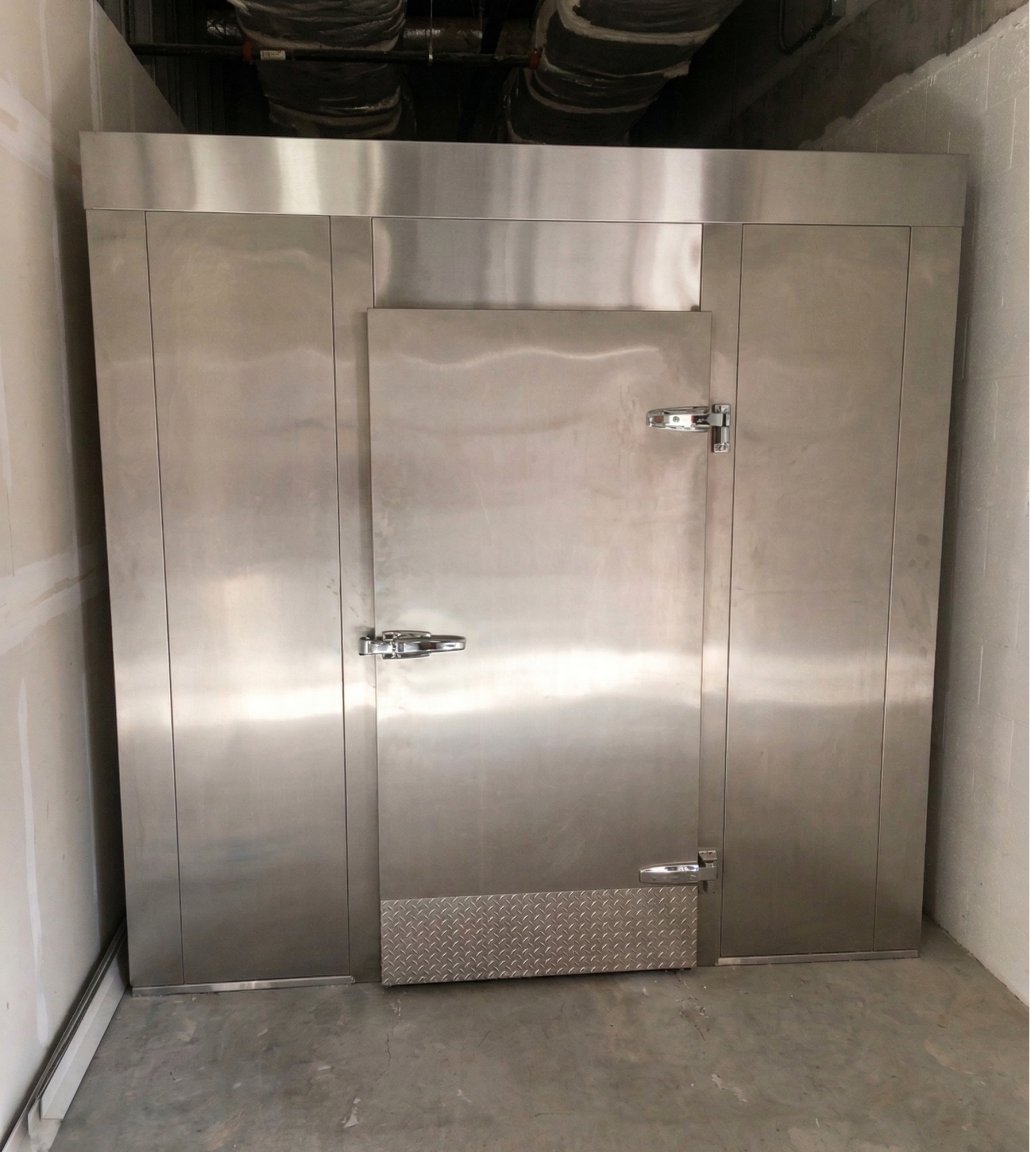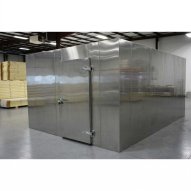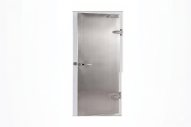





Stainless Steel Doors for Washdown Zones
Stainless Steel Doors for Washdown Zones | Cold Storage Guide
Choose stainless steel doors for washdown zones when a cold storage opening faces frequent cleaning, moisture, chemical exposure, and hygiene pressure. In these areas, the right door is not just about access. It must protect sanitation standards, hold up under repeated wash cycles, and avoid becoming a maintenance weak point.
In many facilities, the room itself performs well while the doorway starts showing stress first. That is why stainless steel hinged cold storage doors are often the better long-term choice for washdown environments where durability, cleanability, and operational consistency matter every day.
Stainless Steel Doors for Washing Zones in Cold Storage Facilities
Where Washing Areas Place Stress on Door Systems
Washing areas create a different kind of stress compared to ordinary cold room traffic. The issue isn’t just temperature control. It’s the repeated combination of water, cleaning chemicals, impact, humidity, and sanitation routines hitting the same opening every day.
In food production, commercial kitchens, processing rooms, prep areas, and cold storage rooms in the back of the kitchen, the door opening is often where daily operational stress first manifests. Frames collect moisture. Hardware is repeatedly handled with wet gloves. Seals are subjected to aggressive cleaning. Threshold areas are exposed to vehicle traffic, pallet jack movement, and residue from fast-paced shifts.
A door that appears acceptable on paper may still prove to be the wrong choice in the wash zone if it cannot remain clean, sturdy, and intact under actual facility use. This incompatibility usually emerges gradually at first. Maintaining the surfaces becomes more difficult. Small corrosion spots begin to form around the hardware or edges. Cleaning crews spend more time on the door opening. Operators begin to notice that the door entrance is wearing out faster than the rest of the room.
This is the real question at the time of purchase. It’s not whether the door opens and closes, but whether it can continue to support hygiene, workflow, and appearance after months of aggressive cleaning and constant use.
The Operating Cost of the Wrong Door
A poor door choice in a washdown environment rarely fails immediately. It typically creates a gradual friction that affects maintenance, hygiene, and daily operations.
The most common issue is that a standard finish or less suitable material begins to degrade under wet cleaning conditions. When this happens, the problem is more than just cosmetic. It can affect cleanability, readiness for inspection, hardware stability, and the perceived standard of the facility.
A technically functional door can still be a poor operational choice if it causes the following:
- Slower cleaning routines.
- Visible wear in high-traffic areas.
- More frequent intervention on seals or hardware.
- Moisture-related deterioration around edges and openings.
- Increased maintenance burden on already strained teams.
- Pressure to replace sooner than expected.
In a cold storage facility, the door is a functional part of the room. If it becomes difficult to clean, is easily damaged, or begins to show signs of wear at an early stage, the entire opening starts to feel inadequate. Facility teams often realize at this point that the initial purchase solved a short-term budget issue but created a long-term ownership problem.
Material Selection Makes a Difference
For washable areas, the choice of material and finish is more important than many buyers initially realize. Stainless steel doors stand out from more standard door constructions at this point.
Stainless steel is preferred not because it is a luxury material, but because it offers a practical solution in environments with frequent moisture, chemical exposure, and strict hygiene requirements. It facilitates cleaning, maintains its appearance better over time, and reduces the likelihood that the door entry will become the first part of the room to deteriorate.
A hinged cold storage door made of stainless steel can be particularly effective in situations where the opening requires reliable daily access without creating unnecessary mechanical complexity. In facilities where personnel movement is constant yet controlled, a well-designed hinged system keeps operations simple while providing stronger protection against wear caused by washing.
Stainless Steel and Standard Door Surfaces
| Decision Factor | Stainless Steel Door | Standard Coated or Lower-Spec Surface |
|---|---|---|
| Washdown suitability | Strong fit for repeated wet cleaning | Can wear faster under aggressive cleaning |
| Surface durability | Better long-term resistance to visible deterioration | More likely to show aging sooner |
| Hygiene support | Easier to maintain a clean, consistent finish | May become harder to keep visually clean over time |
| Inspection readiness | Helps maintain a more professional sanitary appearance | Can create avoidable presentation concerns |
| Maintenance pressure | Lower risk of finish-related upkeep issues | Higher chance of touch-up, repair, or early replacement pressure |
| Long-term ownership logic | Often better for demanding environments | Better only when cleaning exposure is limited |
This does not mean every cold room requires stainless steel. It means that washing areas generally justify this more clearly than general low-exposure openings.
Why Are Hinged Doors Still Practical in Washing Areas?
Not every hygienic opening requires a more complex access system. In many cold storage rooms and refrigerated work areas, the hinged door remains the right choice because it offers simple operation, reliable sealing, and easier daily use.
This is particularly true when the opening serves the following purposes:
- Staff entry and exit.
- Controlled cart traffic.
- Access to preparation rooms.
- Minor shelf movement.
- Moderate product flow between cold and climate-controlled areas.
For these applications, a stainless steel hinged cold storage door can strike the right balance between cleanability, durability, and uncomplicated serviceability. While keeping the opening practical, it also meets the visual and operational standards required by washing environments.
The key lies in the right technical specifications. Door panel construction, frame design, hardware quality, seal performance, threshold condition, the need for a viewing panel, and impact protection are the factors that determine whether the opening will remain reliable after installation.
How to Achieve a Better Washroom Door Installation?
A robust washroom door solution is never just about the door panel surface. The entire opening must work together.
This typically means treating the door—including the frame, perimeter sealing, bottom edge protection, threshold detail, hardware durability, and how the opening handles traffic and cleaning routines—as part of a comprehensive cold storage facility operation.
A better installation typically includes:
- Stainless steel surfaces on the most exposed components.
- Hardware selected for wet and high-traffic conditions.
- Seal design that supports both sealing and cleanability.
- Viewing panels where safety and visibility of movement are critical.
- Kick plates or impact protection in areas where vehicles and racks pass regularly.
- Thresholds and floor transitions that do not create cleaning or movement friction.
This is where experienced cold storage planning becomes crucial. The Freezewize Cooling System typically treats the opening as an integral part of the entire room environment, as the washing area does not accommodate isolated door solutions. The best results are achieved by jointly defining the door, panel interface, hardware, and workflow.
Hygiene and Inspection Advantage
In washing areas, hygiene is not merely a sanitation issue. It is also an operational issue. Surfaces that are easier to maintain reduce labor, enhance visual consistency, and help teams complete cleaning more quickly without viewing the door entry as a problematic area.
This is crucial for facilities facing routine internal inspections, customer visits, or the pressure of official audits. A door opening that maintains a clean appearance and structural consistency fosters trust. Conversely, a worn-out-looking opening creates the opposite effect, even if the room is still technically operational.
This is one reason why stainless steel remains highly suitable for visible production areas and environments where it comes into contact with food. It helps the facility maintain a cleaner standard not only in operation but also in presentation.
Quick Decision Guide
If the opening is exposed to regular washing, cleaning chemicals, wet traffic, and sanitation demands, choose a stainless steel-hinged cold storage door.
It is generally the right choice in the following situations:
- If the area is cleaned frequently and intensively.
- Both appearance and hygiene are important.
- Maintenance teams want fewer issues with the finish.
- The opening serves daily staff or cart traffic.
- The facility wants not only initial functionality but also long-term durability.
A simpler door is still acceptable in the following situations:
- Cleaning exposure is limited.
- The area is mostly dry.
- Hygiene requirements are less demanding.
- The opening accommodates low traffic and low risk.
- The ownership period is short.
The most important decision rule is simple: if the room is intended for washing, the door should be selected based on washing realities, not general cold room usage.
Related Solutions
For buyers evaluating stainless steel doors for washing areas, other relevant solutions worth considering typically include:
- Insulated cold storage doors for refrigerated rooms.
- Heavy-duty freezer room door options.
- Sanitary cold room panel systems.
- Impact protection around refrigerated door openings.
- Viewing panels and hardware for high-traffic areas requiring food safety.
- Threshold and floor transition details for wet environments.
These related components often determine whether the opening will remain functional after installation or begin accumulating preventable issues within the first operational cycle.
FAQ
Are stainless steel doors required in every cold storage facility?
No. Stainless steel doors are most justified in wash zones, hygiene-sensitive areas, and wet environments where frequent cleaning and long-term durability are more important than low initial door costs.
Are hinged doors suitable for areas with hand truck traffic?
Yes, provided traffic is controlled and the opening is appropriately sized. For personnel movement, light hand truck use, and many preparation-side applications, a hinged door can work very well when the hardware, protection, and threshold details are suitable for the operation.
Do stainless steel doors reduce maintenance needs?
They can reduce the maintenance burden associated with coatings in washing environments. They do not eliminate routine maintenance, but they help prevent the faster visual and material degradation typically seen on less suitable door surfaces.
What else should buyers consider besides the door panel material?
Frame construction, hardware durability, gasket design, threshold condition, exposure to impact, sight panel requirements, and the connection between the door and the cold room panel system should all be evaluated together.
Are stainless steel doors better for food processing areas?
In most cases, yes. They are generally more suitable for food processing, preparation, and hygienic kitchen back-of-house areas because they support repeated cleaning and help maintain an inspection-ready appearance.
When is a standard door the wrong choice?
Even if it still performs its function, it is the wrong choice if it creates extra cleaning effort, visible wear, maintenance burden, or pressure for early replacement under actual washing conditions.
Conclusion
Washdown areas do not tolerate subpar door specifications. In situations where hygiene demands, wet cleaning, and daily operational wear converge in the same opening, a stainless steel-hinged cold storage door is generally the wiser choice.
If the opening needs to remain clean, durable, and reliable under repeated washing cycles, stainless steel is usually the right choice.
If you’re evaluating a cold room or refrigerated opening that’s frequently exposed to cleaning, it makes sense to review the entire door installation before minor design flaws turn into long-term maintenance and sanitation issues.