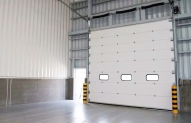





Commercial Overhead Doors for Dock Openings That Stop Slowing Down
Commercial Overhead Doors for Faster, More Reliable Dock Openings
Stop dock openings from slowing down with the right commercial overhead door. Improve flow, reduce downtime, support sealing, and protect long-term dock performance.
Commercial Overhead Doors for Dock Openings That Stop Slowing Down
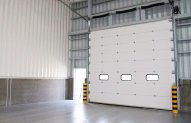
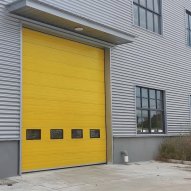
A commercial overhead door is the right solution when a dock opening needs to support fast daily movement without turning every truck cycle into friction, delay, and maintenance pressure. The right door helps keep forklifts moving, protects the opening, improves sealing, and reduces the small slowdowns that quietly damage throughput.
At many facilities, the problem is not that the dock opening fails completely. The problem is that it creates drag all day long. Slow lift time, poor closing reliability, worn seals, impact damage, awkward clearance, and frequent service calls can all turn a working dock into an inefficient one.
The Point Where Dock Flow Begins to Break Down
Most dock issues don’t start with a dramatic failure. They begin with recurring interruptions that operators start to accept as normal.
A dock opening may look acceptable on paper, but once the facility is operational, it can still create friction in daily workflow. Forklift traffic comes to a halt. Drivers wait longer than necessary. Operators lose their rhythm. The door closes slower than the operation’s pace, or it opens sufficiently well but fails to recover properly after repeated use. Over time, these small inefficiencies become part of the loading ramp routine.
This situation is particularly common in facilities where the opening must support complex operations—such as pallet movement, repeated loading cycles, personnel access, fluctuating delivery windows, and the pressure to allow trucks to move without causing preventable downtime. In these environments, the loading dock door is not merely a barrier; it becomes an integral part of the building’s operational pace.
When the opening is inadequately equipped, the door may still function, but the loading ramp becomes heavier, slower, and more difficult to manage than it should be.
The Cost of the Wrong Door for the Opening
A door may be technically functional, yet still be the wrong choice for the loading ramp.
This mismatch typically manifests first in operational terms. The opening cycle takes too long. The hardware begins to wear out sooner than expected. Panels or tracks are subjected to impacts from hand trucks, pallet jacks, or forklifts. Bottom seals wear unevenly. It becomes difficult to keep the opening aligned, clean, and visually under control.
This leads to tangible consequences downstream:
- Slower loading and unloading flow.
- Higher service frequency.
- More pronounced wear in a heavily used opening.
- Increased exposure to air leaks, dust, and weather conditions.
- Greater pressure on labor during peak receiving and shipping periods.
- Discussions about replacement sooner than the customer expects.
In food processing facilities, distribution operations, supermarkets, and refrigerated logistics environments, this pressure escalates even faster. A subpar loading ramp opening affects not only movement but also cleanliness, temperature stability in transition zones, and the facility’s overall appearance.
The outcome is clear: the opening still functions, but everyone around it senses from the start that it wasn’t the right decision.
What a Loading Dock Opening Actually Needs to Handle
The right commercial overhead door is not chosen based on a general product category, but on operational realities.
A loading dock opening typically needs to manage more than just opening and closing. It may also need to support:
- Repeated forklift or hand truck traffic near the threshold.
- Tight shipping schedules and fast truck turnaround times.
- Exposure to wind, dust, or weather conditions.
- Indoor expectations regarding cleanliness and a neat appearance of the back area.
- Better environmental sealing with dock shelters or dock seals.
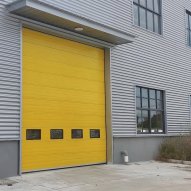
- Safer visibility through windows or viewing panels.
- Reliable track and hardware performance under frequent daily cycles.
If the opening is located next to a refrigerated or temperature-sensitive area, the decision becomes even more critical. In these cases, the door affects not only loading speed but also how much unwanted air movement and backdraft pressure the adjacent environment absorbs.
Selecting the Right Overhead Door Type
Not every commercial overhead door performs equally well under the same loading ramp conditions. The best choice depends on traffic volume, opening size, exposure conditions, insulation requirements, and how much maintenance the facility can actually tolerate.
Quick Comparison
| Option | Best Fit | Main Strength | Main Tradeoff |
|---|---|---|---|
| Standard sectional overhead door | General commercial docks with moderate daily use | Balanced cost and dependable operation | May feel limited in higher-cycle environments |
| Insulated overhead door | Docks needing better thermal control and cleaner perimeter performance | Improved energy control and opening stability | Higher initial investment |
| High-cycle overhead door | Fast-moving shipping and receiving operations | Better support for frequent daily openings | Requires a specification aligned to real cycle demand |
| Heavy-duty dock-focused configuration | Busy docks with impact risk and harder use conditions | Stronger long-term durability at the opening | Can be excessive for lighter-duty sites |
This is where many purchasing mistakes occur. Some facilities buy without much thought and later pay the price through service calls and operational disruptions. Others purchase based on catalog descriptions rather than actual loading dock conditions. The right decision is usually not just a door that meets the minimum requirements, but one that matches the opening’s actual workload.
Why Overhead Doors Better Address Slowdowns on Loading Ramps
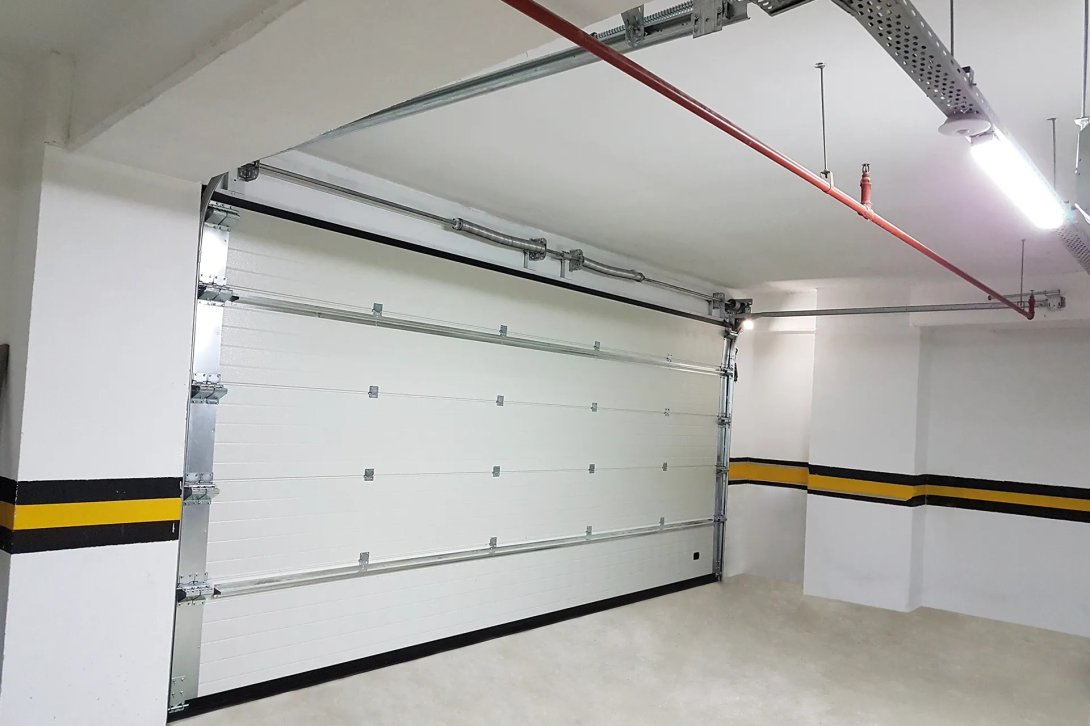
A properly designed overhead door efficiently clears the area, supports repeatable motion, and improves the loading ramp opening by working in harmony with the rest of the loading ramp system.
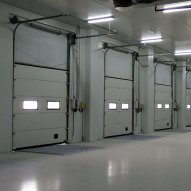
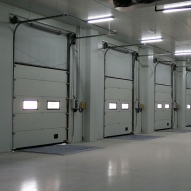
Unlike door types that can cause side clearance limitations or awkward movements in the opening, the overhead configuration is generally better suited to practical loading ramp flow. It keeps the path clearer, supports orderly vehicle approach, and integrates more naturally with loading ramp bumpers, levelers, shelters, seals, and safety visibility features.
This is important because loading ramp efficiency is rarely controlled by a single major issue. It depends on how well all the small components work together. When the top-opening door fits the opening properly, the entire loading ramp line becomes more disciplined and easier to operate.
Robust technical specifications typically include the right mix of panel construction, track layout, spring cycle rating, bottom seal performance, impact-sensitive hardware selection, and visibility options. These details don’t just improve the door itself; they also enhance how the opening performs under real-world operating conditions.
A Better Solution for Daily Dock Pressure
The best solution is usually not the most aggressive door on the market. It is the door that aligns with the dock’s traffic flow, service expectations, and long-term ownership logic.
For many commercial loading docks, this means choosing a commercial overhead door with carefully engineered features instead of a generic door. Better insulation where the opening requires tighter environmental control. Better cycle performance where the loading ramp is opened repeatedly throughout the day. Better hardware where the risk of impact is constant. Better sealing where dust, airflow, or weather conditions affect loading conditions.
This is where experience matters. The Freezewize Cooling System treats loading dock openings not as isolated components, but as part of a broader operational environment. This means the door selection can be tailored to align with the surrounding wall structure, dock accessories, traffic conditions, and performance expectations—rather than being evaluated as a simple open-close mechanism.
This approach typically yields better results: less friction, more predictable operation, and a dock that supports—rather than silently hinders—workflow.
Quick Decision Guide
If the opening is fixed but handles moderate traffic, and the facility requires a reliable, cost-effective solution, choose a standard commercial overhead door.
If the dock is located near a climate-controlled or temperature-sensitive area, or if airflow, energy loss, and environmental containment are more critical, choose an insulated overhead door.
If the opening is heavily used throughout the day and downtime caused by a slow or overloaded door would impact productivity, choose a high-cycle configuration.
If the opening faces repeated impact risks, the use of heavier equipment, or a more demanding work environment, select a heavy-duty, dock-specific design.
If the opening meets both performance and aesthetic expectations, do not overlook windows, cleanable surfaces, bottom seal quality, and hardware durability. In many facilities, these details distinguish a door that merely functions from one that truly enhances the dock.
Related Solutions
If this dock opening is part of a broader facility renovation, the following related solutions should typically be considered in addition to the door:
- Insulated dock door systems for better temperature control in loading areas.
- Loading ramp seals and loading ramp shelters for tighter environmental containment.
- Sectional overhead doors for refrigerated facilities where adjacent cold zones are critical.
- Impact-resistant door hardware packages for openings with more demanding usage conditions.
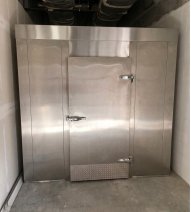
- Cold room and loading area panel integration for a cleaner and more comprehensive cladding strategy.
FAQ
How do I know if a commercial overhead door is slowing down my loading dock?
If the opening causes delays in workflow during regular waiting periods, irregular closing, repeated service calls, or truck turnarounds, it is likely creating an operational hindrance—even if the door is still functional.
Is it worth using an insulated overhead door in a loading dock opening?
Yes, if the opening is located near climate-controlled or temperature-sensitive areas, or if exposure to weather conditions and air leakage affect comfort, cleanliness, or energy performance.
On a high-traffic loading dock, which is more important: speed or durability?
Both are important, but durability will still cause delays without the right cycle capacity. The best results come from matching the door to actual traffic frequency and impact risk.
Can the wrong door increase maintenance costs, even if it’s cheaper to buy?
Yes. A low-cost door can become more expensive over time if it results in more downtime, more repairs, faster wear, or the need for earlier replacement.
Should dock accessories be evaluated alongside the overhead door?
Absolutely. Dock seals, shelters, bumpers, stabilizers, visibility features, and threshold conditions all affect the door’s performance during daily use.
Are commercial overhead doors suitable for food and cold chain facilities?
Yes, they are suitable as long as the technical specifications align with hygiene expectations, traffic volume, sealing requirements, and environmental demands around the opening.
Conclusion
A loading ramp opening should support movement rather than silently resist it.
The right commercial overhead door does more than just close an opening. It reduces friction, supports a cleaner workflow, maintains long-term performance, and helps the loading dock operate at the speed the facility actually needs. If the opening is slowing down operations, it is already creating more costs than necessary.
For facilities planning a better loading ramp strategy, a properly defined solution is the fastest way to turn daily delays into a reliable flow.