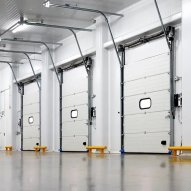





Loading Bay Openings That Hold Up
Commercial Overhead Doors for Loading Bay Openings That Hold Up
Choose a commercial overhead door that holds up at busy loading bays. Improve durability, reduce downtime, protect workflow, and lower long-term ownership cost.
Commercial Overhead Doors for Loading Bay Openings That Hold Up
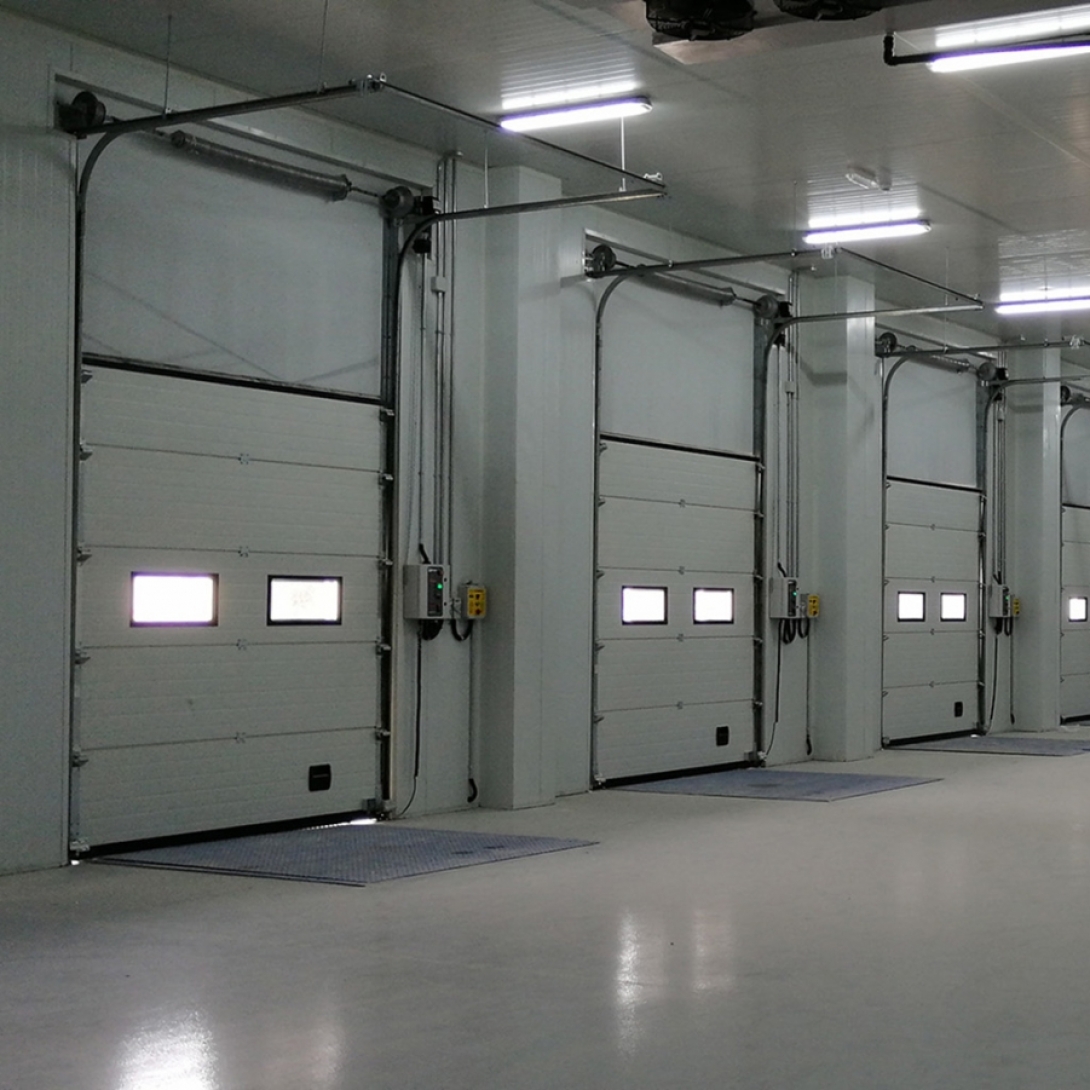
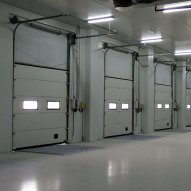
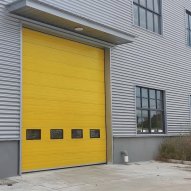
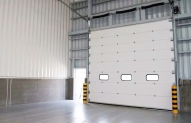
A commercial overhead door is the right choice for loading bay openings that need to hold up under real operating pressure. The right door does more than open and close. It handles repeated cycles, resists wear near the threshold, supports cleaner sealing, and helps the bay stay dependable under daily truck, forklift, and staff activity.
Most loading bay openings do not fail because of one dramatic incident. They wear down through impact, constant cycling, uneven closing, hardware fatigue, weather exposure, and small alignment issues that slowly turn a working bay into a maintenance-heavy one. That is why long-term durability at the opening matters from the start.
The Problem Starts at the Bay, Not in the Brochure
Many loading bay door decisions look fine on paper. The opening size matches. The door operates. The project closes out. Then the facility starts running at full pace.
That is when the real test begins. Forklifts move close to the threshold. Pallet jacks pass through tight paths. Drivers keep the bay active through the day. Staff open and close the entrance under normal pressure, not ideal conditions. The lower section of the opening takes incidental contact. Seals face dirt, moisture, and uneven floor conditions. Hardware absorbs far more repetition than the initial purchase conversation suggested.
A door that looked acceptable at installation can start aging quickly once the building moves from project phase to operating phase. This is especially true in warehouses, food distribution centers, processing plants, supermarkets, commercial kitchens, and high-traffic back-of-house facilities where the loading bay is not a side entrance. It is part of the building’s daily rhythm.
That is why “holding up” is not a cosmetic standard. It is an operating standard.
A Door Can Work and Still Be the Wrong Choice
One of the most expensive mistakes at a loading bay is confusing basic function with long-term suitability.
A door may technically work while still creating slow, costly problems. It may be too light for the traffic pattern. It may close well enough when new but lose consistency under repeated daily use. It may tolerate moderate cycling but struggle once shipping windows intensify. It may resist weather for a while, yet wear down early at the bottom edge, hardware points, or track system.
That mismatch creates practical consequences:
- More repairs during active operating hours.
- Slower bay reset between vehicles.
- Earlier wear at the lower door zone.
- Weaker perimeter control against dust, drafts, and weather.
- A more visible maintenance burden in back-of-house areas.
- Growing pressure to repair or replace sooner than planned.
This is why loading bay performance should never be judged by whether the door still moves. A door can still move and already be costing the operation time, labor, and confidence.
Why Loading Bay Durability Matters More Than Many Buyers Expect
Loading bays put unique pressure on a commercial overhead door because the opening is asked to do several jobs at once.
It must allow fast access. It must recover repeatedly across the day. It must tolerate impact risk nearby. It must help the opening stay aligned, sealed, and visually controlled. In some facilities, it must also support temperature separation, cleanliness expectations, or a stronger facility presentation in visible work zones.
That makes the loading bay different from a lightly used access opening elsewhere in the building. A weak door at the bay does not just wear out faster. It affects workflow. Teams begin compensating for the entrance. Maintenance becomes reactive instead of planned. The bay feels less dependable. In harder-use sites, this slowly changes how the whole area operates.
The question is not whether the opening needs a door. The question is whether the opening has a door that can keep performing once real use begins.
What to Compare Before Choosing a Door That Holds Up
If durability is the priority, the most important comparison is not simply overhead door versus overhead door. It is whether the specification matches the loading bay’s actual workload.
The main decision points usually include:
- Cycle frequency across a normal day.
- İmpact exposure near the threshold.
- Opening width and equipment clearance.
- İnsulation and perimeter sealing requirements.
- Hardware strength and spring durability.
- Maintenance tolerance during live operations.
- Finish quality and visible wear resistance.
- Long-term ownership logic, not just upfront price.
Comparison Table
| Door Approach | Best Fit | Main Advantage | Main Limitation |
|---|---|---|---|
| Standard commercial overhead door | Moderate-use loading bays | Good baseline performance with balanced cost | May wear faster under heavier pressure |
| Insulated overhead door | Bays needing stronger sealing and better environmental control | Better panel stability and perimeter performance | Higher initial investment |
| High-cycle overhead door | Facilities with repeated daily opening demand | Better support for sustained daily use | Needs real cycle volume to justify the upgrade |
| Heavy-duty overhead configuration | Hard-use bays with impact risk and visible wear pressure | Stronger long-term durability and lower stress on the opening | May exceed the needs of lighter-duty sites |
This comparison matters because the wrong decision usually does not look wrong immediately. It looks wrong after the bay has been operating long enough for the weak points to show up.
The Best Solution Is Built Around Bay Conditions
A loading bay opening that needs to hold up should be specified around real conditions, not around minimum closure requirements.
If the entrance sees repeated cycles throughout the day, cycle durability needs more attention. If the lower section faces carts, pallet jacks, or close forklift activity, durability at the impact zone matters more. If the opening affects conditioned or temperature-sensitive space, insulation and bottom-seal performance become more important. If maintenance access is limited or downtime is expensive, stronger hardware and more stable operating performance should move higher on the priority list.
The right solution is rarely the most aggressive door on the market. It is the one that matches the actual stress pattern at the opening. In many cases, that means investing in a better build before premature wear forces the decision later.
This is where The Freezewize Cooling System brings the right perspective. A stronger outcome usually comes from treating the loading bay as a working system that includes the door, threshold, seals, surrounding structure, hardware, and traffic pattern rather than treating the door as a standalone item.
That approach tends to deliver a better result: fewer recurring weak points, more predictable performance, and an opening that still looks and operates like it belongs in the facility after sustained use.
What “Holding Up” Really Looks Like in Practice
A loading bay opening that holds up does not need constant explanation from the maintenance team.
It cycles with confidence. It closes cleanly. It does not show early stress at every hardware point. It resists the minor abuse that comes with real logistics work. It maintains a more disciplined perimeter. It supports daily movement without making the entrance feel fragile or temporary.
That is what professional buyers are usually looking for, even when they phrase it differently. They may ask for durability, less maintenance, stronger hardware, better value, or fewer service calls. In practice, they are all asking the same thing: will this opening still perform after the site starts using it the way it actually operates?
That is the real durability test.
Quick Decision Guide
Choose a standard commercial overhead door when the loading bay sees moderate traffic and the priority is dependable daily use with controlled investment.
Choose an insulated overhead door when the opening needs better sealing, cleaner perimeter control, or stronger performance near conditioned or temperature-sensitive space.
Choose a high-cycle overhead door when the bay opens repeatedly throughout the day and cycle-related wear would quickly affect operations.
Choose a heavy-duty overhead configuration when the entrance faces harder traffic, frequent equipment pressure, visible wear concerns, or a low tolerance for downtime.
If the current opening already shows recurring bottom-edge wear, hardware fatigue, uneven closing, or early repair frequency, the next door should be selected around real bay stress, not just the existing opening dimensions.
Related Solutions
If the goal is a loading bay opening that holds up over time, these related internal solution areas often deserve attention alongside the door:
- Insulated dock door systems.
- Dock seals and dock shelters.
- Heavy-duty sectional overhead doors.
- İmpact-resistant hardware packages.
- Threshold and bottom seal detailing.
- Cold room and loading area transition solutions.
FAQ
What makes a loading bay opening wear out faster?
Repeated cycles, impact near the threshold, poor sealing, weak hardware selection, weather exposure, and a door specification that does not match real daily traffic are the most common reasons.
Is a standard commercial overhead door enough for a busy loading bay?
Sometimes, but not always. In moderate-use settings it may perform well. In harder-use bays, it can create earlier wear and more maintenance pressure than a stronger configuration.
Does insulation help a loading bay door hold up better?
In many cases, yes. Insulated doors often provide better panel stability, stronger perimeter performance, and more suitable operation where environmental control matters.
When should a facility move to a high-cycle overhead door?
A high-cycle setup makes sense when the opening is used often enough that repeated daily operation would otherwise shorten service life or increase downtime.
How do I know the current bay door is under-specified?
Common signs include repeated service calls, early hardware wear, uneven closing, weak bottom sealing, visible lower-panel damage, and a growing sense that the opening is aging faster than the rest of the facility.
Should the threshold and seals be reviewed with the door?
Absolutely. The threshold condition, bottom seal, side sealing, and surrounding hardware all affect how well the opening holds up over time.
Conclusion
A loading bay opening that cannot hold up under daily pressure eventually becomes an operations problem, not just a door problem.
If the opening wears faster than the workflow can tolerate, the specification was never truly right for the bay. A properly selected commercial overhead door can reduce maintenance burden, protect daily movement, and give the facility a more durable opening where it matters most. For teams planning an upgrade or replacement, the smartest next step is to evaluate the bay around real traffic, real wear, and real long-term ownership demands.